Backup alarms are vital safety aids when backing up a vehicle. Sounding an alert while a vehicle is in reverse warns others that a car is backing up and the driver may have limited visibility. Fortunately, adding a backup alarm to your vehicle is an easy DIY process.

The National Safety Council estimates that 25% of all crashes occur when a vehicle backs up. In response, in 2018, the federal government mandated rearview cameras - opens in new window or tab. in most vehicles. Manufacturers now offer rear area proximity sensors and even automatic rear braking activation to increase safety measures. Still, over 200 deaths each year are attributed - opens in new window or tab. to cars backing up.
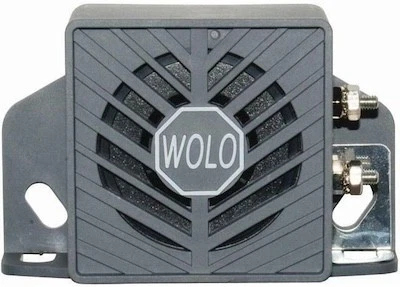
Another optional safety device is having a backup alarm installed in a vehicle. When a car backs up, with the transmission in reverse, an electrical signal activates a horn that repeatedly sounds a note. This sound alerts others, especially pedestrians, that a car is nearby and backing up.
Wired Option
Installing a backup alarm is relatively simple and can be done in under an hour. While the manufacturer’s directions might vary, the process is straightforward.
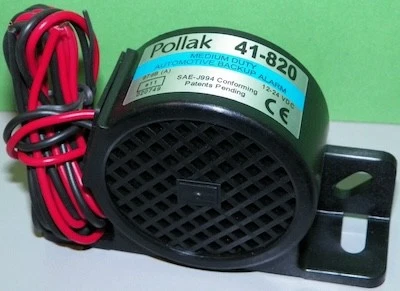
- Locate the wire at the rear of the vehicle that activates the car’s backup lights.
- Disconnect the battery.
- Determine a discreet location to mount the alarm, typically behind the bumper along the chassis.
- Mount the alarm using the supplied nuts and bolts.
- Tap into the reverse lighting wire and run a wire to the alarm.
- Ground the alarm to the chassis using an additional wire.
- Reconnect the battery and test the system.
When you place your transmission in reverse, the rear white bulbs should light up, and the backup alarm will sound a warning note repeatedly. Place the transmission into park or drive, and the alarm should stop.
Reverse Alarm and Bulb All-In-One
An even easier option for many car owners is replacing the backup bulb with a substitute bulb with a built-in alarm. Manufacturers offer replacement bulbs with alarms for many popular bulb types, including LEDs.
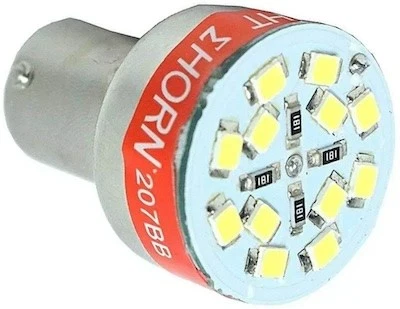
- Remove the exterior lens or access the bulb socket from the trunk area to access the reverse light bulb.
- Twist out the original bulb, saving it as a spare.
- Insert the replacement bulb with the alarm.
- Replace the lens or insert the bulb back into the socket.
- With the car in reverse, verify that the bulb lights up and the backup alarm sounds.
Depending on the bulb’s location, the sound is generally still audible, making it easy for people nearby to detect. Installing a backup alarm is just another safety device. Drivers should always use caution and observe their surroundings while backing up.
About the author

Share your feedback
This article is meant to provide general guidance only. Automotive maintenance, repair, upgrade, and installation may depend on vehicle-specifics such as make and model. Always consult your owner's manual, repair guide for specific information for your particular vehicle and consider a licensed auto-care professional's help as well, particularly for advance repairs.