Shock absorbers - opens in new window or tab. are a vital part of the suspension, helping to provide stability over road imperfections and around curves. Here’s an in-depth look at car shock absorbers, how they work, and when you need to replace them.
What you’ll need

What Shock Absorbers Do
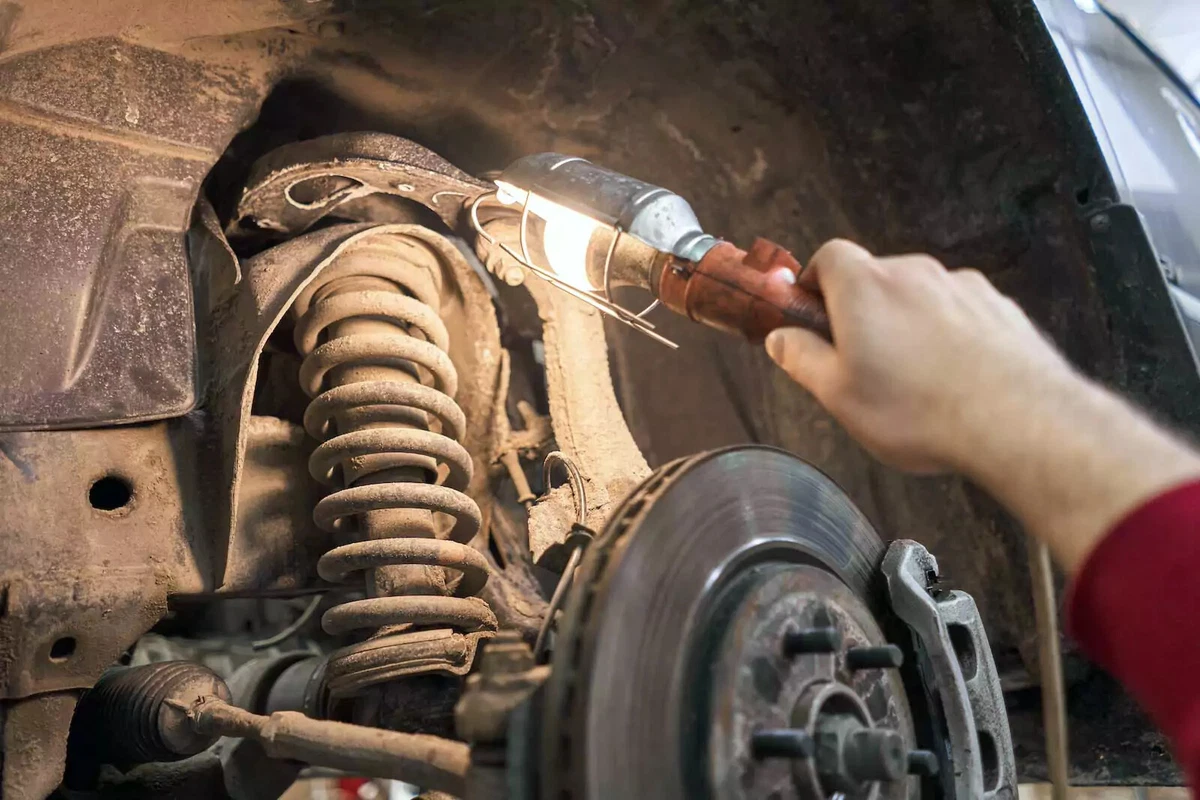
Keeping your shocks in good condition will help ensure a smooth ride.
Shock absorbers, otherwise known as shocks, are suspension components that dampen the impact of your tires rolling over bumps and uneven surfaces. Each wheel has its own shock absorber. They reduce excess up-and-down wheel motions, converting kinetic energy into heat. Shock absorbers prevent the shaking and bouncing motions of the wheels from being transmitted to the cabin.
How Shock Absorbers Work
All shock absorbers dampen wheel vibration. Each type of shock achieves this differently, depending on the design.
Conventional hydraulic shocks use a piston that moves inside a cylinder full of hydraulic fluid. When the wheel hits a bump, it moves upward relative to the body of the car. This motion pushes the shock absorber’s piston. As the piston travels through the hydraulic fluid, small passages allow fluid to flow through the piston. The resistance created by this fluid flow dampens the motion of the wheel.
Gas-charged shocks rely on pressurized gas. A sealed chamber of pressurized gas creates force that resists the movement of the piston. The pressurized gas prevents bubbles from forming in the fluid, known as aeration. This improves the shock’s performance when carrying heavy loads or driving over rough terrain. Otherwise, rapid piston motion could make the fluid foam up, reducing the shock’s dampening ability.
Twin-tube shocks hold the fluid and piston in an inner tube, pushing the fluid into a reservoir in the outer tube when the shock is compressed. This allows for more fluid displacement. Twin-tube shocks are often the choice for everyday driving situations.
Monotube shocks—a newer and more complex design—contain all the components in a single cylinder. Monotube shocks often give a more controlled, smoother ride, but they can be more expensive and less durable than conventional twin-tube shocks.
Shocks can be controlled in a variety of ways. Many luxury and high-performance vehicles use electronically adjustable shocks. These can adapt to offer sporty handling or a comfortable ride with the flick of a switch. Some vehicles offer adjustable ride height, dropping down for easy entry and exit or raising up to crawl over rough terrain. Certain models adjust their shock absorbers on the fly, offering the most comfortable ride on a millisecond-by-millisecond basis.
What’s the difference between shocks and struts?
Shocks and struts - opens in new window or tab. are different components that perform the same job: dampening the up-and-down motions of the wheel as it rolls down the road. A shock absorber works alongside a separate spring that supports the vehicle’s weight. A strut combines the spring and shock absorber into a single unit. Strut suspension takes up less space than having a separate shock and spring and has fewer moving parts.
Can a vehicle have both shocks and struts?
Each wheel has either a shock or a strut, but not both. Many vehicles use struts on the front wheels and conventional shocks with separate springs on the rear wheels. Others use struts at all four wheels or shocks and springs all around.
Replacing Shocks Is Quick, Easy, and Cheap
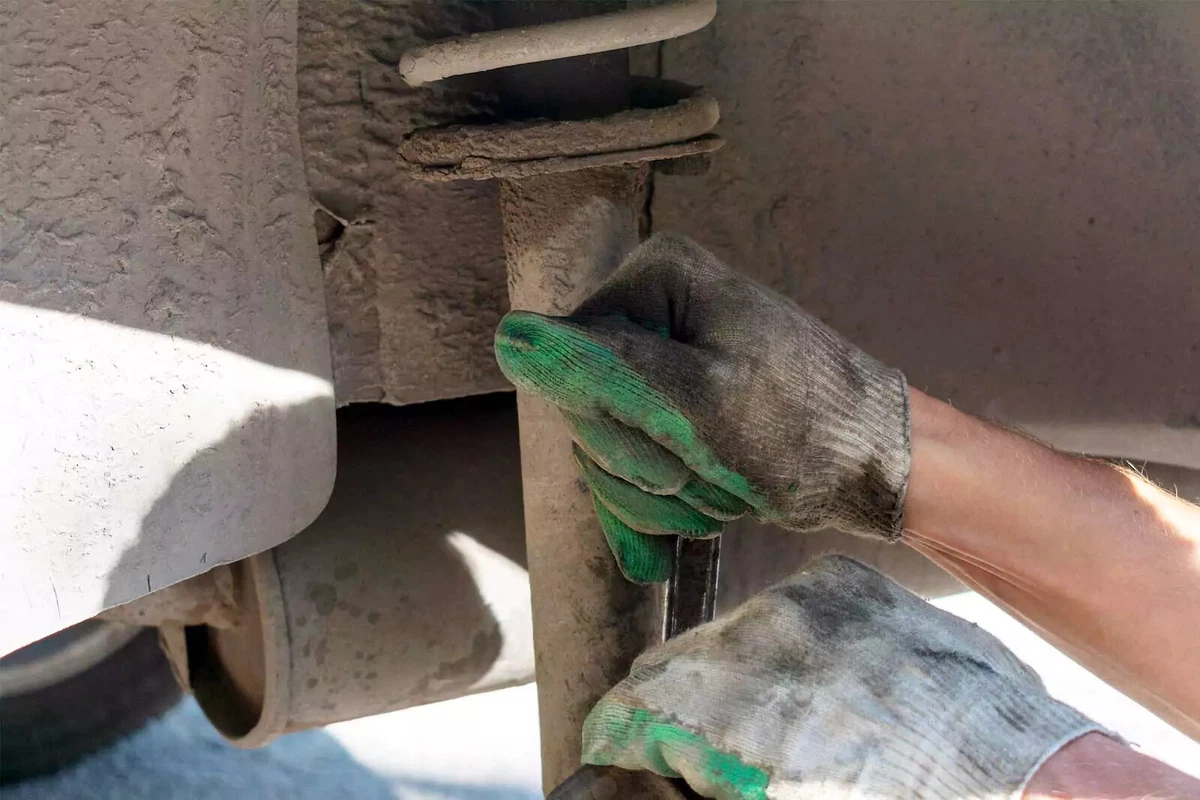
If you have the right tools, a DIY shock replacement is probably something you can do.
If you have the proper tools, you’re probably capable of replacing your shocks or struts. Depending on your vehicle and experience level, replacing worn shock absorbers can be a pretty straightforward task. You’ll need to safely raise your car on jack stands or a mechanic’s lift and remove the wheels.
Many cars allow you to disconnect the upper and lower shock absorber mounts without disassembling any other suspension components, making it easy to remove and replace a worn-out shock. Some vehicles demand major suspension disassembly to access the shocks, which might be beyond the experience of an amateur DIY mechanic.
How long does it take to replace a shock absorber?
Replacing a shock absorber can takes about one hour, depending on your car’s make and model. Performing this job might require specialized tools. If your vehicle is rusty, you might encounter stuck or seized fasteners, which will add time to the job.
How much does it cost to change a shock absorber?
A professional mechanic might charge $100 to $500 per wheel to replace worn-out shock absorbers. Doing the job yourself can save a lot of money, especially since some new shock absorbers can cost as little as $10 each.
Should you replace all your shock absorbers together?
You should replace worn-out shocks or struts in pairs - opens in new window or tab.. If your front-left shock needs to be replaced, swap out the front-right shock as well. Doing this ensures balanced suspension behavior at both front wheels, and the same holds true at the rear. If all four shocks are worn, it’s best to replace them all at once. Mixing new and old shocks can lead to unpredictable handling, especially in emergency maneuvers.
How Long Car Shocks Last
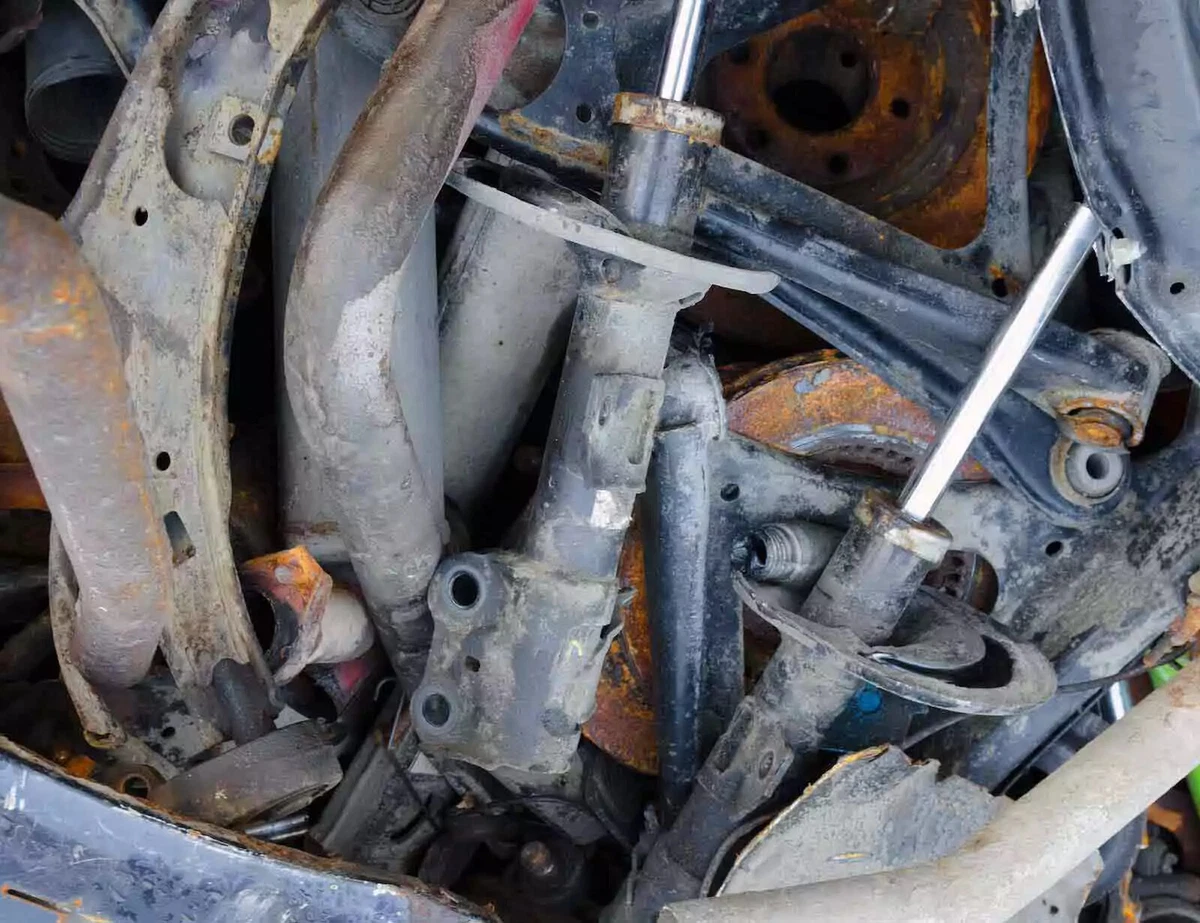
After 50,000 to 100,000 miles, your shocks will be ready for the scrap heap.
Shock absorber lifespan depends heavily on driving conditions and how you use your vehicle. Shocks should last between 50,000 and 100,000 miles in normal driving conditions.
What causes shock absorbers to wear out?
Normal wear and tear is the primary reason why shock absorbers fail. As with most automotive parts, shocks should be replaced at regular intervals. If you often drive on roads with potholes, speed bumps, and uneven terrain, you can expect to need replacement shocks more frequently.
Excess stress on the suspension leads to increased wear. If you regularly tow or haul heavy loads, you may need more frequent shock replacements. Visually inspecting your suspension regularly and replacing any worn parts will reduce the likelihood of a catastrophic suspension failure.
Finally, the brand and type of shock make a big difference. Brand-name shocks might cost more, but you will likely get more life out of them. And they will have a warranty.
Signs You Need New Shock Absorbers
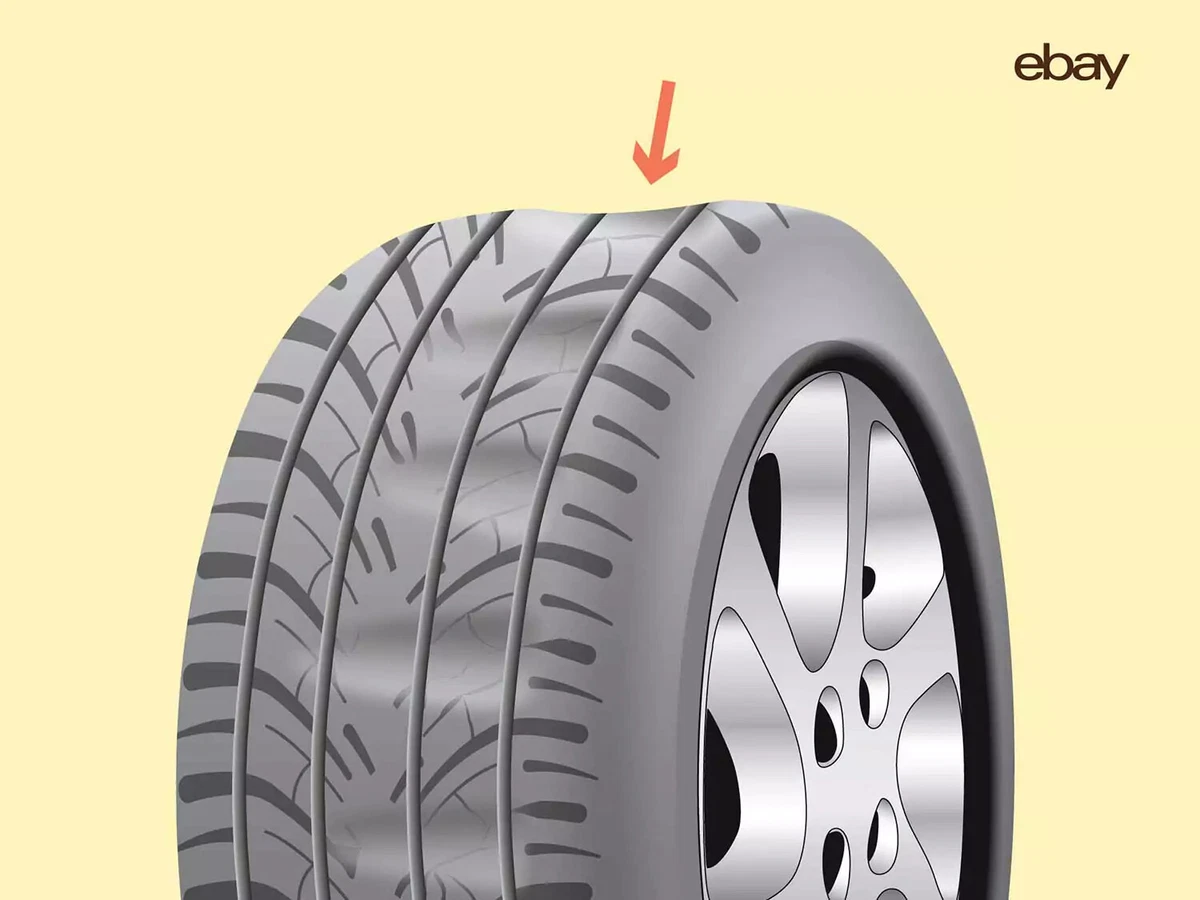
Uneven wear patterns on a tire is known as cupping. Cupped tires, which don’t make good contact with the road, are dangerous to drive on.
A noticeable change in your car’s ride comfort or handling might be a sign of shocks going bad. If the car leans to one side while parked on level ground, the lower side might be sitting on a blown shock absorber. If the car leans forward under braking (called nose dive) or rolls uncomfortably around curves, the shocks might be past their prime.
A “bounce test” will tell you if you need to replace your shocks. Standing outside of your parked car, push down firmly on one corner of the car’s body and let it go. With shocks in good working order, the body should return to level smoothly. If it heaves up and down or “bounces” more than once, it’s a sign of worn-out shocks.
Peer underneath and look at your shock absorbers. Any sign of leaking or seeping fluid indicates a blown shock. Take a look at the tires, too. Excessive or uneven tread wear happens when the suspension no longer holds the tire flat against the pavement.
Can you drive without shocks and struts?
Worn-out shocks or struts make your car handle erratically, which is dangerous, especially if you need to perform an emergency maneuver. You should replace malfunctioning shocks or struts at the first sign of trouble.
It’s impossible to drive a vehicle after you’ve removed the struts because they hold up the body of the car. In a pinch, you could remove the shock absorbers and still move a car around your garage, but you should never drive it on the road in this condition. Driving without shocks would lead to damaging wear on the tires and suspension. Additionally, without the damping effect of shock absorbers, even tiny bumps in the road would make the car bounce and wobble erratically, making it impossible to control.
Vehicle Maintenance to Combine with DIY Shocks Replacement
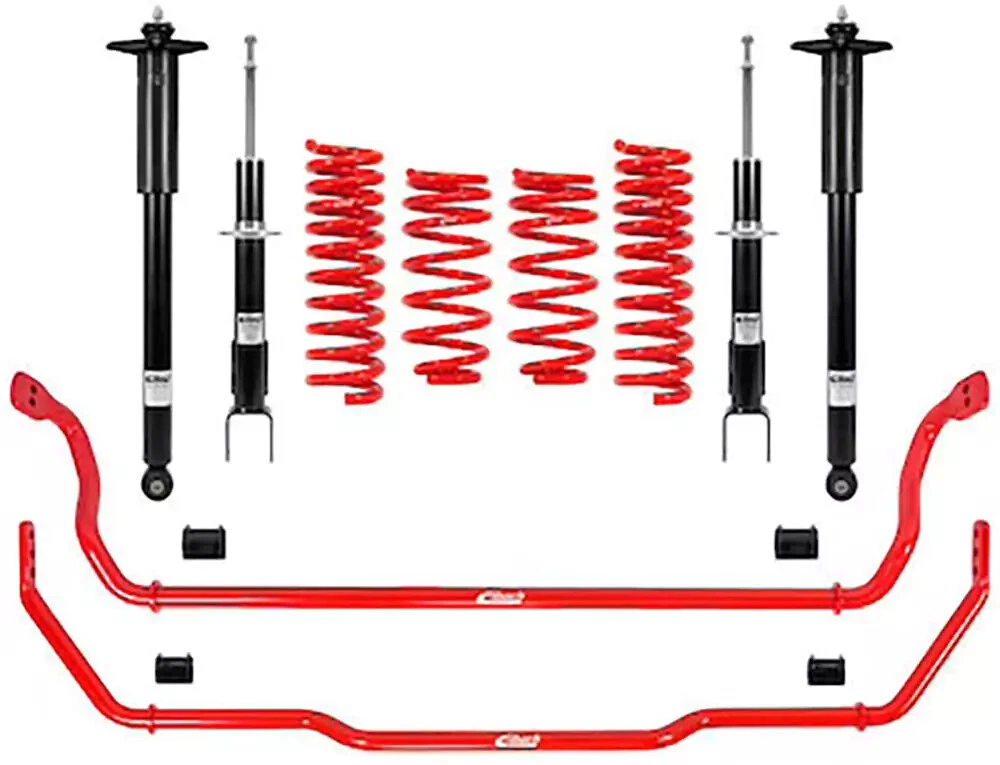
When it's time to replace your shocks, it's also a good time to consider a full suspension replacement.
Modern shock absorbers don’t require much routine maintenance. Give them a visual once-over when you change your oil, and replace any shock that shows physical damage or leaks.
When you’re replacing your shocks, it’s a good time to inspect the other suspension components. Check ball joints for excess play, look for dry-rotted or cracked rubber bushings, and test nuts and bolts to make sure they’re properly tightened.
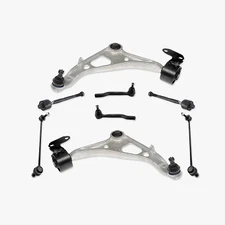
A small suspension malfunction can lead to unpredictable car behavior. It’s always better to replace a questionable component before it has a chance to fail. If you’re already replacing all four shocks, consider the benefits of buying a complete suspension kit - opens in new window or tab. to refresh everything at once.
About the author

Share your feedback
This article is meant to provide general guidance only. Automotive maintenance, repair, upgrade, and installation may depend on vehicle-specifics such as make and model. Always consult your owner's manual, repair guide for specific information for your particular vehicle and consider a licensed auto-care professional's help as well, particularly for advance repairs.
Shop project essentials
Recommended for you
Find answers and inspiration

5 Common Car-Suspension Problems—and What to Do

Understanding Steering Gearboxes
5 min read
CV Axles and How to Replace Them

A Fix-it Guide for Understeer and Oversteer

Diagnosing Bad Tie Rod Ends
6 min read
How to Choose the Best Shock Absorbers
8 min read
Upgrade Your Steering Column

Reasons to Switch to a Performance Shock

Deciding to Buy Original or Aftermarket Auto Parts: Quality and Selection

Your Crossover Can Become an Overlanding Rig

Power Steering Pump Problems and Solutions
5 min read
What to Check and What to Replace at 100,000 Miles
4 min read
Choosing the Best Power Steering Pump
6 min read
How to Buy the Right Tie Rod Ends
6 min read
How to Replace Power Steering Fluid
8 min read
Deciding to Buy Original or Aftermarket Auto Parts: The Basics

Installing a Leveling Kit Will Raise Your Truck's Front End

Tax Refund Idea: Add an Air Bag Suspension to Your Ride
How to Buy the Right Sway Bar Links and Bushings
6 min read
Electric Power Steering Conversion: A Definitive Guide
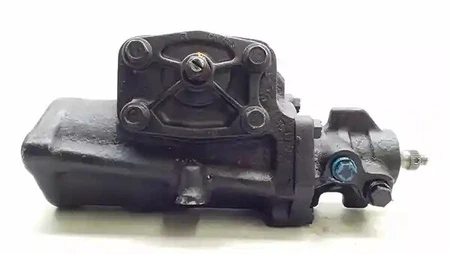
How to Buy the Right Steering Gearbox
5 min read
How to Warm Up Your Steering Wheel

What Is Your Steering Wheel Telling You?

Taking Your Car to the Track: The Ultimate Guide

Squeaks, Clangs and Rattles: Car Noises That Need Attention

Why Idler Arms Are So Critical
6 min read
Car Lube Jobs Explained
4 min read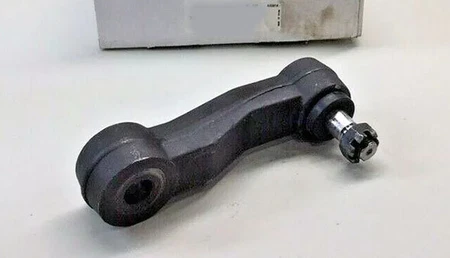
How to Buy the Right Idler Arm
6 min read
Online Videos Are a Game-Changer for DIY Car Repair
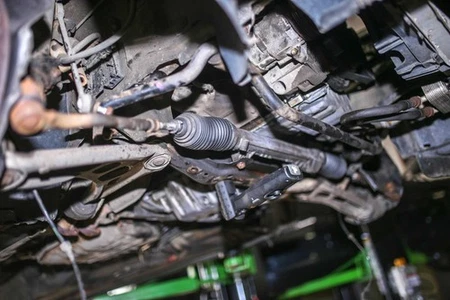
How Rack-and-Pinion Steering Works

Toyota Pickup Accessories and Upgrades: A to Z

Choosing the Right Power Steering Fluid
4 min read
Understanding Sway Bar Links
6 min read
How to Replace Sway Bar End Links and Bushings
6 min read
Hisses, Whines, and Rattles: What Your Car Is Trying to Tell You

How to Replace a Power Steering Pump
7 min read
Why Is Your Car Shaking and Vibrating?

What Makes a Vehicle Capable for Off-Road?

An Intro to Flushing Your Power Steering Fluid
5 min read
Steering Wheel Shaking? Find Out Why
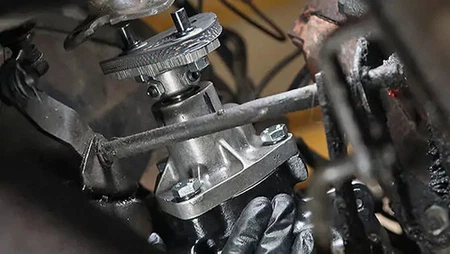
How to Replace a Steering Gearbox
8 min read
Any Car Can Be Turned Into a Pickup, Right?

How Do Torsion Bars Work?

New Suspension Bushings Can Improve Handling

How to Remove Rusted Nuts and Bolts

How to Buy the Right 1970-74 Barracuda Trim Parts
4 min read
The Essential Role of Sway Bars

What You Should Know About Power Steering Pumps
5 min read
How to Customize Your Car for the Best Resale Value

How to Pick the Right “Parts Car”

How to Replace Shock Absorbers
8 min read
Why It’s Smart to Buy a Suspension Kit (Rather than Parts)

How To Buy New Old Stock (NOS) Parts on eBay

4 Ways to Upgrade or Mod Your Suspension

How to Buy the Right Ball Joint for Your Vehicle
7 min read
Aftermarket Steering Wheels: For Style and Control

How to Replace an Idler Arm
5 min read
Power Steering Fluid: Selection, Maintenance, and Changing
What to Do When Wheel Bearings Fail

How to Diagnose a Failing Ball Joint
7 min read
Deciding to Buy Original or Aftermarket Auto Parts: The Online Transaction

How to Improve Steering Response from a Classic Muscle Car
Sway Bars Are An Easy Upgrade To Improve Handling

How to Replace Tie Rod Ends
7 min read
A Quick Guide to Car Coilovers

What Is a Tie Rod?