Changing your car’s motor oil - opens in new window or tab. yourself can save a lot of money. It’s a simple task, but you might be uncertain about how to choose the right engine oil and what your vehicle requires. This guide provides the answers.
What you’ll need


Types of Engine Oil

Castrol GTX Classic conventional motor oil is a solid choice for vintage engines.
Back in the day, every car used conventional motor oil - opens in new window or tab.. As the most basic option, it offers a standard level of protection and lubrication at the lowest price. However, you need to change conventional oil more frequently, sometimes as often as every 3,000 miles. Conventional oil is made directly from crude oil that’s refined and blended with additives. Some older engines can only use conventional oil.
On the other end of the spectrum is full synthetic motor oil - opens in new window or tab.. Synthetic is composed of man-made chemicals to provide better protection and lubrication. While this oil is more expensive than conventional, some manufacturers allow for 10,000 miles between synthetic oil changes, reducing the cost per mile. Many vehicles, especially high-end models, require synthetic oil exclusively.
Mid-range synthetic blend oils - opens in new window or tab. combine the properties of conventional and synthetic oils. If you want added protection without the cost of full synthetic, a blend is a solid compromise.
Manufacturers also offer high-mileage motor oils - opens in new window or tab.. Typically, these are formulated for cars with over 75,000 miles. Special additives help prevent oil leaks, protect against engine wear, and prolong the life of the oil. The price is not much different from standard-mileage oil, and the increased viscosity of high-mileage oil provides better lubrication for worn-in engine parts. High-mileage oil is well worth considering for your older vehicle.
When you change your oil, you’ll need to change your oil filter - opens in new window or tab. too. Choose a filter that matches the change interval of your oil. It doesn’t make sense to use 10,000-mile oil with a filter rated for 3,000 miles.
Can you mix different types of oil?
If your vehicle is low on oil, you can add conventional oil to synthetic in a pinch, if both oils have the same viscosity. Mixing oils diminishes the synthetic oil’s performance. You won’t be getting your money’s worth out of the synthetic oil, and you’ll likely need to change the oil sooner.
Choosing the Best Oil for Your Vehicle

The owner's manual is the most reliable source for engine oil specifications.
To find the best engine oil for your vehicle, start by checking the owner’s manual. You should find details on the oil viscosity and type (conventional or synthetic) required for your engine. Never use an oil that doesn’t match the manufacturer’s recommendations.
Oil viscosity describes how fast the oil flows. The manufacturer will list a specific viscosity for your vehicle as a two-part number with a W in the middle—for example, 5W-30. This number will appear prominently on the label. Always stick with the recommended viscosity, as that’s what works best in your engine.
- If your manual specifies conventional oil, you can choose to use conventional, synthetic, or blend, based on your preferences.
- Low-mileage engines that aren’t driven in extreme conditions may be fine with conventional oil, though you’ll need more frequent oil changes.
- You may consider a synthetic blend for added protection at an affordable price.
- If you need increased temperature stability (for vehicles that tow or haul heavy cargo) or you want longer oil change intervals - opens in new window or tab., consider full synthetic.
- If the engine has more than 75,000 miles on it, you could also upgrade to a high-mileage oil for better protection.
- Many automakers require full synthetic oil. If this is what’s listed for your car, never use conventional or synthetic blend since these might interfere with the way your engine works.
Best Motor Oil Brands
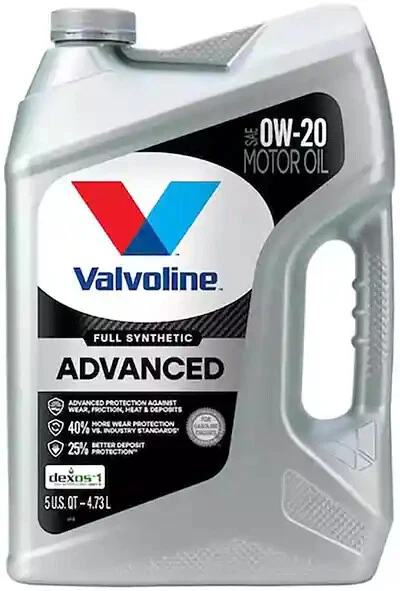
Valvoline Advanced Full Synthetic Motor Oil is engineered for today’s turbocharged/direct-injected engines.
Amsoil - opens in new window or tab. may not be the cheapest option available, but it is a premium brand trusted by racers and automotive enthusiasts, and its products are blended and packaged in the United States. The Signature Series lineup is Amsoil’s top-selling full synthetic.
Castrol - opens in new window or tab. is a reliable brand that auto mechanics trust. The full synthetic formula is known as EDGE. Castrol also offers a conventional option called GTX.
Liqui Moly - opens in new window or tab. makes specialty synthetic oil that is recommended for many high-end European cars. With special additives included, this brand provides superior lubrication for longer engine life.
Mobil 1 - opens in new window or tab. is likely the first oil brand that comes to mind because it has become synonymous with reliability. Mobil 1 makes extended performance and high mileage oil options that are compatible with just about every automaker’s engines.
Pennzoil - opens in new window or tab. has made motor oil for more than 100 years, making it another trusted name. Pennzoil’s high-mileage variant is good for prolonging engine life, while the Platinum label indicates full synthetic oil.
Royal Purple - opens in new window or tab. may be better known for oil additives but also offers high-performance synthetic oil. This specialty manufacturer makes formulas for motorcycles, ATVs, and racing applications, in addition to oils for everyday driving.
Valvoline - opens in new window or tab. earned its reputation among racing enthusiasts but has motor oil options for every type of driver. Valvoline’s full synthetic oil promises to remove deposits from older engines and the company offers a variety of high-mileage oil formulations.
Best Motor Oil for Diesel Engines
While several brands make high-quality diesel oils, here are two of our favorites.
Mobil 1 Turbo Diesel Truck - opens in new window or tab. oil is a full synthetic option designed for heavy-duty engines. It is compatible with modern diesel truck engines, including those with exhaust gas recirculation (EGR).
AMSOIL Signature Series Max-Duty Synthetic Diesel Oil - opens in new window or tab. delivers six times more wear protection based on third-party testing. It is designed for extreme temperatures and hard use, but it’s one of the most expensive engine oil options available.
Best Motor Oil for High Mileage
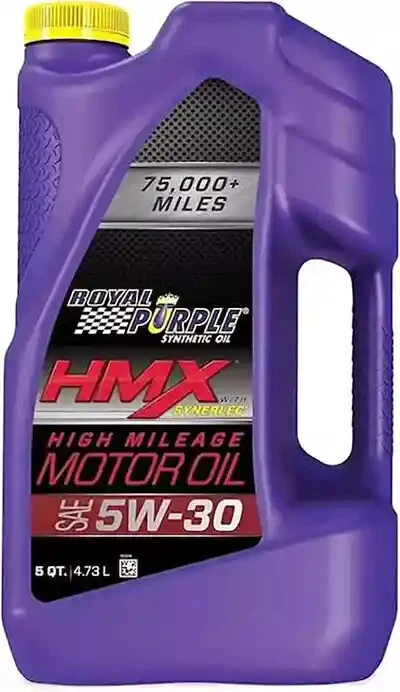
Royal Purple’s HMX Synthetic Motor Oil gets the nod for high-mileage vehicles.
Castrol Edge High Mileage - opens in new window or tab. is often reviewed as the best high-mileage oil for the money. Phosphorus replacement technology helps to extend the life of a car’s engine and emissions system. Plus, Castrol claims the oil is good for up to 15,000 miles between changes. It can be used in hybrid vehicles, and it’s known for reducing oil leaks and burn-off.
Royal Purple 11748 HMX - opens in new window or tab. is often hailed as the best synthetic oil for high-mileage vehicles. The specially formulated mix includes zinc and phosphorus additives that reduce wear.
Best Synthetic Motor Oil
While all of the brands listed above offer quality synthetic oil, we highly recommend Mobil 1. The company first released a full synthetic motor oil in 1974, making it the first available for passenger cars and trucks. Even today, many racers rely on Mobil 1.
Best Conventional Motor Oil
We can’t say enough good about Castrol GTX. If you need a high-quality conventional oil, GTX is tried and true. It’s been available for many decades, and a high-mileage variant is available for cars with more than 75,000 miles.
Best Motor Oil Additives

If your engine always seems to be down a quart, Lucas Oil 10002 Heavy Duty Oil Stabilizer might slow down the flow.
The best engine oil additives can extend engine life, clean out sludge and deposits, or improve gas mileage. Some aim to stop small oil leaks, while others reduce friction. For a deep internal cleaning, engine oil flush - opens in new window or tab. can clear out sludge and contaminants from your engine.
ZDDP Plus is the best oil additive for high-performance engines - opens in new window or tab.. Zinc dialkyl dithiophosphate forms an anti-wear barrier between metal components to reduce friction.
ATP AT-205 Re-Seal is the best oil additive for stopping leaks. The exclusive formula restores dried-out or worn seals without harming moving parts or bearings. It’s safe for gasoline or diesel engines.
Lucas Heavy Duty Oil Stabilizer is the best oil additive to slow or stop oil burning. Containing 100% petroleum, this engine treatment lowers oil temperature by reducing friction, extends the life of the motor, protects against corrosion, and eliminates dry starts. It can also re-lubricate seals and bearings.
Other Oil Change Supplies You’ll Need
Now that you know how to choose your motor oil, check your oil-change supplies. With eBay, you can order everything in one place and save money. You’ll need an oil filter wrench - opens in new window or tab. ($10 to $20), an oil drain pan - opens in new window or tab. ($5 to $25) and an oil funnel - opens in new window or tab. ($3 to $10). Spending money on the right tools and equipment now will help you save money every time you change your oil yourself.
About the author

Share your feedback
This article is meant to provide general guidance only. Automotive maintenance, repair, upgrade, and installation may depend on vehicle-specifics such as make and model. Always consult your owner's manual, repair guide for specific information for your particular vehicle and consider a licensed auto-care professional's help as well, particularly for advance repairs.
Shop project essentials
Recommended for you
Find answers and inspiration

Expert Advice for Checking Your Vehicle’s Engine Oil Level

6 Ways to Dress Up Your Engine

Symptoms of a Bad Crankshaft Sensor

Diagnosing and Replacing a Bad Car Starter

How to Replace Engine Mounts
4 min read
The Right Tools to Clean Your Fuel Injectors
6 min read
How to Replace an Exhaust Gasket
9 min read
How to Buy the Best MAF Sensor
4 min read
Ignition Wire Buying Guide
6 min read
A Complete Guide to Cylinder Heads

Purpose of the Engine Mount and Signs of Failure

A Quintessential Monster Miata with a Mustang V-8

How to Buy the Right Ignition Coils
7 min read
Chevrolet LS9: The Ultimate LS-Series Engine

How to Change an In-Tank Fuel Pump
9 min read
Squeaks, Clangs and Rattles: Car Noises That Need Attention

Why Regular Care of Your Fuel Pump Is a Must

All About Crankshafts and How They Work

Interpreting Engine Codes Is Easy With Right OBD Reader

How to Clean a Carburetor

A Quick Guide to Valve Cover Gaskets
6 min read
How to Replace a Fuel Filter
7 min read
Finding the Best Engine Air Filter for Your Car
4 min read
How to Replace a Throttle Body
6 min read
Do You Have a Faulty Mass Air Flow Sensor?
4 min read
What to Do About a Dirty Oxygen Sensor
4 min read
Buying the Best Portable Car Battery Jump Starter
6 min read
What You Should Know About O2 Sensors
6 min read
Understanding Your Car's Idler Pulley
4 min read
How to Test an Alternator (And Fix It!)

How To Fix a Crankshaft Position Sensor Wiring Harness
7 min read
Why Is Your Car Burning Oil?

When to Replace Your Exhaust Manifold Gasket
6 min read
An Overview of Car Engine Parts
5 min read
What Is a Camshaft Position Sensor?

4 Easy DIY Upgrades of Your Car's Ignition System

How to Replace a Distributor Cap and Rotor
5 min read
Identifying Common Engine Leaks

Ignition Coils Help Spark Horsepower

Everything You Should Know About Glow Plugs

P0420 Engine Code: What It Means and How to Fix It
5 min read
Everything You Need to Know About Fuel Filters
6 min read
Engine Mounts 101
4 min read
5 Small Car Maintenance Tasks To Prevent Big Problems Later

How to Replace a Serpentine Belt Tensioner
4 min read
Can a Cold Air Intake Add 30 Horsepower?

Spotting Intake Manifold Gasket Problems
7 min read
Symptoms and Fixes for a Bad Thermostat

How to Replace an Ignition Coil
6 min read
Custom Exhaust Tips: Make a Statement with Your Tailpipes

What to Expect From an Emissions Test

All About Cylinder Head Gaskets

All About Mass Air Flow Sensors

How to Fix Low Oil Pressure
4 min read
How to Find and Fix an Exhaust Leak

How Much Does an Alternator Cost?

Why Is a Hemi Engine So Special?

The Difference Between Camshafts and Crankshafts
4 min read
Get Your Classic Car Ready for Winter

Engine Air Filter Change 101

Engine Blocks: Everything You Need to Know

Troubleshooting a Car That Doesn’t Start

What Does the Check Engine Light Mean?

Deciding to Buy Original or Aftermarket Auto Parts: Quality and Selection

How Long Do Car Batteries Last?

How an Oil Pump Works

The Anatomy of a Spark Plug

How To Gap a Spark Plug

How to Replace an Intake Manifold Gasket
7 min read
Cabin Air Filter vs. Engine Air Filter: What’s the Difference?

Why Your Car Won’t Start

What You Should Know About Cylinder Heads

How to Replace Ignition (Spark Plug) Wires
5 min read
4 Types of Water Pumps

Signs of a Bad Car Battery vs. Alternator

What Is a PCV Valve? And How to Replace One

Engine Oil Flush 101

Online Videos Are a Game-Changer for DIY Car Repair

When to Replace Your Drive Belt
6 min read
How to Buy the Right O2 Sensor
5 min read
What Is a Catalytic Converter and Why Are People Stealing Them?

Synthetic Oil or Conventional Oil: What’s Best for Your Vehicle?

All About Engine Leak Down Testing
A Guide to Cleaning a Throttle Body

How to Remove Rusted Nuts and Bolts

Cleaning Your Engine Bay: Step-by-Step Instructions

Timing Belts 101
5 min read
How to Buy the Right Car Distributor
6 min read
How to Do an Engine Compression Test
5 min read
Choosing the Best Intake Manifold Gasket
7 min read
What Does the Dashboard Oil Light Warning Mean?
5 min read
The Brave New World of Ultra-Easy Fuel Injection

Your Complete Idler Pulley Buying Guide
5 min read
How to Replace an Alternator Belt

How to Choose the Best Oil Filter

Deciding to Buy Original or Aftermarket Auto Parts: The Online Transaction

How to Jump Start a Car Battery

Buying the Right Engine Mount
5 min read
Winter Car Prep: 5 Essential Articles

All About Exhaust Gas Recirculation (EGR) Valves

Five Signs Your Spark Plugs Need Changing
5 min read
How to Replace an Oxygen Sensor
5 min read
Make an Old Car Run Like New: Four Common Sense Tips

All About Your Distributor Cap and Rotor
7 min read
How to Replace a Valve Cover Gasket
7 min read
Easy DIY Project: Replace an Oxygen Sensor

Car Starter Motors and How Long They Last
How to Keep a Ford Flathead V-8 Alive
8 min read
How to Replace a Car Starter
7 min read
What to Check and What to Replace at 100,000 Miles
4 min read
How to Clean Fuel Injectors
8 min read
MAP Sensors and Managing Air Flow

How Long Does an Oil Change Take?

The Weirdest Oddball Car Engines of All Time

How to Choose the Best Spark Plugs
5 min read
All About Vehicle Emission Systems

Tax Refund on the Way? It’s Time to Think About Supercharging
How to Replace an Engine Air Filter
5 min read
Signs That a Timing Chain Needs Replacement
5 min read
Brake Cleaners Versus Carburetor Cleaners

How to Replace an EGR Valve
5 min read
An Expert Guide to Exhaust Systems

How to Buy the Right Valve Cover Gasket
4 min read
Car Muffler Types and How They Change Your Exhaust Note

How Long Do Electric Car Batteries Last? And Other EV Questions

Explaining the Throttle Body and Position Sensor
4 min read
Ethanol Fuel Boosts Performance and Costs Less

The Alternator Is Your Car’s Little Electric Power Station

Spark Plugs 101
7 min read
One Day Project: Rebuild Your Carburetor

Should You Rebuild or Replace Your Carburetor?
4 min read
Which OBDII Scanner Do You Actually Need?
4 min read
Taking Your Car to the Track: The Ultimate Guide

Try a Catalytic Converter Cleaner Before an Expensive Repair

The Right Liquids for High-Performance Engines

In Age of Computerized Cars, Tuning Gets an Update

How to Buy the Right Timing Belt and Related Tools
5 min read
NASCAR Engines Versus What Powers Your Car

How To Choose the Best Supercharger

Understanding Battery Sizes (and Battery Group Size Charts)
7 min read
How to Buy the Right Exhaust Manifold Gasket
6 min read
History of the Rotary Engine: Past, Present and Future

How to Change a Timing Belt
12 min read
How to Buy and Build a Gen-1 Coyote Ford Mustang
7 min read
How to Buy the Right Throttle Body
5 min read
Clean Fuel Filters Are Critical for Performance

How to Change Your Oil: Visual Step by Step Guide

How a Car Engine Works

Why an Engine Overheats and How to Fix It

Everything You Need to Know About Car Starters
7 min read
Reduced Engine Power and What To Do About It
5 min read
Regularly Check These 4 Car Fluids

How to Buy the Right Car Starter
5 min read
Understanding Engine Horsepower vs. Brake Horsepower

Distributors 101
6 min read
How to Change Oil in a Car
8 min read
Cold Air Intake 101: How It Works

How to Clean Or Replace Your Air Filter

Top Candidates for an Affordable V8 Swap

Are Ticking Engine Noises a Warning? Or Just Annoying?

Types of Twin Turbos (And Why You Want One)

Carburetor 101: Maintenance and Cleaning
6 min read
How Solenoids Work in Starters and Automatic Transmissions

An Introduction to Cleaning Fuel Injectors
5 min read
Choosing a Supercharger Versus Turbocharger

How to Get Started with an LS Engine Swap

P0302 Engine Code: What It Means and How to Fix It
6 min read
The Dry Sump System Explained

How to Replace a Mass Air Flow (MAF) Sensor
7 min read
Facts About Diesel Exhaust Fluid

Protect Your Catalytic Converter with a Shield or Lock

What Octane Is Best for Your Car?
4 min read
Buying the Right Serpentine Belt and Tensioner
4 min read
A Performance Data Recorder (PDR) Adds Racing Analytics to Your Car

Deciding to Buy Original or Aftermarket Auto Parts: The Basics

What to Know About Your Vehicle's Throttle Body
6 min read
Diagnosing Your Serpentine Belt and Tensioner
6 min read
A Guide to Car Clutches
7 min read
Choosing the Best Drive Belt for Your Car
6 min read
How to Replace a Fuel Pump

Basic Car Maintenance Is Simpler Than You Think

The Importance of the Drive Belt Tensioner

Why You Should Add an Engine Oil Cooler

How to Replace a PCV Valve
6 min read
Buying the Right PCV Valve
4 min read
Hisses, Whines, and Rattles: What Your Car Is Trying to Tell You

Carburetors vs. Fuel Injection: For Show or Go?

Taking Vintage Cars Out of Storage: Planning for Spring

All About Exhaust Gaskets

Buying the Right Distributor Cap and Rotor
4 min read
How to Replace Spark Plugs
7 min read
What Is a Serpentine Belt and How Do You Change It?

How to Replace a Drive Belt
5 min read
Tips and Tricks to Manage Engine Heat

An Essential Guide to Timing Belts

How to Test Your PCV Valve
6 min read
Porsche Boxster IMS: What to Know
5 min read
How to Buy the Right 1970-74 Barracuda Trim Parts
4 min read
Everything You Should Know About EGR Valves
5 min read
A Deep-Dive Guide to Ignition Wires
7 min read
When to Replace Your Engine Air Filter
5 min read
Choosing the Right Fuel Filter for Your Vehicle
6 min read
How to Pick the Right “Parts Car”

How to Choose the Best Fuel Pump
6 min read
OBD Port Uses for Amazing Digital Car Hacks
What to Buy First for Your LS Chevelle Swap
9 min read
How to Use an Engine Timing Light

Causes and Cures for Oil Pan Leaks

ECU 101: What Is an Engine Control Unit?

How to Tune Your Exhaust Note
Choosing the Best Motor Oil
4 min read
How Do Ignition Coils Work?
5 min read
Fuel Pumps and How They Work
8 min read
What a Fuel Pressure Gauge Does and Why You Need One

4 Bolt-On Engine Power Upgrades That Add Crazy Combustion

How Does Engine Braking Work?

Changing Your Oil: 5 Things to Know
6 min read
How to Buy the Right EGR Valve and Gasket
6 min read
Big Block vs. Small Block: Which Engine Is Best?

A Double Whammy: Combining a Supercharger and Turbocharger