The first time you replace a wheel bearing - opens in new window or tab., you understand just how important it is. This little ring of bearings is the connecting point between your wheels (mounted to your hubs) and their spindles (mounted to your vehicle).
The wheel bearing is the point that keeps your wheels turning freely. It is the junction that carries the weight of your vehicle. Even a little slop or play in the bearing will only get worse, given the stresses the wheel bearing has to handle. Left unchecked, the problem can get drastic.
While bearings are simple and inexpensive, but your vehicle layout can complicate the job of maintaining and replacing them. See our complete how-to guide and video for replacing wheel bearings - opens in new window or tab., with step-by-step instructions.
What you’ll need


What to Consider When Buying Wheel Bearings
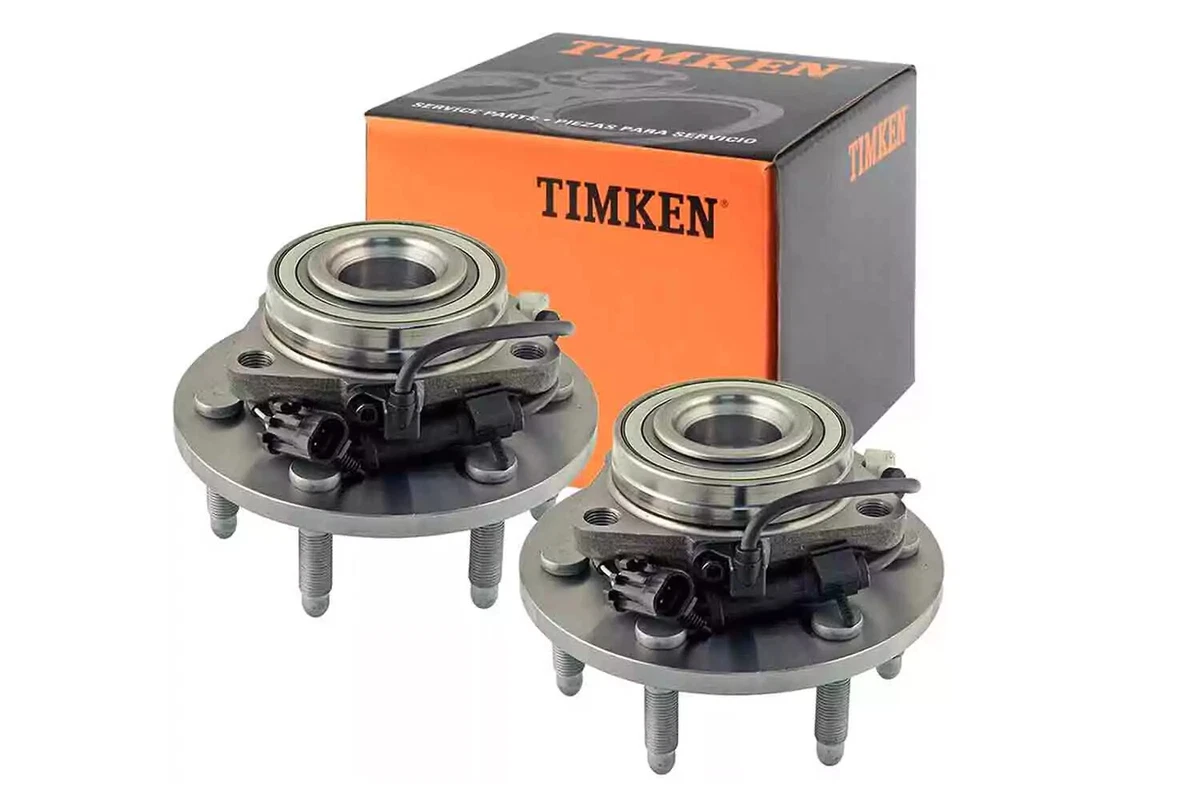
Stick with high-quality brands when buying aftermarket hub assemblies.
Choosing the best wheel bearings comes down to these factors:
Make, model, and year: The wheel bearings - opens in new window or tab. must be compatible with your vehicle. One wheel bearing might do the same job as another, but it won’t necessarily fit your vehicle. The safe bet is to choose the bearing type currently used by your vehicle.
OEM vs. aftermarket: Original equipment manufacturer (OEM) wheel bearings, which match the factory specifications, can be relatively expensive. There are plenty of high-quality aftermarket brands to choose from to keep the costs down.
Reputable brand: You want a high-quality brand, such as Centric - opens in new window or tab., Crown - opens in new window or tab., Detroit Axle - opens in new window or tab., Moog - opens in new window or tab., SKF - opens in new window or tab., and Timken - opens in new window or tab..
Check customer reviews and warranty terms to determine the best wheel bearing brand for your vehicle.
Type of Wheel Bearing
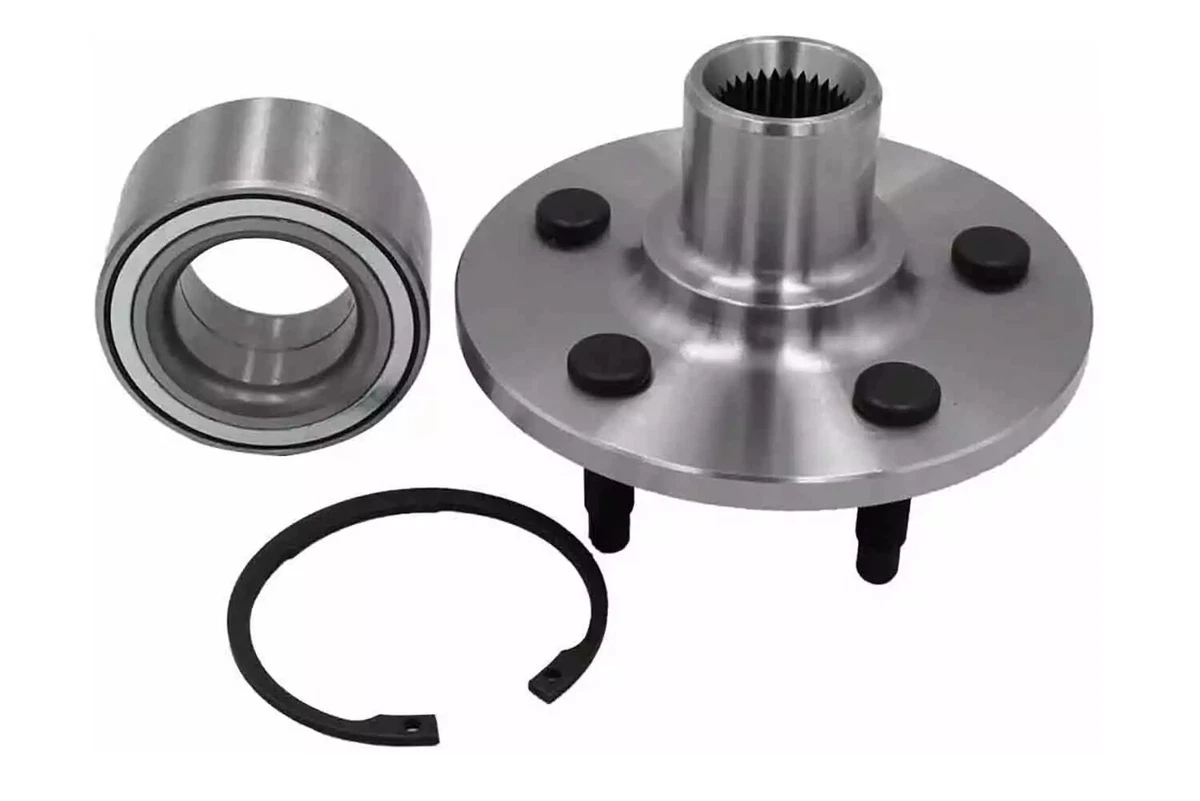
The MOOG 2002-2010 Ford Explorer rear wheel set consists of a separate rear hub and wheel bearing.
Today’s cars commonly use two different types of wheel bearings: roller bearings or ball bearings.
Roller bearings: Roller bearings are a series of small cylinders that are put into a tapered circular housing. These usually aren’t sealed, making them easy to service. The trick is that their design also creates an environment that is more prone to contamination. They balance being easier to service against needing more regular service. Roller bearings have an easier time handling heavy loads, so you often find them in SUVs and trucks.
Ball bearings: Ball bearings are tiny balls that have smaller contact points for better rolling and movement. These usually come sealed, so there’s no need to service them. Wheel bearings with an anti-lock braking system (ABS) tend to be sealed to protect them from dirt, moisture, and other contaminants. There’s no way to maintain these bearings, unlike lubricated bearings that need to have grease or oil applied regularly as part of the maintenance schedule.
Depending on your vehicle, you may need to replace the wheel bearing or the entire hub - opens in new window or tab.. Many vehicles use a wheel bearing and hub assembly - opens in new window or tab.. This is an integrated unit that combines the two parts. The wheel bearing assembly is pre-assembled, making installation easy. Just expect to pay more for a new part since you’re buying wheel bearing and hub together.
Also, be mindful that front wheel bearings can be different from rear wheel bearings even on the same vehicle. That can happen just because of the complex design of a vehicle or its integration of ABS.
How do you find a wheel bearing that fits your car?
To see all the brands of wheel bearings that are compatible with your vehicle, use the eBay Parts Finder - opens in new window or tab.. Enter your vehicle information (year, make, model, engine, and trim) to see what wheel bearings are designed to fit.
What to Spend on New Wheel Bearings
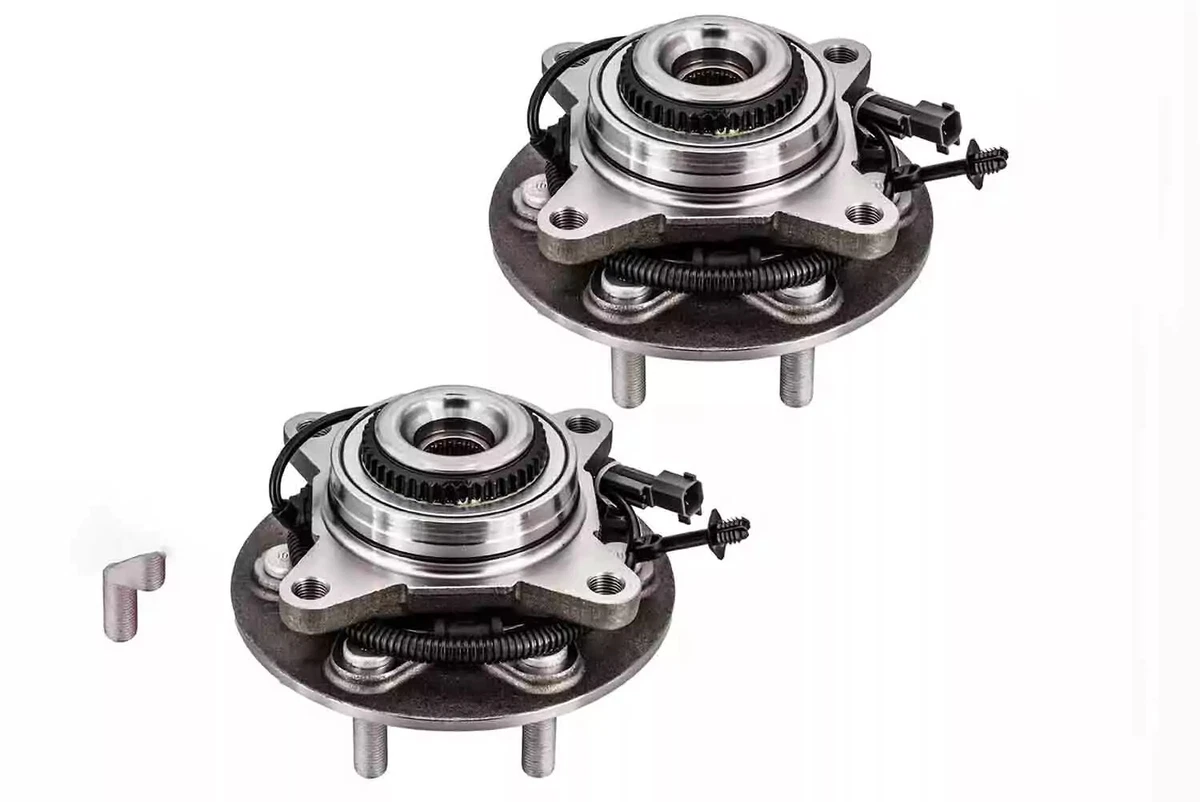
Detroit Axle’s hub assemblies are a solid value.
The cost to replace wheel bearings can be as low as $20 on some models. The cost for new wheel bearings, if they are sealed, may run around $100 to $150. That’s because you have to replace the hub as well.
How much are wheel bearings if the steering knuckle - opens in new window or tab. needs to be replaced along with them? These are more complicated replacements, so the price will rise accordingly. A new steering knuckle can range from $150 to $500.
Related Parts and Accessories
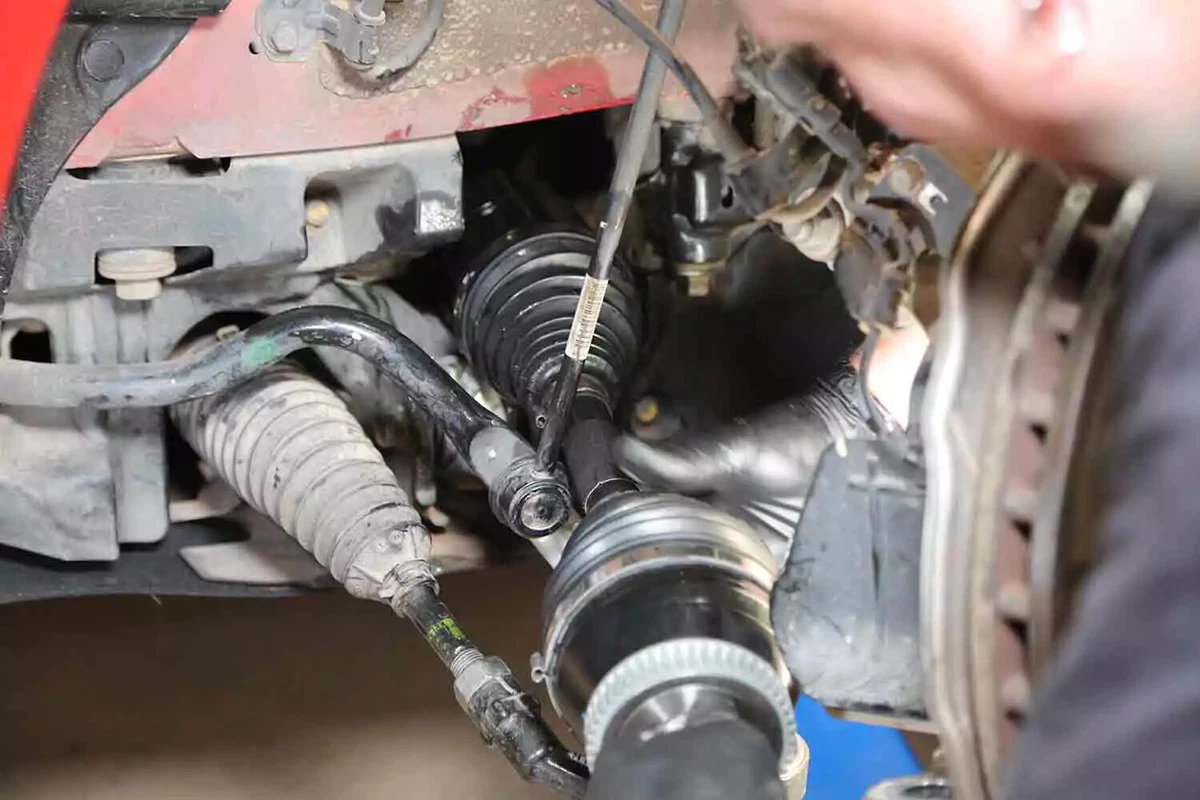
Driving with a bad wheel bearing can cause premature wear on the CV axle.
Working on bearings requires tools you don’t use in any other kind of repair. There are bearing pullers for getting the bearing out, and there are bearing presses to get the new one in. You want to look at how to pull wheel bearings based on the type you are using. This isn’t a concern with sealed bearings that come integrated into the hub. Again, you replace those as a unit.
Maintaining your existing wheel bearings is a simpler job. It requires removing the wheel bearing, cleaning the bearings, and re-packing them with grease, or making sure they are lubricated with oil. Depending on the configuration, the best grease for wheel bearings - opens in new window or tab. may be from Lucas or Timken.
At the same time you’re inspecting your wheel bearings for play, you want to inspect the CV joints and axles - opens in new window or tab., if your vehicle has them. A bad wheel bearing can throw the wheel out of alignment, damaging those other parts. Conversely, if those other parts go bad, they can throw your wheel out of alignment and damage your wheel bearing. Take stock of all these joints at once. It may be time to replace them if you notice any wear. Additionally, carefully inspect the suspension - opens in new window or tab.. If there are worn parts, they’ll put additional stress on the wheel bearings, leading to premature wear.
Because you have to remove the brakes as part of the process of replacing a wheel bearing, it’s also a good time to check the brake pads and rotors - opens in new window or tab.. Replace them now if there’s any sign of wear.
You may also consider a wheel alignment after replacing the wheel bearings, particularly if you need to swap out any suspension components.
About the author

Share your feedback
This article is meant to provide general guidance only. Automotive maintenance, repair, upgrade, and installation may depend on vehicle-specifics such as make and model. Always consult your owner's manual, repair guide for specific information for your particular vehicle and consider a licensed auto-care professional's help as well, particularly for advance repairs.
Shop project essentials
Recommended for you
Find answers and inspiration

Understanding the Purpose of Transmission Mounts
5 min read
Buying the Right Transmission Fluid and Filter
4 min read
How to Replace Transfer Case Fluid
5 min read
How to Calculate Gear Ratio

Why Everybody Hates a CVT Gearbox But You Shouldn't

Driveline Basics: What Is a Balanced Driveshaft?

How to Buy the Right Differential Fluid
4 min read
Buying the Right Transmission Mounts
4 min read
Car Fuses and Fuse Boxes: Types, Amps, Wiring and Circuits

An Intro to Replacing Clutch Fluid
5 min read
Deciding to Buy Original or Aftermarket Auto Parts: Quality and Selection

What to Check and What to Replace at 100,000 Miles
4 min read
Choosing the Best Clutch Master Cylinder
4 min read
Deciding to Buy Original or Aftermarket Auto Parts: The Basics

How to Replace Ball Joints
12 min read
Picking the Right Manual Transmission Fluid
4 min read
An Intro to Replacing Manual Transmission Fluid
4 min read
Buying the Right CV Axle
6 min read
How to Buy the Right Transmission Fluid
5 min read
7 Steps for Successful Springtime Car Prep

Taking Your Car to the Track: The Ultimate Guide

Squeaks, Clangs and Rattles: Car Noises That Need Attention

How To Check and Change Transmission Fluid

An Introduction to CV Axles and Joints
5 min read
Online Videos Are a Game-Changer for DIY Car Repair

Types of U-Joints and When They Go Bad
6 min read
How to Replace a Clutch Master Cylinder
11 min read
Hisses, Whines, and Rattles: What Your Car Is Trying to Tell You

How to Replace a Transmission Mount
7 min read
A Quick Guide to Your Clutch Master Cylinder
5 min read
How to Change Manual Transmission Fluid
4 min read
How to Replace Transmission Fluid and Filter
11 min read
Choosing the Right Clutch Fluid
6 min read
How to Buy and Build a Gen-1 Coyote Ford Mustang
7 min read
How to Remove Rusted Nuts and Bolts

All-Wheel Drive vs. 4-Wheel Drive: What’s the Difference?

Aftermarket Clutch Kits: What You Need to Know

Everything You Need to Know About Wheel Bearings
7 min read
All About Cat-Back Exhaust Systems
6 min read
How to Replace a CV Axle
7 min read
Snowmobile Pre-Season Checklist

What to Know About Changing Transmission Fluid
6 min read
How to Pick the Right “Parts Car”

What Your Differential Fluid Is Telling You
5 min read
How To Replace Differential Fluid
8 min read
Replacing Your Transmission Fluid and Filter
5 min read
Is It Time for a New Shifter?

How to Replace Clutch Fluid
6 min read
How to Replace a U-Joint
14 min read
Adding Aftermarket Cruise Control Is Easier Than You Think

The Double Clutch Automatic Transmission Explained

U-Joint Buying Guide
4 min read
Understanding Cruise Control Choices

Deciding to Buy Original or Aftermarket Auto Parts: The Online Transaction

How to Change Differential Fluid

How to Replace Wheel Bearings
7 min read
Winter Car Prep: 5 Essential Articles

How to Change Automatic Transmission Fluid
6 min read
What Is a Dual Overhead Camshaft (DOHC) Engine?

How to Replace an Idler Pulley
4 min read
Selecting the Right Transfer Case Fluid
4 min read
What You Need To Know About Transfer Case Fluid
4 min read