If your radiator - opens in new window or tab. is dented, blocked, clogged, or leaking, your engine might overheat. By that point, you may have already done damage to your engine. The key to fixing your radiator is understanding how it works, what could go wrong, and how to replace it.
See our step-by-step video and article - opens in new window or tab. about how to replace your radiator. And check out our radiator buying guide - opens in new window or tab..
What you’ll need

What a Car Radiator Does

Water-based radiators date back to the 1890s. They were built with copper and brass.
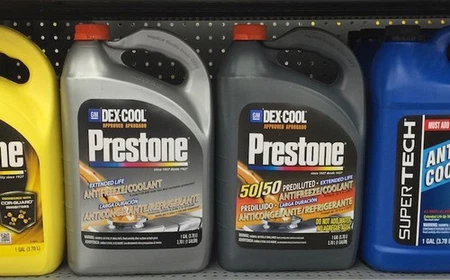
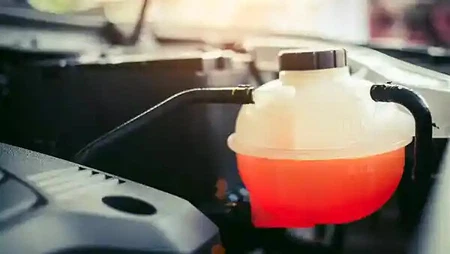
Unless you’re driving an air-cooled vehicle, your ride uses coolant (or anti-freeze) to regulate engine temperature. However, the coolant needs a radiator to do its job. Coolant passes through your engine, lowering the engine temperature and cycling back through the radiator to cool down.
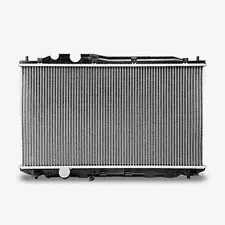
The radiator - opens in new window or tab. is a heat exchanger: air flows through the radiator and passes row after row of cooling fins. In between all the rows of fins are tiny passageways for coolant. As the coolant flows through the radiator, the radiator draws heat out of the coolant and lowers its temperature. Good radiator design provides as much surface area as possible for the coolant to cool down with as little space as possible. That’s why radiators have so many little fins and rows.
That’s a simplified description of the cooling system - opens in new window or tab.. Your car also has a fan and a thermostat, which controls how much work the radiator is doing to keep the coolant at the ideal temperature. When you look under the hood of a modern car, you’ll see lots of things that look like a radiator. There’s an air conditioning condenser, maybe an oil cooler, and possibly an intercooler - opens in new window or tab. if there’s a turbocharger. If you drive a truck, there could also be a transmission oil cooler. The Bugatti Veyron, which needs to manage the heat of a 16-cylinder engine four times the size of a modern economy car’s engine, has more radiators - opens in new window or tab. than a Victorian home.
These coolers all work on the same principle, passing air over cooling fins to bring down the temperature of the fluid inside. If your radiator isn’t working correctly, heat from the engine will not transfer out of the coolant. Instead, it will travel back to the engine compartment at a relatively high temperature, resulting in overheating and other problems.
When to Replace Your Radiator
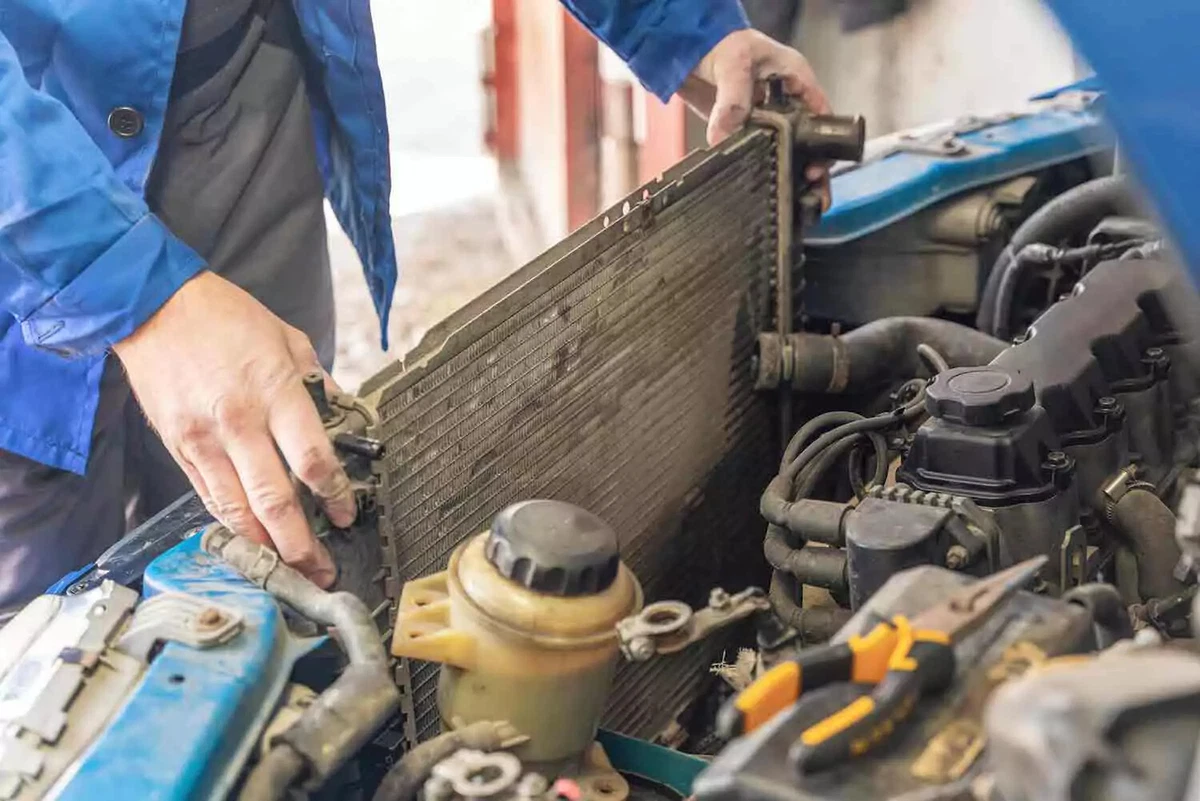
Removing a radiator is a straightforward task. Disconnect the hoses, remove the bolts, and out it goes.
You can usually count on a car’s radiator to last between eight and 10 years. You should flush your coolant every 30,000 to 50,000 miles to keep your radiator in good shape.
There’s not much that wears out in a radiator. It’s everything else in and around the radiator that makes it go bad.
- Rocks from the road can dent or put holes in your radiator.
- Old coolant can corrode the radiator from the inside out.
- Dirt that gets into the coolant can clog the tubes within the radiator.
- Heat cycles and extreme temperatures can cause leaks.
The metal of the radiator expands and contracts with hot and cold temperatures. Over time, this affects the small fins and tubes within it and cause them to break down.
Knowing Your Radiator Has Gone Bad
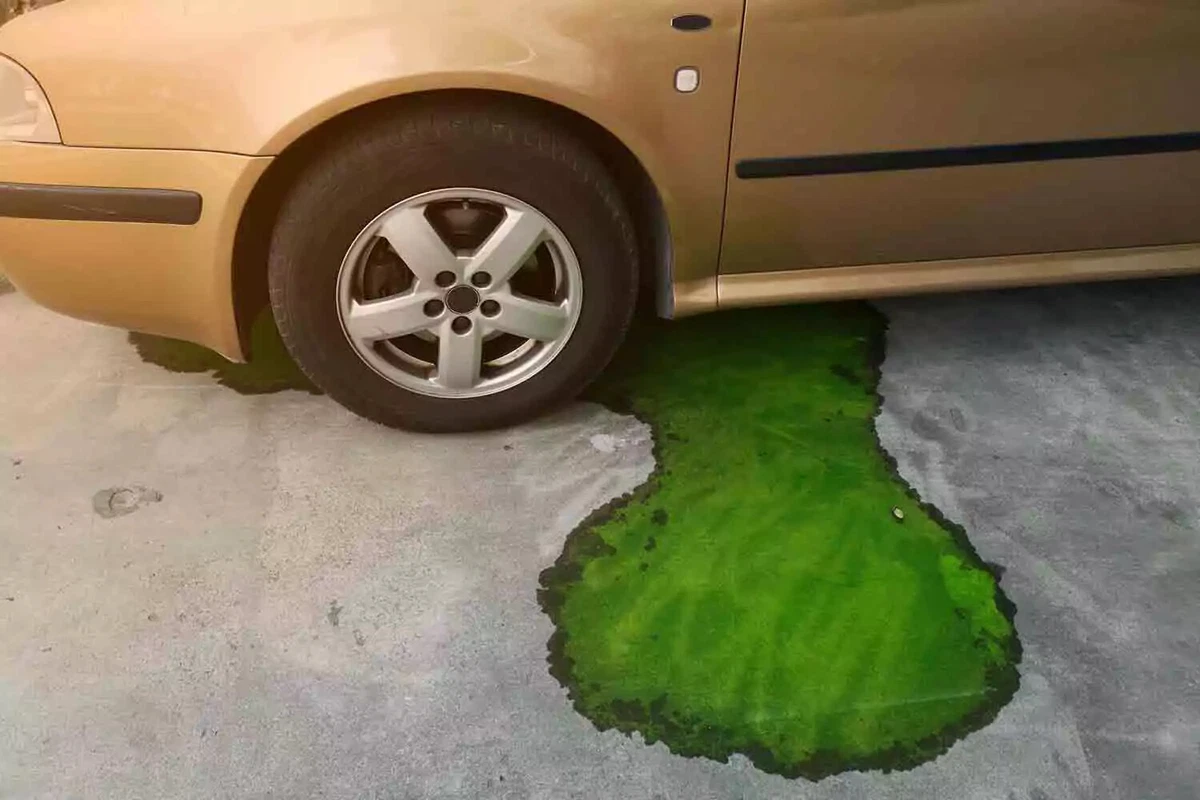
If there’s a green, orange, yellow, or red puddle underneath the front of your car, it’s probably leaking coolant.
The most common sign of a bad car radiator is the engine overheating. You might first catch the sweet smell of leaking and burning coolant. Then, you might see steam or smoke coming from the hood. Before things get that bad, there are warning signs—such as the engine running hotter than normal.
We suggest starting with a visual inspection of the radiator. Look for leaves or other debris that might block airflow. Removing these exterior blockages is an easy fix.
Check for signs of rust or corrosion. If you notice rust on the radiator’s exterior, there is probably rust inside as well. Look for white powder on the radiator. That’s dried coolant. It means the radiator is leaking somewhere.
You can also check the coolant for sludge or debris. If you see that the coolant is dirty, it might be time to replace the radiator or try flushing the radiator and adding new coolant. Also, verify that the thermostat and radiator fan are working correctly before blaming the radiator.
Replacing a Car Radiator
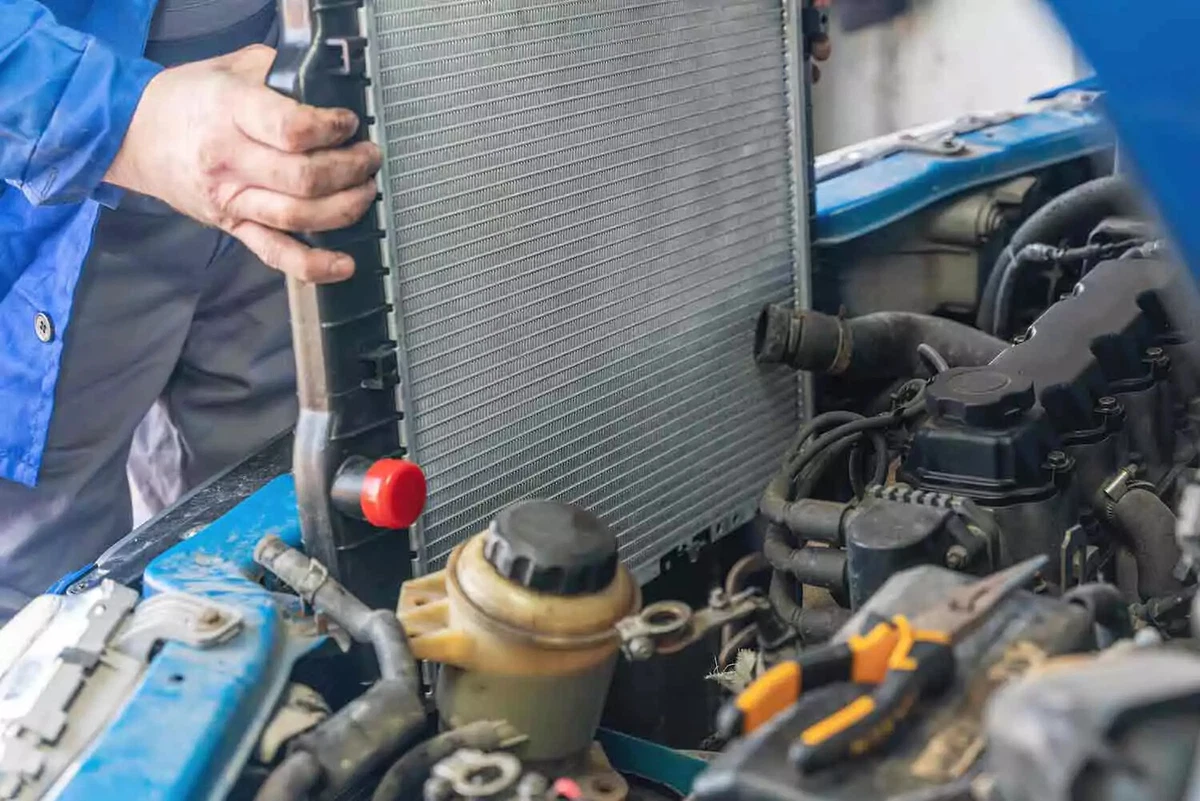
To avoid denting the fins, go slow when installing the new radiator.
You can replace a car radiator in less than two hours. See our how-to guide with detailed steps and video - opens in new window or tab.. Every car has things mounted in slightly different places, but the methodology for replacing a radiator is roughly the same.
After the vehicle cools down and the negative battery terminal is disconnected, find the radiator’s drain plug. Drain it into a pan, disconnect all radiator hoses - opens in new window or tab. and the fan, then undo the mounting bolts to lift the radiator out of the car.
How much should you spend to replace a radiator?
A radiator for a common commuter car runs around $100, maybe up to $200, depending on the brand. Also, keep in mind that you also need to replace the coolant when you replace the radiator. New coolant usually costs between $10 and $30 a gallon.
If you take your car to a shop to have the job done for you, you can expect to pay between $100 and $300 in labor. Flushing coolant, which is part of the job, isn’t difficult, but it takes time. At a shop, that’s expensive.
See step-by-step instructions and a video about how to flush and change engine coolant - opens in new window or tab..
About the author

Share your feedback
This article is meant to provide general guidance only. Automotive maintenance, repair, upgrade, and installation may depend on vehicle-specifics such as make and model. Always consult your owner's manual, repair guide for specific information for your particular vehicle and consider a licensed auto-care professional's help as well, particularly for advance repairs.
Shop project essentials
Recommended for you
Find answers and inspiration
How to Buy the Right Heater Core
5 min read
Everything You Need to Know About Antifreeze
Keep It Cool with the Right Type of Antifreeze

Everything You Need to Know About Car Thermostats
6 min read
5 Quick Steps to Prevent Cold-Weather Breakdowns

How to Replace a Heater Core
12 min read
What to Consider When Buying a Radiator Hose
5 min read
Tips and Tricks to Manage Engine Heat

How to Replace a Radiator Hose
5 min read
Everything You Need to Know About Radiator Hoses
6 min read
Before Winter Strikes, Make Sure Your Car Heater Is Working

Deciding to Buy Original or Aftermarket Auto Parts: Quality and Selection

How to Find the Right Radiator For Your Vehicle
6 min read
What to Check and What to Replace at 100,000 Miles
4 min read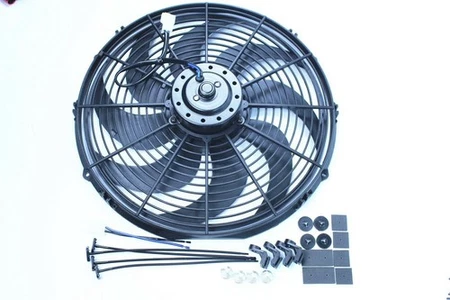
Radiator Fans and Shrouds: The Basics of Air Flow

How to Pick the Right “Parts Car”
The Essentials of Engine Coolant
5 min read
Buying the Right Water Pump for Your Car
5 min read
How To Buy New Old Stock (NOS) Parts on eBay

Engine Coolant Temperature Sensor Guide
Selecting the Right Coolant for the Next Flush
5 min read
Identifying Common Engine Leaks

Car Radiators 101: How Do They Work?

How to Replace a Car Radiator
8 min read
Deciding to Buy Original or Aftermarket Auto Parts: The Basics

4 Types of Water Pumps

How to Flush and Change Engine Coolant
6 min read
Why an Engine Overheats and How to Fix It

Deciding to Buy Original or Aftermarket Auto Parts: The Online Transaction

Symptoms and Fixes for a Bad Thermostat

Taking Your Car to the Track: The Ultimate Guide

How to Change a Thermostat
7 min read
Radiator Upgrades for Reliability and Performance
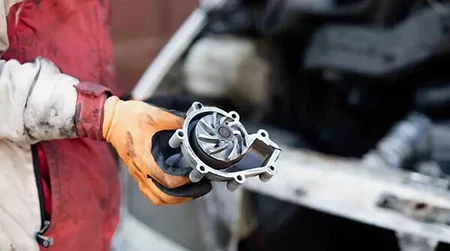
A Quick Guide to Your Car's Water Pump
6 min read
Online Videos Are a Game-Changer for DIY Car Repair

How to Choose a Thermostat for Your Vehicle
5 min read
How Intercoolers Work, And Why You Might Want One

Cabin Air Filter Replacement: Easy DIY

Diagnosing a Bad Heater Core
5 min read
BMW Water Injection: A New Spin on Old Hot Rod Trick

How to Change a Water Pump
8 min read
Top 5 Car-Cooling Hacks When Your Car Lacks AC
5 min read