Replacing your thermostat - opens in new window or tab. is an intermediate-level DIY job. It takes less than an hour. eBay Motors has a complete guide on how to change a thermostat - opens in new window or tab. with step-by-step instructions that you should read before tackling the job.
When it’s time to buy a new car thermostat, - opens in new window or tab. use the eBay Parts Finder - opens in new window or tab. tool. Enter your year, make, model, engine, and trim. Then, search for thermostats designed to fit your vehicle.
What you’ll need

How Thermostats Work
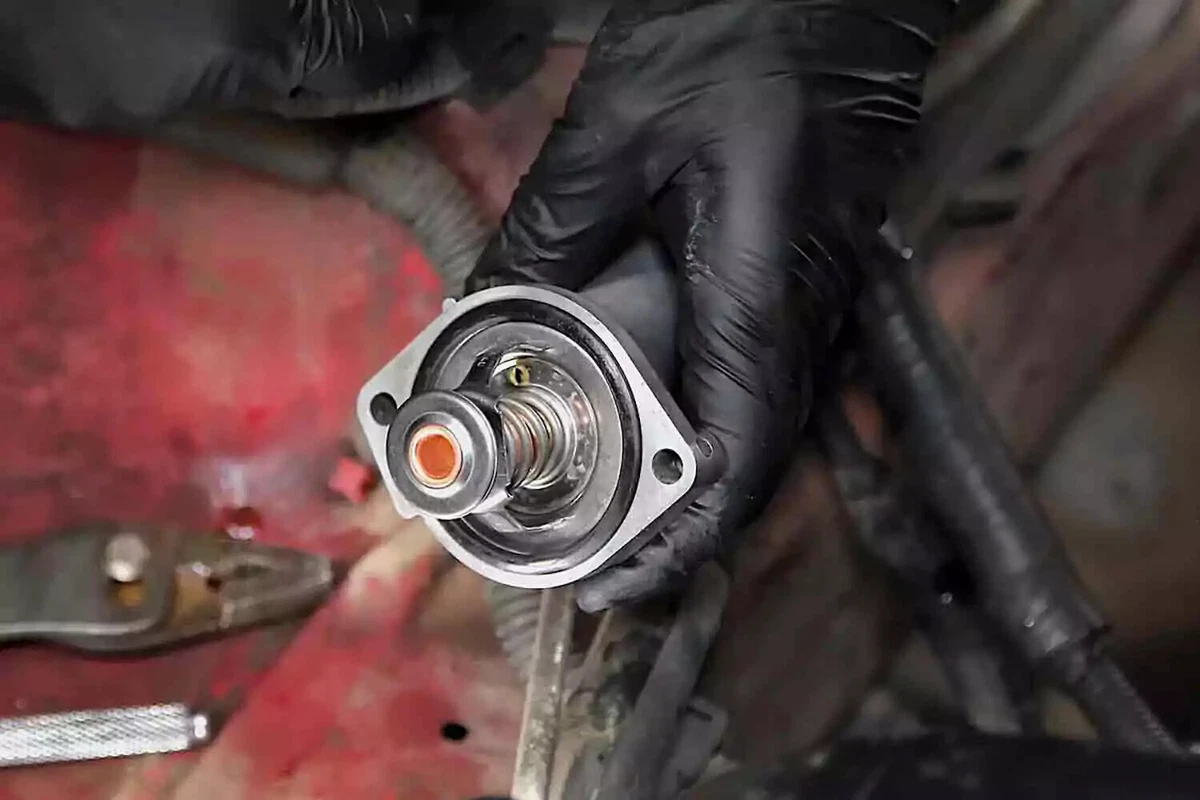
A brand new thermostat is a relatively inexpensive investment in your vehicle’s reliability.
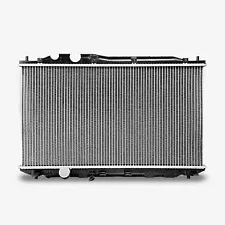
All water-cooled modern vehicles have the same basic coolant system - opens in new window or tab.. A water pump pushes coolant - opens in new window or tab. through the engine, where it heats up, and then through the radiator - opens in new window or tab., where it cools down, and back again in a cycle. If the engine starts to get hot, the radiator fan kicks on to draw more air through the radiator.
But how does a car know it’s getting hot? How does it know how much coolant to move through the system? That’s the job of the thermostat.
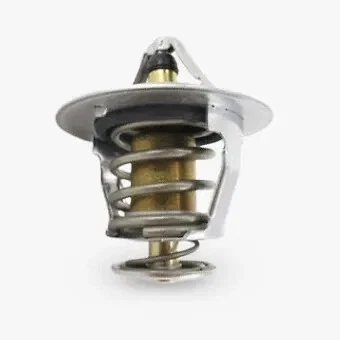
The thermostat uses a small cylinder or pellet of wax that begins to melt at a precise temperature. As the wax melts, it expands and pushes on a rod that opens the flow of coolant through the thermostat. When the thermostat is open, hot coolant can flow from the engine to the radiator to be cooled.
How Long a Thermostat Lasts
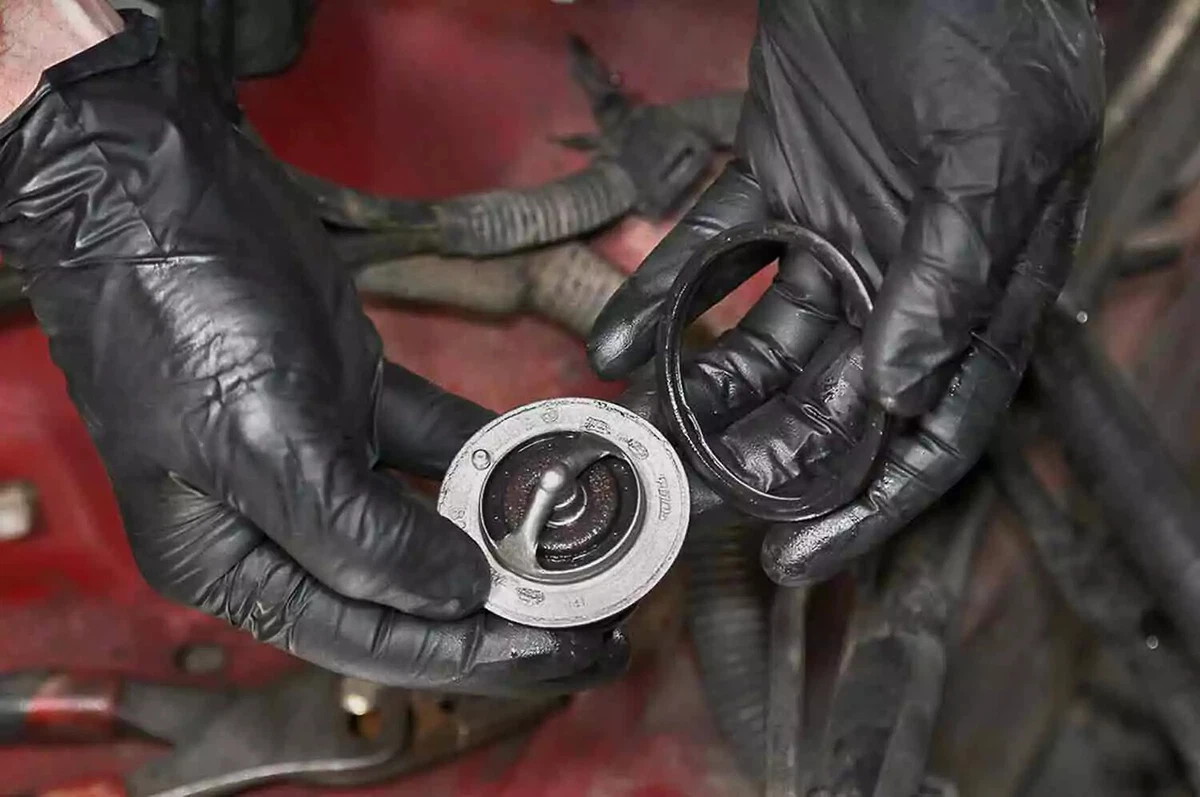
Replacing a thermostat typically includes swapping in a new gasket.
Most manufacturers recommend replacing the thermostat roughly every five years or 60,000 miles. Typically, it follows the same schedule as changing the coolant.
That said, we recommend replacing a thermostat ahead of schedule to prevent problems. Thermostats are so inexpensive and easy to replace that it’s convenient to tack the task onto another repair. For example, maybe you’re replacing the upper radiator hose or changing a water pump. You might as well replace the thermostat, too. It’s inexpensive insurance against future problems.
Symptoms of a Bad Car Thermostat
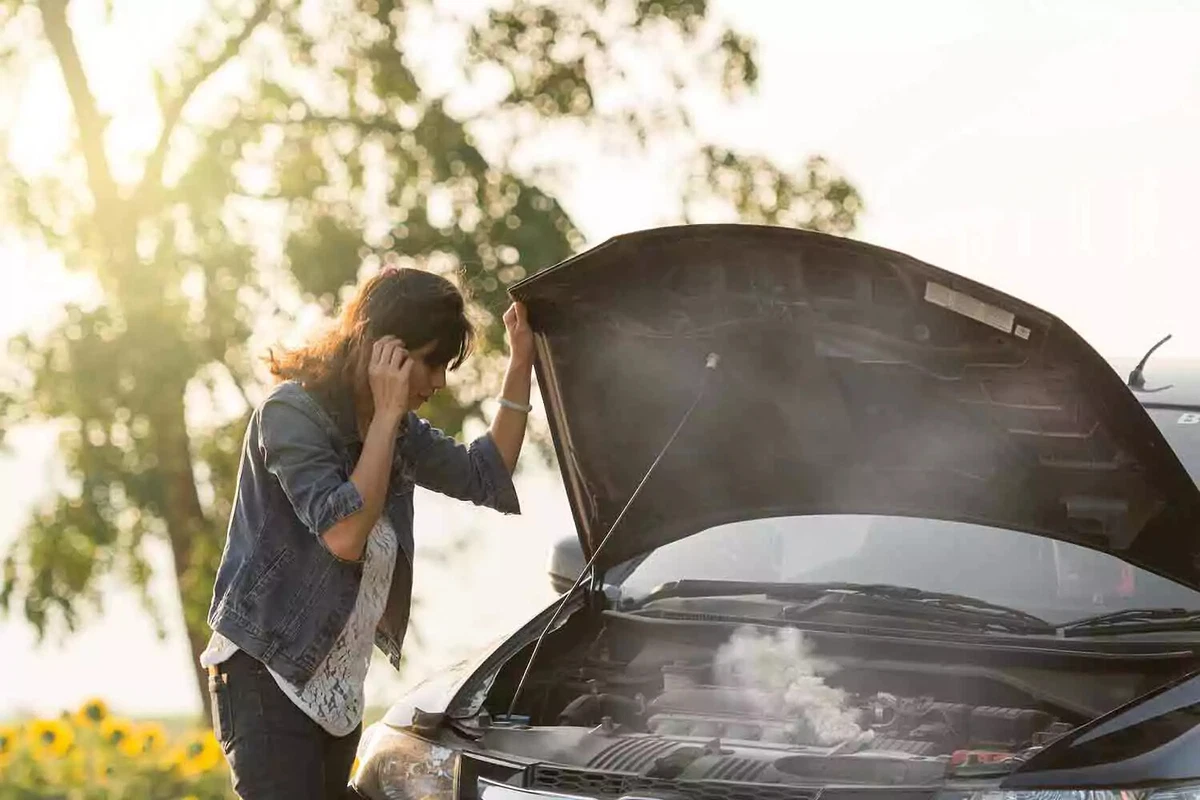
Signs of problems with your radiator can be detected way before you have a steaming radiator.
You might notice that the temperature gauge on your dashboard fluctuates up and down. That could be evidence of an air bubble moving through the cooling system. But more often this happens when the thermostat has failed while open. This allows coolant to flow to the radiator, even when the engine is cool.
Another sign of a bad car thermostat is the inability to get warm air from the heater. Coolant from the engine also creates the heat to warm the car’s cabin. If the coolant doesn’t get warm, neither can you. Again, this is a case where the thermostat has failed in the open position.
In many cars, you may get a check engine light that indicates a coolant temperature issue. Using a OBDII code reader, you may retrieve a code like P0125 or P0128. That indicates the coolant is too cool or too warm based on how sensors are reading the temperatures.
In other cases, you may find that coolant is leaking from the water neck or thermostat housing. This is often a symptom of a failed thermostat gasket or seal. A new replacement gasket is usually packaged with the purchase of a new thermostat.
Often, replacing a thermostat only requires removing a few bolts where the water neck bolts to the thermostat housing near the top of the engine, as well as pulling the upper radiator hose.
The job might be slightly more complicated if the thermostat is located lower in the engine bay. Other components can obscure it.
See our complete step-by-step guide and video to replacing a thermostat - opens in new window or tab..
How much should you spend on a car thermostat replacement?
In most cases, expect to pay less than about $15 for a vehicle thermostat. Some newer vehicles have the thermostat integrated into other components that must be replaced at the same time, such as a water housing inlet or outlet. In these cases, the part can cost between $30 and $100.
Consider the critical nature of your vehicle’s thermostat and the expensive repairs necessary if it fails. Replacing the thermostat in a timely fashion makes sense.
What Else To Replace When You Change Your Thermostat
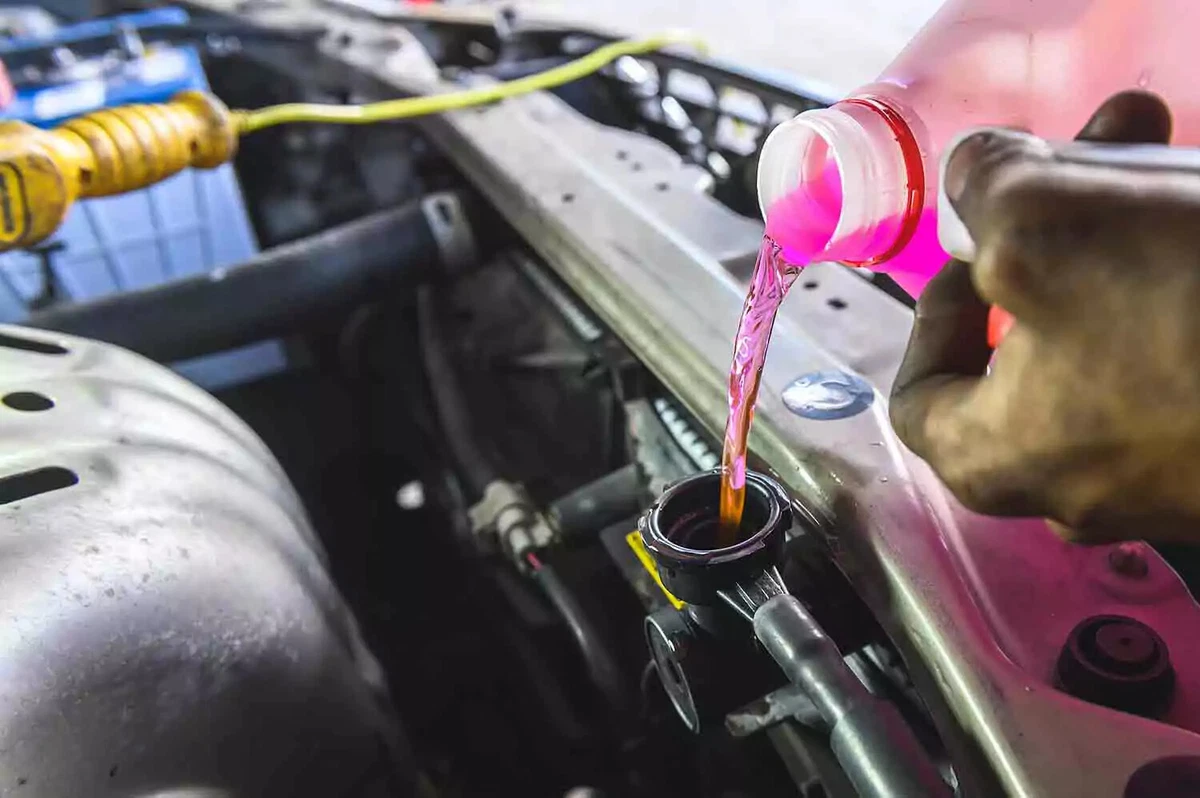
Have a jug of the proper coolant on hand when replacing your car’s thermostat.
Most thermostats are packaged with a new seal or gasket for the thermostat housing and water neck. Don’t neglect to replace that seal or gasket when changing the thermostat. It’s right there in the box.
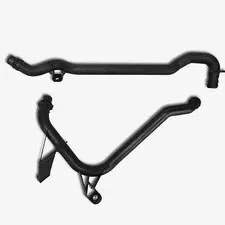
Take a good look at your radiator hoses - opens in new window or tab. when you’re changing your thermostat. If they are soft, mushy, or brittle, it’s a good time to replace them - opens in new window or tab.. You have probably already removed the upper radiator hose to access the thermostat.
In many cars, the timing belt for the engine’s valvetrain is near the coolant hoses. It’s easy to inspect the belt and hoses at the same time. If one of those hoses leaks coolant on the belt, it can drastically shorten the life of the belt. If the timing belt breaks, it could potentially destroy your engine. Replacing the timing belt is an advanced DIY job. See our guide and video - opens in new window or tab. before embarking upon that project.
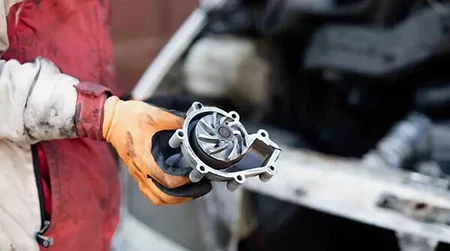
Another related job is the water pump, which is driven by the engine and moves coolant through the radiator hoses, radiator, and engine. If the water pump fails, the engine can quickly overheat. Changing the water pump - opens in new window or tab. often requires removal of the timing belt, so those two jobs are often interlinked.
About the author

Share your feedback
This article is meant to provide general guidance only. Automotive maintenance, repair, upgrade, and installation may depend on vehicle-specifics such as make and model. Always consult your owner's manual, repair guide for specific information for your particular vehicle and consider a licensed auto-care professional's help as well, particularly for advance repairs.
Shop project essentials
Recommended for you
Find answers and inspiration
How to Buy the Right Heater Core
5 min read
Everything You Need to Know About Antifreeze
Keep It Cool with the Right Type of Antifreeze

5 Quick Steps to Prevent Cold-Weather Breakdowns
What You Should Know About Your Car Radiator
6 min read
How to Replace a Heater Core
12 min read
What to Consider When Buying a Radiator Hose
5 min read
Tips and Tricks to Manage Engine Heat

How to Replace a Radiator Hose
5 min read
Everything You Need to Know About Radiator Hoses
6 min read
Before Winter Strikes, Make Sure Your Car Heater Is Working

Deciding to Buy Original or Aftermarket Auto Parts: Quality and Selection

How to Find the Right Radiator For Your Vehicle
6 min read
What to Check and What to Replace at 100,000 Miles
4 min read
Radiator Fans and Shrouds: The Basics of Air Flow
How to Pick the Right “Parts Car”
The Essentials of Engine Coolant
5 min read
Buying the Right Water Pump for Your Car
5 min read
How To Buy New Old Stock (NOS) Parts on eBay

Engine Coolant Temperature Sensor Guide
Selecting the Right Coolant for the Next Flush
5 min read
Identifying Common Engine Leaks

Car Radiators 101: How Do They Work?

How to Replace a Car Radiator
8 min read
Deciding to Buy Original or Aftermarket Auto Parts: The Basics

4 Types of Water Pumps

How to Flush and Change Engine Coolant
6 min read
Why an Engine Overheats and How to Fix It

Deciding to Buy Original or Aftermarket Auto Parts: The Online Transaction

Symptoms and Fixes for a Bad Thermostat

Taking Your Car to the Track: The Ultimate Guide

How to Change a Thermostat
7 min read
Radiator Upgrades for Reliability and Performance
A Quick Guide to Your Car's Water Pump
6 min read
Online Videos Are a Game-Changer for DIY Car Repair

How to Choose a Thermostat for Your Vehicle
5 min read
How Intercoolers Work, And Why You Might Want One

Diagnosing a Bad Heater Core
5 min read
Cabin Air Filter Replacement: Easy DIY

How to Change a Water Pump
8 min read
BMW Water Injection: A New Spin on Old Hot Rod Trick

Top 5 Car-Cooling Hacks When Your Car Lacks AC
5 min read