The tie rod end - opens in new window or tab. is a crucial part of your steering system linkage. Worn tie rod ends can cause potentially dangerous steering problems, and a broken tie rod end can result in total loss of road control.
What you’ll need


The Critical Job of Tie Rod Ends
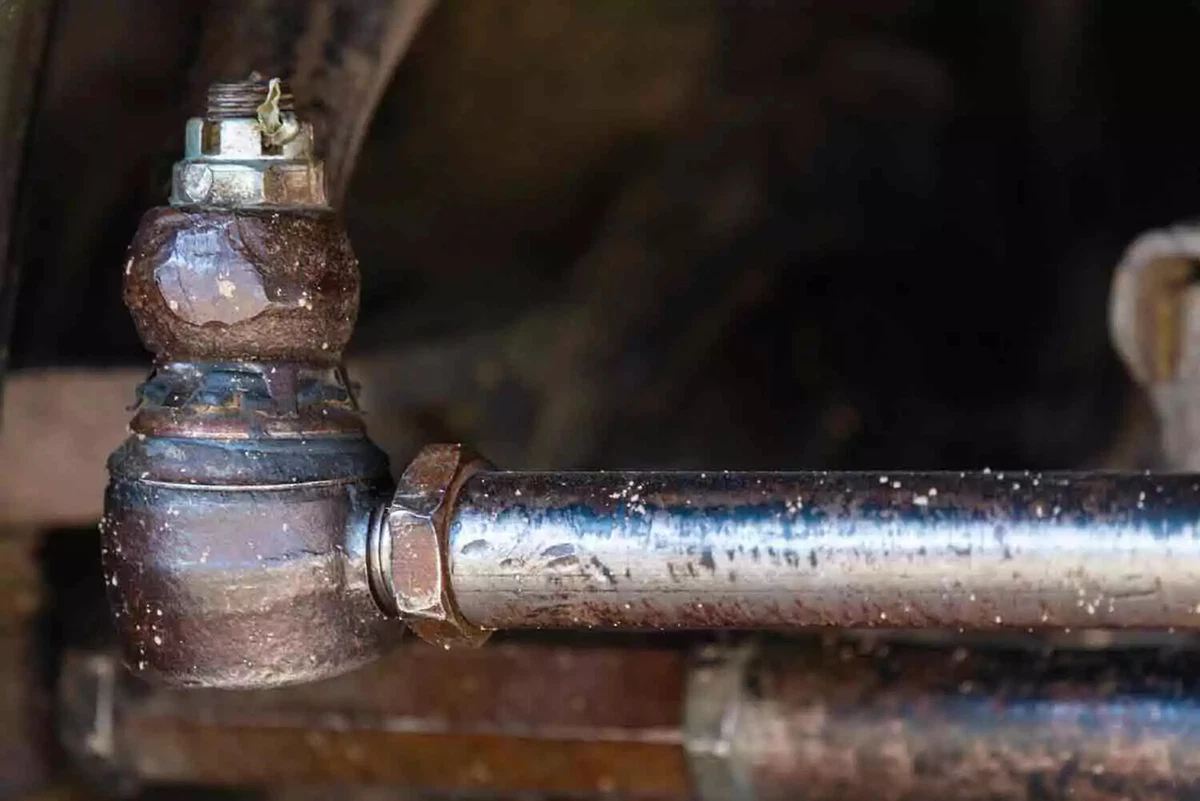
This pickup truck tie rod end has seen years of service.
The tie rod end uses a ball-and-socket joint modeled after the ones in our hips and shoulders. Two threaded tie rod ends connected by an adjustable threaded shaft make up a tie rod assembly, also known as a tie rod - opens in new window or tab.. The left and right tie rods connect the steering rack or idler arm - opens in new window or tab. to the steering knuckles on the front wheels. The tie rod end ball-and-socket joints allow for rotational movement in a fixed plane. Turning the steering wheel left and right moves the front wheels together in equal measure.
Adjusting wheel toe alignment is another important function of the tie rod assemblies. Imagine your feet are the front wheels. Turning them towards each other is toe in. Turning them away is toe out. Rotating the tie rod sleeve or turning the adjusting bolt changes the length of the tie rods. Making the tie rods shorter pulls your wheels together for toe in and vice versa.
As the tie rod ends wear out, the spherical ball stud gets loose in the socket. This play or slop results in the tie rod assemblies getting shorter and longer and changing your wheel alignment while you drive. Wheel toe is measured in fractions of an inch. A small amount of play across four tie rod ends can add to big steering issues.
Symptoms and Signs of Bad Tie Rod Ends

When your vehicle’s steering feels loose, it may be due to worn tie rod ends.
Excessive steering wheel play, constant course corrections while driving, vibration, unusual tire edge wear, and clunking noises are common symptoms of worn tie rod ends. Unstable steering and unpredictable handling make worn tie rod ends unsafe and potentially dangerous.
The ball stud gets looser every time it rattles around inside the socket, increasing the risk of tie rod failure and total loss of control. Replace worn tie-rod ends as soon as possible. Do not drive with a broken tie-rod end.
How long do tie rod ends last?
Tie rod ends should generally last 80,000 to 100,000 miles under normal driving conditions. Harsh road conditions, towing and hauling, bigger wheels and tires, or adventuring off-road can accelerate wear.
Because of their forward location and proximity to the road and its obstacles, outer tie rod ends can wear out before inners. Watch out for torn or missing grease boots. They let in dirt and grime that quickly ruins the ball and socket joint.
How to Tell If a Tie Rod End Is Bad

A sturdy set of jack stands are required to inspect your tie rod ends.
Checking for tie rod end wear is easy. You're looking and listening for any looseness between the ball and the socket. A little play might not seem like much, but it adds up to a lot over four ball-and-socket joints. Use either of these methods to inspect your steering system for tie rod end wear.
Two people and a wheel chock: If you can see the tie rods when looking up from below the vehicle, grab a buddy, park the vehicle on level pavement, set the parking brake, and put a wheel chock - opens in new window or tab. on one or both rear wheels. Get down on the ground and have your helper move the steering wheel left and right.
Because the vehicle's weight keeps the wheels and tires stationary, tie rod ball-and-socket slop is easy to see and hear. This method also works for checking sway bar end links and bushings. Don't use a pry bar or pliers to compress the ball and spring. You could see the same movement on a brand-new part.
One jack and two jack stands: Use the jack to raise both front tires off the ground, secure the vehicle on the stands, and set a wheel chock. Hold the tire at the 9 and 3 o'clock positions and rock the wheel side to side. Watch and listen for movement at the tie rod end ball and socket joints. Move the suspect tie rod towards the front and rear of the car by hand to confirm wear.
Is it easy to replace tie rod ends?
Check out our how to replace tie rod ends guide and video - opens in new window or tab.for complete step-by-step instructions. It also includes a look into the tools and skills required to swap out those sloppy tie rod ends. Removing and replacing tie rod ends is an intermediate-level DIY job. It depends on the vehicle's condition. Rusted and crusty tie rod ends can put up a fight.
Tie Rod End Replacement Cost Is Minimal

This steering rebuild kit for the 1963-1967 Chevrolet Nova includes inner and outer tie rods.
How much it costs to remove and replace tie rod ends depends on how many you need to replace and the type of car or truck you drive. Economy-grade aftermarket parts sell for as little as $10, and original equipment manufacturer (OEM) replacements can go for over $100. A tie rod assembly or kit with new inner and outer tie rod ends, adjustment sleeves, boots and hardware can save you time and money.
As for tools, a pickle fork - opens in new window or tab., sledge hammer, or front-end service tool kit - opens in new window or tab.can help break loose stubborn links. Since the tie rod length affects the wheel toe, factor in the cost of an alignment after you finish the job.
Dig into our Tie Rod Ends Buyer's Guide - opens in new window or tab. for more information. It breaks down the best stock replacement, heavy-duty, and high-performance tie-rod ends, as well as any other steering system parts you may need.
How do you maintain tie rod ends?
Inspect your steering and suspension at every oil and filter change. It’s easy, and a little grease in the ball joints and tie rod ends goes a long way. Steering system parts wear out together. Upper and lower ball joints and some sway bar end links also use ball-and-socket joints. Worn bushings or wheel bearings can cause similar steering problems and symptoms.
About the author

Share your feedback
This article is meant to provide general guidance only. Automotive maintenance, repair, upgrade, and installation may depend on vehicle-specifics such as make and model. Always consult your owner's manual, repair guide for specific information for your particular vehicle and consider a licensed auto-care professional's help as well, particularly for advance repairs.
Shop project essentials
Recommended for you
Find answers and inspiration

5 Common Car-Suspension Problems—and What to Do

Understanding Steering Gearboxes
5 min read
CV Axles and How to Replace Them

A Fix-it Guide for Understeer and Oversteer

How to Choose the Best Shock Absorbers
8 min read
Upgrade Your Steering Column
Reasons to Switch to a Performance Shock

Deciding to Buy Original or Aftermarket Auto Parts: Quality and Selection

Your Crossover Can Become an Overlanding Rig

What to Check and What to Replace at 100,000 Miles
4 min read
Power Steering Pump Problems and Solutions
5 min read
Choosing the Best Power Steering Pump
6 min read
How to Buy the Right Tie Rod Ends
6 min read
How to Replace Power Steering Fluid
8 min read
Deciding to Buy Original or Aftermarket Auto Parts: The Basics

Installing a Leveling Kit Will Raise Your Truck's Front End
Tax Refund Idea: Add an Air Bag Suspension to Your Ride
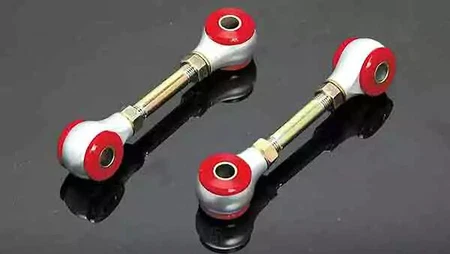
How to Buy the Right Sway Bar Links and Bushings
6 min read
Electric Power Steering Conversion: A Definitive Guide
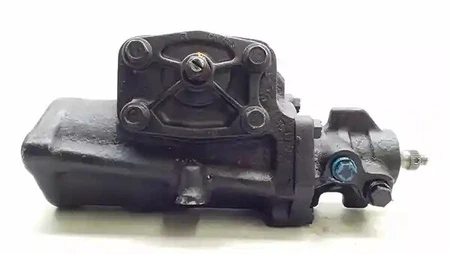
How to Buy the Right Steering Gearbox
5 min read
How to Warm Up Your Steering Wheel

What Is Your Steering Wheel Telling You?

Taking Your Car to the Track: The Ultimate Guide

Squeaks, Clangs and Rattles: Car Noises That Need Attention

Why Idler Arms Are So Critical
6 min read
Car Lube Jobs Explained
4 min read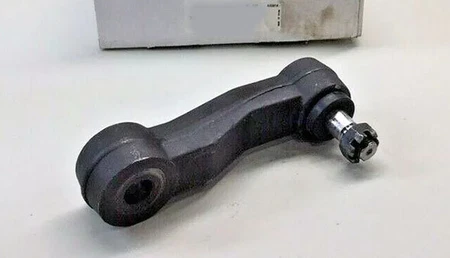
How to Buy the Right Idler Arm
6 min read
Online Videos Are a Game-Changer for DIY Car Repair
How Rack-and-Pinion Steering Works

Toyota Pickup Accessories and Upgrades: A to Z

Choosing the Right Power Steering Fluid
4 min read
Understanding Sway Bar Links
6 min read
How to Replace Sway Bar End Links and Bushings
6 min read
Hisses, Whines, and Rattles: What Your Car Is Trying to Tell You

How to Replace a Power Steering Pump
7 min read
Why Is Your Car Shaking and Vibrating?

An Intro to Flushing Your Power Steering Fluid
5 min read
What Makes a Vehicle Capable for Off-Road?

Shock Absorbers 101
8 min read
Steering Wheel Shaking? Find Out Why
How to Replace a Steering Gearbox
8 min read
How Do Torsion Bars Work?

Any Car Can Be Turned Into a Pickup, Right?

New Suspension Bushings Can Improve Handling

How to Remove Rusted Nuts and Bolts

How to Buy the Right 1970-74 Barracuda Trim Parts
4 min read
The Essential Role of Sway Bars

What You Should Know About Power Steering Pumps
5 min read
How to Pick the Right “Parts Car”

How to Customize Your Car for the Best Resale Value

How to Replace Shock Absorbers
8 min read
Why It’s Smart to Buy a Suspension Kit (Rather than Parts)

How To Buy New Old Stock (NOS) Parts on eBay

4 Ways to Upgrade or Mod Your Suspension

How to Buy the Right Ball Joint for Your Vehicle
7 min read
Aftermarket Steering Wheels: For Style and Control

How to Replace an Idler Arm
5 min read
Power Steering Fluid: Selection, Maintenance, and Changing
What to Do When Wheel Bearings Fail

How to Diagnose a Failing Ball Joint
7 min read
Deciding to Buy Original or Aftermarket Auto Parts: The Online Transaction

How to Improve Steering Response from a Classic Muscle Car
Sway Bars Are An Easy Upgrade To Improve Handling

How to Replace Tie Rod Ends
7 min read
A Quick Guide to Car Coilovers

What Is a Tie Rod?