Brake calipers - opens in new window or tab. are an integral part of a vehicle’s disc braking system. The calipers transfer brake pressure via one or more pistons, pushing brake pads - opens in new window or tab. against the brake rotor - opens in new window or tab.. This makes the vehicle slow down and stop. Think of the brake caliper as the heart of a modern vehicle’s braking system.
The use of a caliper to slow a brake rotor has been around since the 1900s. However, it gained wide interest in the early 1950s when a Jaguar fitted with long-lasting disc brakes won the 24 Hours of Le Mans in 1953. Sports cars increased demand for disc brakes, and by the 1970s, most cars had disc brakes with calipers (at least, in the front).
The brake disc (or rotor) is attached to the vehicle’s axle. The caliper hovers over the rotor and houses the brake pads and at least one piston. The piston resides within a cylinder and is activated by hydraulic brake pressure. When the brake pedal is engaged, the increased hydraulic pressure causes the piston to move and push the brake pad against the rotor, slowing the vehicle.
See our detailed step-by-step guide and video about how to replace your brake calipers - opens in new window or tab.. And check out our brake caliper buying guide - opens in new window or tab..
What you’ll need


Three Types of Brake Calipers

Floating: A floating caliper moves with the disc. The brake pistons are only on one side of the caliper. With this design, debris can catch in the mounting brackets, causing the brake pads to engage the disc at an angle rather than directly. Floating calipers typically are lighter weight with fewer pistons. This makes them easier and cheaper to manufacture.
Fixed: A fixed caliper does not move in relation to the brake disc. Therefore it is less tolerant of alignment issues. There are brake pistons on both sides of the caliper. Usually, a fixed brake caliper with multiple pistons offers the most consistent braking performance but it’s often heavier and more expensive.
Swinging: An uncommon brake caliper setup is a swinging (or sliding) design that uses pivoting bolts to mount the unit. When engaged, a swinging caliper rotates inward, requiring a unique wedge-shaped brake pad.
How Calipers Are Sold

This brake caliper is sold on eBay as semi-loaded.
- Loaded calipers come with brake pads already assembled and installed.
- Semi-loaded calipers are sold with the mounting bracket and hardware—including the shims and bolts—but without any pads.
- Unloaded calipers are sold without any mounting hardware or brake pads.
Installing all the clips and hardware on a caliper can be a pain. For ease of installation, loaded calipers are the winner.
The Number of Pistons in a Brake Caliper

Wilwood Synapro aluminum 4-piston brake caliper
The brake piston (also called pot) lets the brake pads contact the brake rotor to slow and stop a vehicle.
Single piston: As the name implies, a single-piston caliper has one piston, usually installed on a sliding caliper design.
Dual piston: The two-piston design is usually found on a sliding caliper. The concept uses two pistons to apply even pressure across the entire pad surface.
Four-piston: A four-piston caliper has two pistons on the inboard side of the caliper and two on the outboard side. This causes even more pressure to be applied to the brake disc. They are usually part of a fixed caliper design.
Six-piston: There are three pistons on each side of the caliper, allowing for even more force.
Some performance vehicles use as many as 12 pistons in their brakes—keeping an equal number of pistons on each side. It can be fun to boast about having brakes with more pistons, but unless you regularly drive a road course in a high-performance car, a four-piston brake caliper is sufficient for most uses.
Iron vs. Aluminum Calipers

Ferrari aluminum brake calipers
Most brake calipers are made from iron. Performance vehicles might have an aluminum caliper to reduce the car’s unsprung weight, improving handling and acceleration. An aluminum caliper is softer, so care must be taken to avoid over-tightening bolts and increasing aluminum wear. Aluminum also dissipates heat faster than its iron counterparts and has fewer corrosion issues.
About the author

Share your feedback
This article is meant to provide general guidance only. Automotive maintenance, repair, upgrade, and installation may depend on vehicle-specifics such as make and model. Always consult your owner's manual, repair guide for specific information for your particular vehicle and consider a licensed auto-care professional's help as well, particularly for advance repairs.
Shop project essentials
Recommended for you
Find answers and inspiration

Brake Booster Basics

How to Replace a Brake Caliper
7 min read
DIY: 2018-22 Honda Accord Brake Pads and Rotors
6 min read
An Introduction to Brake Master Cylinders
6 min read
What You Need to Know About Brake Fluid
What Are Common Brake Caliper Positions?

A Breakdown of Different Types of Braking Systems

What Are Jake Brakes and How Do You Use Them?

Choosing the Right Brake Fluid for Your Vehicle
5 min read
3 Types of Brake Pads To Consider
Understanding the Dual Master Cylinder Brake System

Deciding to Buy Original or Aftermarket Auto Parts: Quality and Selection
What Are Your Brakes Trying to Tell You?

Drum Brakes vs. Disc Brakes: What’s the Difference?
What Are Air Brakes and How Do They Work?

What to Check and What to Replace at 100,000 Miles
4 min read
A Guide to Brake Pedals
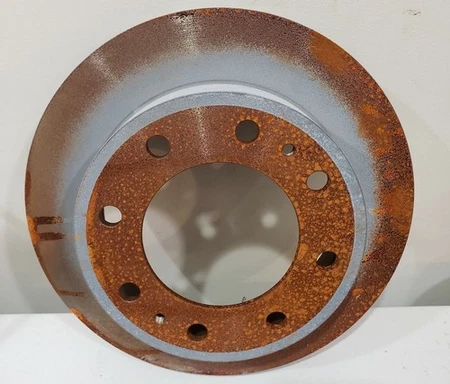
How To Remove Rust on Rotors

Enhance Your Car’s Performance with a Brake Upgrade

Buying the Right Brake Master Cylinder
6 min read
Brake Cleaners Versus Carburetor Cleaners

Brake Master Cylinder Replacement: Step-by-Step
10 min read
Deciding to Buy Original or Aftermarket Auto Parts: The Basics

Performance Mods for the Nissan Leaf

How to Buy the Right Brake Rotors
4 min read
Dress Up Your Ride With Brake Bling

Brake Rotor Comparison: Vented, Drilled or Slotted?

7 Common Mistakes When Bleeding Brakes

How to Replace Brake Fluid
10 min read
How to Diagnose and Repair Your Parking Brake

Taking Your Car to the Track: The Ultimate Guide

How to Repair Sticking Brake Calipers

Squeaks, Clangs and Rattles: Car Noises That Need Attention

Basic Car Maintenance Is Simpler Than You Think

Painted Brake Calipers Dress Up Any Ride

How to Find the Best Brake Pads for Your Vehicle
6 min read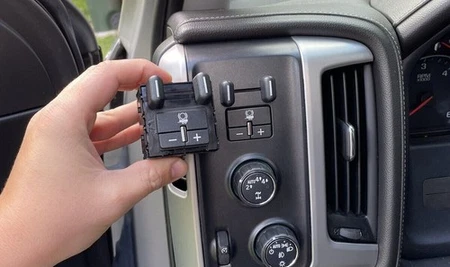
How to Install a Brake Controller
Online Videos Are a Game-Changer for DIY Car Repair

Everything You Need to Know About Brake Rotors
5 min read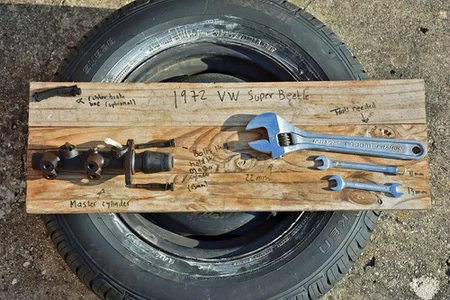
Easy Steps: How To Replace a Master Cylinder

The Ultimate Brake Dust Guide

Hisses, Whines, and Rattles: What Your Car Is Trying to Tell You

Anti-lock Braking (ABS): How Does It Work?

Maintaining Trailer Brakes for Towing Safety

Taking Vintage Cars Out of Storage: Planning for Spring

How to Replace a Brake Hose

How to Compress a Brake Caliper

How to Get Air Out of Brake Lines Without a Brake Bleeder
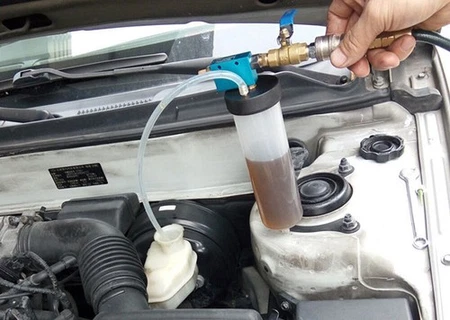
Bleeding Brakes: A Step-by-Step Guide
How to Pick the Right “Parts Car”

How to Customize Your Car for the Best Resale Value

Buying the Right Brake Calipers
7 min read
How To Buy New Old Stock (NOS) Parts on eBay

When to Replace Your Brake Fluid
5 min read
How to Replace Brake Rotors
7 min read
Tools You Need for Changing Brakes

A Beginner’s Guide to Hand Brakes

Converting From Drum to Disc Brakes: A Definitive Guide

How to Change Disc Brake Pads
8 min read
Add a Third Brake Light to Increase Safety

Brake-Rotor Problems: Machining Versus Replacing

Brake Pads 101
7 min read
How to Check Your Car’s Brake Fluid
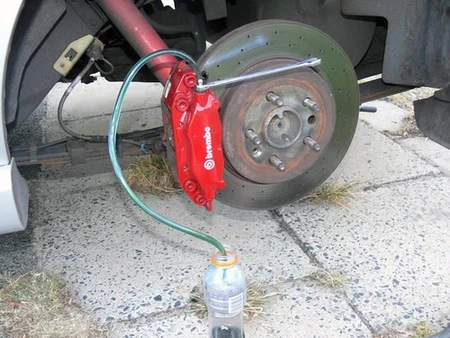
A Quick Guide to Changing Your Brake Fluid

Deciding to Buy Original or Aftermarket Auto Parts: The Online Transaction
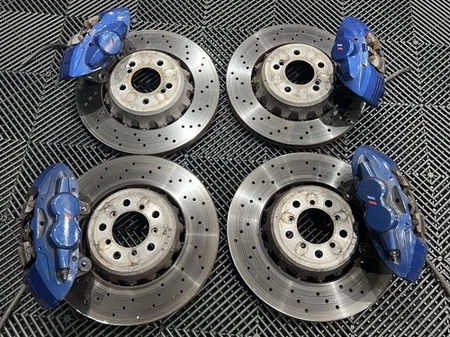
How to Improve Braking Performance

Why Do Brakes Lock Up?

Regularly Check These 4 Car Fluids

Brake Pad and Rotor Replacement Costs: What to Expect
8 min read
Why Should You Grease Brake Pads and How to Do It