In Land Rover’s new television commercial released to coincide with the Winter Olympics in PyeongChang, South Korea, a Range Rover Sport - opens in new window or tab. climbs the 999-step staircase - opens in new window or tab. to the Heaven’s Gate arch rock in Hunan Province, China. The message is clear: This vehicle has all the attributes of an Olympic athlete.
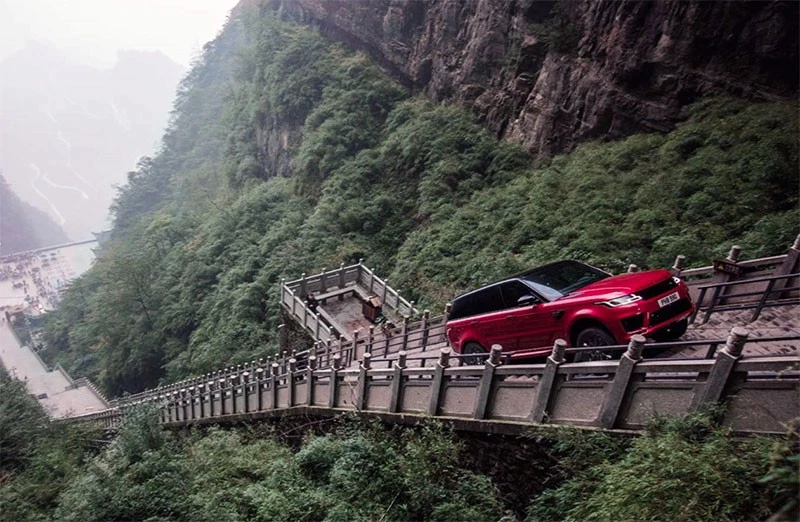
A Range Rover Sport climbs Heaven’s Gate in Hunan Province, China.
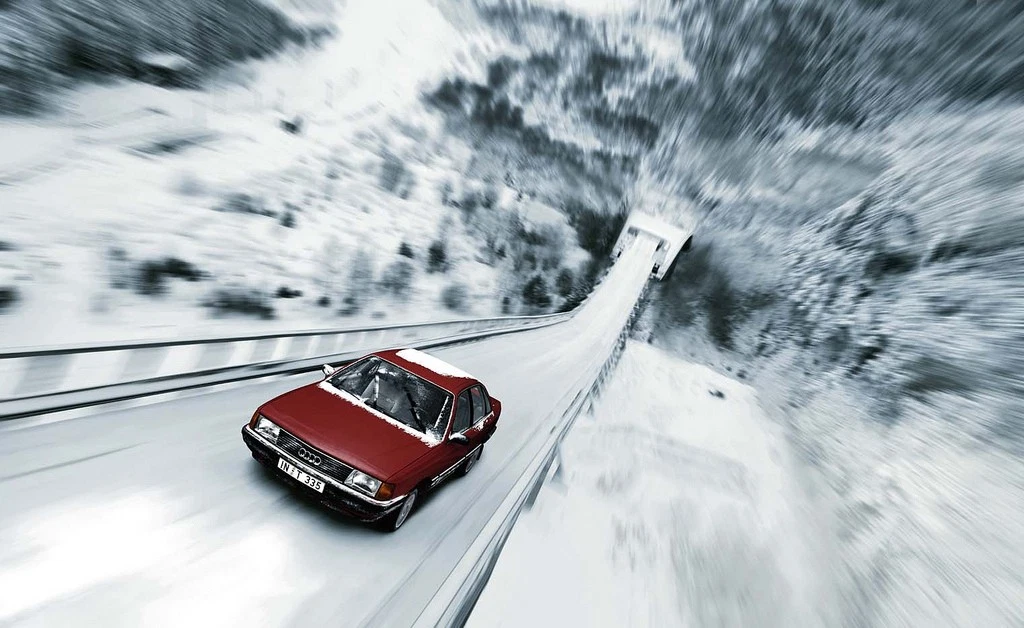
Land Rover is not the first automaker to use athletic stunts to promote its vehicles’ capabilities. Check out Audi’s iconic 1986 “Ski Jump” television commercial - opens in new window or tab. advertising the capabilities of its Quattro - opens in new window or tab. all-wheel-drive system. (It’s also shown in a still shot at the top of this post.)
Audi’s commercial was followed by the BMW 320 xDrive - opens in new window or tab. accompanying elite skiers down the slopes at Courchevel, France. And in 2014, Mercedes-Benz - opens in new window or tab. got into the act when it showed the ski-slope capabilities of its new G-Class SUV - opens in new window or tab. in “First Tracks at the Stowe Mountain Resort.”
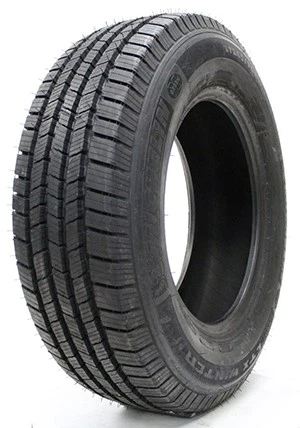
Michelin LTX Winter Tire
Those glitzy demonstrations make for cool commercials, but a luxury SUV is not required to achieve similar Olympic-like feats in challenging winter conditions. You can put your SUV or truck in world-class condition with a few modest upgrades.
Build from the Ground Up
Top performance starts with the right tires. This is especially true in the winter when summer tires and even all-season radials can limit a vehicle’s traction. If you live in an area with extreme winters, look for a tire with the three-peak mountain snowflake symbol on the sidewall, indicating the tire can accelerate well on medium packed snow.
A high-tech winter tire - opens in new window or tab. provides similar traction to studded tires without the studs, while performance winter tires - opens in new window or tab. are designed for high-speed driving on snow and ice.
Update Shocks and Struts
Driving through deep snow and over frost heaves puts stress on the car’s suspension. Make sure your shocks - opens in new window or tab. and struts - opens in new window or tab. are mechanically sound. To test the condition of your shocks, push down on each corner of the vehicle at the wheel. It should rebound in one bounce. If it keeps bouncing, you probably should replace the shocks. Other signs that shocks and struts are worn out include:
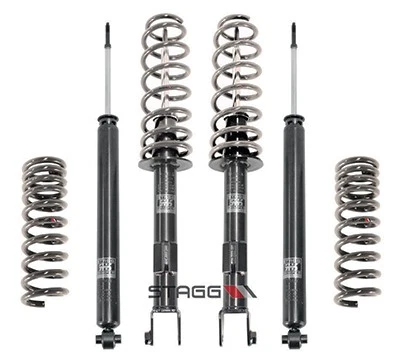
Stagg Shocks, Struts, and Lowering Springs
- The car’s nose dives when you come to a stop
- Uneven tire wear
- Squeaking sounds
- Poor steering response
In addition to checking the shocks and struts, have a technician check the car’s wheel alignment at least every two years or 25,000 miles. (See “Five Common Car-Suspension Problems—and What to Do - opens in new window or tab..”)
If you own a pickup truck and tend to drive it unloaded, drop some sandbags in the cargo bed to add weight over the rear wheels to improve traction on snow and ice. If you happen to get stuck, pour some sand near the wheels to create a tractive surface to help get you out of the rut. (See “Don’t Get Stuck in your Truck—Here’s How - opens in new window or tab..”)
Maximize Visibility
Finally, pick up a set of winter windshield wipers - opens in new window or tab. that are more robust than the standard issue and do a thorough job of cleaning snow, ice, and road salt off the windshield. Make sure your washer fluid - opens in new window or tab. reservoir is full and keep an ice scraper - opens in new window or tab. in the car to clean all the windows off after a storm.

22-inch Winter Edge wiper blades
During winter’s low-light conditions, it’s more important than ever that your headlamps and taillamps are functioning properly. Consider adding aftermarket LED fog lamps - opens in new window or tab. so that your SUV or truck is easy to spot by other drivers and that you have the highest possible visibility of the road (or slopes) ahead.
About the author

Share your feedback
This article is meant to provide general guidance only. Automotive maintenance, repair, upgrade, and installation may depend on vehicle-specifics such as make and model. Always consult your owner's manual, repair guide for specific information for your particular vehicle and consider a licensed auto-care professional's help as well, particularly for advance repairs.