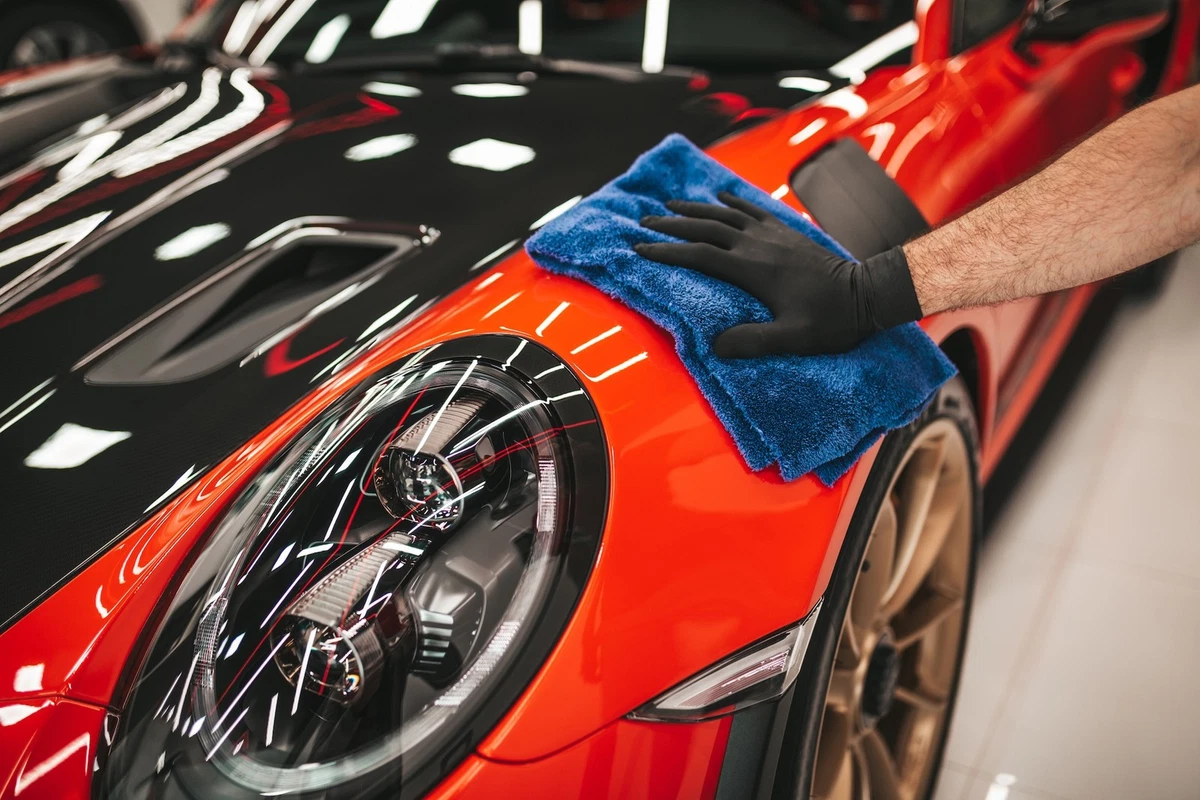
Microfiber is a miracle fabric used in everything from clothing to ultrasuede. The unique properties of microfiber also make it the ideal cleaning tool for car detailers.
What you’ll need

What Is Microfiber?
Microfiber is a blend of polyester and polyamide - opens in new window or tab.. The two fibers are fused with heat to create an extremely thin fiber strand. Manufacturers commonly indicate the ratio of the two blends in their cloths. A typical microfiber cloth blend is 80 percent polyester and 20 percent polyamide, commonly called an 80/20 blend. The fibers, which can be 100 times finer than human hair, are then woven or knitted into fabrics.

Waffle weave drying towel
During the fabric creation process, manufacturers split the fibers. This creates deep microscopic fissures in the fabric, allowing dirt to be captured deep within the material. It also makes the fabric exceptionally soft and durable.

Plush microfiber towel
Microfibers are also described by their grams per square meter (GSM). The higher the GSM, the plusher the fabric will feel, with a higher pile. Microfibers designed for drying have a GSM of 500 or more, while lower-rated cloths are ideal for general maintenance and cleaning tasks.
Microfiber can hold up to 10 times its weight in water, which is great for drying a car after a wash. When dry, a microfiber cloth also has a static capacity, attracting dirt. Depending on the weave, it leaves behind little to no lint.
Types of Microfiber Cloths

Chenille wash mitts
Chenille - This style has thick, finger-like appendages. It is often marketed for wash mitts - opens in new window or tab..
Split weave - Most cleaning cloths have a split-weave texture. If you rub your hand over the surface, you can feel your skin snag on the material.
Terry - Like its cotton cousin, a terry microfiber cloth has a looped weave with more fabric per area. It is often touted for drying vehicles due to its plush texture.
Waffle weave - The cloth has a gridded texture ideal for glass cleaning because less cloth comes into contact with the surface.
How to Use a Microfiber Cloth

Edgeless microfiber cloth
- Microfibers are great for cleaning cars, but there are a few precautions to take to avoid scratching a car’s finish:
- Cut off any tags, as they could scratch a car’s finish.
- Check the cloth’s binding. Many car detailing cloths have a silk or microfiber edge so the edges do not scratch the car. Edgeless cloths eliminate the binding altogether.
- Wash a dropped cloth. If you drop the cloth on the garage floor or dirt, do not reuse it until it’s clean. The dirt and grit can mar a car’s finish.
- Use the CD test for softness. Grab a spare compact disc (CD, in case you don’t remember) and rub the cloth across its surface. The cloth can also scratch your car finish if you see scratches on the CD.
Colors

Most manufacturers offer microfiber cloths in different colors. This allows you to keep them segregated for use by color. A green cloth - opens in new window or tab. could be used for glass, a red cloth - opens in new window or tab. for detailing sprays, and a black cloth - opens in new window or tab. for buffing wax or polishes. You could relegate the cloths to cleaning tires and undercarriage tasks as they get older.
Washing Microfiber Cloths
Wash your microfibers separately with a liquid detergent or cleaners expressly made for microfibers. Tumble dry on low heat, as a high temperature might damage the fabric. Do not use any fabric softener liquids or sheets, as the softener chemicals will damage the fabric and limit the cloth’s water absorbency.
Microfiber cloths are an efficient and safe cleaning tool for vehicles. The various textures offer options for a wide range of auto car applications. eBay offers plenty of choices - opens in new window or tab. for the different microfiber types, colors, and textures.
About the author

Share your feedback
This article is meant to provide general guidance only. Automotive maintenance, repair, upgrade, and installation may depend on vehicle-specifics such as make and model. Always consult your owner's manual, repair guide for specific information for your particular vehicle and consider a licensed auto-care professional's help as well, particularly for advance repairs.