
If you own a late model sports car, it probably came equipped with summer tires for optimum high-speed performance. Unfortunately when the temperature drops below 40 degrees, the tires become plastic and lose all traction. When this happens, you’ll regret not buying winter tires.
Owners of all-wheel drive cars might think that torque distribution and vectoring features provide adequate traction, but that isn’t the case.
“All-wheel drive cars do a great job of distributing traction for acceleration, almost equivalent to what a winter tire could provide,” explained Matthew Edmonds, executive vice president at The Tire Rack. “The problem is with braking and cornering. The car can only do what the tires make possible.”

Winter Tires Mean Black Magic
Whereas summer performance tire treads use large tread blocks that make the tire rigid for stability with large grooves to siphon away water, winter tires use smaller blocks with sipes to create additional edges for traction on ice and snow. Sipes are small rubber blades that look like squeegees, and remove water from the road’s surface.
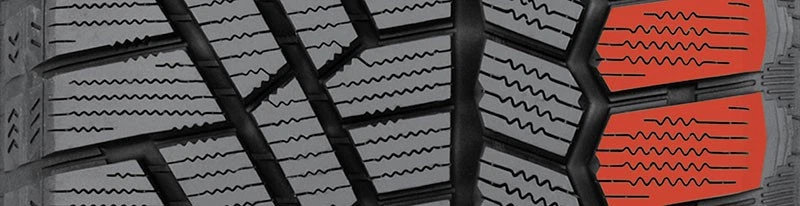
Continental ExtremeWinterContact tires feature high-density sipes to provide multiple gripping edges in an asymmetric tread pattern. They’re molded from a winter rubber compound that remains flexible in freezing temperatures.
In general, a winter tire’s tread pattern will look more aggressive, since its job is to push away snow in order to make contact with the pavement. This requires some fairly big void areas.
Winter tire compounds stay soft in cold temperatures. There’s also what Edmonds calls the “black magic” of compounding: invisible features that give winter tires surprisingly good grip on ice.
The Bridgestone Blizzak - opens in new window or tab. is one example. The tire’s rubber compound contains small bubbles that act like Swiss cheese, soaking up the thin layer of water created when a car travels over an ice patch. The ice itself isn’t slippery. But the layer of water created when the tires pass over the surface creates the problem.
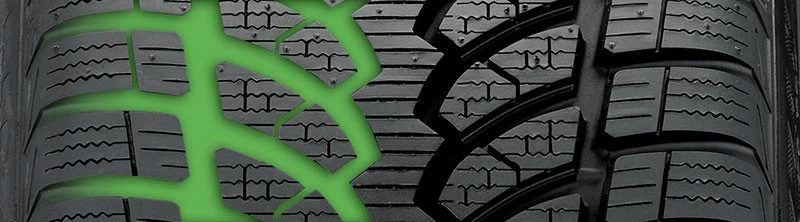
Blizzak LM-32 tires have large directional voids (green) for digging through slush and light snow; sipes for added biting edges; and microscopic pores (in the hydrophilic rubber) to wick away the slippery microfilm of water on icy roads.
Winter Performance
Just like summer tires, winter tires come in many varieties. Some, like the Blizzak DM-V2 - opens in new window or tab. are designed for areas that see a lot of snow and ice. This isn’t necessarily what owners of high-performance cars are looking for, since they probably won’t be driving those cars when the snow is thigh high.
For these vehicles, the best choice is a winter performance tire such as the Pirelli Sottozero 3 - opens in new window or tab., Dunlop Winter Maxx - opens in new window or tab. or Michelin X-Ice SNOW - opens in new window or tab.. Performance models use compounds that stay soft in temperatures below 40 degrees for improved traction on dry surfaces. The difference is in the tread design, which will have larger blocks closer to what one might find on a summer tire, with fewer sipes.
Stud or Dud?
What about truck and SUV owners who need to make sure that their truck can make it out to plow the street? Are studded tires - opens in new window or tab. the answer?
Not necessarily, according to Edmonds.
Vehicle owners need to check legislation in their area, since it varies from state to state. Very few states still allow studded tires, and even those only allow them during a limited time frame.
Edmonds continues:
We have found that the current generation of studless tires actually outperform studded tires on snow and ice. Whereas studded tires depend primarily on the studs to stop the vehicle, studless tires can use the whole surface of the tire, and compounding tends to be more advanced. If the vehicle owner tries to drive on a dry surface with his studded tires, they will be noisy and because the vehicle is riding on metal studs, the tires will not do a good job of stopping the car.
Winter Tires: From Thanksgiving to Tax Day
If you are thinking about investing in a set of winter tires, it’s a good idea to buy an inexpensive set of wheels to mount them on. It will spare your nicer wheels from the ravages of winter and save you the inconvenience of having to dismount one set of tires and mount the other set twice a year. Since dismounting and remounting breaks down the tire beads, this will extend the life of the tires as well.
While generally, winter tire season is Thanksgiving to tax day, drivers in high-altitude areas might need to get moving a little sooner. The snow can fly early in the Rocky Mountains, and when it does, you want to be ready with the right treads on your car or truck.
About the author

Share your feedback
This article is meant to provide general guidance only. Automotive maintenance, repair, upgrade, and installation may depend on vehicle-specifics such as make and model. Always consult your owner's manual, repair guide for specific information for your particular vehicle and consider a licensed auto-care professional's help as well, particularly for advance repairs.
Recommended for you
Find answers and inspiration

Tire and Wheel Packages for Upgrading Your Truck

How to Polish Trim and Wheels
Airless Tires Promise Puncture-Proof Motoring

Where You Gonna Store That Spare Tire? We Have Some Ideas

Guide to Best-Selling Firestone Tires

How to Put Air in Tires: Expert Tips
6 min read
Best Tire Brands for Specific Types of Driving

How to Measure Tire Tread Depth

Tuning with Tires

Why You Should Rotate Your Tires
5 min read
Falken Tire: Racing Tech Brought to Commuter Cars

How to Use a TPMS Relearn Tool

How to Calculate Wheel Offset

How to Change a Tire in the 21st Century

A Guide to Commercial Truck Tires

Metric Tire Conversion Made Easy

Taking Your Car to the Track: The Ultimate Guide
TRD Wheels Add Style to Toyota Trucks

Squeaks, Clangs and Rattles: Car Noises That Need Attention

Five Portable Air Compressors to Pump You Up

Spare Tire Covers: Personalize and Protect Your Spare

Top Picks for Best Portable Tire Pumps

The Best Street-Legal Drag Tires

Understanding the Importance of Calculating Tire Height

Tire Rotation Patterns: Which Tire Goes Where?

Items You Need for Maintaining Tire Pressure
7 min read
How Plus-Sizing Your Tires Boosts Vehicle Performance

Comparing All-Season vs. All-Terrain Tires

What Causes Dry Rot in Tires?

5 Quick Steps to Prevent Cold-Weather Breakdowns

Low Rolling Resistance Tires Reduce the Pain at the Pumps

Step-by-Step Tire Valve Stem Replacement
6 min read
What’s the Difference Between All-Season and All-Weather Tires?

What Is a Tire Pressure Monitoring System (TPMS)?

Hercules Tires: Good Tires on a Budget

General Tire Has Full Line of Affordable Quality Tires

Parking Aids Prevent Curb Rash

How to Customize Your Car for the Best Resale Value

Best Tires for Drifting

How To Buy New Old Stock (NOS) Parts on eBay

Have Two Sets of Wheel-Tire Combos (One for Winter and Another for Summer)

How to Install Tire Chains or Cables for Winter Driving

Pirelli Tires: Performance Tires with Motorsport Sophistication

6 Ways to Get the Most Life Out of Your Tires

5 Small Car Maintenance Tasks To Prevent Big Problems Later

How to Check Tire Pressure and Change a Tire
9 min read
Why It’s Critical to Rotate Your Tires

Types of Wheels You Can Buy on eBay Motors

Emergency Spare Tires vs. Run-Flats
Nitrogen In Tires: Is it Worth the Cost?

What Every Emergency Winter Car Kit Needs

Plugging a Tire: When It’s Possible and How to Do It

Aftermarket Wheels: The Coolest Looks and Brands

Off-Road Tires: Mud Tires vs. All-Terrain Tires

Why Michelin Tires Are So Popular
What Is Tire Cupping and How to Avoid It

Explore the Style of Classic GM Factory Muscle Car Wheels

Get Your Classic Car Ready for Winter
Tire Terminology: From A to Z

Trailer Tires Take on Heavy Tasks

Choose Snow Tires vs. Snow Chains for Winter Driving

Your Crossover Can Become an Overlanding Rig

Wheel Spacer Pros and Cons: What You Should Know

A Brief History of Whitewall Tires

Everything You Need to Know About Driving on a Spare Tire

Learn How to Get Sideways in the Snow, Safely
How To Read the Side of Your Tire

Winter Tires Save Lives: Don't Cheap Out When It Comes to Safety

Expert Advice for Checking Tire Pressure with a Gauge

Performance Mods for the Nissan Leaf

Tire Pressure Tips

Forged vs. Cast Wheels: What’s the Difference?

Checklist: 8 Steps For Winter Car Prep

Cooper Tires Offer High Performance at Competitive Prices

7 Steps for Successful Springtime Car Prep

Basic Car Maintenance Is Simpler Than You Think

What to Buy Before Rotating Your Tires
4 min read
Comparing Wheels: Steel, Alloy, Carbon and More

How to Equip Your Tires for Snow and Ice

Online Videos Are a Game-Changer for DIY Car Repair

Guide to All-Season SUV Tires

Best All-Season Tires For Snow

Toyota Pickup Accessories and Upgrades: A to Z

Hisses, Whines, and Rattles: What Your Car Is Trying to Tell You

All About Car Rims: Types, Materials and Cost
5 min read
What Makes a Vehicle Capable for Off-Road?

Summer Tires vs. Winter Tires vs. All-Season Tires
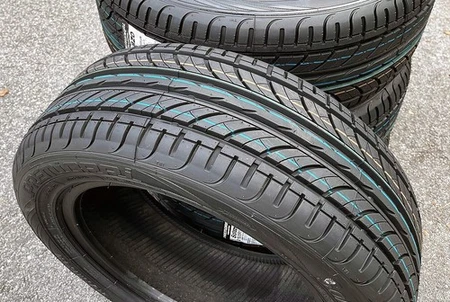
Summer Tires vs. All-Season: You Can Feel The Difference

7 Steps for Cleaning Wheels and Rims

Pay Attention to Your Tire Pressure Light
4 min read
Cost of Mounting and Balancing Tires
5 min read
How Long Do Car Tires Last?

The Coolest Racing Wheels in Formula Drift

Used Winter Tires: Save Big and Stay Safe

How To Repair a Tire with a Nail In It
How to Pick the Right “Parts Car”

An Overview of Goodyear Truck Tires

Hankook Tires: High-Quality Full-Range Tire Line

How to Drive in Mud

What Is a Tire’s Speed Rating and Why Is It Important?

Goodyear: Great Performing Tires for Daily Driving

How to Choose the Best Performance Tires

Street Tires Versus R Compounds? Strong Advice for Track Newbies

Douglas Tires Offer Big Value for a Low Price

Tire Sidewall Repair: Why It Should Be Avoided

What Is a Tire Load Index?

Winter Car Prep: 5 Essential Articles

Easy Steps to Keep Whitewall Tires Clean
Three Key Pieces of Advice About Performance Tires
Why Checking Your Tire Pressure Matters
7 min read
What You Need to Know About Mud Terrain Tires

How to Rotate Your Tires
5 min read