If you are planning to buy a used car, start with the vehicle identification number, or VIN, to unlock its history. Much like an individual’s social security number, the 17-character VIN holds a vast amount of information.
What Is a VIN?
Almost every type of civilian vehicle has a VIN assigned to it by the manufacturer and stamped on it for identification purposes. This number reveals detailed information about the vehicle, including:
- Manufacturer
- Model and body style
- Specifications and features
- Previous owners
- Safety history, including accident claims and liens
Regardless of size, number of wheels - opens in new window or tab., or horsepower, if you can drive it, it must have a VIN.
Recognizing the system was flawed, in 1981 the National Highway Traffic Safety Administration - opens in new window or tab. (NHTSA) standardized a VIN system that conformed to requirements set by the International Organization for Standardization (ISO).
The new system mandated a 17-character series of letters and numbers—excluding O, I, and Q because of their similarity to the numbers 0, 1, and 9. Further, it established that no two vehicles manufactured within 30 years of one another could have the same VIN. The mandate also required that all VINs be stored in the Motor Vehicle Records database and be accessible using VIN search engines.
What’s So Important About a VIN
One of the most important uses of a VIN is when considering the purchase of a used vehicle from a private party. Vehicles sold on eBay usually have a link to a VIN-based vehicle history report from AutoCheck. It's part of eBay’s Vehicle Protection Plan - opens in new window or tab.. Regardless of where you buy your vehicle, the history report will answer a lot of questions:
- Was the vehicle in an accident?
- How minor or severe was the damage?
- Did the airbag deploy?
- Was there structural damage?
- Does it have a salvage title?
- Does it have a lemon-law title?
- Has the vehicle been in a flood?
- What is the vehicle’s service history?
- Are there any open factory recalls on the vehicle?
- Was it previously a rental, leased, commercial vehicle, used as a taxi or police car?
- How many previous owners were there, and how long did they own it?
- Where was the vehicle purchased new, and where has it been owned?
- What mileages were reported at registration?
- Has the odometer been rolled back?
Where to Find a Vehicle’s VIN
It’s common for the VIN to appear in one or more places on a vehicle and in some documents.
On the Vehicle
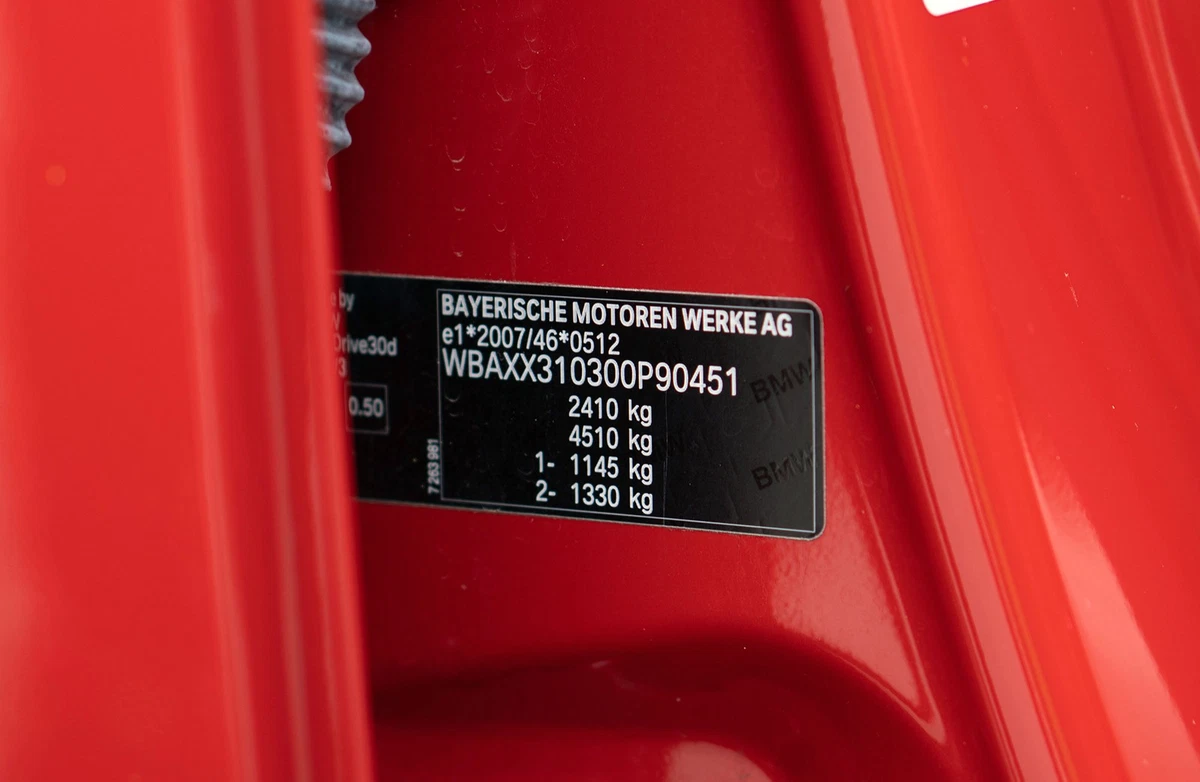
Most commonly, the VIN is located on the driver’s side where the windshield meets the dashboard. It is easily viewed from the outside of the car. Looking through the windshield, you’ll see a metal plate about three inches long with an engraved set of letters and numbers. If the VIN isn’t there, you’ll find a metal plate or sticker about the size of an index card inside the driver’s side door jamb. It has the VIN and other helpful information about the vehicle.
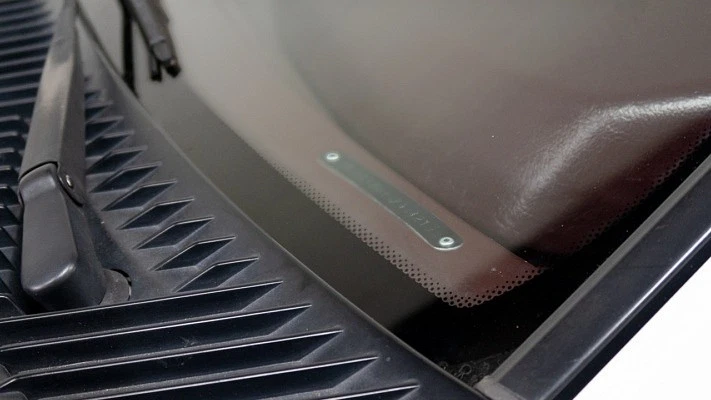
A typical location for a VIN vehicle identification number
In vehicles model year 1987 and newer that have been designated as “high-theft” under the Federal Motor Vehicle Theft Prevention Standard law, the VIN will be etched on major parts of the vehicle such as the doors, hood, fenders, engine, and transmission. This is to aid law enforcement in tracing and recovering parts from stolen vehicles.
Check the numerous places the VIN appears on the vehicle you are purchasing to be sure that the numbers and letters in different locations match. If they don’t, it’s a near certainty that the vehicle has been rebuilt with stolen parts.
Numerous documents specific to the vehicle also have the VIN, including the car’s title, registration card, auto insurance card or policy, and service records.
The Meaning of VIN Characters
Each of the VIN’s 17 characters gives you specific information about the vehicle at its time of manufacture.
World Manufacturer Identifier (WMI)
The first three digits of the VIN are the world manufacturer identifier. The first character is the country or region where the vehicle was built or the final assembly point. For example:
- 1, 4, 5 - United States
- 2 - Canada
- 3 - Mexico
- J - Japan
- K - South Korea
- W - Germany
The second digit tells you the manufacturer. For example, A is for Audi, F is for Ford, G is for General Motors, N is for Nissan. However, letters can also represent multiple manufacturers, so check the third number to confirm. The third digit, combined with the first two, indicates the vehicle’s manufacturing division.
Vehicle Descriptor
Numbers four through eight describe the model, body type, restraint system, transmission - opens in new window or tab. type, and engine code. This can vary by manufacturer. The ninth digit is a security code called a “check digit.” The US Department of Transportation created a mathematical formula to generate the ninth digit randomly, which is used to protect against fraudulent VINs.
Vehicle Identifier
The tenth position identifies the model year of the vehicle, represented by one letter or a single number in a cycle. The alphabet started over from the letter A in 2010 and continues until 2030. For example: an "A" in the number ten spot means 2010, "B" 2011 and so on.
Plant Code
The letter or number occupying the eleventh position indicates the manufacturing plant where the vehicle was built and assembled. Each auto manufacturer has its own set of plant codes.
Sequential Production Number
Often referred to as the vehicle’s serial number, the final six characters of a VIN are assigned on the assembly line.
Is It Safe to Share My Vehicle's VIN?
Sharing the VIN is necessary when selling or buying a vehicle. It allows the potential buyer to check the vehicle’s history and confirms that you are a credible and straightforward seller. It will make the process for both a buyer and seller much smoother and faster.
You can never be too careful when sharing information of any kind with those you don’t know. While it isn’t overly complicated to forge documents, it is significantly more difficult to change the VIN on a vehicle. That’s why it’s important to cross-check the title and related vehicle papers with the VIN information physically on the vehicle to be certain they are the same.
About the author

Share your feedback
This article is meant to provide general guidance only. Automotive maintenance, repair, upgrade, and installation may depend on vehicle-specifics such as make and model. Always consult your owner's manual, repair guide for specific information for your particular vehicle and consider a licensed auto-care professional's help as well, particularly for advance repairs.