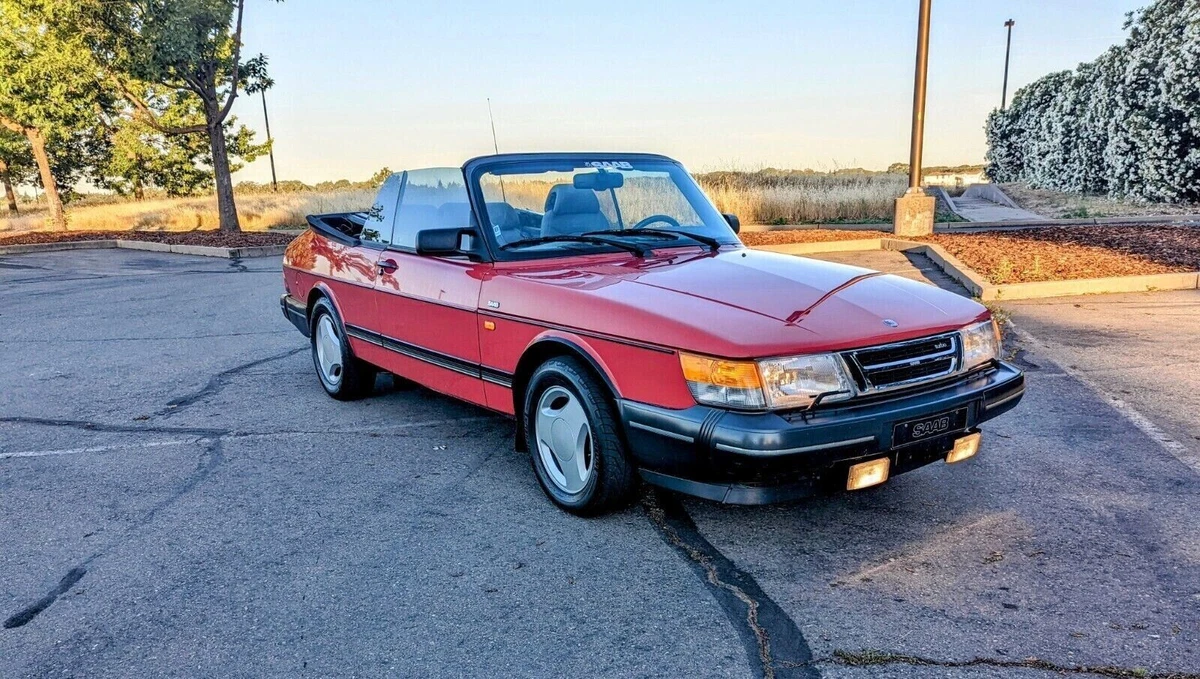
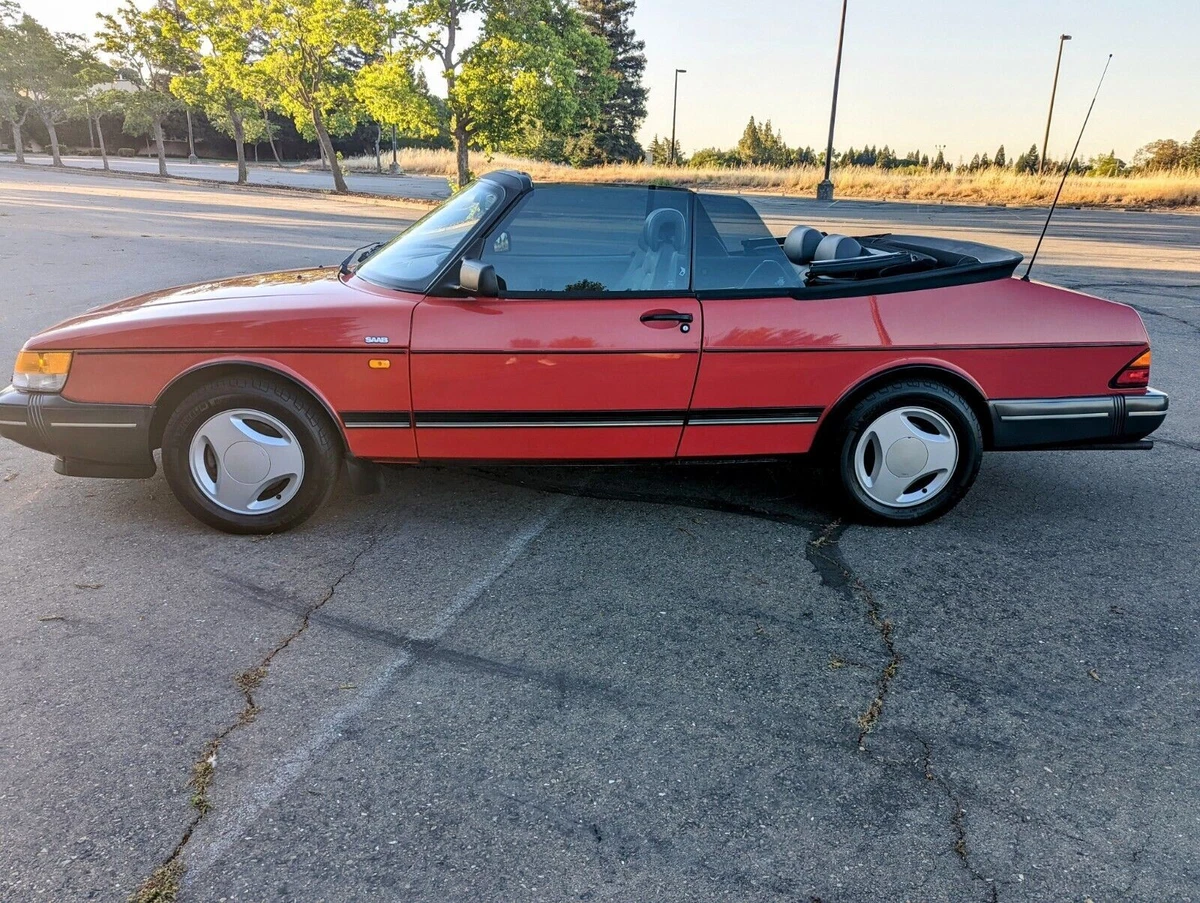
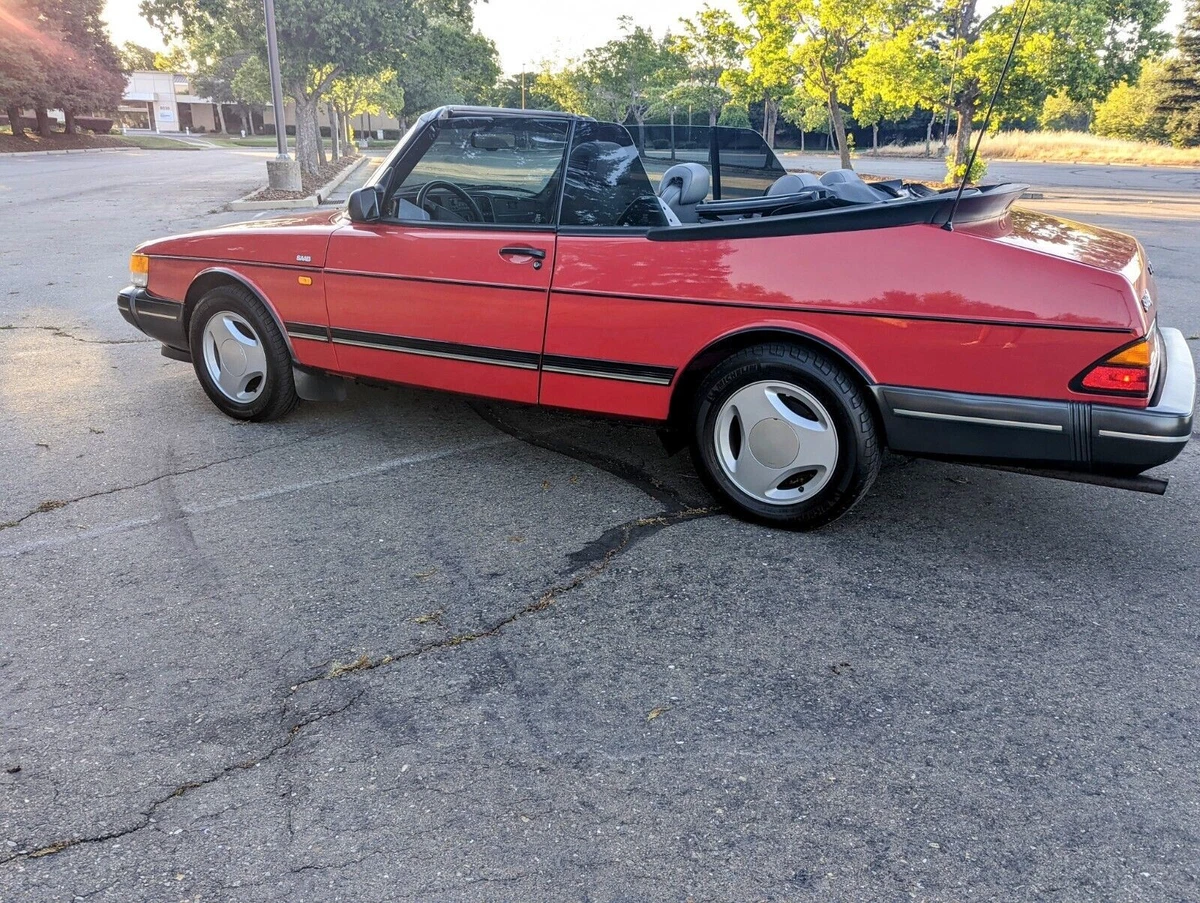
The price of Classic Saab 900 Turbos is appreciating rapidly these days. That’s especially true of Saab 900 coupes and convertible models from 1987 to 1994. After being long stuck in the classic car doldrums, pristine examples are now trading for $20,000 or more. That makes this very clean—and very red—1991 Saab 900 Turbo Convertible recently listed on eBay an appealing prospect. The Buy-It-Now price is $10,000, and the owner is open to offers.









item 1 of 25
All Original and In Great Shape (Mostly)
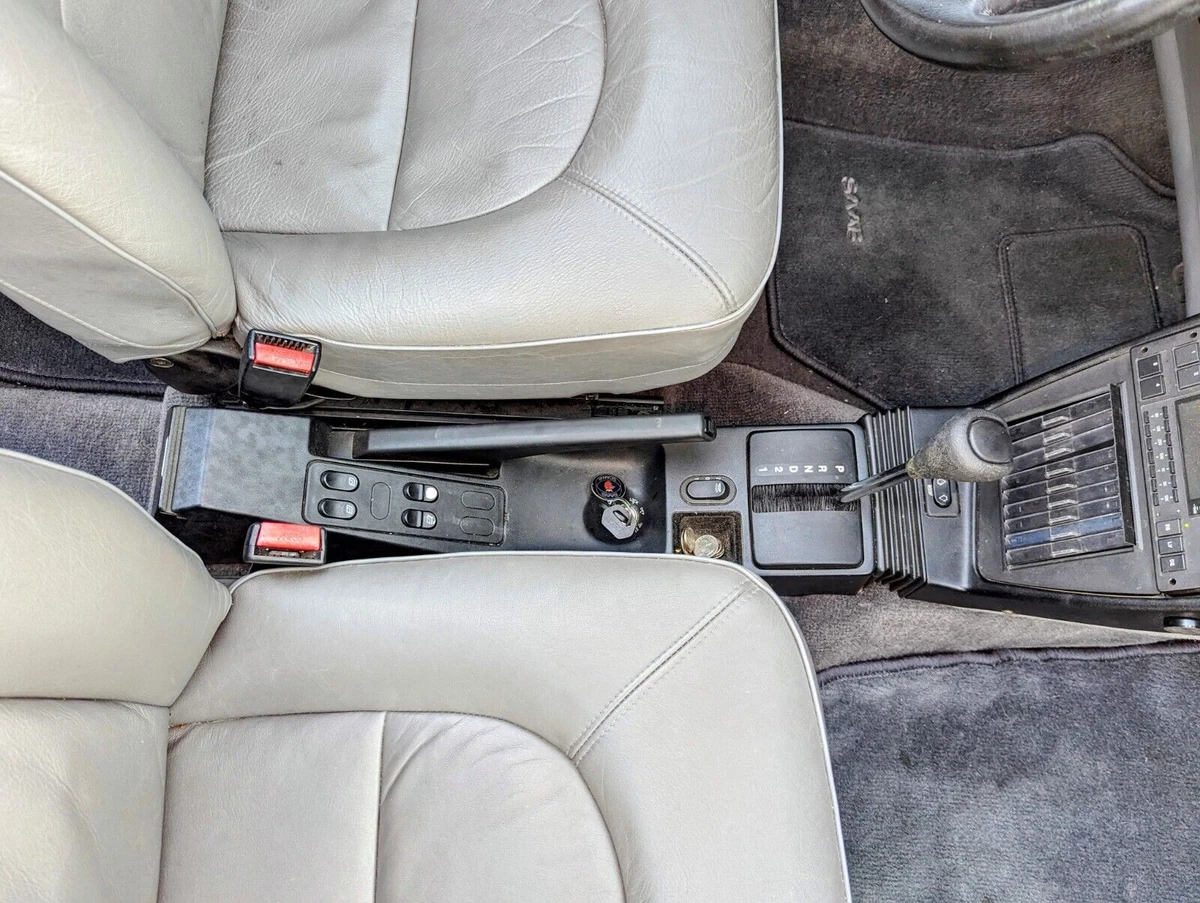
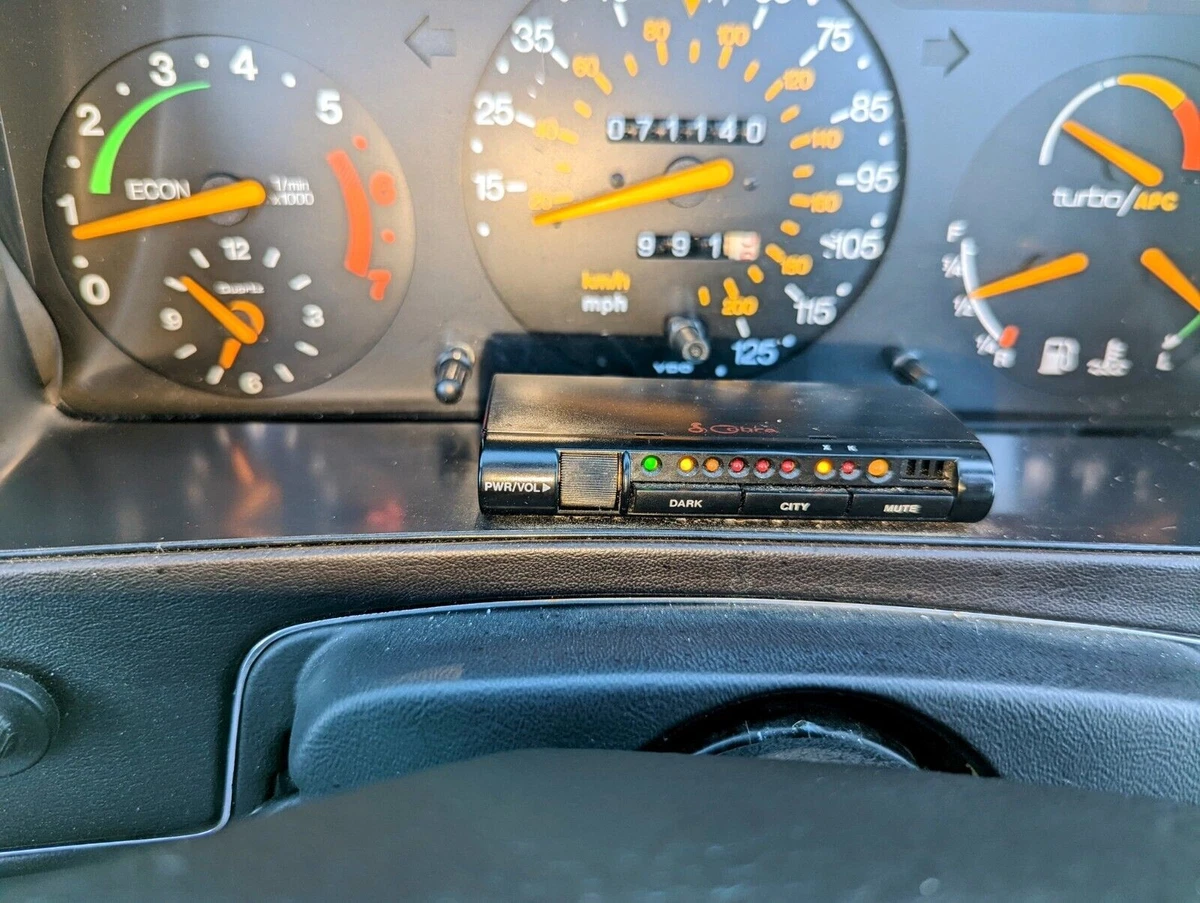
This ’91 Saab 900 has 71,000 miles on the odometer. But Saabs of this vintage are famous for reaching hundreds of thousands of miles. So this one is barely broken in.
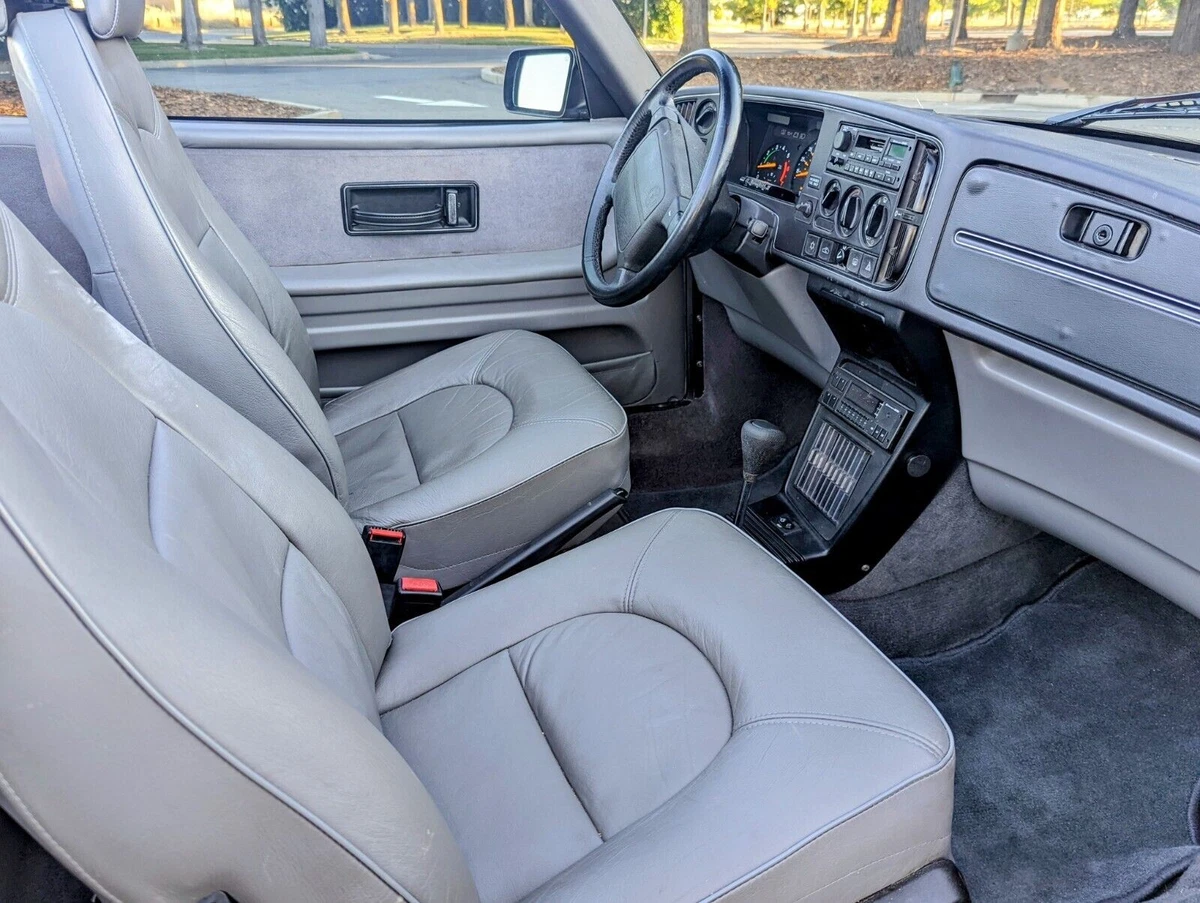
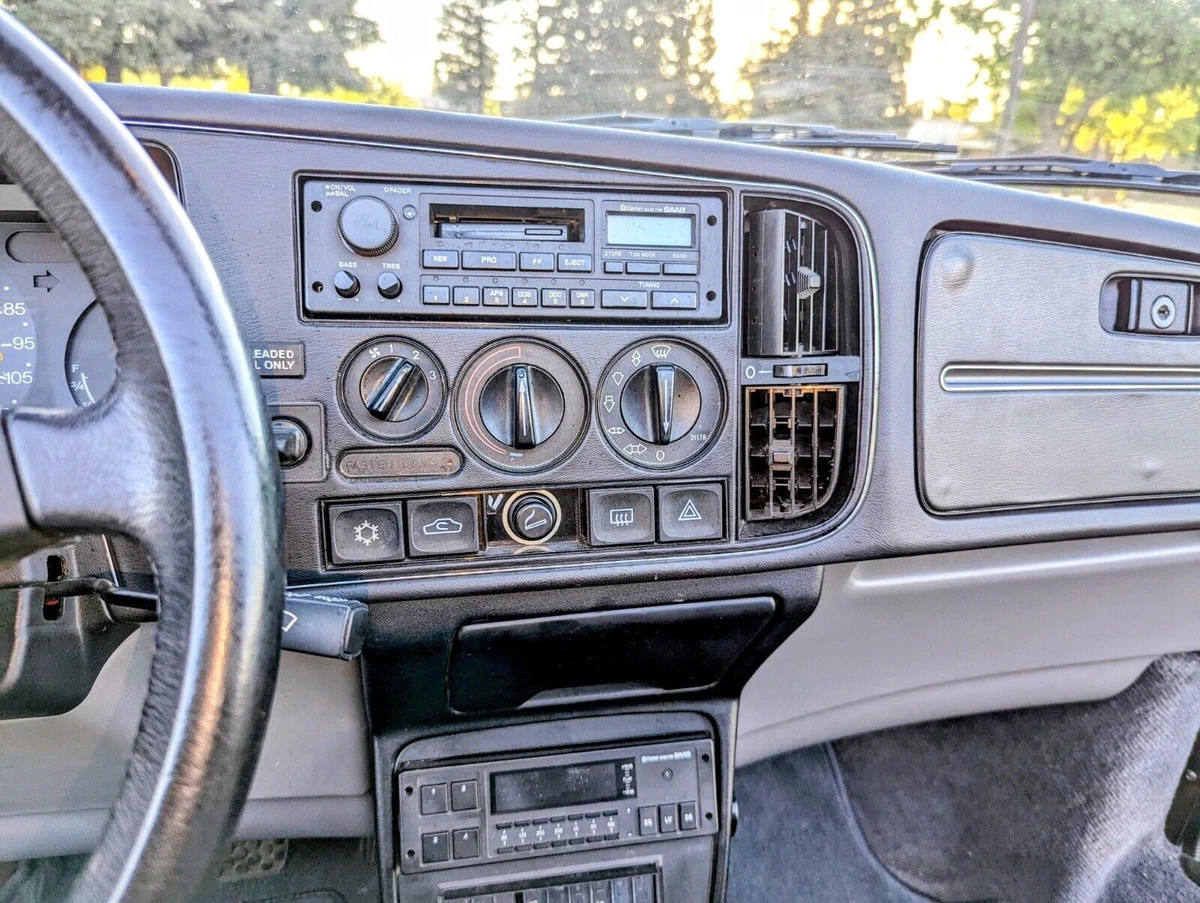
It appears to have a rare uncracked dashboard. The 900's under-bumper fog lights - opens in new window or tab. often get knocked off by curbs, but they are still present here.
The owner says:
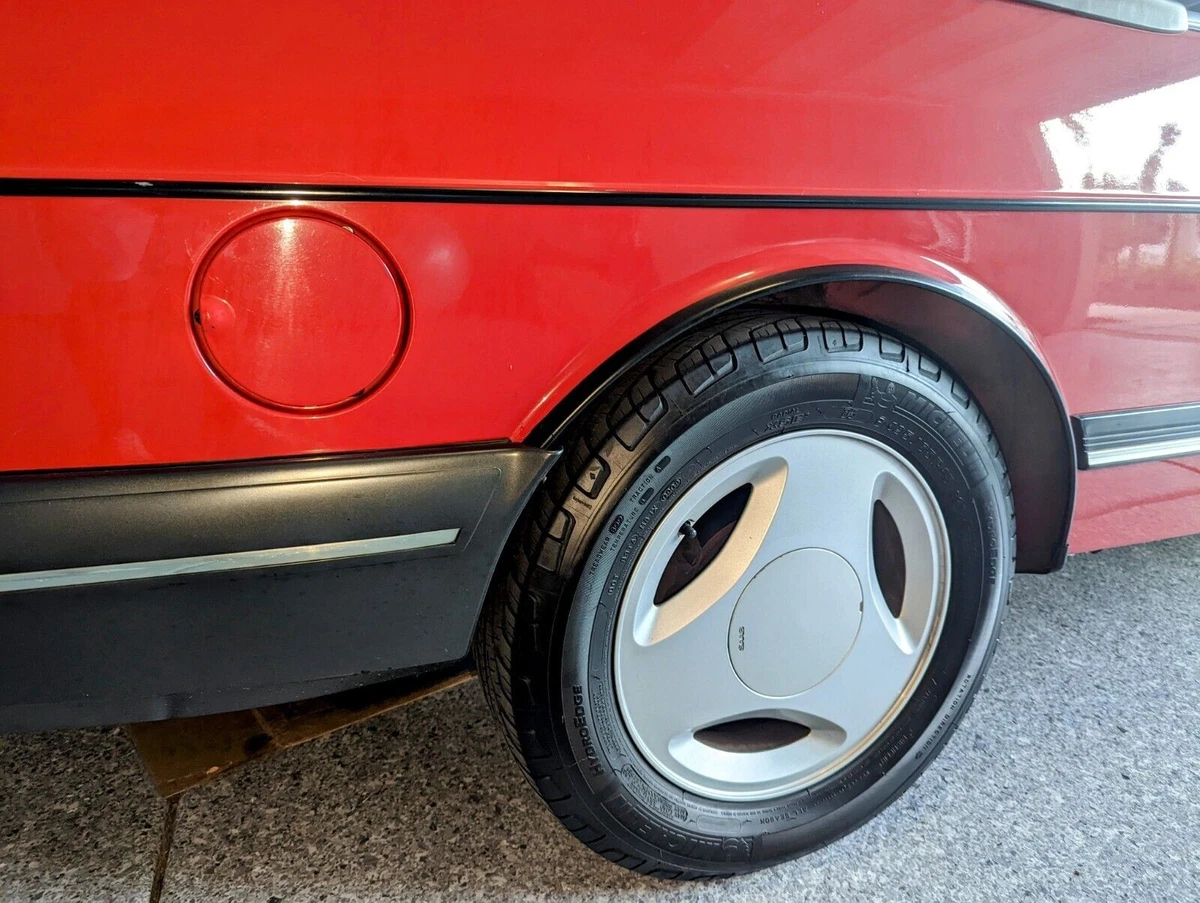
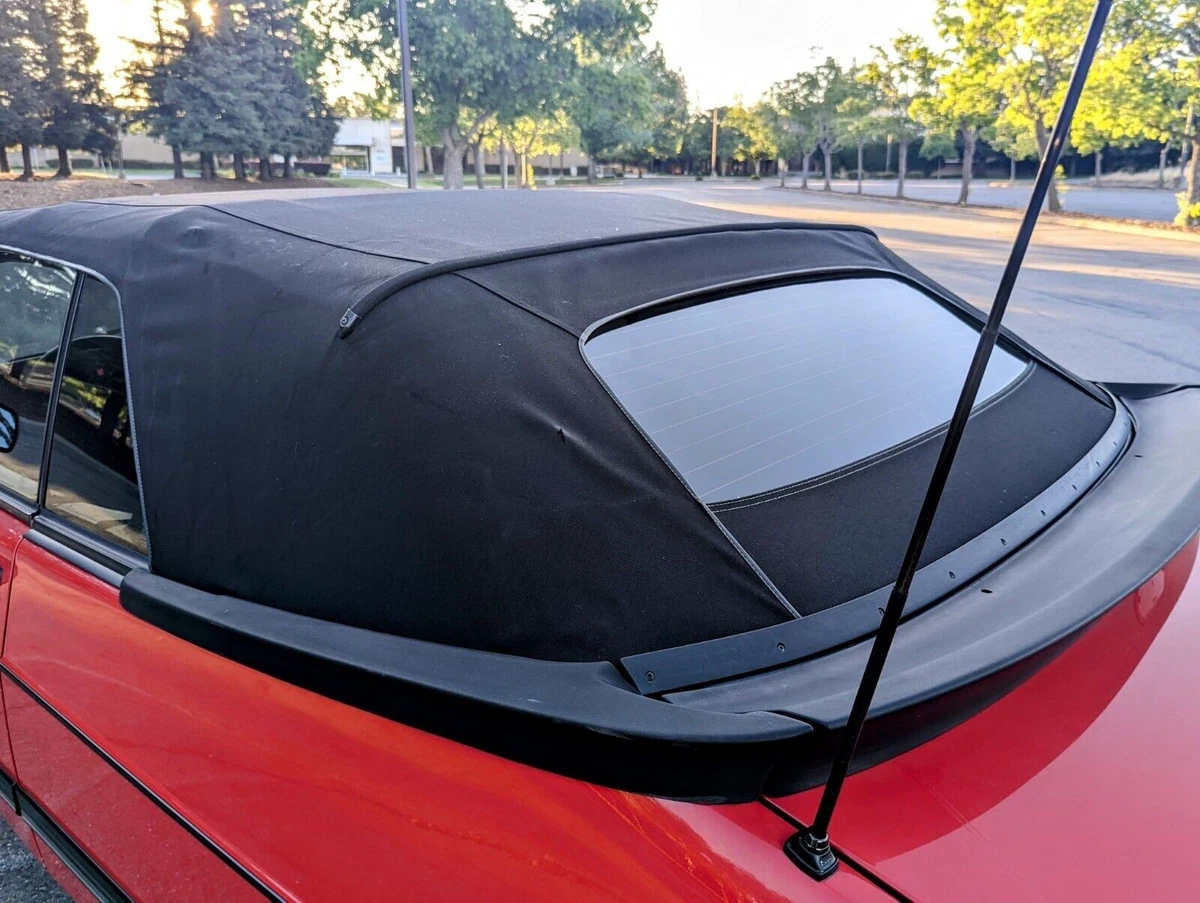
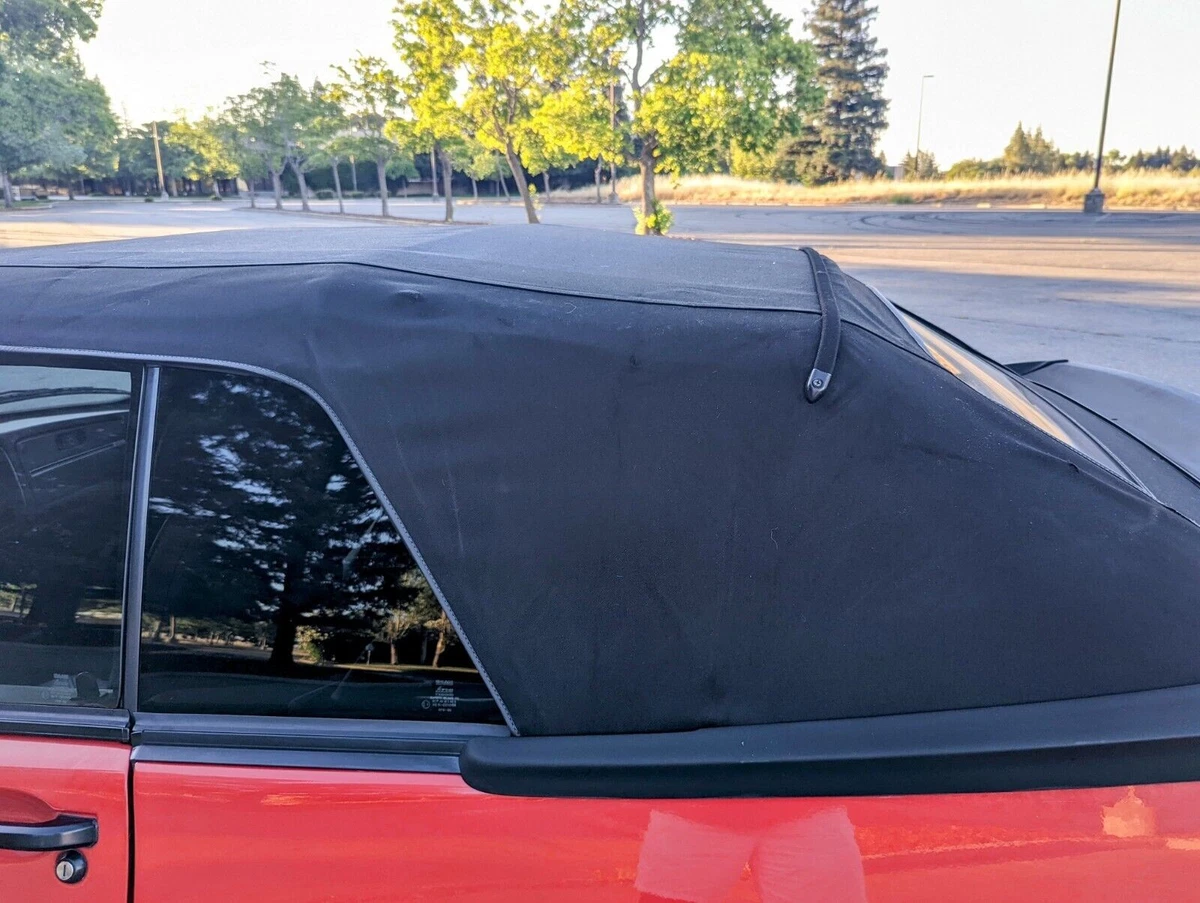
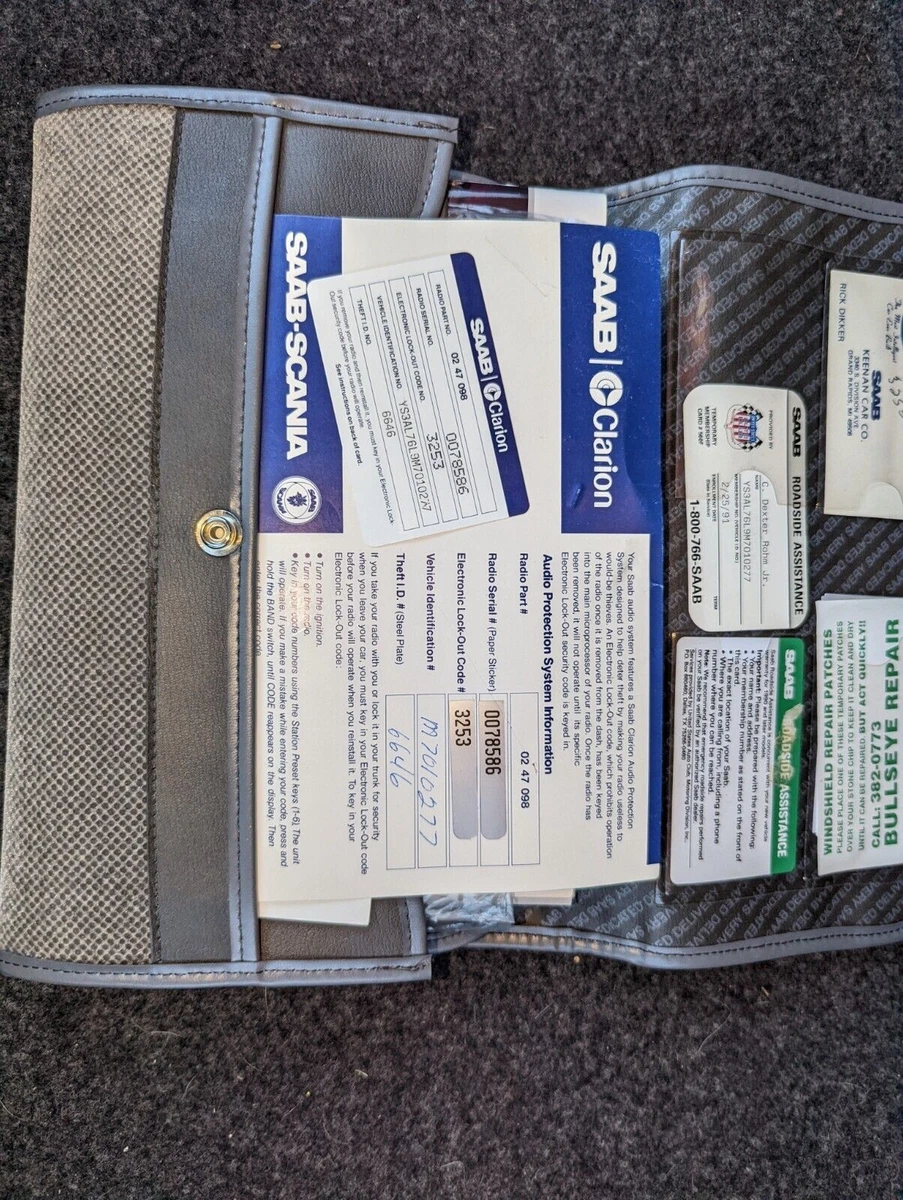
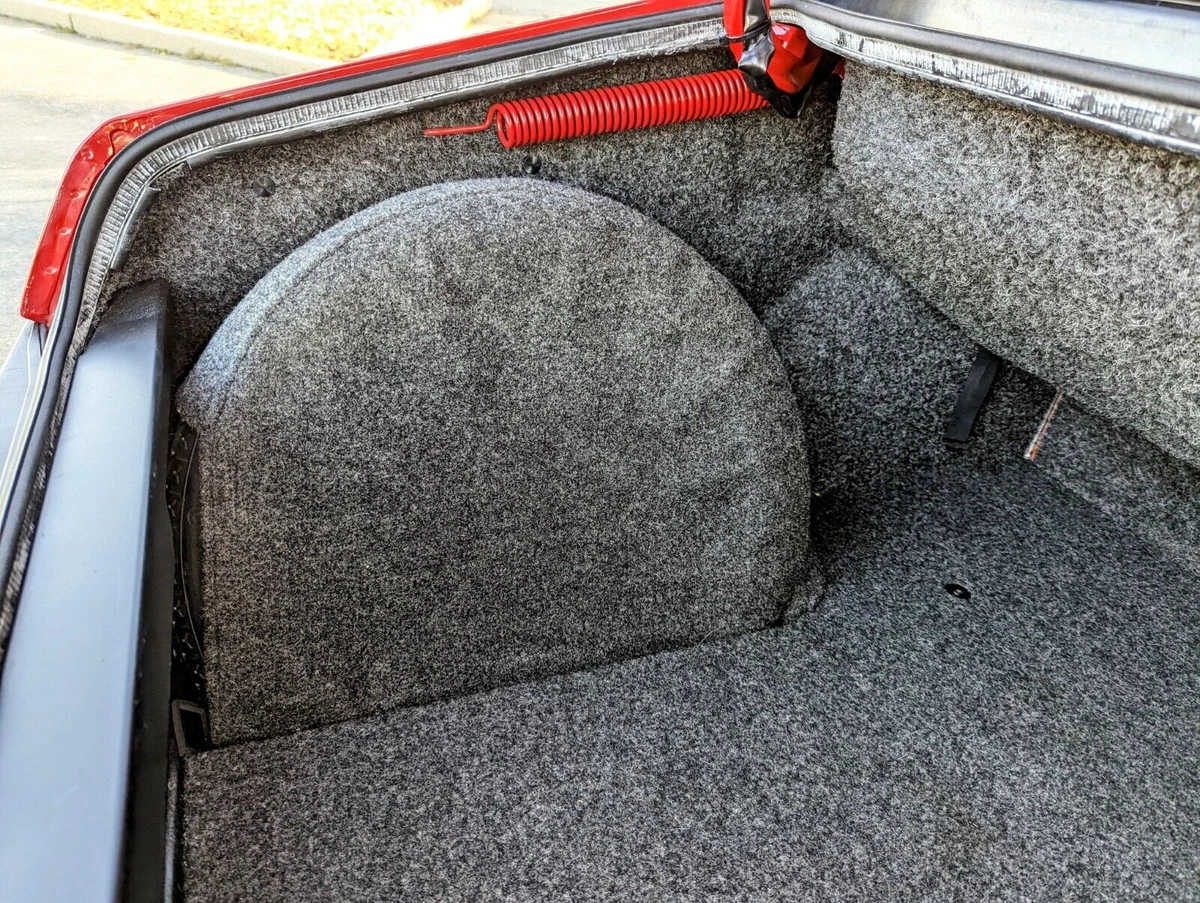
It’s all original everything. It’s probably the closest to a brand-new Saab 900 as you’ll ever see. I bought it from the owner in Connecticut, and it has always been in the family and garaged. Not a scratch or dent.
The car’s few ills, common to the model, are the products of age. Activate the power tilt feature, and the seat starts twisting. That’s easily fixable. Regarding the malfunctioning Clarion cassette player - opens in new window or tab., the bubbles in the glovebox door, and the failed elastic in the front seatback pockets, well, they’re all like that. Most owners replace the radio with a modern Bluetooth unit - opens in new window or tab..
Everyday Turbocharging
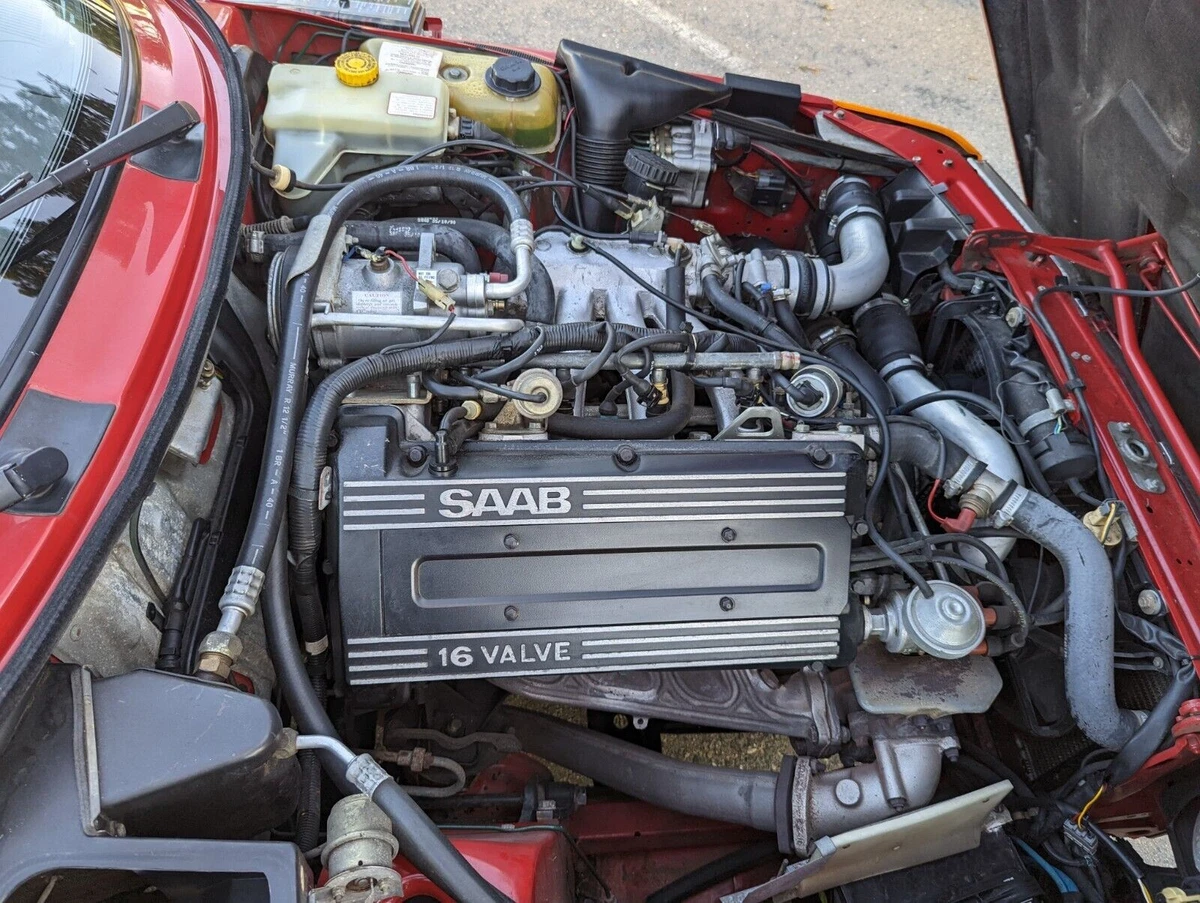
The 900, replacing the 99, debuted in 1978. In turn, it was replaced by the 9-3 in 1998. Turbocharging was optional in the very first 900s. However, early models made an entertainment value of turbo lag.
Saab was one of the world’s first car manufacturers to adapt the turbocharging technique to everyday motoring. In a Saab Turbo, the boost on performance starts at low engine speeds. The engine delivers its peak torque at a mere 3,000 rpm. The performance of the turbocharged four-cylinder Saab engine can match that of many six-cylinder or eight-cylinder engines.
Well-Equipped and Handsome
The 900 was initially offered in convertible, sedan, and hatchback variants, with some models not imported to the US.
The cars weren’t cheap—about $30,000 new—and came fully equipped with power everything, heated seats, that Clarion stereo, and air conditioning. Leather was standard on the convertibles. The refreshed 1987 model incorporated a restyled, handsome front grille and new bumpers.
Every 900 for the US market was equipped with a 16-valve engine starting in 1985. The non-turbo alternative was the 900S. Later 900 cars have anti-lock brakes and a driver’s airbag, and both can be problem areas.
An Open-Air Hit
Robert Sinclair, president of Saab-Scania in the US during the mid-1980s, usually gets credit for the convertible.
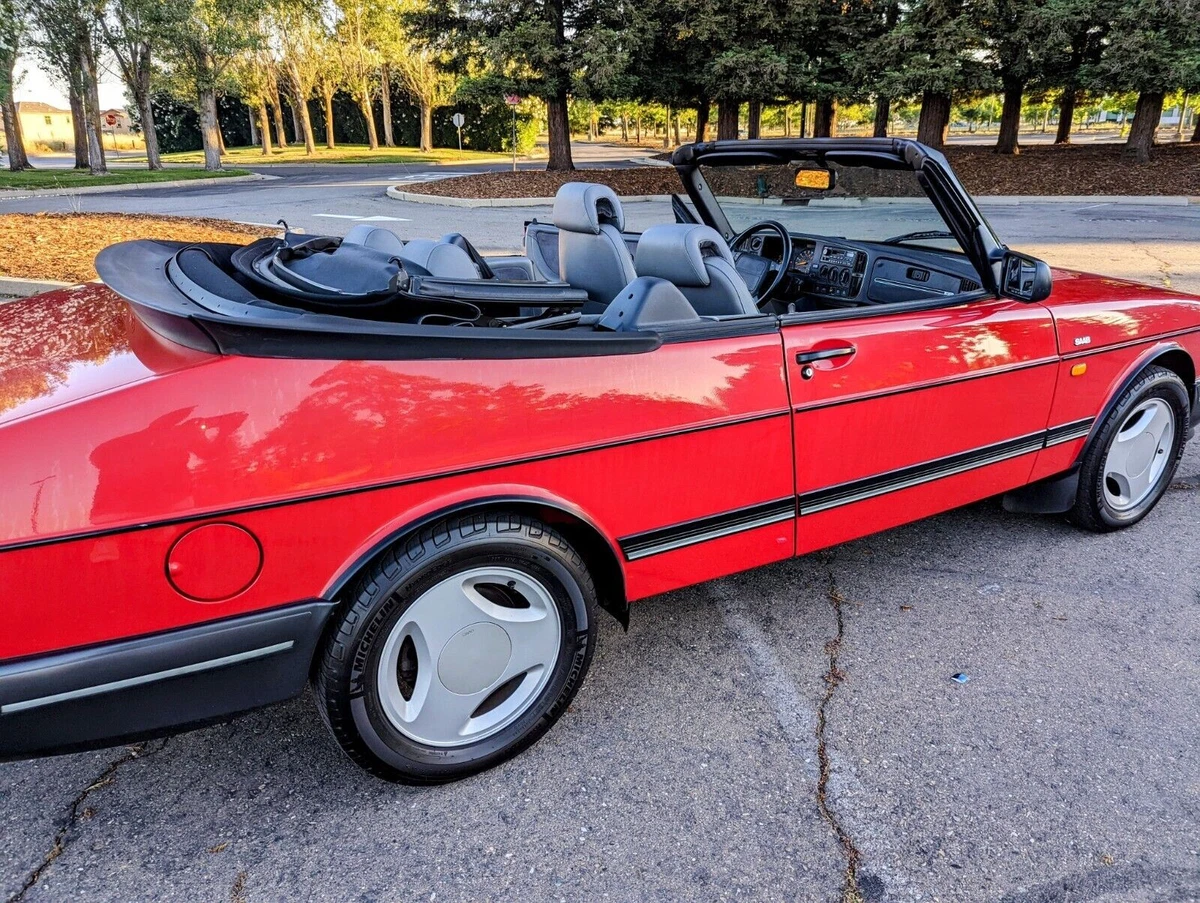
As Sinclair tells it, Swedish HQ pressed him to take 1,000 stripped-down two-door notchback sedans that were perfect for Scandinavia—but challenging to sell in the American market. So he convinced a reluctant Saab to convert the base-model cars to power-top convertibles for $15,000 per car (with luxury appointments). American Sunroof Corporation produced a prototype.
The convertible Saab was a hit at the 1983 Frankfurt Motor Show. Valmet Automotive built production cars in Finland.
GM bought 50 percent of Saab in late 1989. After that, the models reflected the GM’s influence as cars used more components from the corporate parts bin. Nonetheless, the 900 has remarkable value because it’s comfortable, can keep up with modern traffic, and is still usable as an everyday ride. And they look sharp.
The owner of the 1991 Saab 900 Turbo Convertible says:
This car is immaculate in every way. Definitely a head-turner.
About the author

Share your feedback
This article is meant to provide general guidance only. Automotive maintenance, repair, upgrade, and installation may depend on vehicle-specifics such as make and model. Always consult your owner's manual, repair guide for specific information for your particular vehicle and consider a licensed auto-care professional's help as well, particularly for advance repairs.