
The year-one unrestored Suzuki GT750 recently listed on eBay represents a rare opportunity to acquire a true motorcycling icon. Besides, you have to love its weird nickname.




item 1 of 19
Fighting the Trend
In 1972, Honda’s ground-breaking, four-stroke CB750 - opens in new window or tab. was very popular. Kawasaki’s wild two-stroke H2 was its unhinged contemporary. And even the Brits were still in the game—with offerings like the four-stroke Triumph Trident - opens in new window or tab. and Norton Commando - opens in new window or tab..
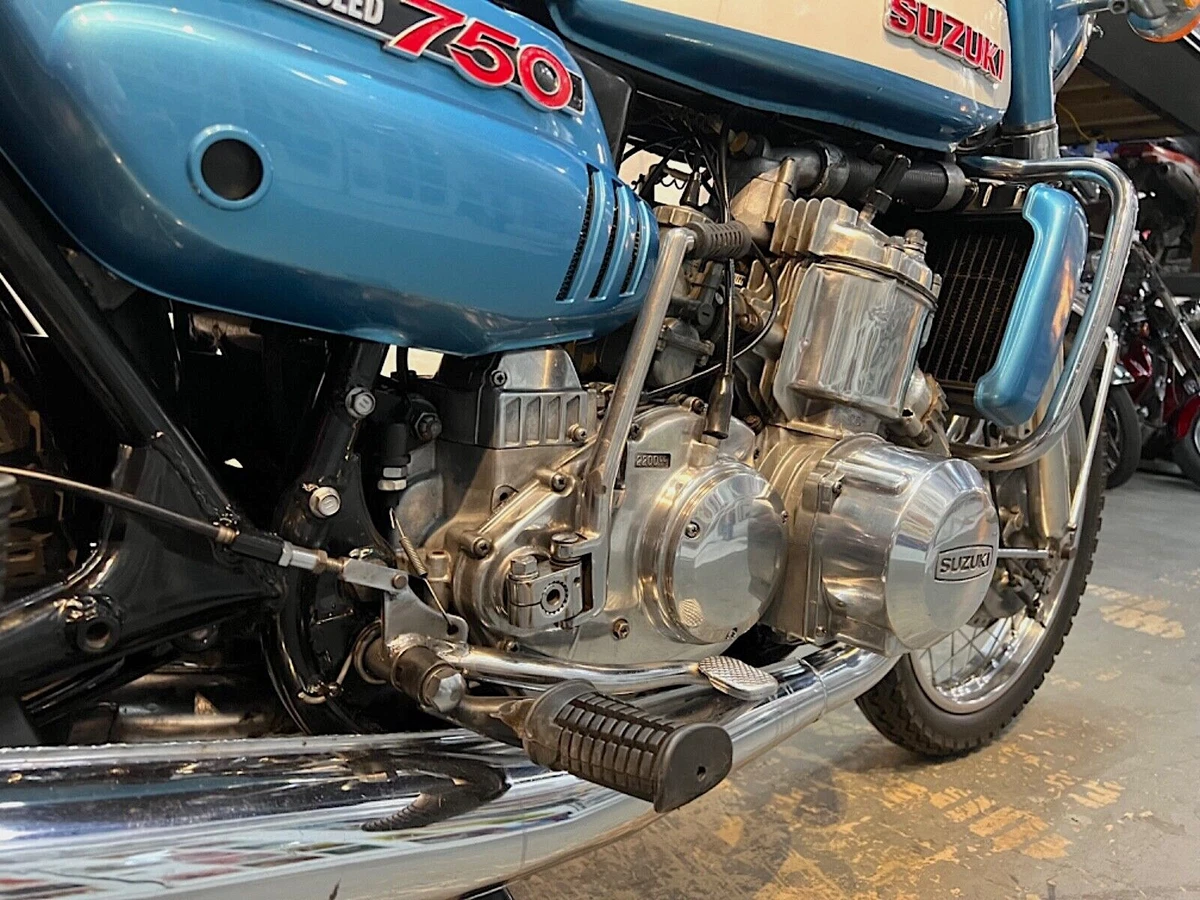
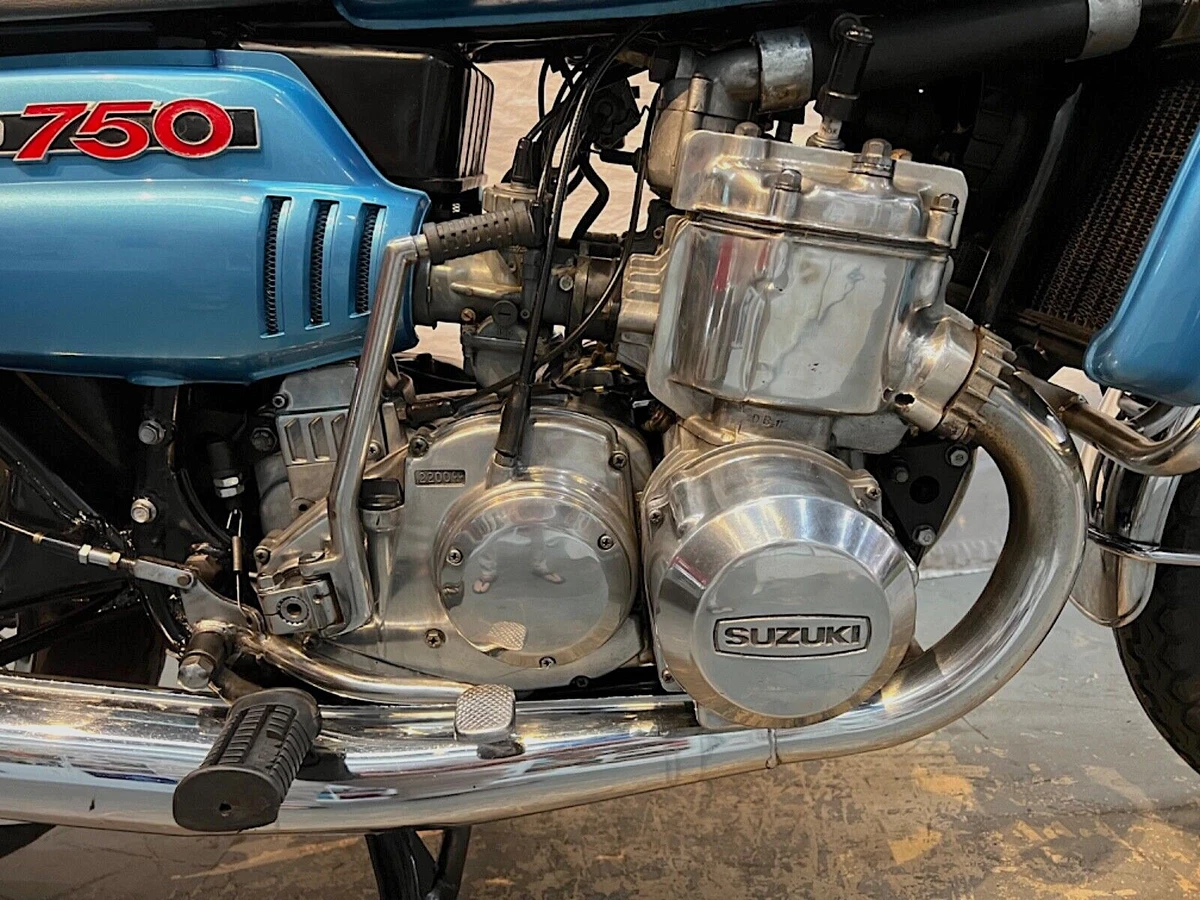
In that watershed year, Suzuki knew that four-stroke technology was the future of bigger sports/touring bikes. But it had made such a considerable effort to establish the two-stroke, twin-cylinder T500 (and TR500 racer) as a respected bike that it didn’t want to abandon mixing fuel with oil. So Suzuki had another pot grafted to the T500’s motor, resulting in a 738cc, two-stroke triple.
Weight Problems
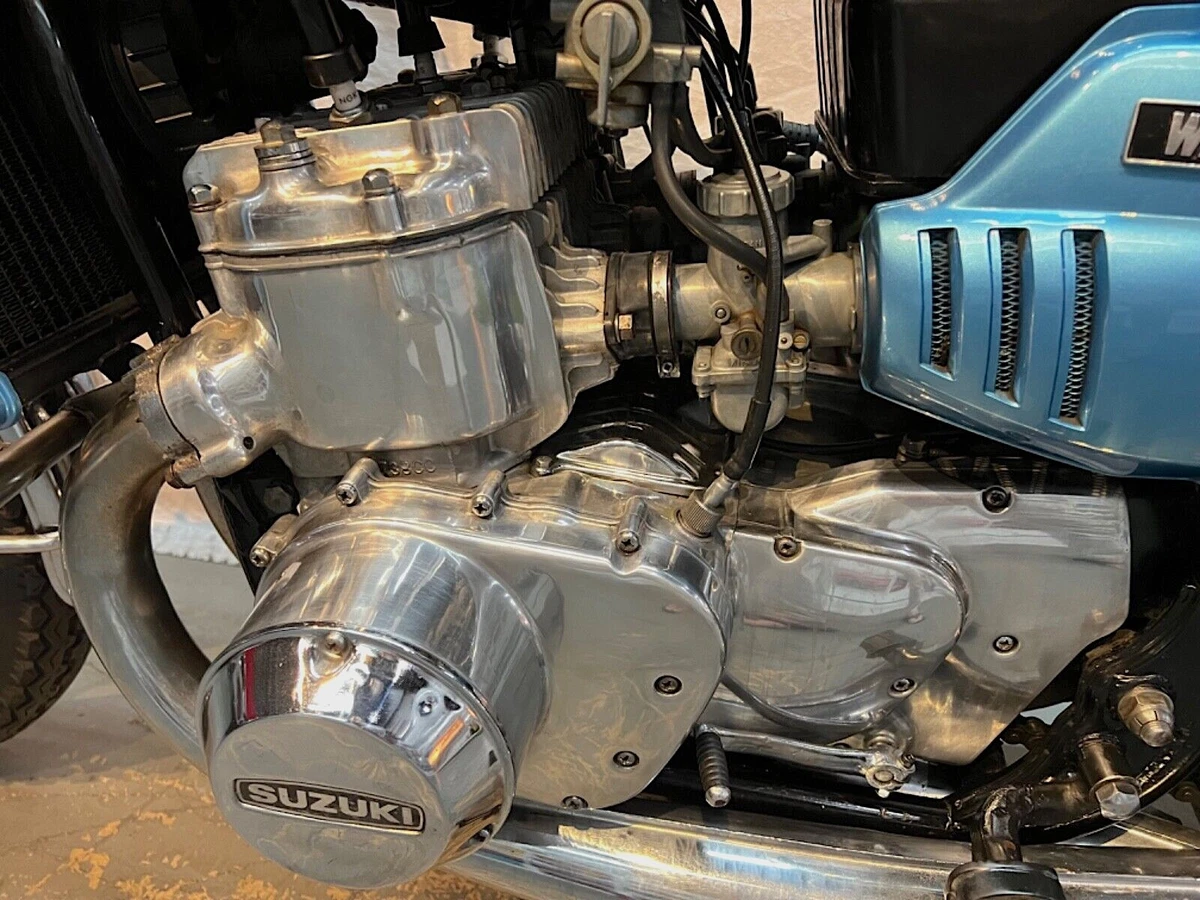
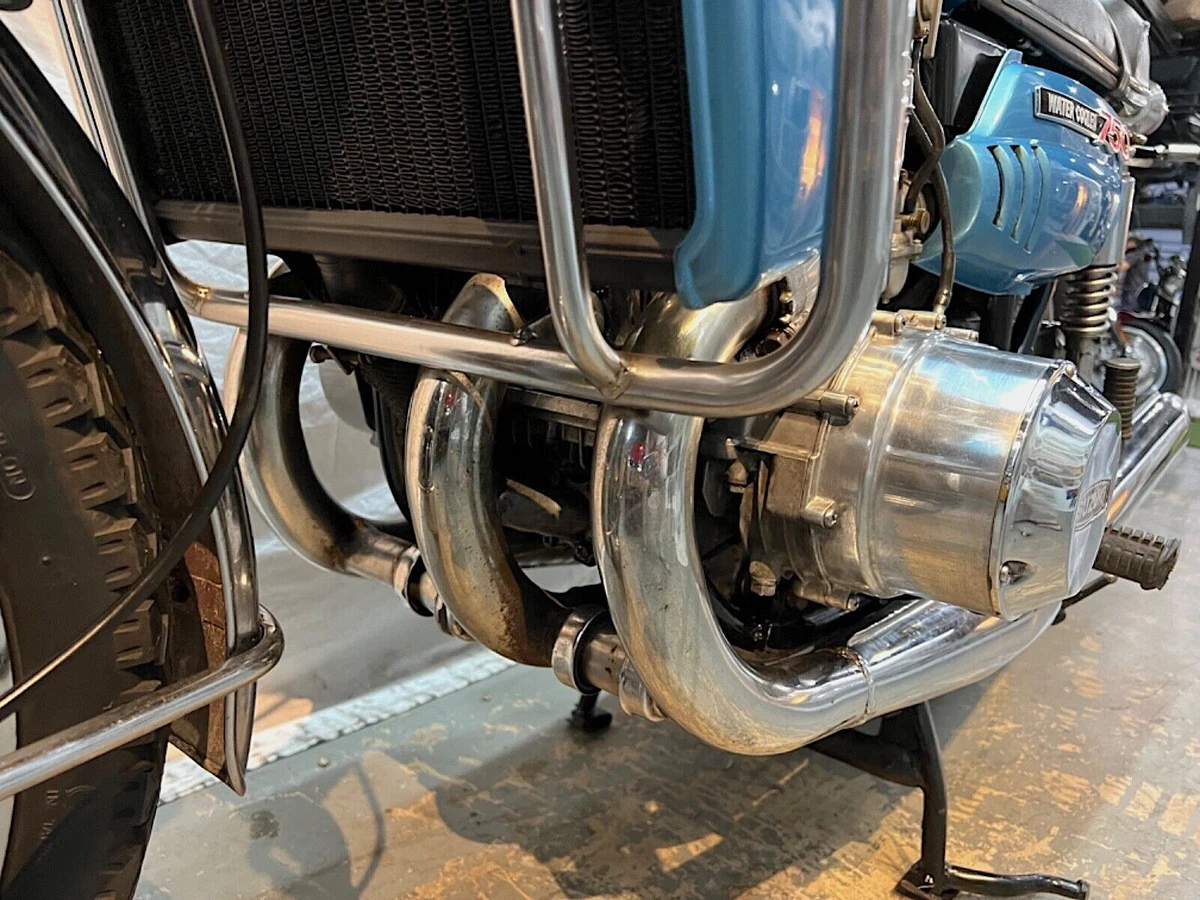
Weight should have been one of the GT750’s advantages, but there was a problem. Adding an extra cylinder to the old T500 motor caused extra heat. It warranted a radiator, hoses, water pump, thermostat, and an engine block and head with a water jacket in the casting. This contributed to the GT750’s portly 550 pounds—way more than the Honda CB750’s, which tipped the scales at 513 pounds.

So, performance wasn’t going to be Suzuki’s key selling point. Contemporary reviewers were keen to point out that the GT750’s weight couldn’t compete with the exemplary handling of a bike like the Norton Commando.
A Lovable Water Buffalo
Throughout North America, the Suzuki GT750 is better known as the “Water Buffalo,” a term of endearment. Venture down under, and Antipodeans refer to it with equal reverence as the “Water Bottle,” while Brits lovingly call them “Kettles.”
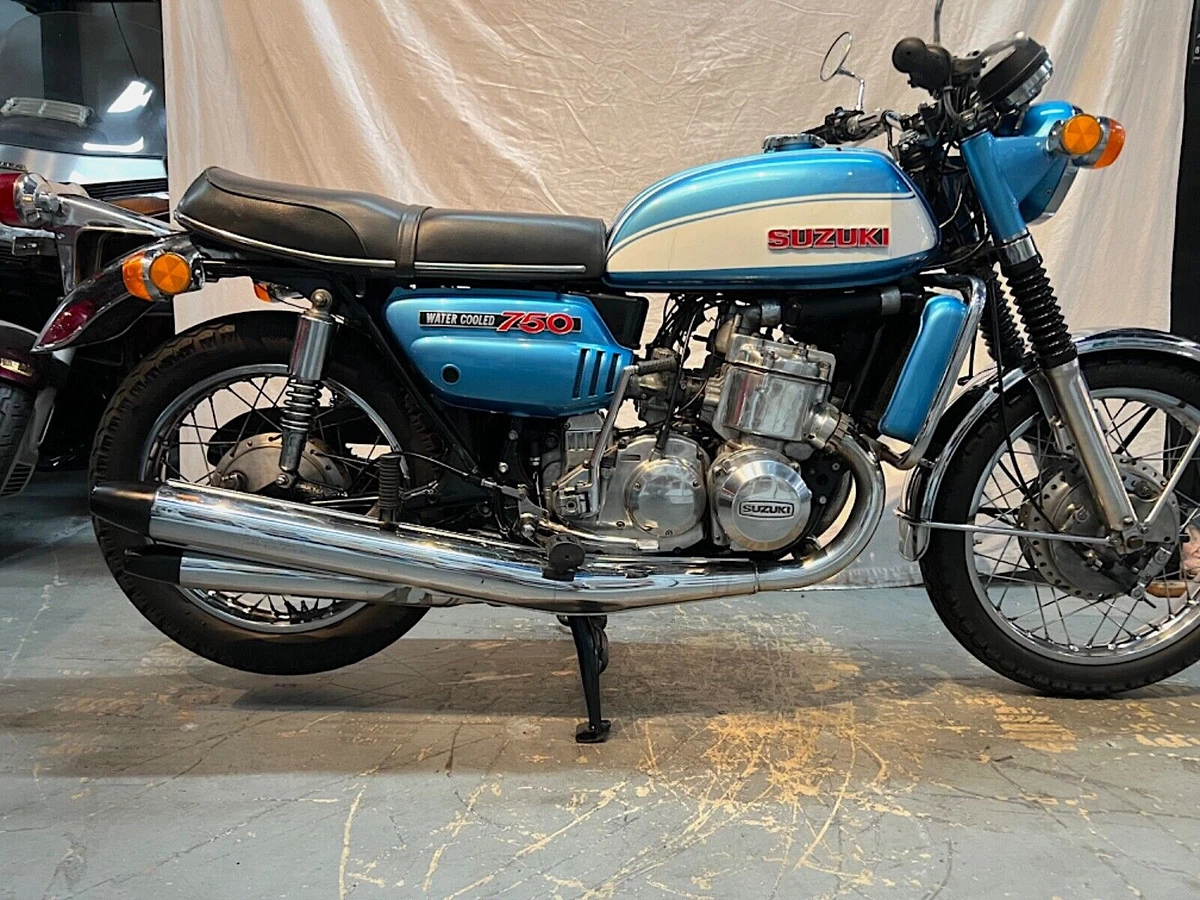
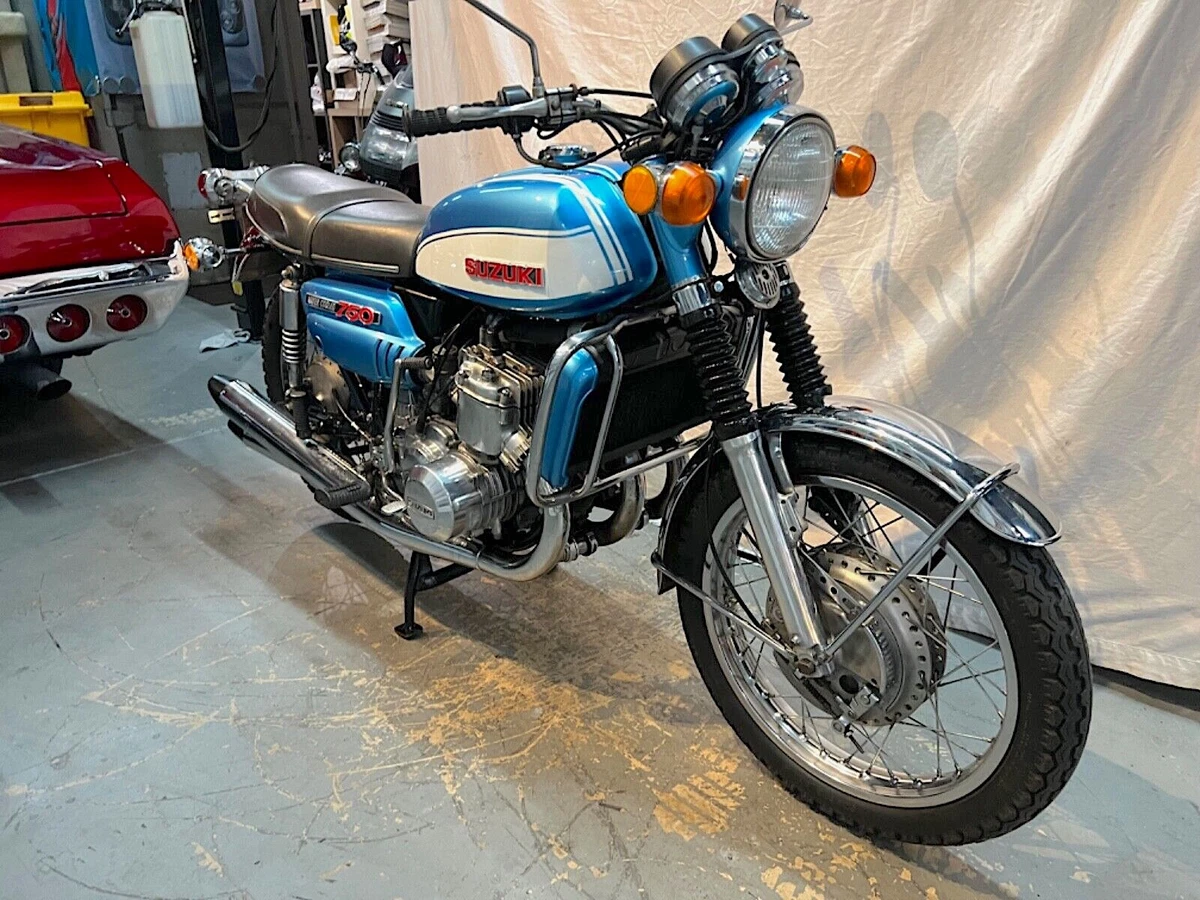
Each name refers to the motor’s water-cooling system with the large radiator that dominates the bike’s looks.
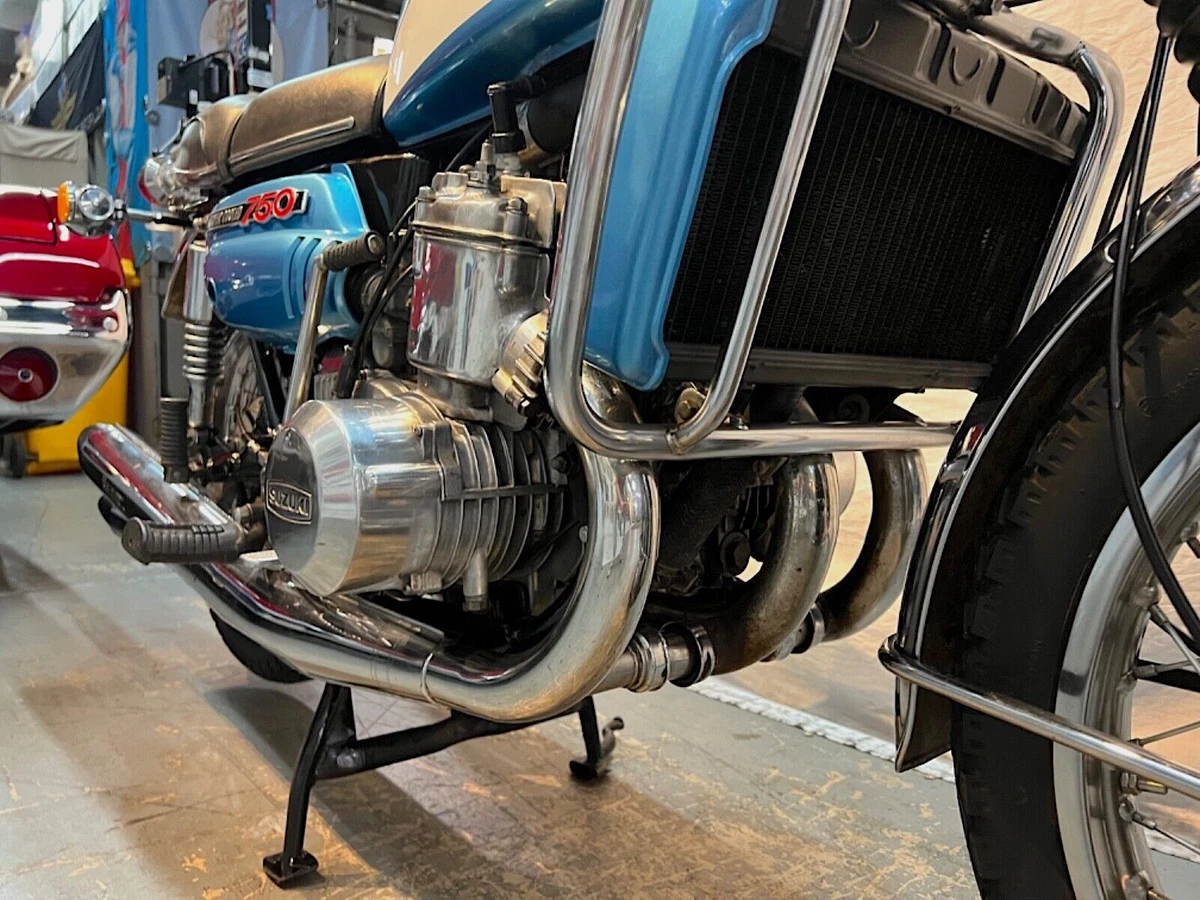
The Water Buffalo isn’t going to win stop-light-stampedes. And it’s not the weapon of choice for pilots wanting to wear out the very edge of the tires by reaching maximum lean-angles through the canyons. Although it is an appealing machine to behold, the sight of the radiator doesn’t help its style.
Yet, Suzuki GT570 owners the world over argue that it’s a motorcycling icon because it works so well. For starters, despite the extra weight, its 67 horsepower can whisk riders over 110 miles per hour, offering a sub-14-second standing quarter mile time.
That’s nothing to concern the Kawasaki H2 - opens in new window or tab., but its smooth power delivery makes it a fine touring bike. It’s comfortable and reliable in equal measure. Now add a decent supply of parts, and you have a practical and reliable bike that looks good and can also hit respectable speeds. That’s why people still love them today.
Year-One Survivor
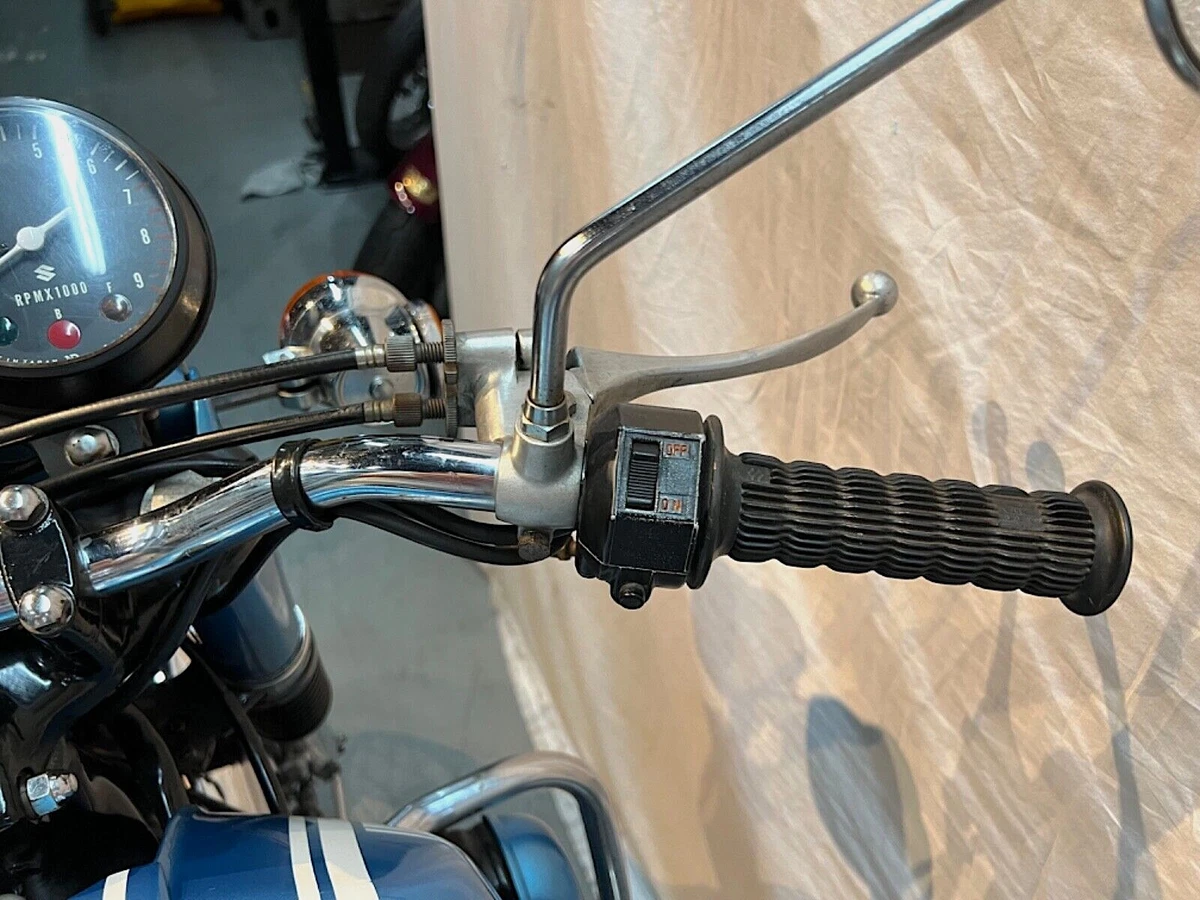
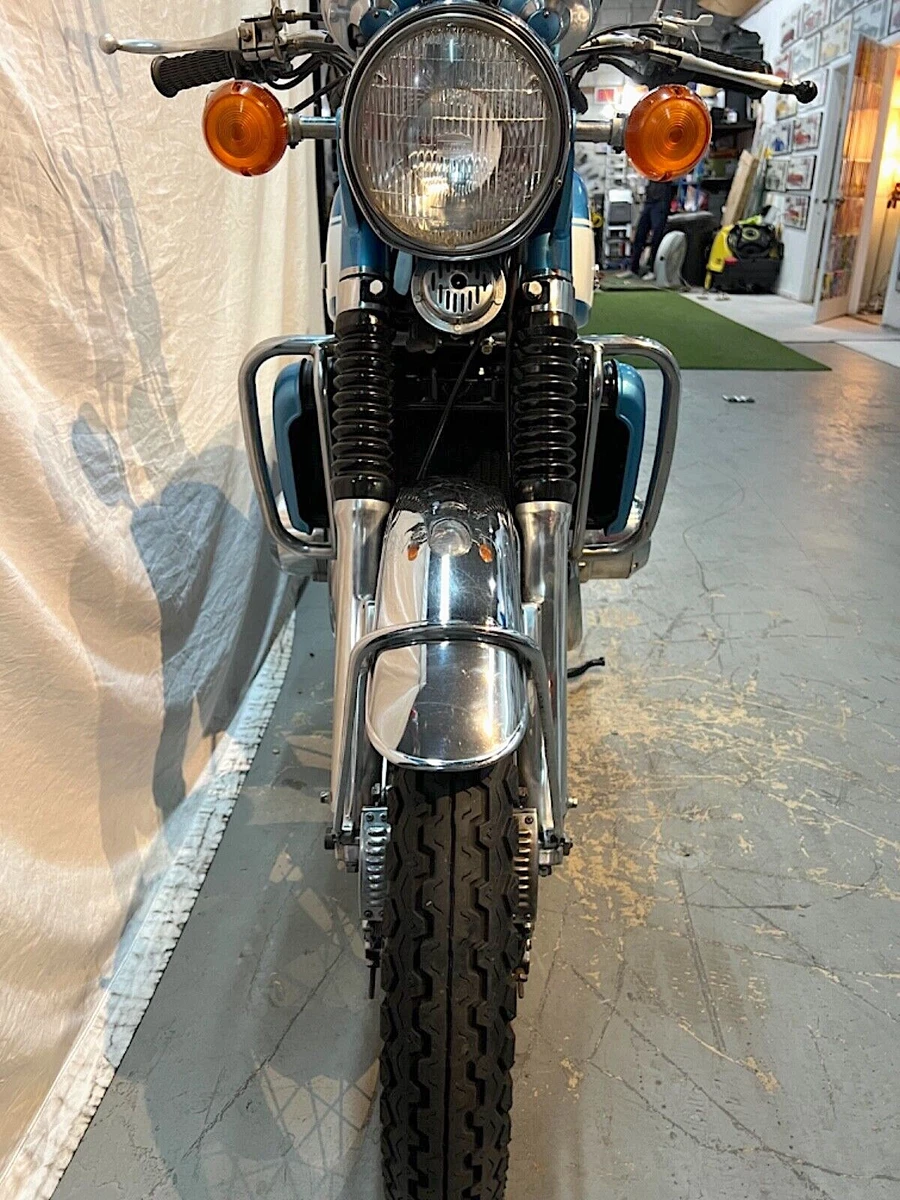
Each year of production brought various improvements and styling tweaks, but year-one machines stand out because this was the only year when a front drum brake was fitted, as seen in this example which was listed on eBay in Miami, Fla.

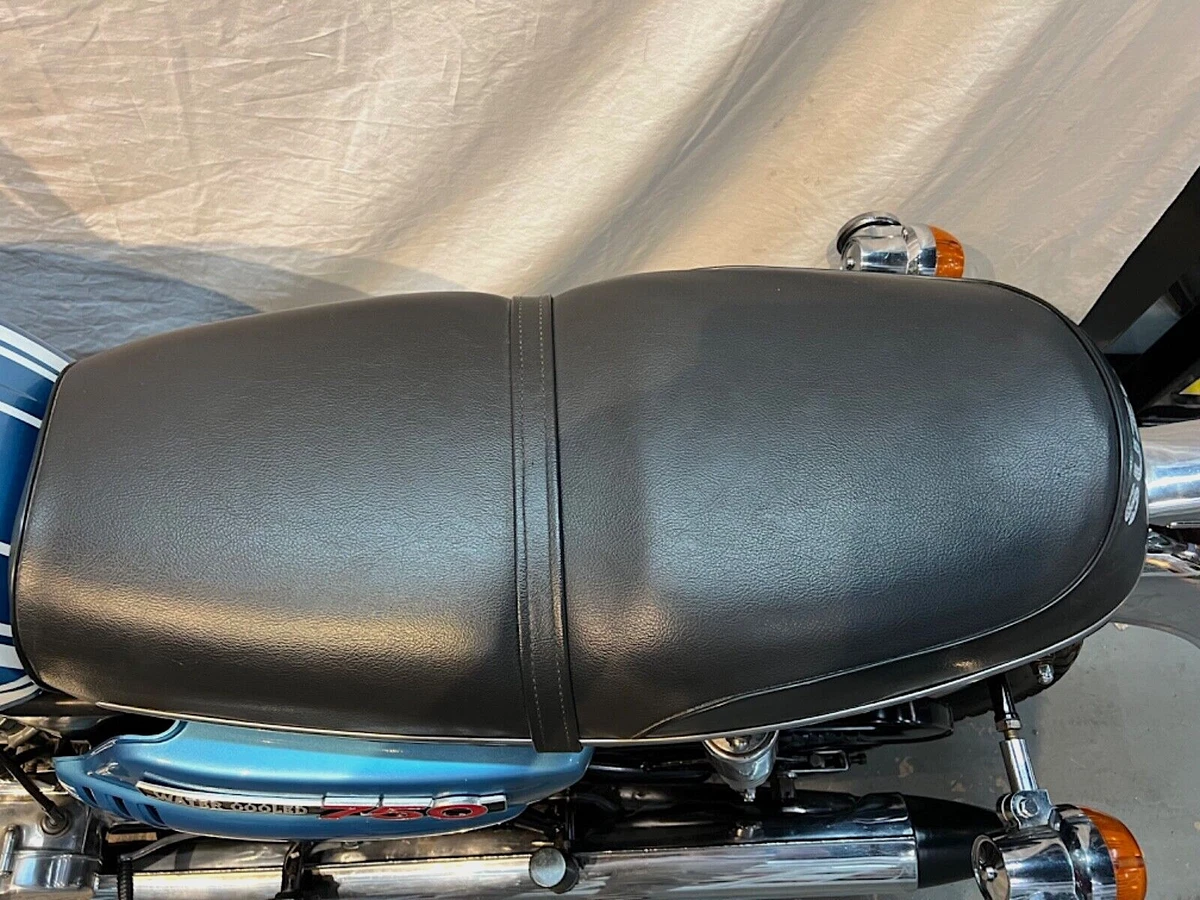
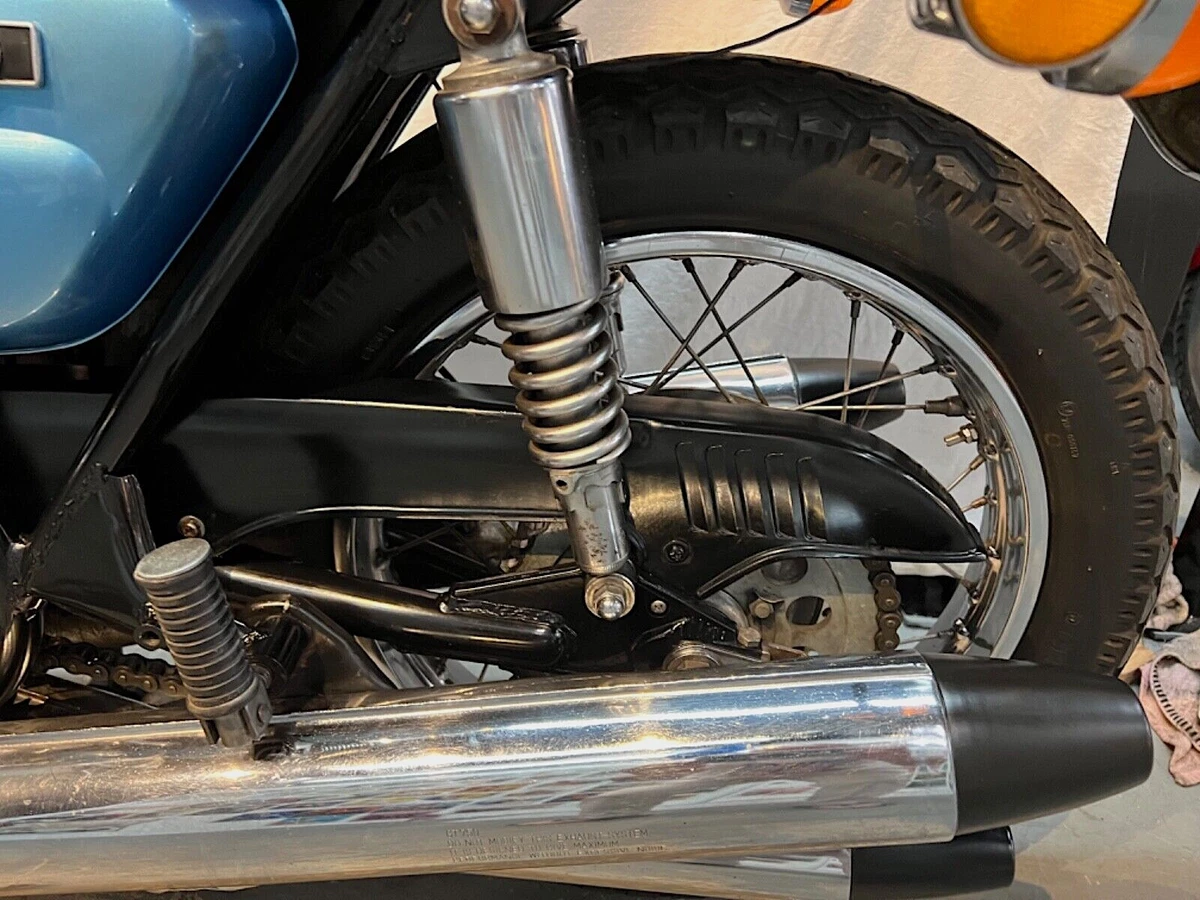
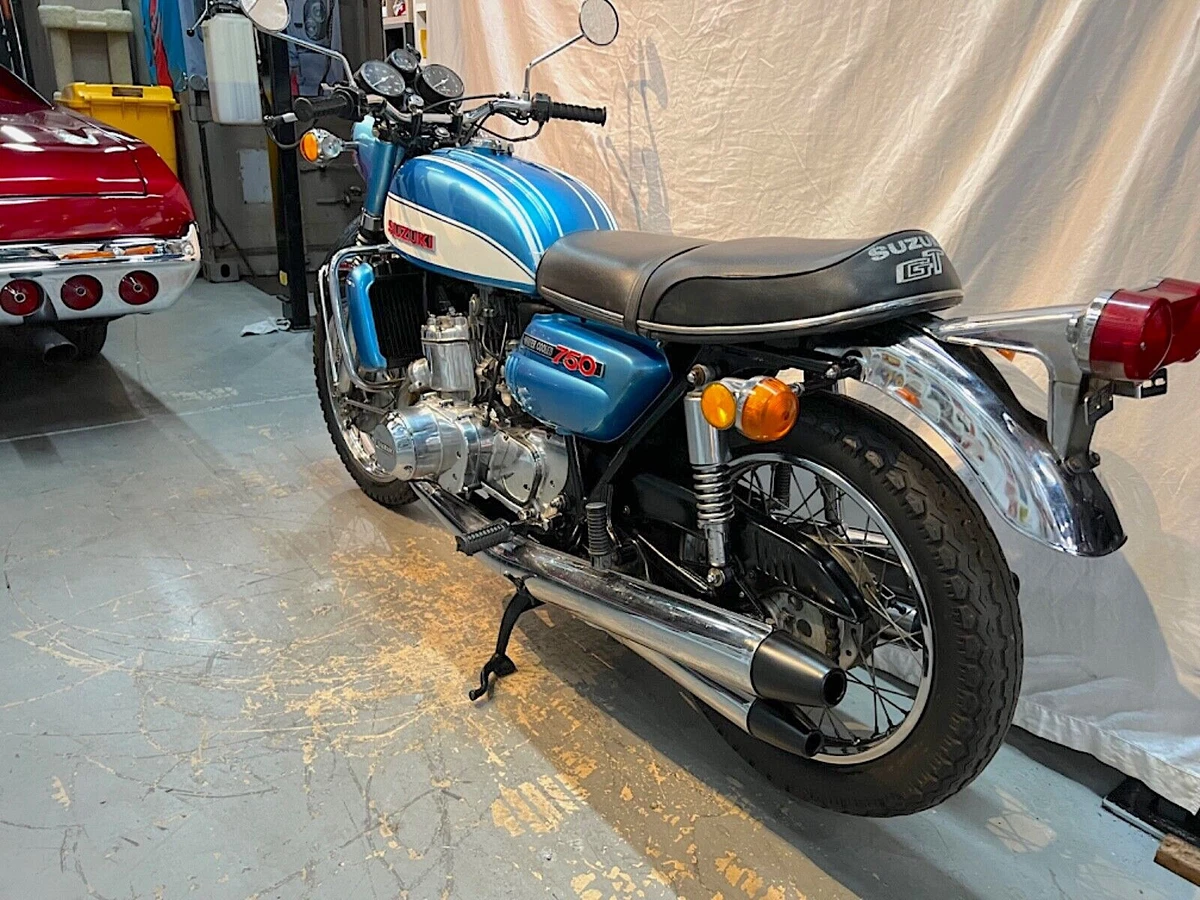
As the seller states, it had some of its Candy Jakal Blue paint re-done, but aside from that, this appears to be an otherwise unmolested and largely original survivor. It hasn’t been run for some time. So, having the seller’s specialist mechanic perform some recommissioning is prudent. When that work is done, this Suzuki GT750 will fulfill its iconic legacy as a two-stroke classic you can comfortably use today.
About the author

Share your feedback
This article is meant to provide general guidance only. Automotive maintenance, repair, upgrade, and installation may depend on vehicle-specifics such as make and model. Always consult your owner's manual, repair guide for specific information for your particular vehicle and consider a licensed auto-care professional's help as well, particularly for advance repairs.