The Suzuki Cappuccino and Other Tiny Roadsters You Never Knew Existed
Sports Cars
Classics
Asian
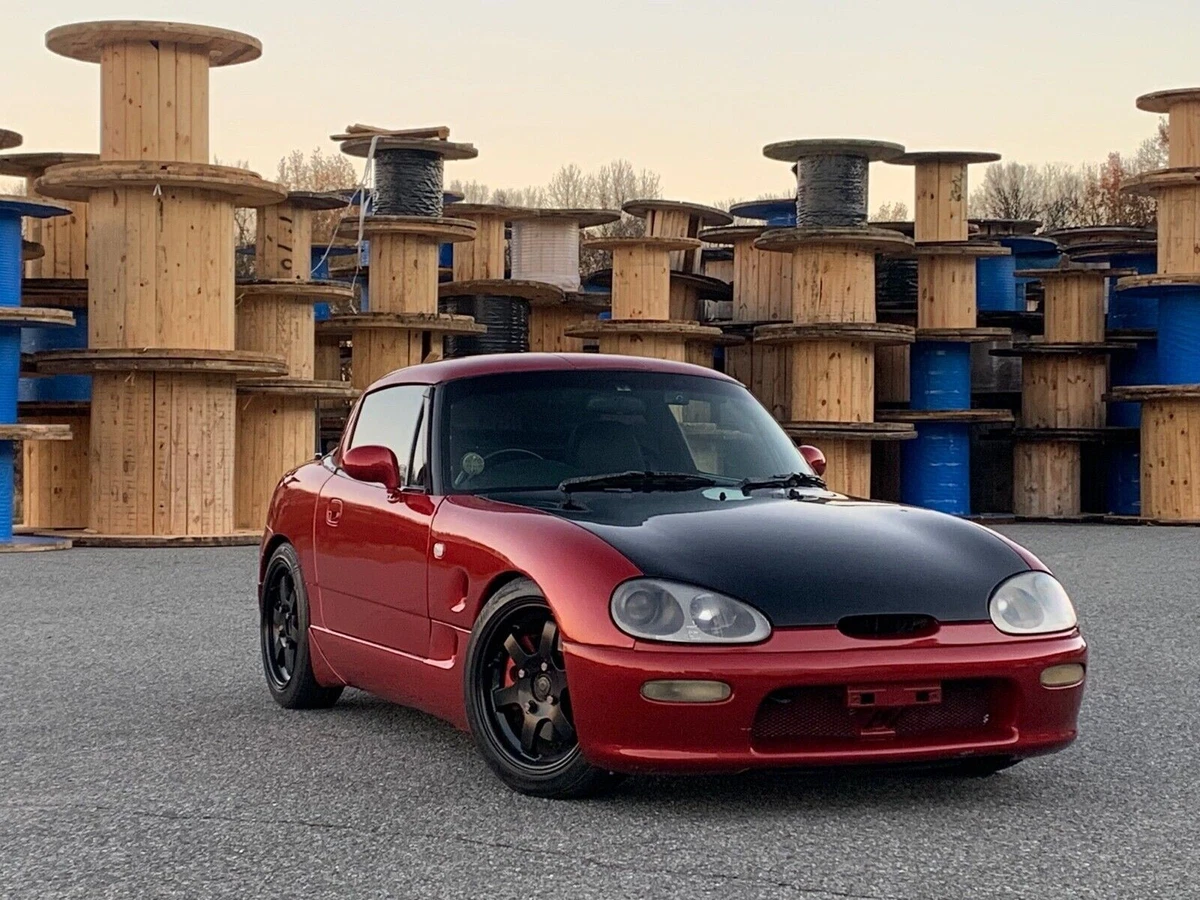
Very small Japanese cars work in their home markets where highway driving is not as prevalent as it is in supersized America. Even relatively sizable cars like the first-generation Mini (1959 to 1968) flamed out in the US because it was not a fit for the interstate. Still, what didn’t make sense in the past can be a lot of fun for a driving enthusiast today. The Suzuki Cappuccino is a case in point.
Pint-sized roadsters make the argument that driving excitement is not only about horsepower. They reflect Lotus founder Colin Chapman’s - opens in new window or tab. dictum, “Simplify, then add lightness.” Many of the best foreign examples—cars you might have never heard of—are pipsqueak sports models, often hatchbacks, with engines of two liters or less, turbocharged and manually shifted. They’re cars for young-at-heart drivers who understand the thrill of small, fast machines.
A Small Shot
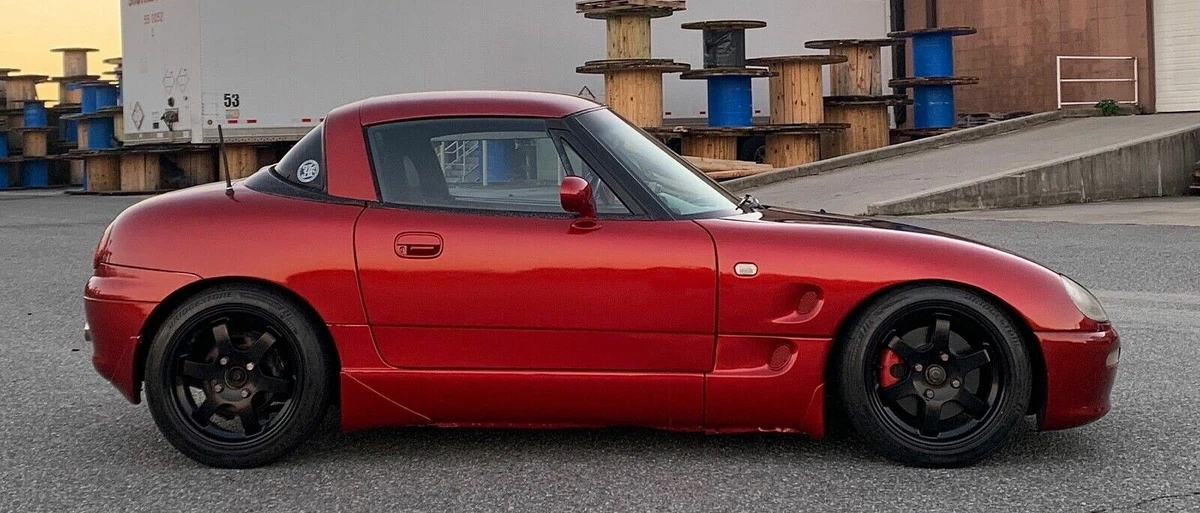
Let’s start with the 1992 Suzuki Cappuccino roadster for sale on eBay. It looks like a squashed Miata.
The Cappuccino, offered from 1991 to 1998, is a Japanese “keijidosha” (or kei car) meaning “light automobile.” Since 1990, kei cars have been limited to 660cc and 64 horsepower. Keis have tax and insurance benefits, which is why, in some years, they command a third of the Japanese market. Automakers have outdone themselves innovating in the space, and the front-engine, rear-drive Cappuccino is a standout.

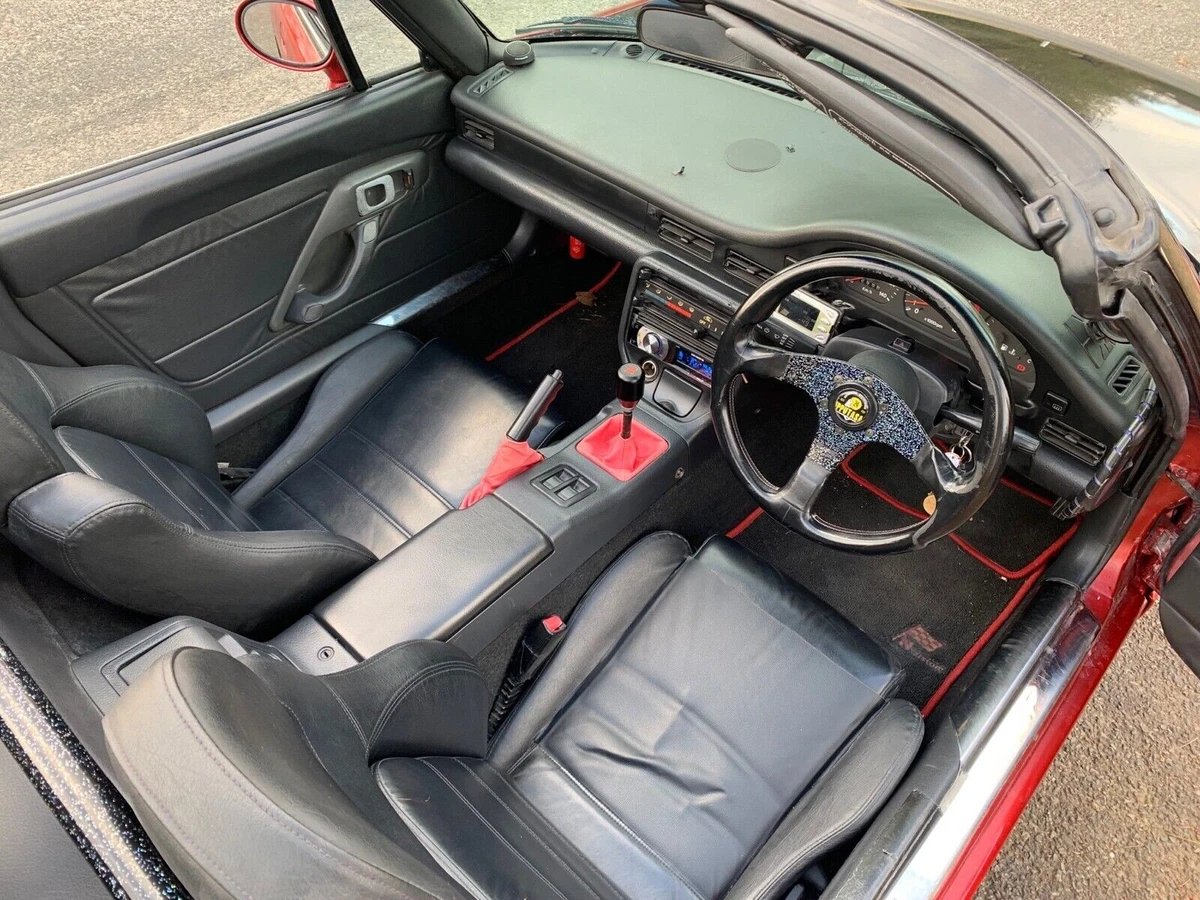
The two-seat Cappuccino weighs around 1500 pounds, and its three-cylinder 660cc turbo engine produces 63 horsepower. The weight distribution and five-speed manual favor chucking the little roadster around. It came with a folding hardtop that could be enjoyed as a full convertible or as a Targa with removable t-tops.

The Suzuki Cappuccino is one of the ultimate kei cars.
This very clean Cappuccino comes straight from the streets of Tokyo and is registered for use in the US. Extras include:
- A desirable “Garage John” exhaust
- A limited-slip differential
- Front and rear strut bar
Beat, Copen, and Figaro

Honda’s Beat, now over 25 years old, is coming to America.
The Honda Beat - opens in new window or tab. (1991-1996) is more than 25 years old, so we’re starting to see them arrive on these shores. The Beat boasts Pininfarina styling, a mid-engine layout, and the maximum-permissible 64 horsepower. It can rev to 8,000 rpm.

Ever seen a Daihatsu Copen? Neither have we.
The little-known Daihatsu Copen is just as cute as the Beat and Cappuccino. Daihatsu launched it with the requisite 660cc turbo, but since that power plant didn’t meet European environmental regulations, export versions got a 1.3-liter engine. A second-generation Copen appeared in 2014, but by then, it was strictly kei. Copens were sold new in the UK, so eBay UK has a multitude of them.
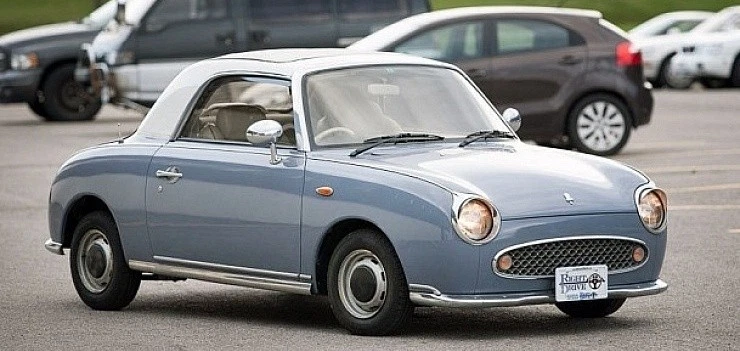
Nissan’s Figaro was a retro hit in 1991.
Meanwhile, this 1991 Nissan Figaro - opens in new window or tab. is the definition of cute. The front-engine, front-drive retro roadster is modern under the skin. Nissan produced only 20,073, almost all right-hand drive. Now, they have fans all over the world. Endearing features include two-tone paint and rounded bodywork, with retro touches throughout. On the Figaro, the side panels remain in place, but the soft fabric top goes down.
Tiny American Roadsters
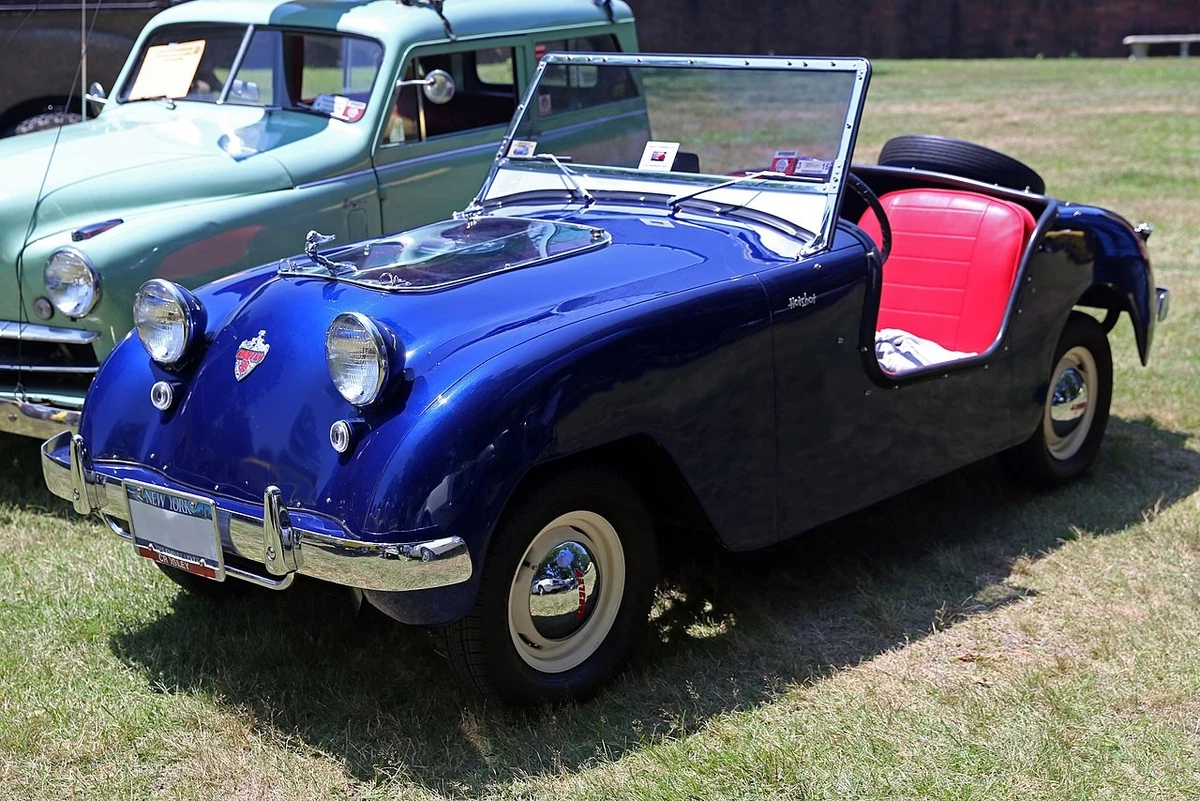
The Crosley Hot Shot was the performance variant.
Americans seeking pint-sized performance might consider the Crosley Hot Shot, introduced in 1949. It’s widely considered America’s first post-war sports car—four years before the Corvette.
The Crosleys have disc brakes on all four wheels, innovative for the time. The Hot Shot weighs only 1,095 pounds and was sold for just $849. Power comes from a 26.5-horsepower engine capable of more than 80 mph. eBay has an abundant supply of Crosley Hot Shot parts - opens in new window or tab..
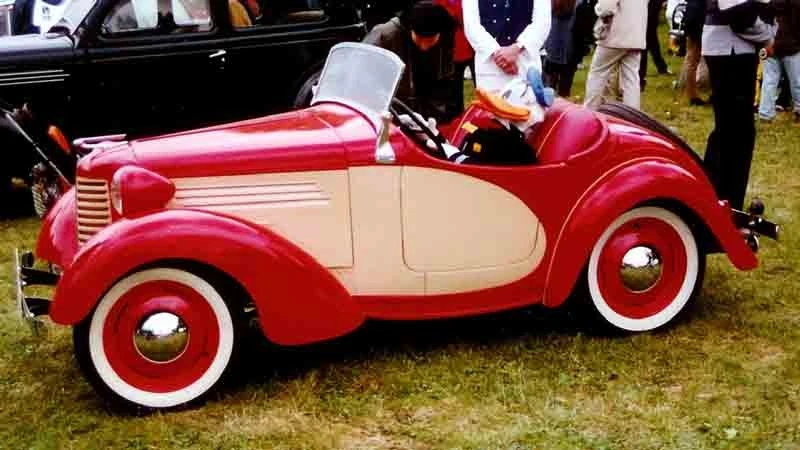
The American Bantam Model 60 Roadster of 1938.
eBay also has parts and accessories for the Pennsylvania-produced American Bantam - opens in new window or tab., which dates to 1935. It was based on the Austin Seven from England. Early two-tone Bantam Roadsters are aw-shucks cute and look like clown cars—and circuses used them for that purpose. A 747cc engine was under the hood, producing 20 horsepower.
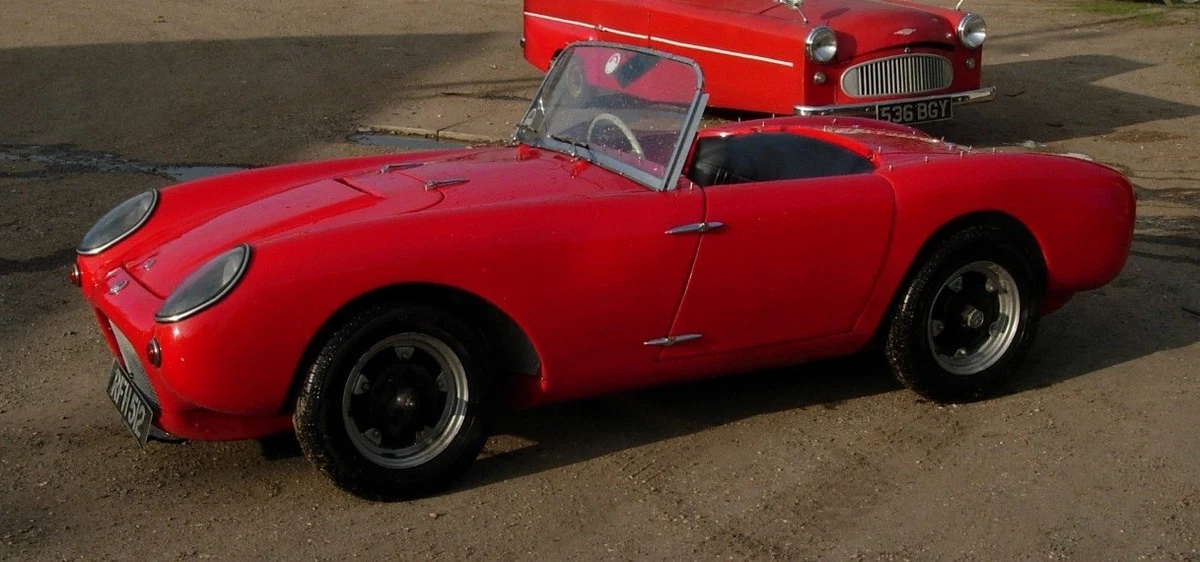
The Berkeley Roadster, with motorcycle power, actually made it to the American market.
Mighty mites are still with us today, although at a slightly bigger scale. A prime example is the Honda Civic Type-R - opens in new window or tab., which keeps winning fun-to-drive contests. The turbocharged four delivers 315 horsepower and 310 pound-feet of torque in a small package. Or how about the Volkswagen Golf R - opens in new window or tab., which weighs 3,100 pounds and offers almost precisely the Civic’s power from its similar turbo four?
While not as small as the Cappuccino or Beat, they prove that—when it comes to driving joy—less can be more.
About the author

Share your feedback
This article is meant to provide general guidance only. Automotive maintenance, repair, upgrade, and installation may depend on vehicle-specifics such as make and model. Always consult your owner's manual, repair guide for specific information for your particular vehicle and consider a licensed auto-care professional's help as well, particularly for advance repairs.