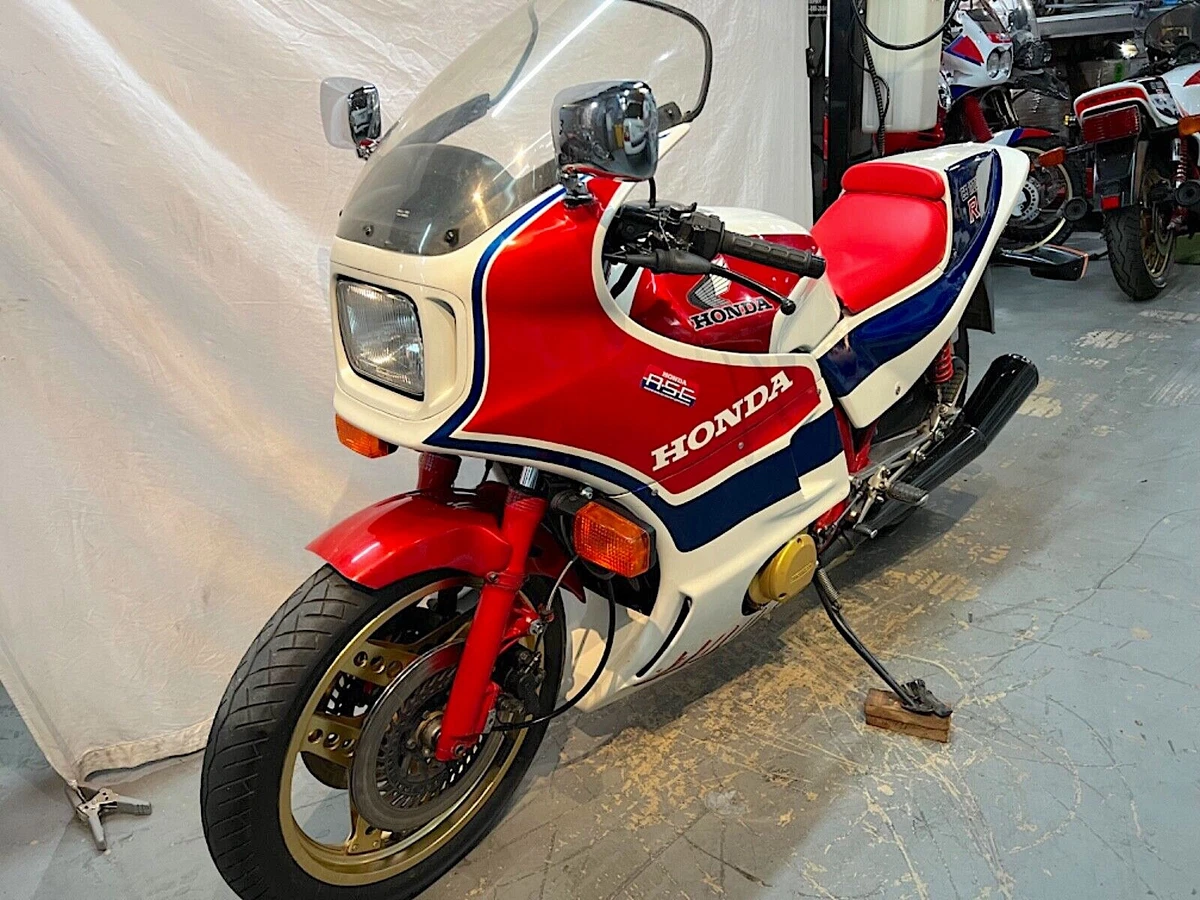
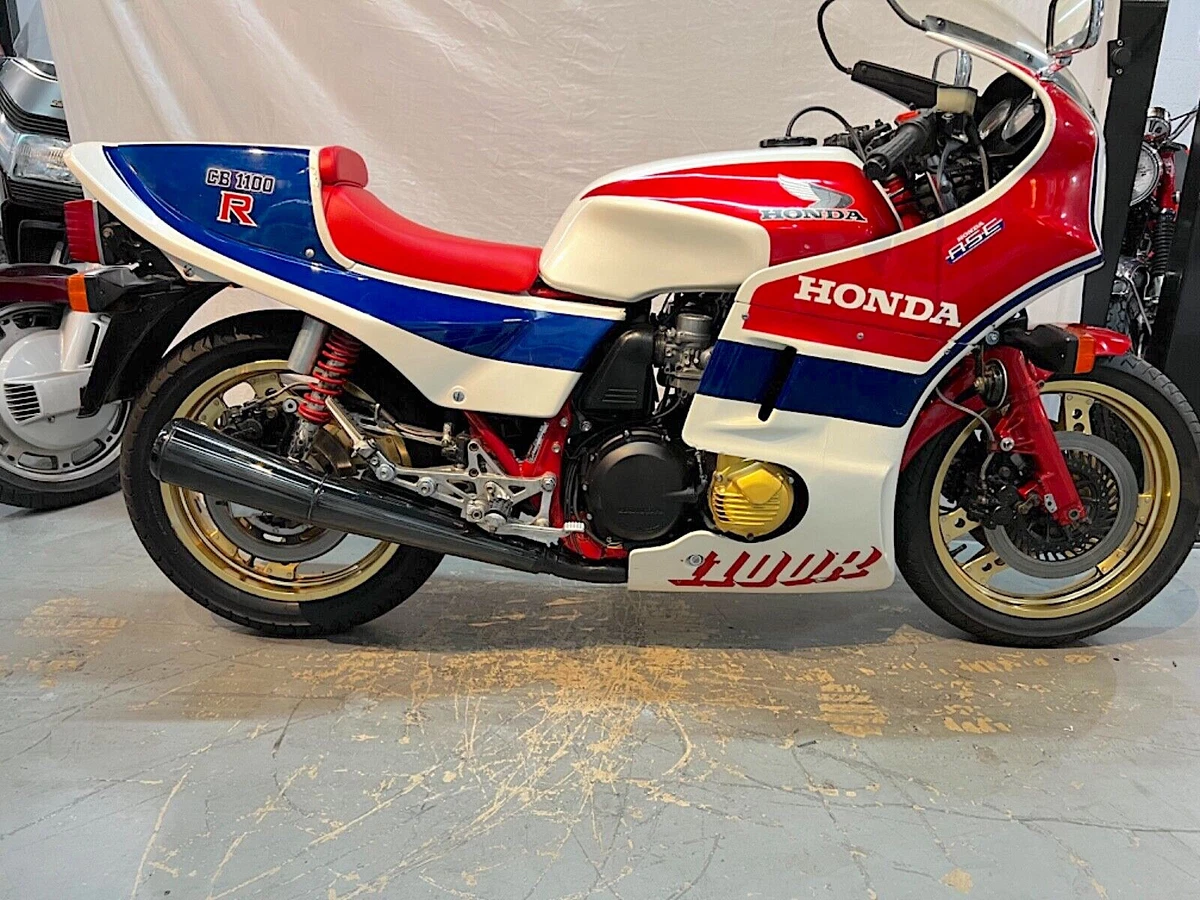
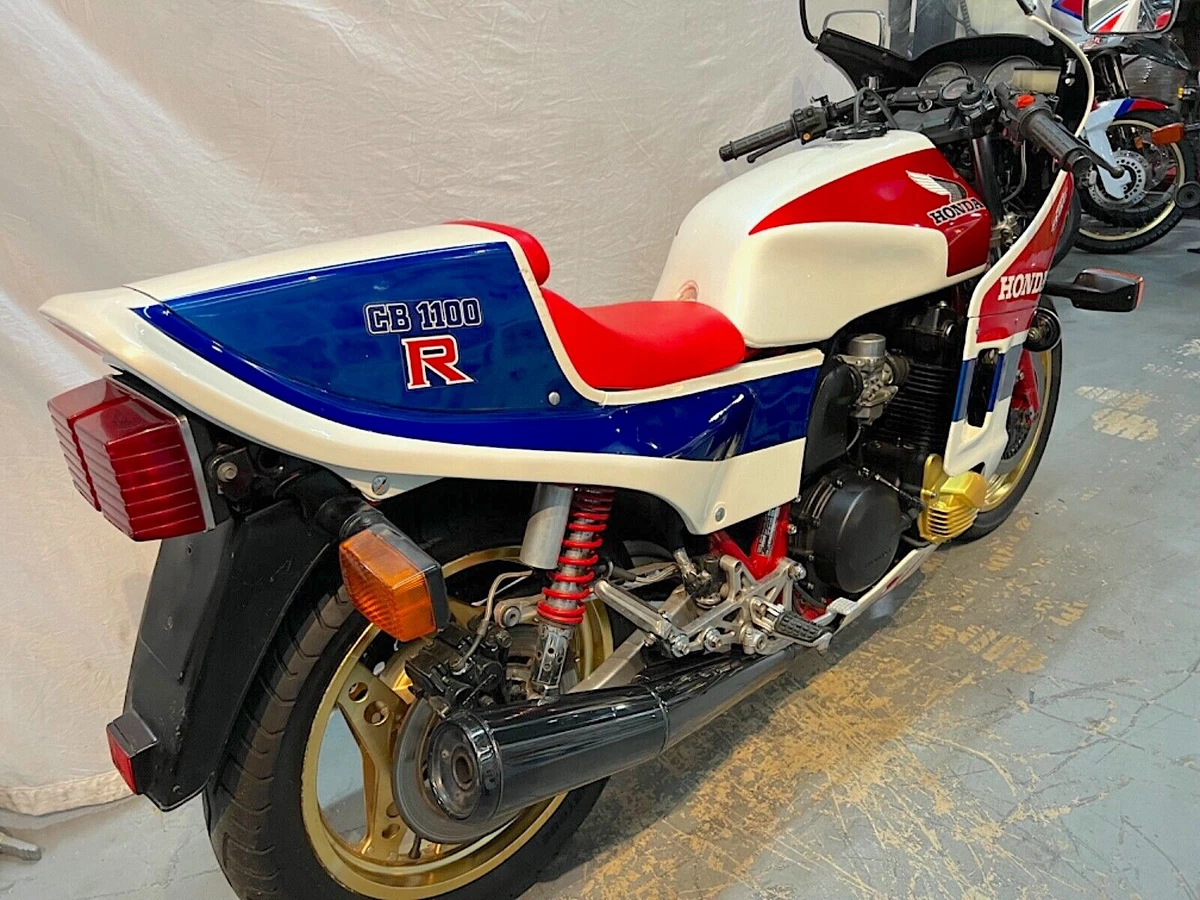
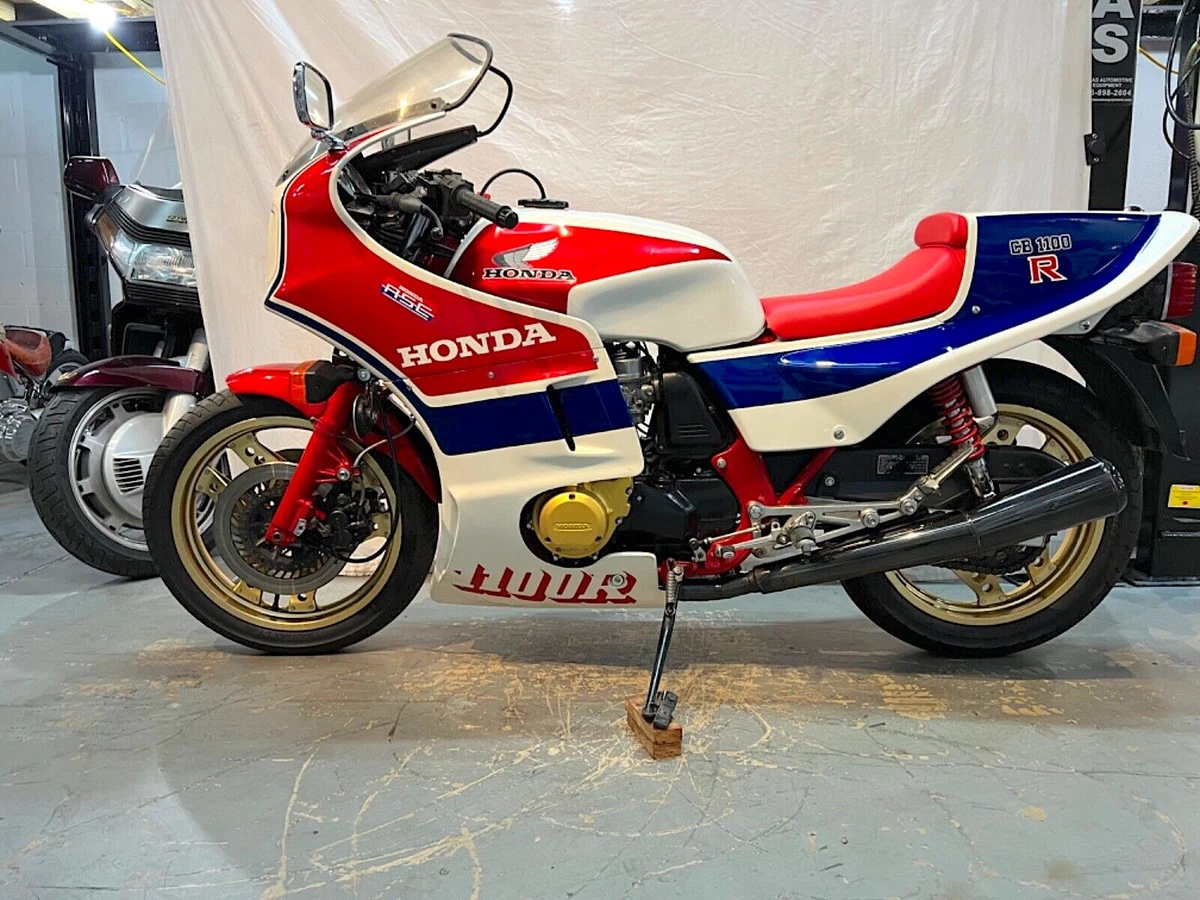
Honda’s superbikes have been the go-to choice for decades. Their lineage can be traced directly to the advent of the CB1100R. Few were built, and this 1983 Honda CB1100R was recently offered on eBay.


item 1 of 17
The Mother of Invention
Honda left the motorcycle world’s jaw agape with its competition bikes in the 1960s, but the company struggled during the 1970s. In fact, it’s fair to say that efforts like the NR500 were a failure. Suzuki, Kawasaki, and Yamaha not only caught up but were establishing themselves as superior racers.
Coming up with a leading, technologically advanced, large-capacity racer became a necessity for Honda. The answer was the CB1100R, debuting in 1980. It marked a key moment in motorcycle history as the first-ever dressed-up race replica, built first and foremost to win on the circuits.
An Instant Hit
The 1100R’s first major outing for 1980 was at the challenging Castrol Six Hour race for production-based bikes at Australia’s Amaroo circuit. Despite Suzuki’s presence with its menacing GSX1100, Honda’s bikes came in first and third. The winning bike dominated from lights to flag, ridden by the young pairing of Andrew Johnson and Wayne Garder - opens in new window or tab.. The latter later would become MotoGP World Champion in 1987—again on a Honda.

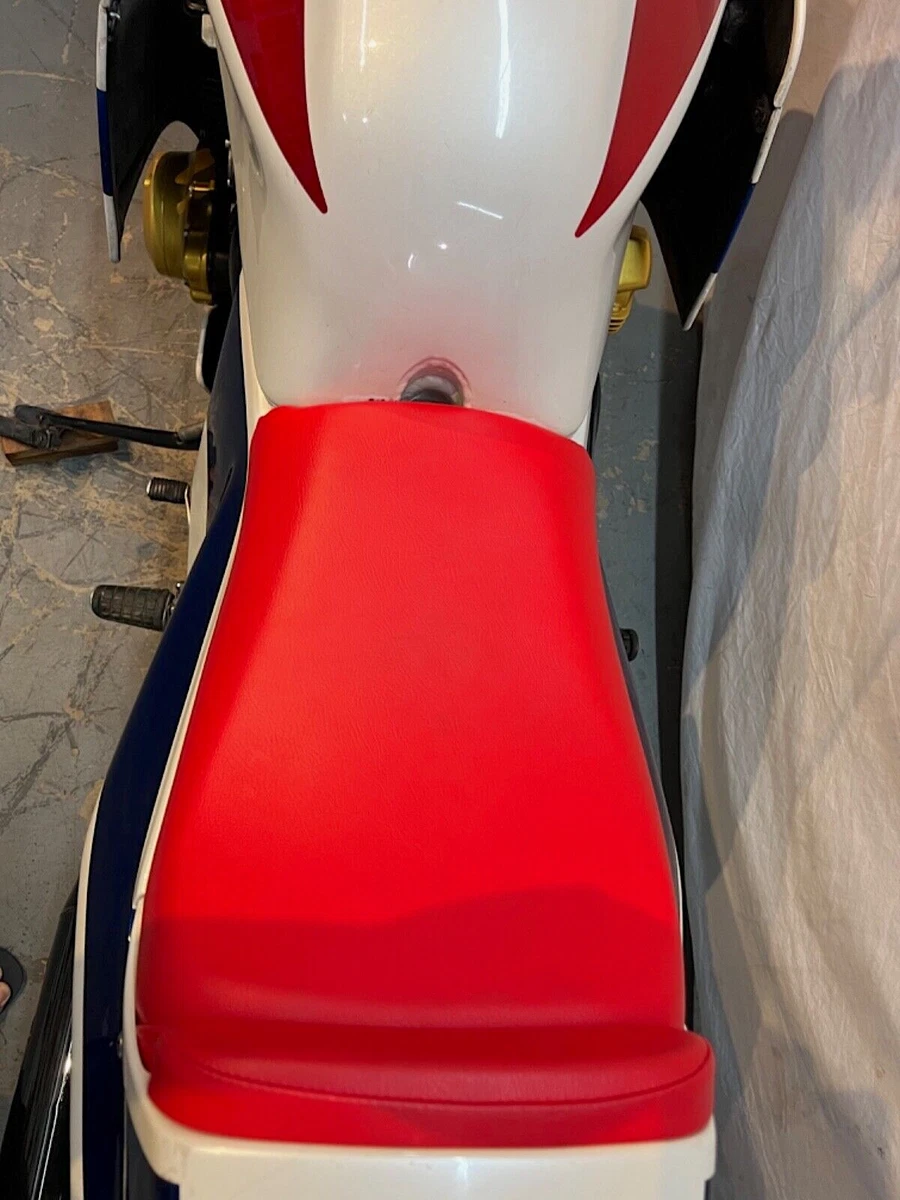
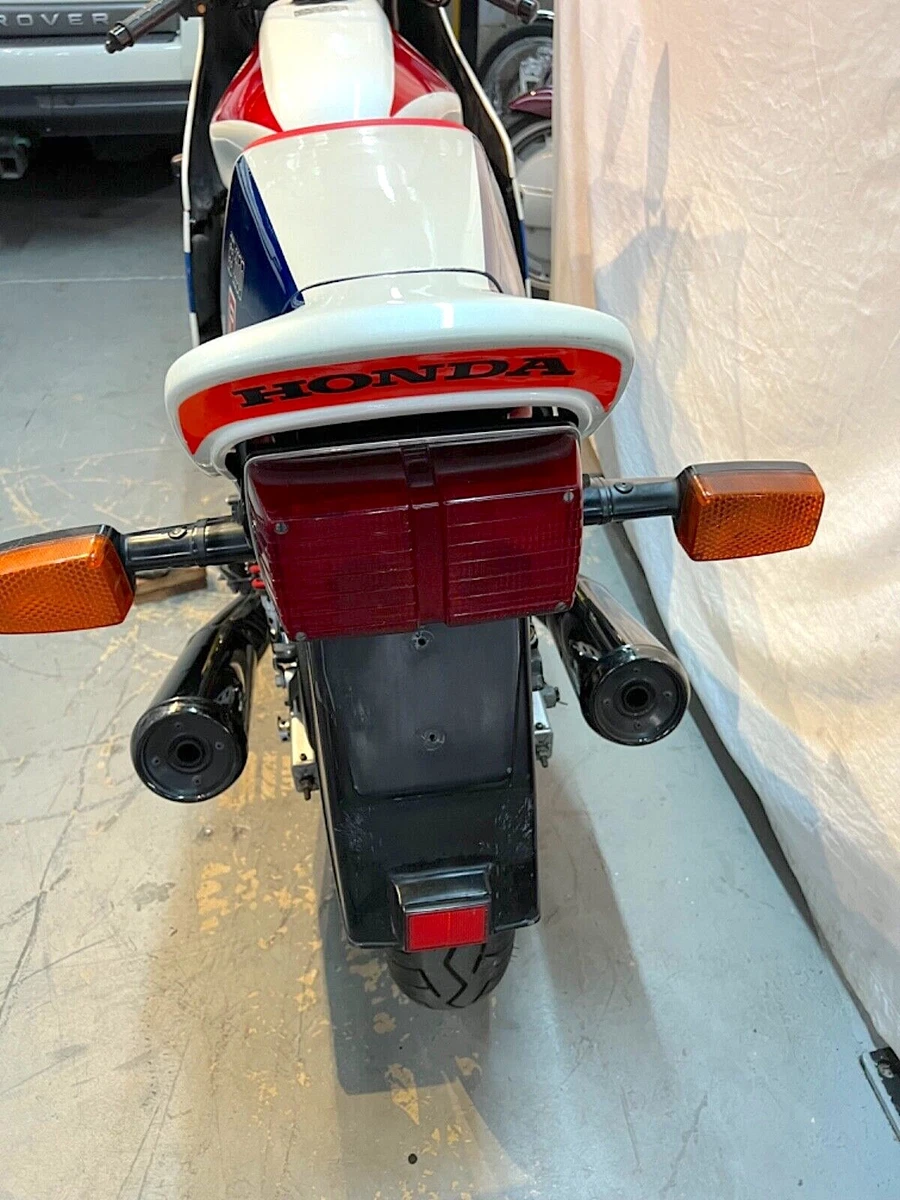
The Australians saw fit to ban the CB on the basis that it didn’t feature a pillion seat. (Honda ingeniously hid one on later bikes using some cunning bodywork.) In 1982, Gardner and the CB1100R returned and won it again.
Meanwhile, in the UK in 1981, seasoned racer Ron Haslam won an incredible seven out of eight rounds of the Shell Oils British Streetbike series. This was the bike to beat.
The maximum capacity for endurance racing was reduced to 1,000 cc in 1983, which meant no more six-hour races. But the CB1100R had already succeeded in taking Honda back to the top step.
Brawn and Beauty
Honda had a fine starting point for its new bike with the ever-popular CB900 - opens in new window or tab., although the CB1100R was far more than a 900 wearing its best party outfit.
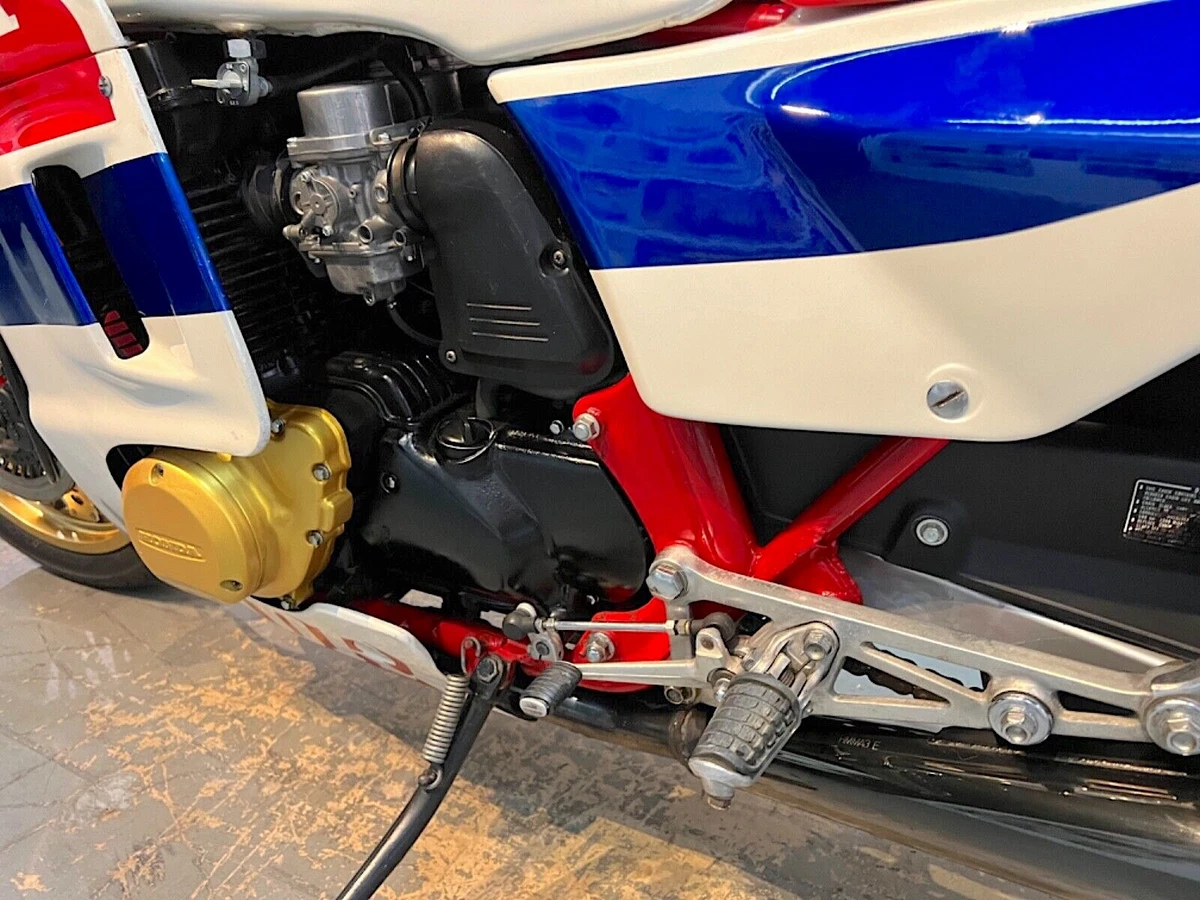
Honda increased the bore size to give a total volume of 1,062 cc and improved the gearing to suit the new motor’s characteristics. Bikers hold a special affection for these later air-cooled superbike motors. They had a certain feel you don’t get with more modern water-cooled, fuel-injected machines.
To illustrate the point, here’s some wonderful footage of a Honda CB1100R devouring the competition at the legendary Bathurst circuit. Just watch what happens on the straightaway.
The clutch, oil cooler, and carburetors were similarly upgraded. Designers stiffened the frame by making the CB900’s removable lower frame tube a permanent fixture. In anticipation of the 1100’s cornering capability, Honda even fitted a smaller generator that allowed the bike to be tipped over just that much further.
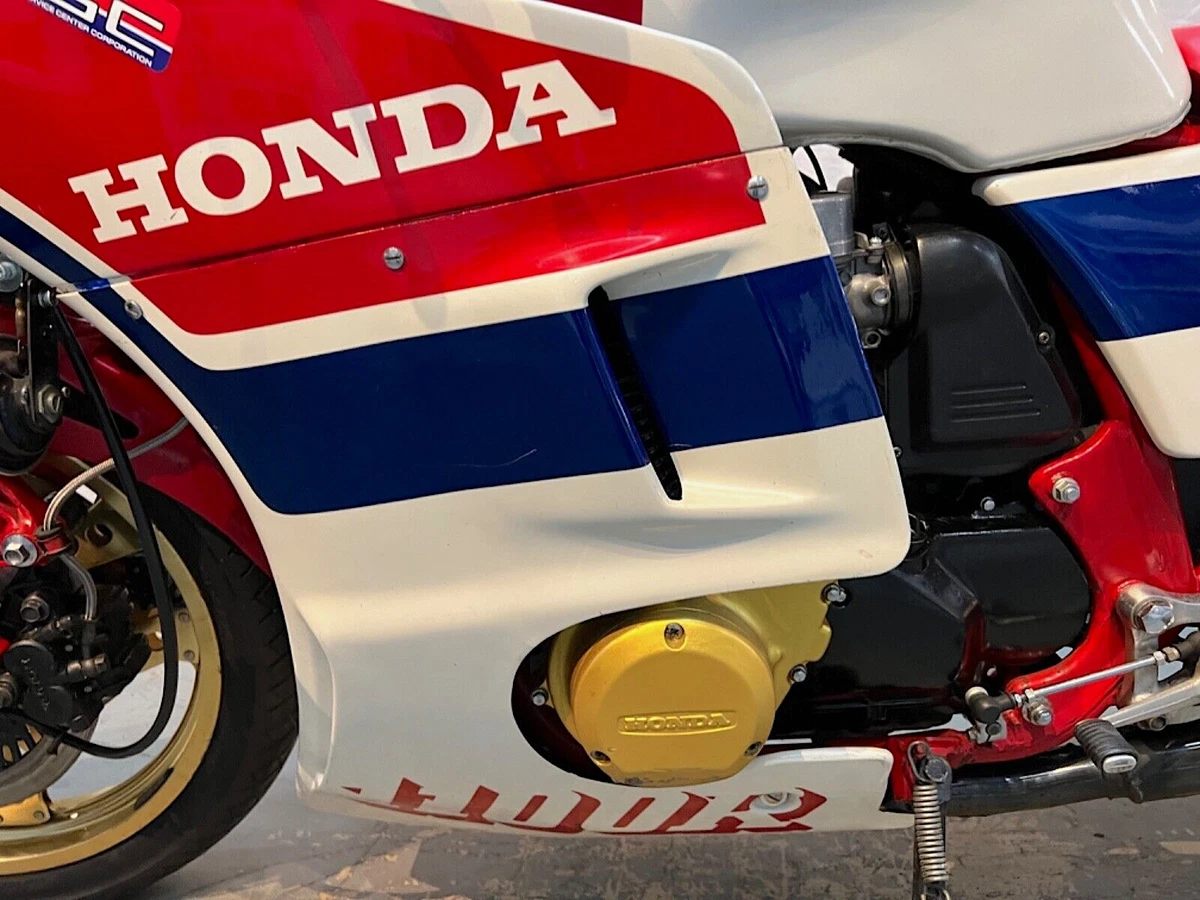
Unlike this 1983 model, the first 1980 offering had very little bodywork. But after reports of some instability at race speeds, Honda offered a full fairing on the 1982 and 1983 models. It should be noted that as similar as the panels are between 1982 and 1983, they are, in fact, not interchangeable.
Just a Track-focused Special?
Perhaps Honda’s neatest trick with the CB1100R was that, despite its being conceived and built for racing, it was reportedly a fine machine for the road as well. in a contemporary test, Motor Cycle Weekly declared:
The Honda is not a howling, peaky, un-rideable monster that only operates above 100 mph. It is sane, tractable, smooth, typically efficient, and overall easy to ride.
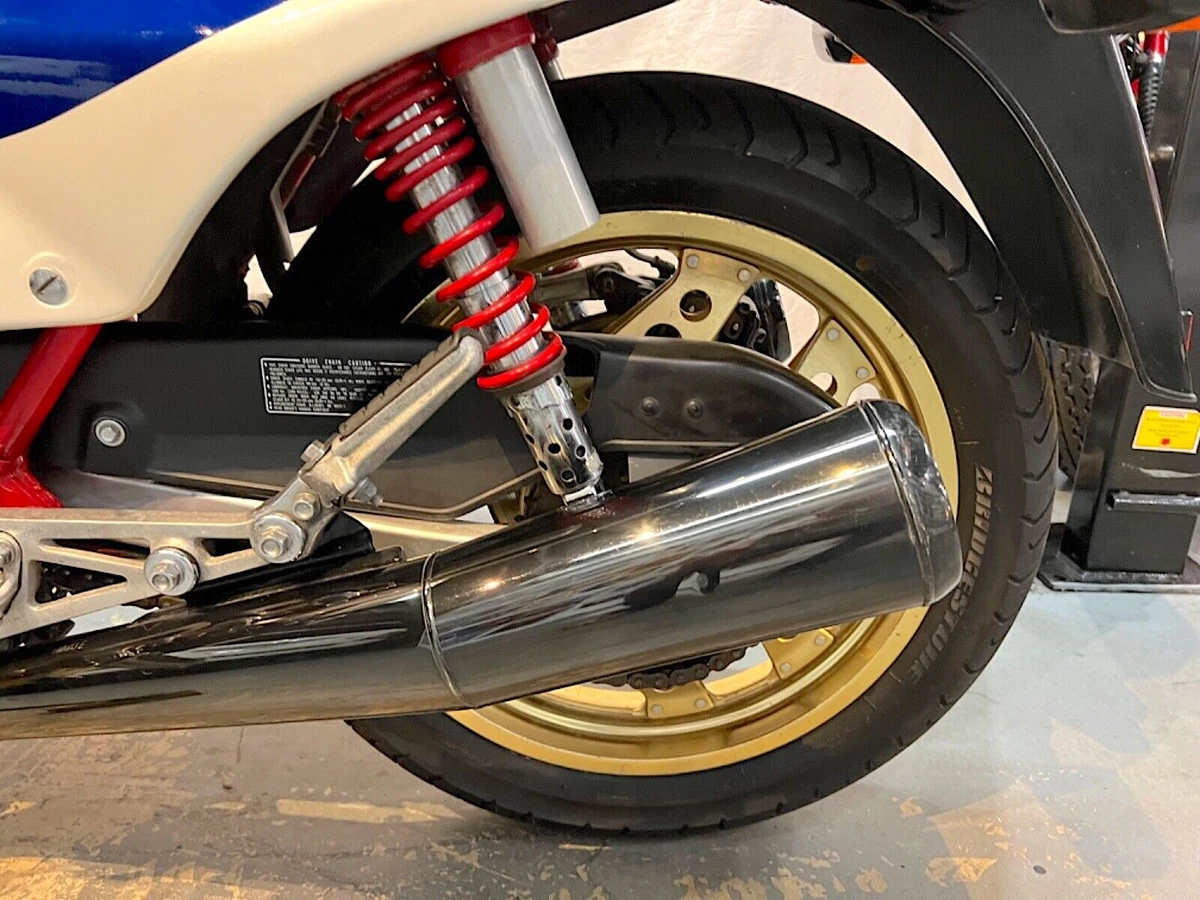
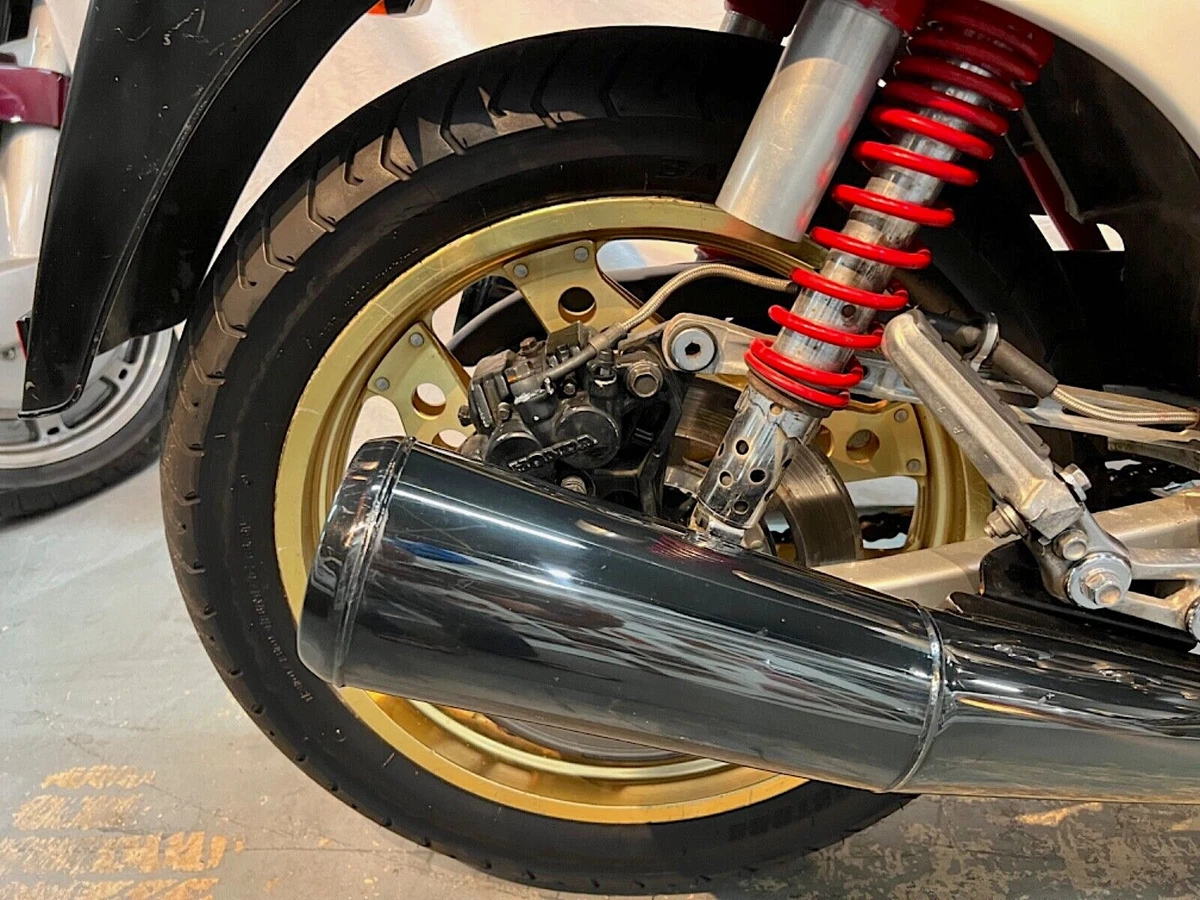
However, the Honda CB1100R couldn’t fully disguise its intended purpose. Perishable parts like tires - opens in new window or tab., chains - opens in new window or tab., and sprockets - opens in new window or tab. needed to be regularly swapped out. It was said to consume fuel like a true racer, but only when ridden with great enthusiasm. Surely, this is to be expected with this type of bike. A Motor Cycle Weekly reviewer concluded:
What I particularly liked about this machine was not so much its massive performance or exclusiveness, but the fact it was built around the rider for one purpose: racing. There, you might expect it to be uncompromising, yet it is a far more practical street machine than many so-called roadsters.
Rare Survivor
The CB1100R is known affectionately as the last of the big, air-cooled sports bikes. It represents the moment when Honda, perhaps inadvertently, glimpsed the future and embarked on a path that led to a superbike dynasty and consistent track success.
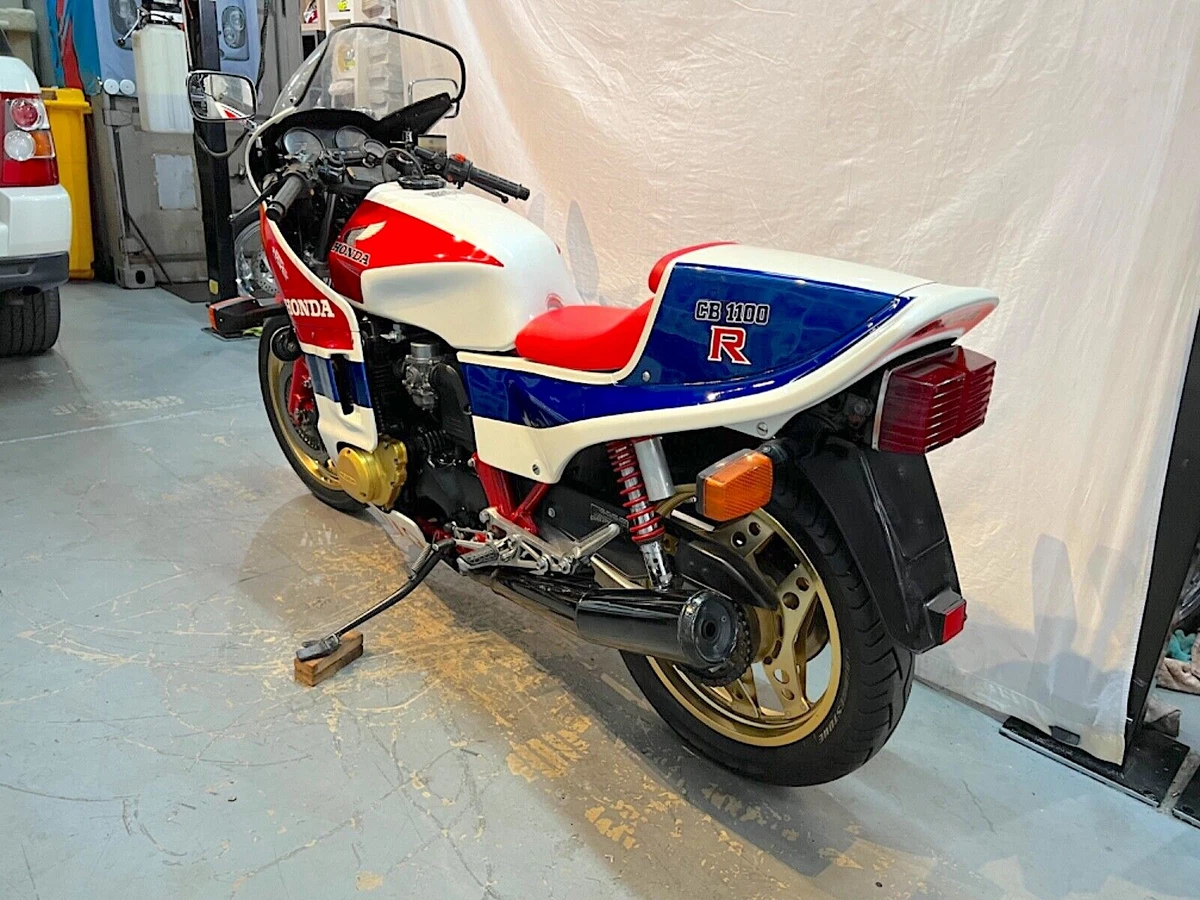
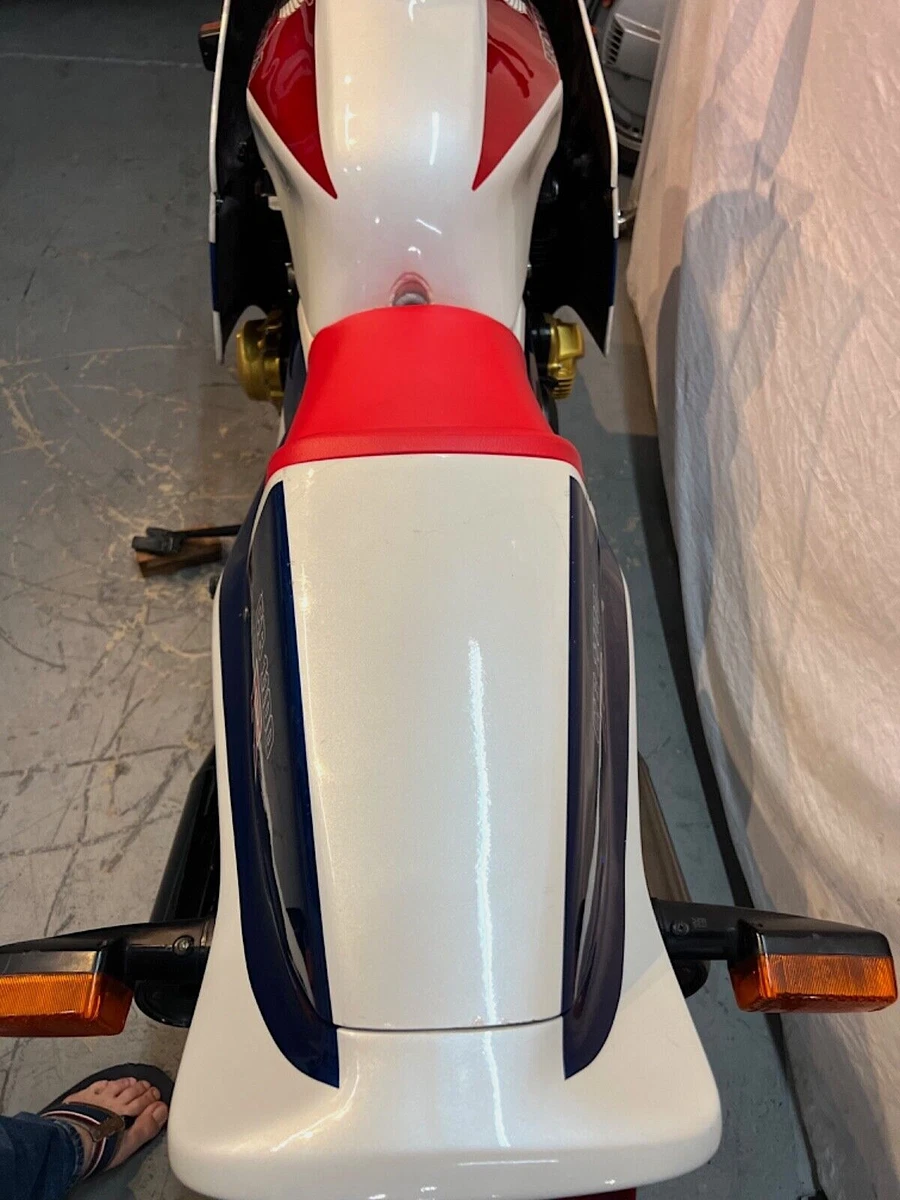
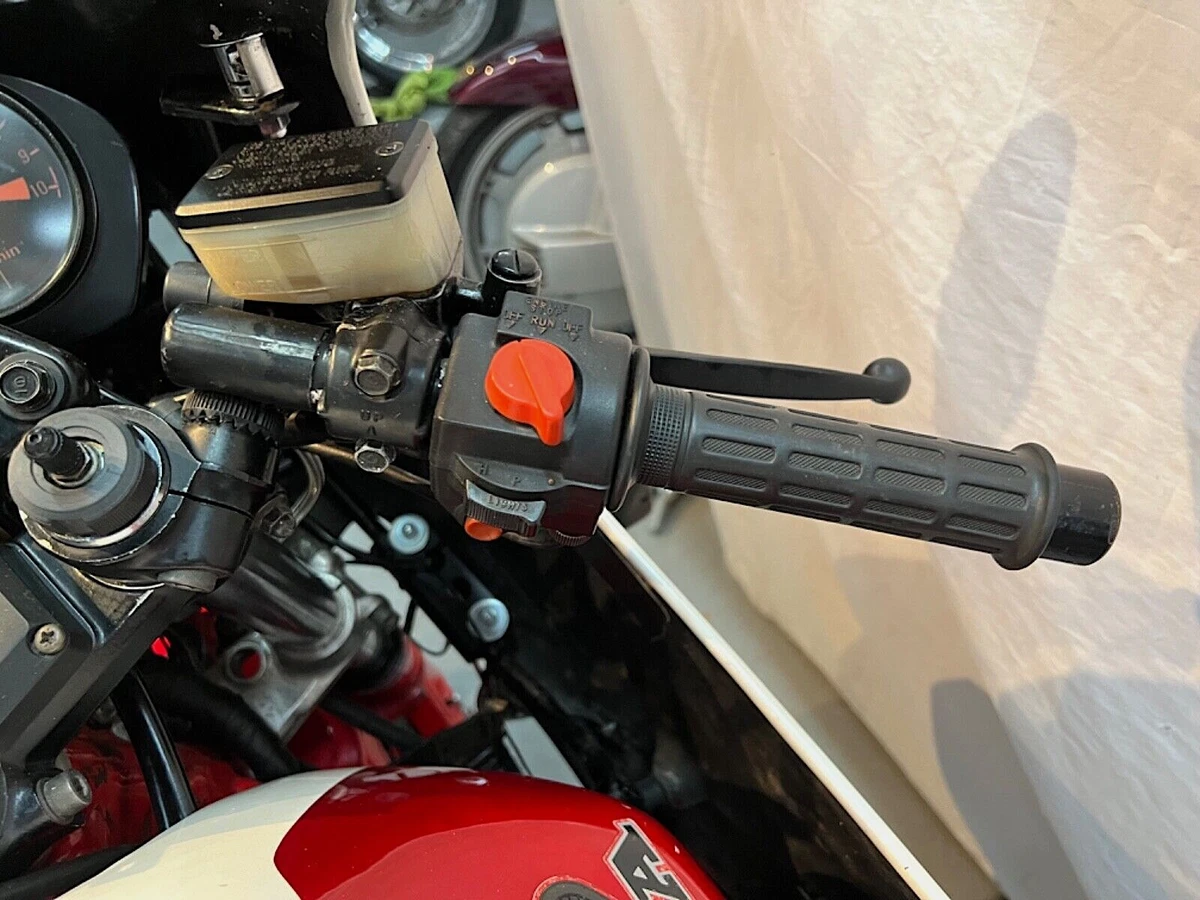
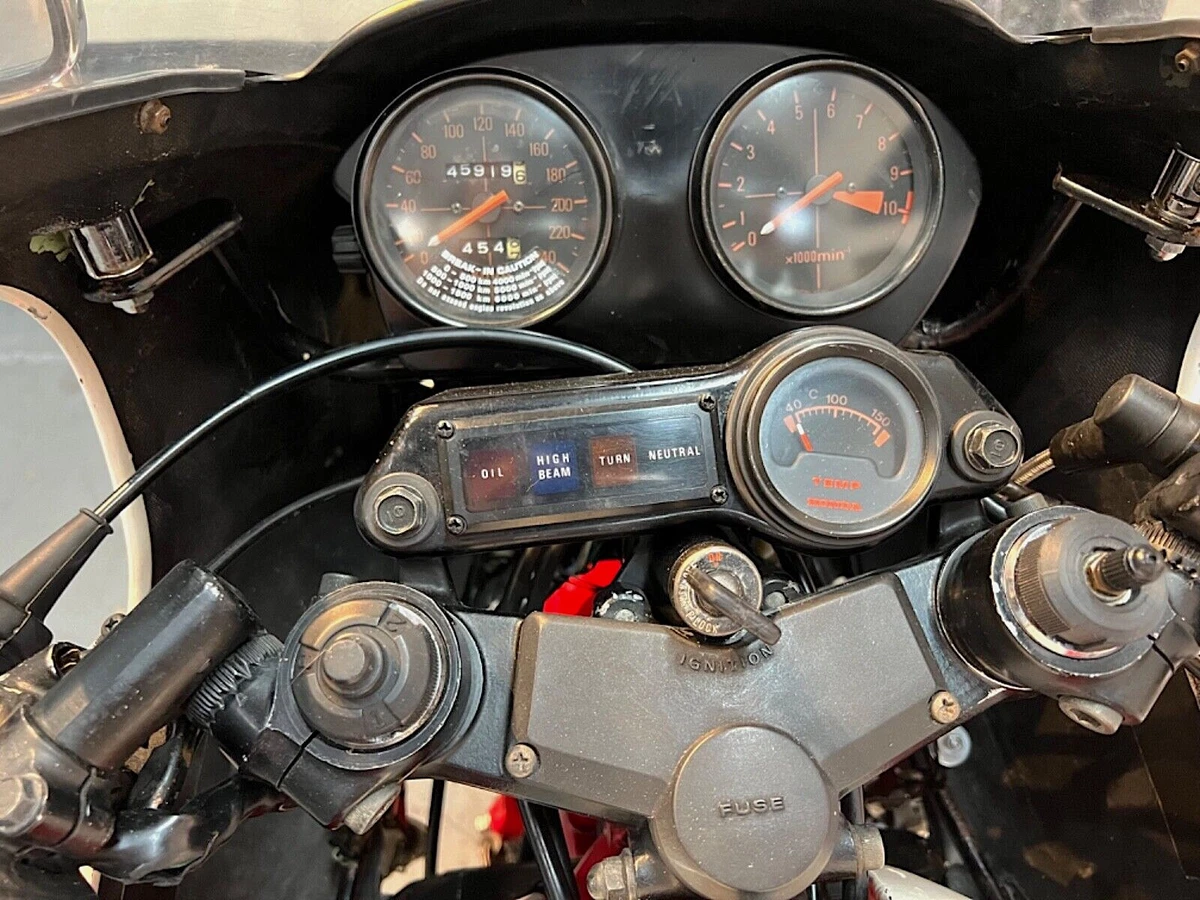
This Honda CB1100R is from the final year of production. It has reportedly covered relatively few miles and seems to be a well-maintained unrestored survivor. The seller advises of the odd “small imperfection,” which is to be expected of any machine still wearing its paint from 40 years ago.
About the author

Share your feedback
This article is meant to provide general guidance only. Automotive maintenance, repair, upgrade, and installation may depend on vehicle-specifics such as make and model. Always consult your owner's manual, repair guide for specific information for your particular vehicle and consider a licensed auto-care professional's help as well, particularly for advance repairs.