The Kawasaki Z1 900 Was Japan’s First Superbike
Motorcycles & ATVs
Motorcycles
Classics
Asian
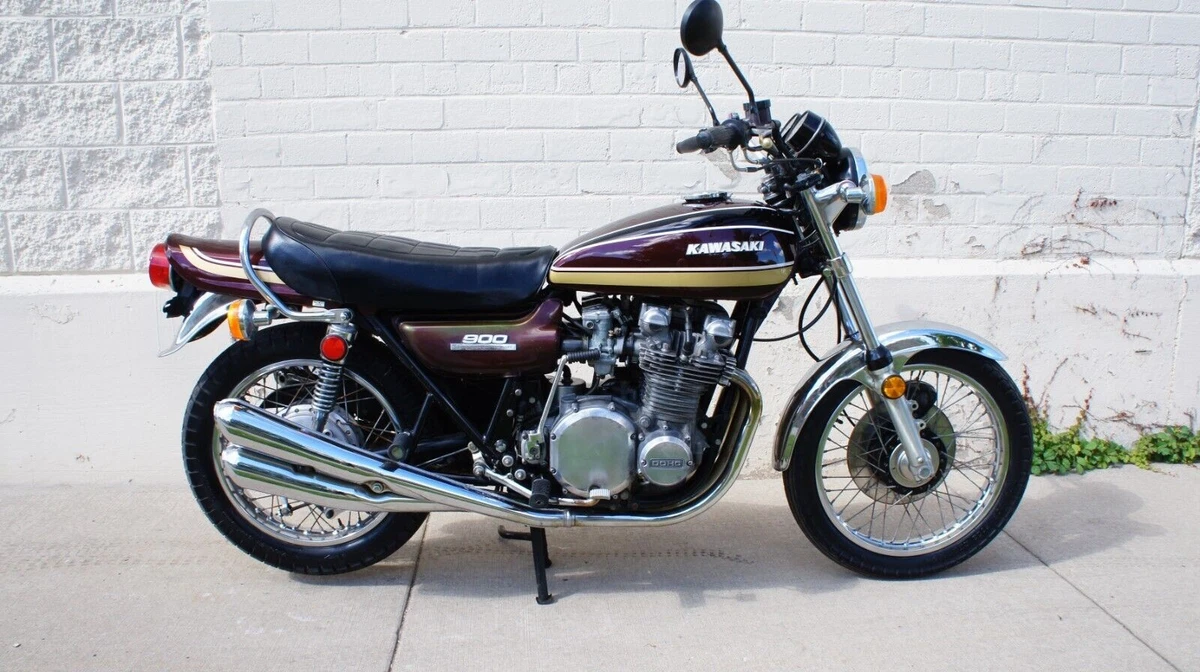
In the 1970s, motorcycle producers battled over the size and performance of their engines. Not wanting to be outdone by the Honda CB750 - opens in new window or tab. superbike, Kawasaki engineers developed the Kawasaki Z1 900. When it was introduced in 1972, Kawasaki marketed the Z1 as the most powerful four-cylinder, four-stroke motorcycle in the world. The 900cc monster is widely regarded as the first genuine Japanese superbike.
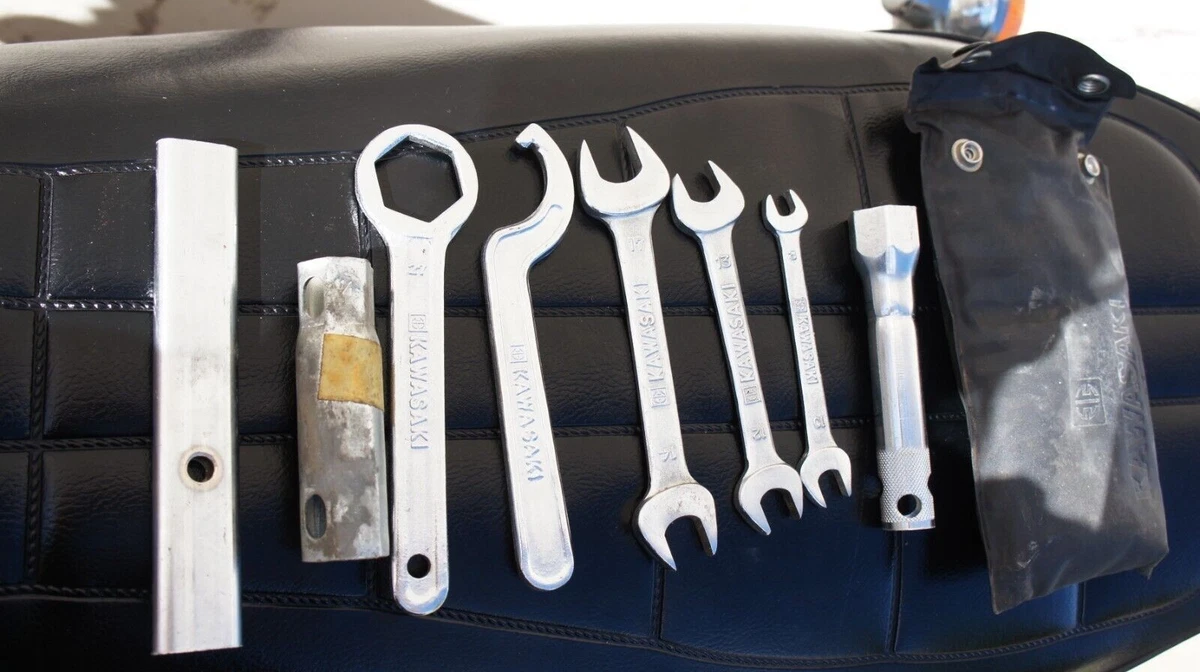
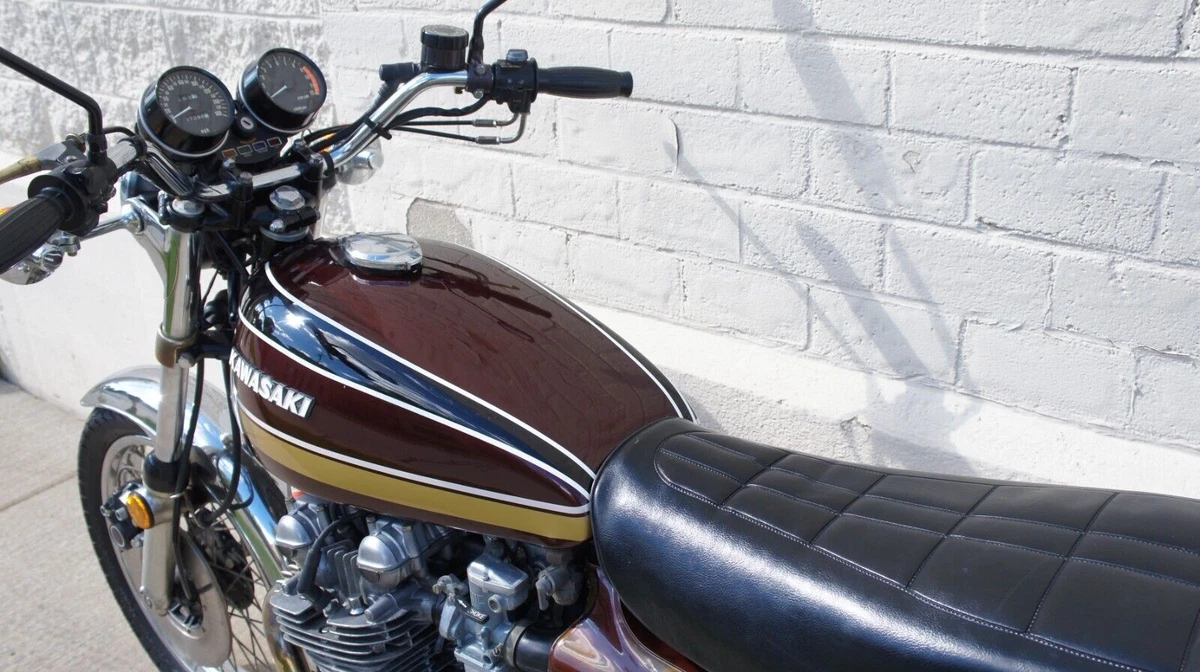
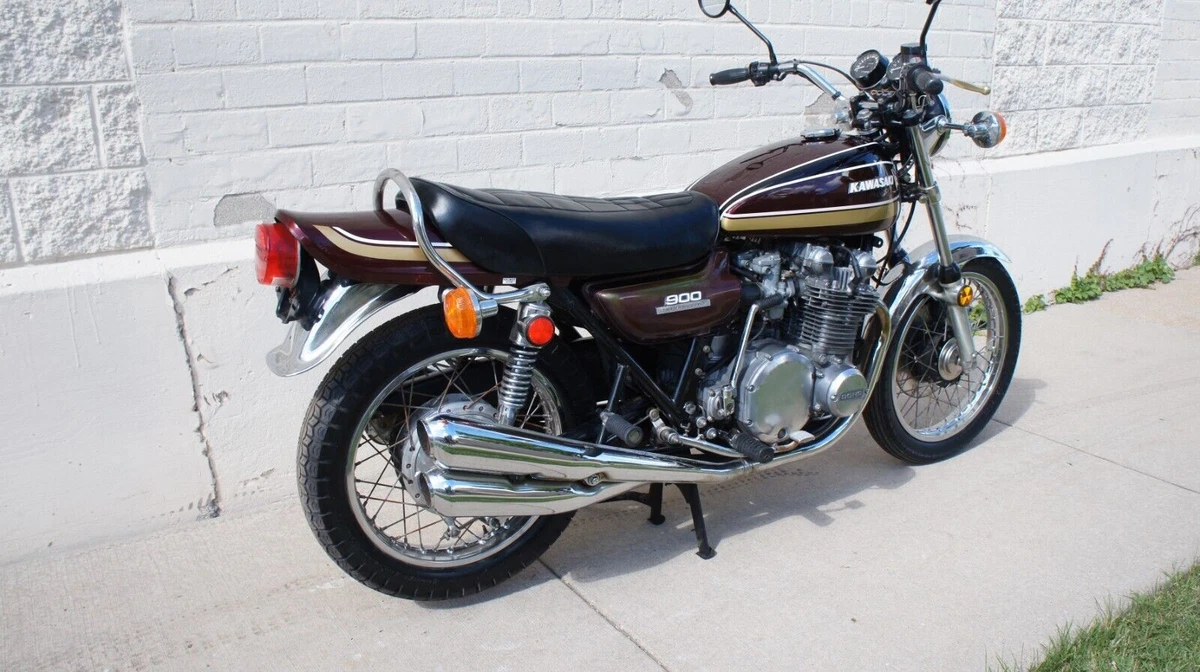
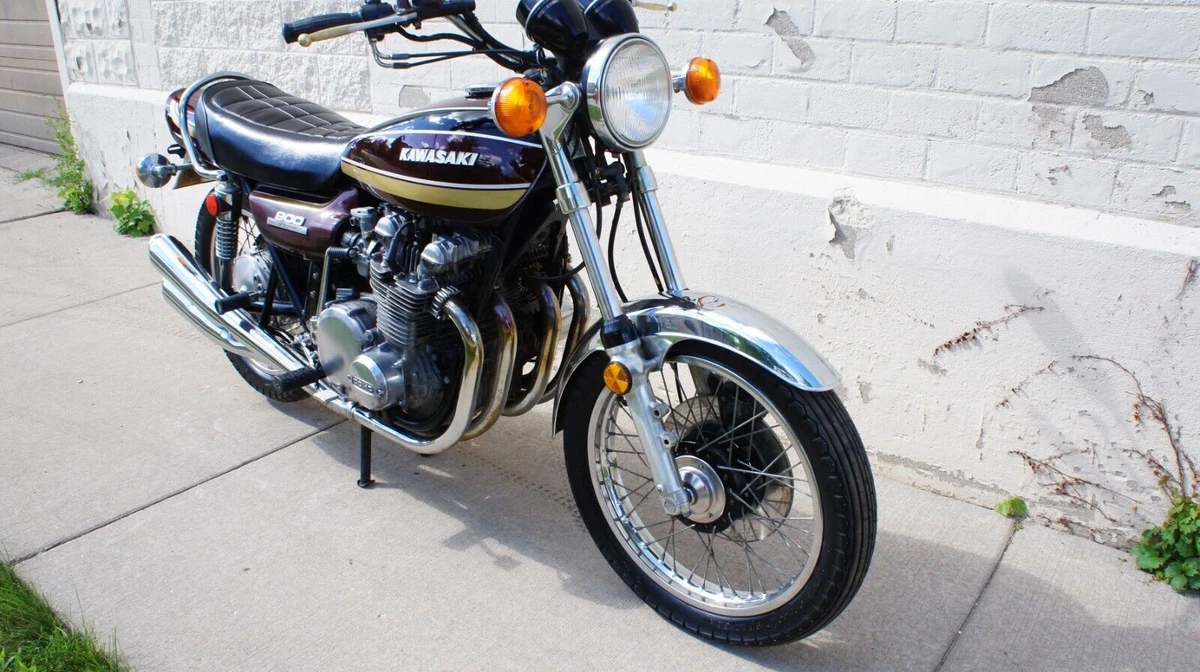
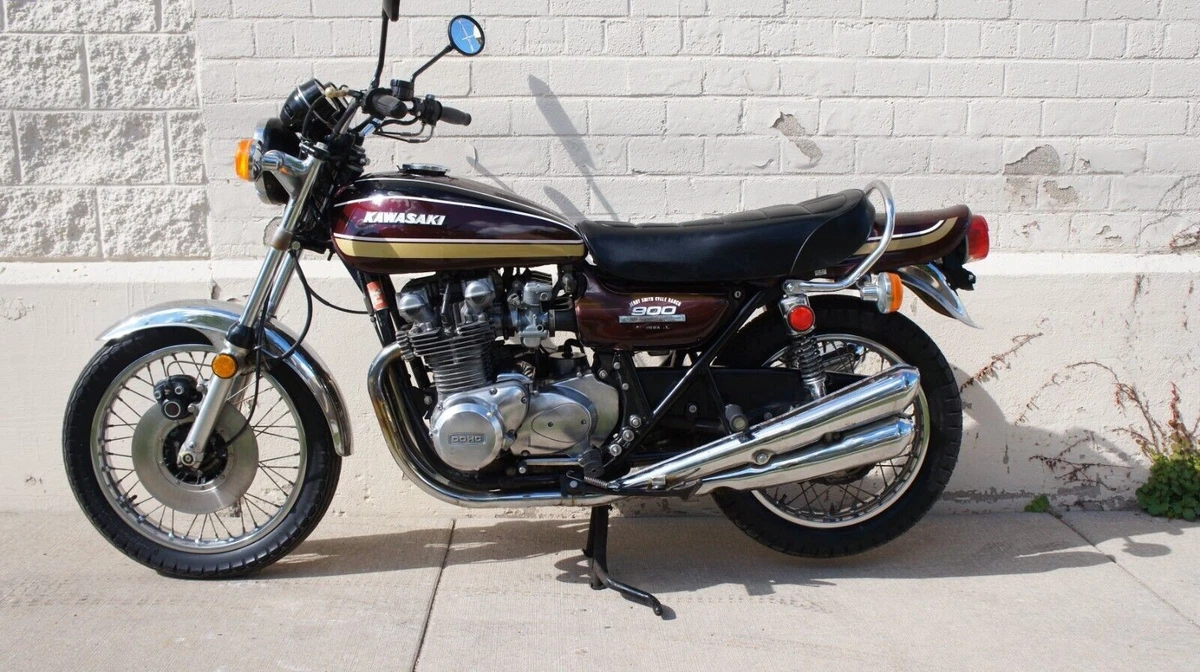
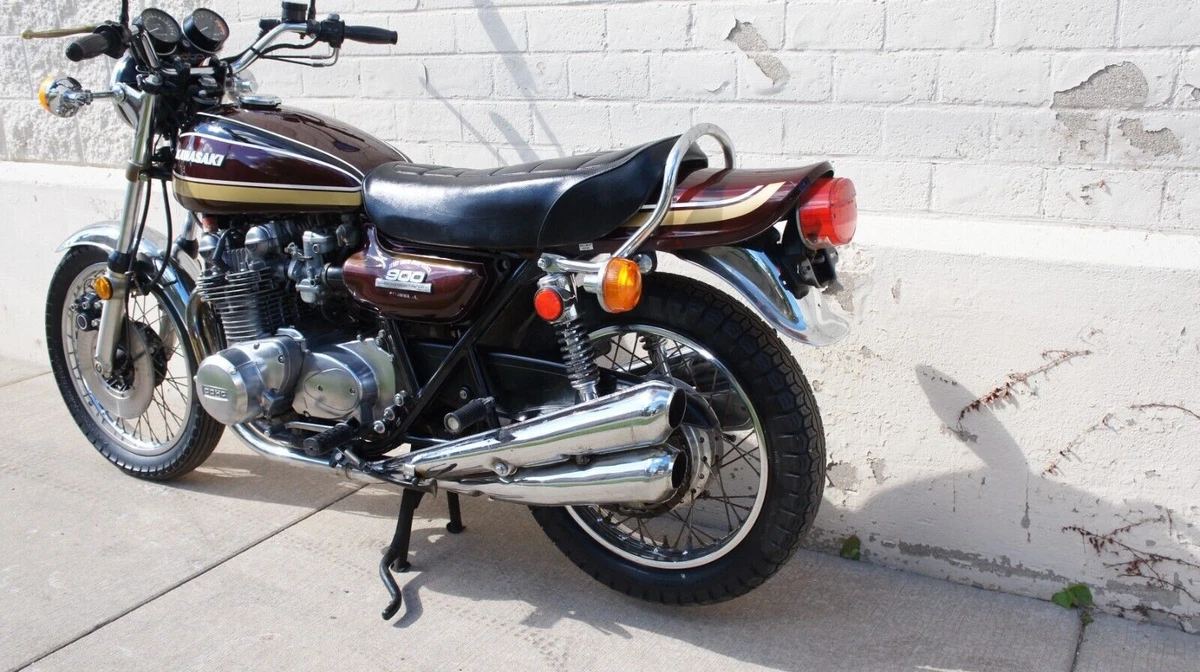
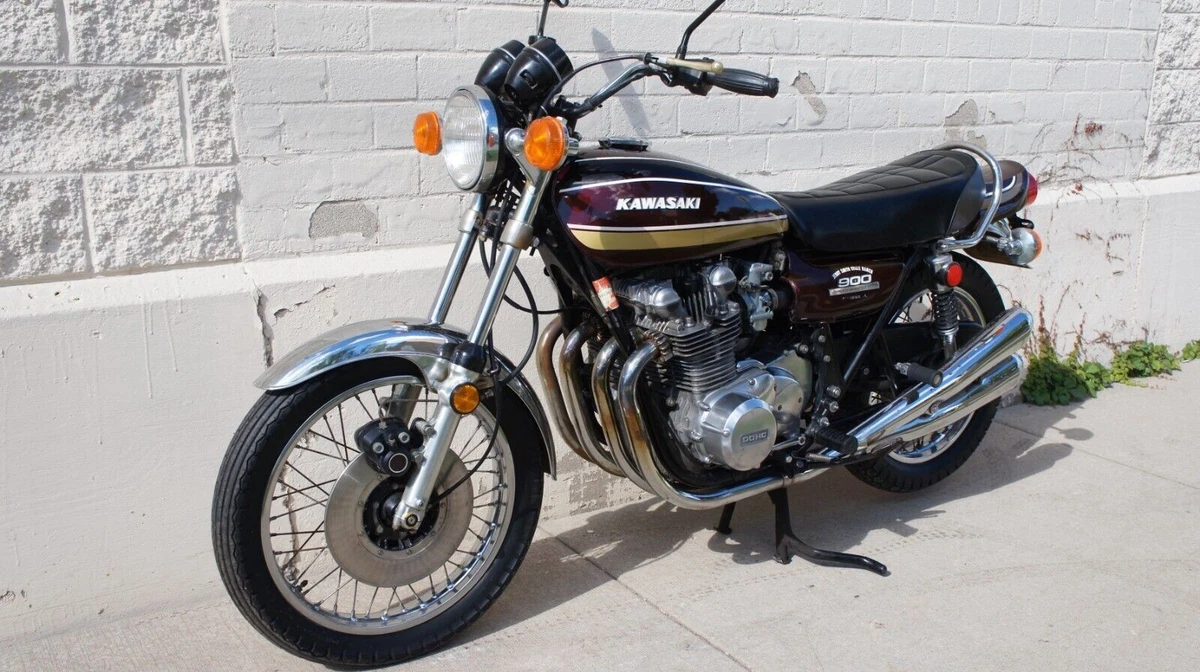
The Z1 was the fastest production motorcycle in the world in 1973. Then, in 1975, Kawasaki cranked up the heat even more with the Z1 900, like the survivor recently listed on eBay. The bike was recently discovered in the exact spot where it was left more than 34 years ago.
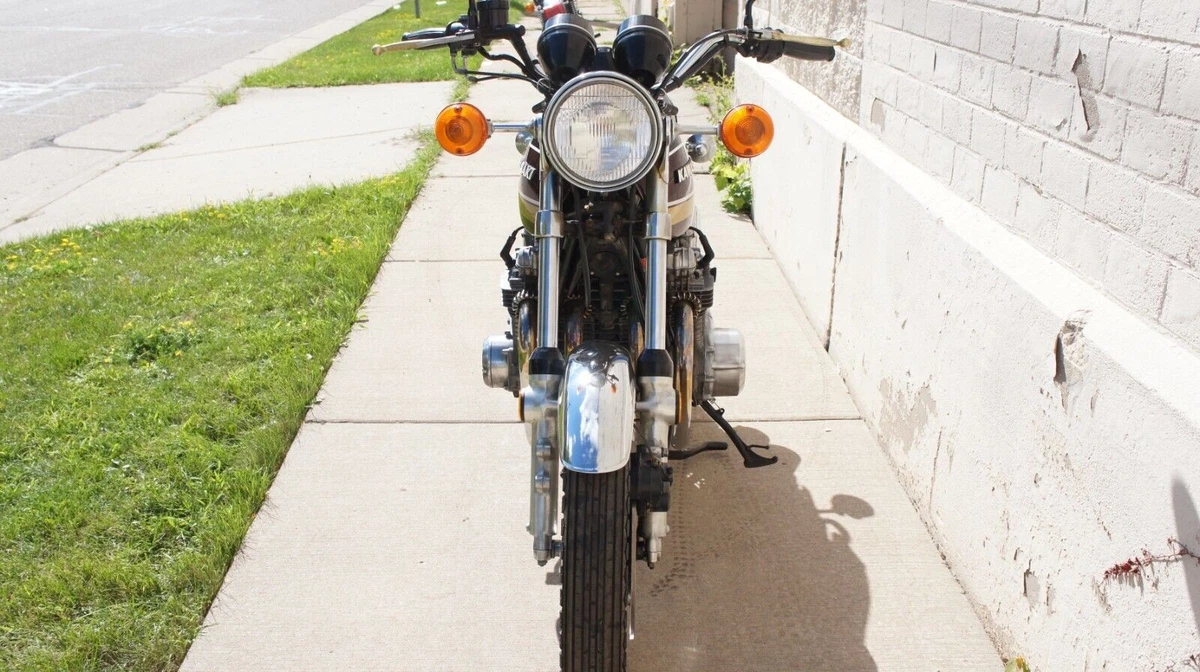
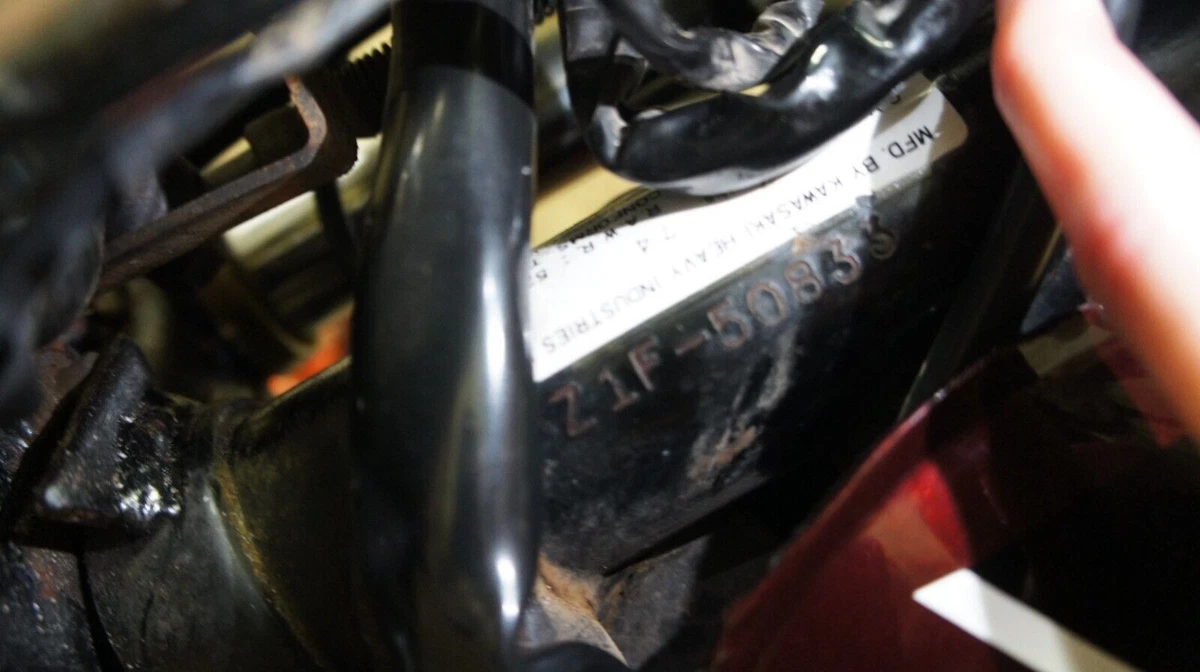
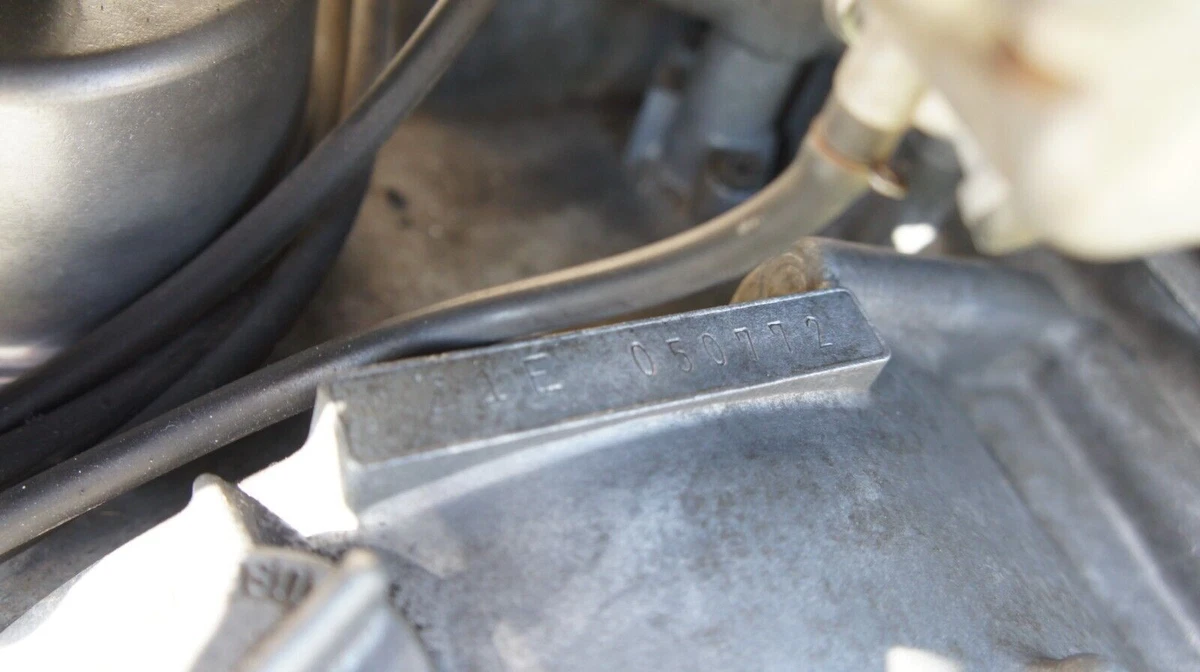
item 1 of 21
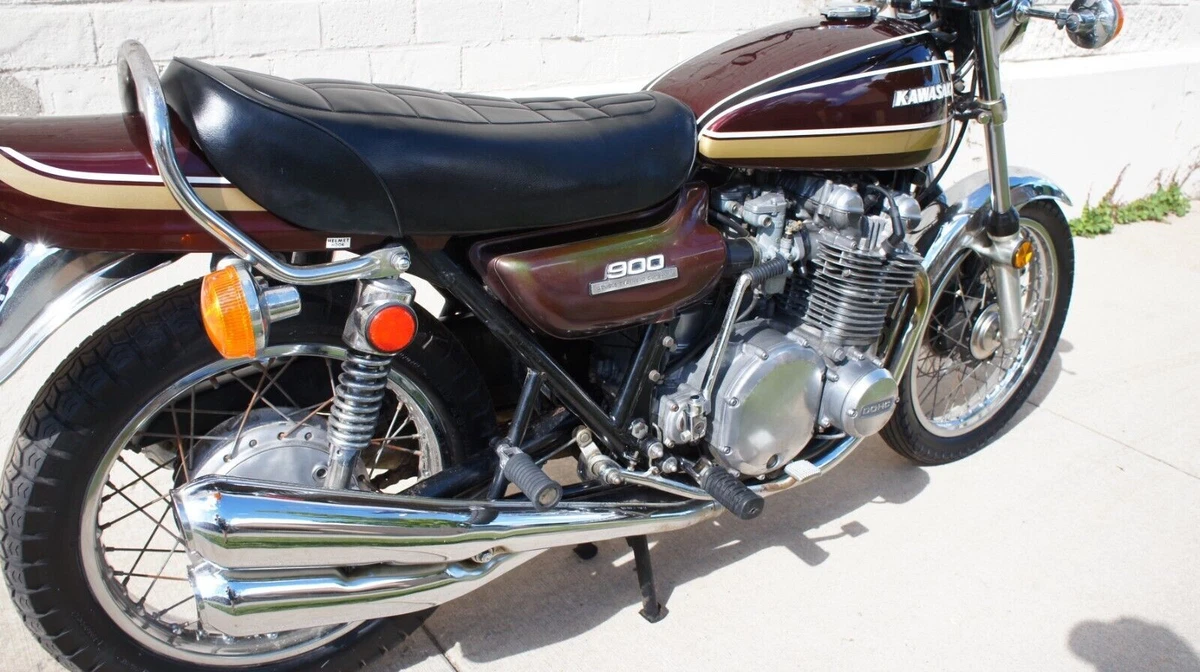
The 1975 variant, dubbed the Z1-B, kept the model’s original 900cc inline four-cylinder engine, instrumentation, and both electric and kick-start. But in 1975, Kawasaki engineers did away with the bike’s automatic chain oiler, stiffened up the frame, beefed up the suspension, and improved the bike’s braking power.
No Longer as Super
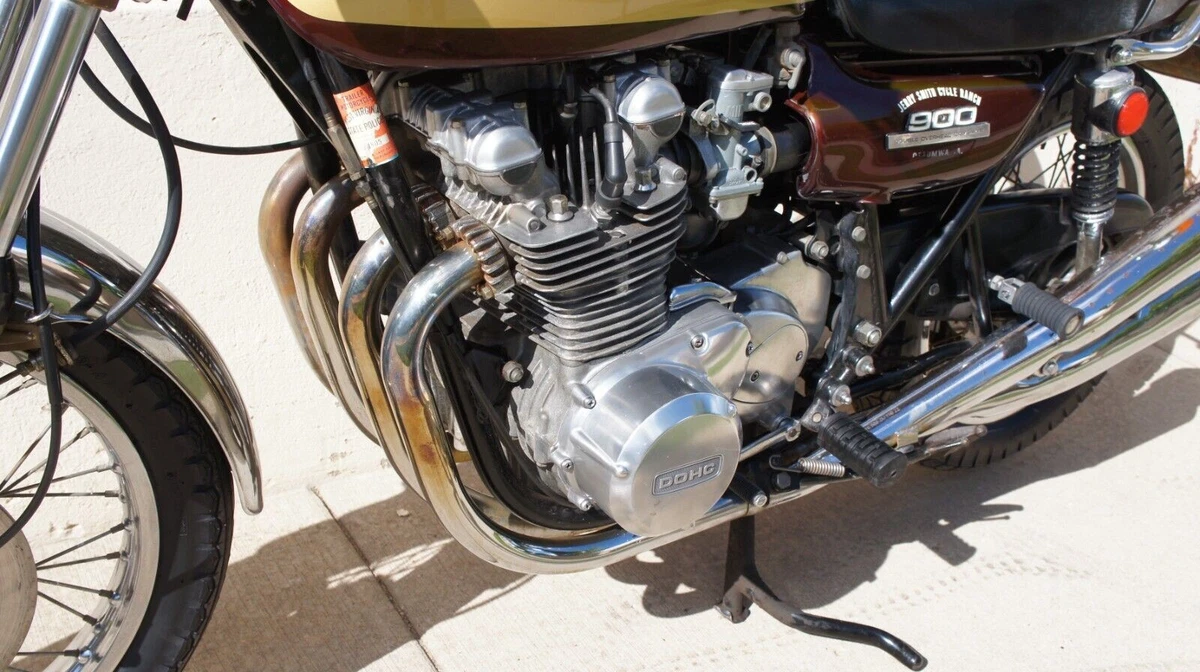
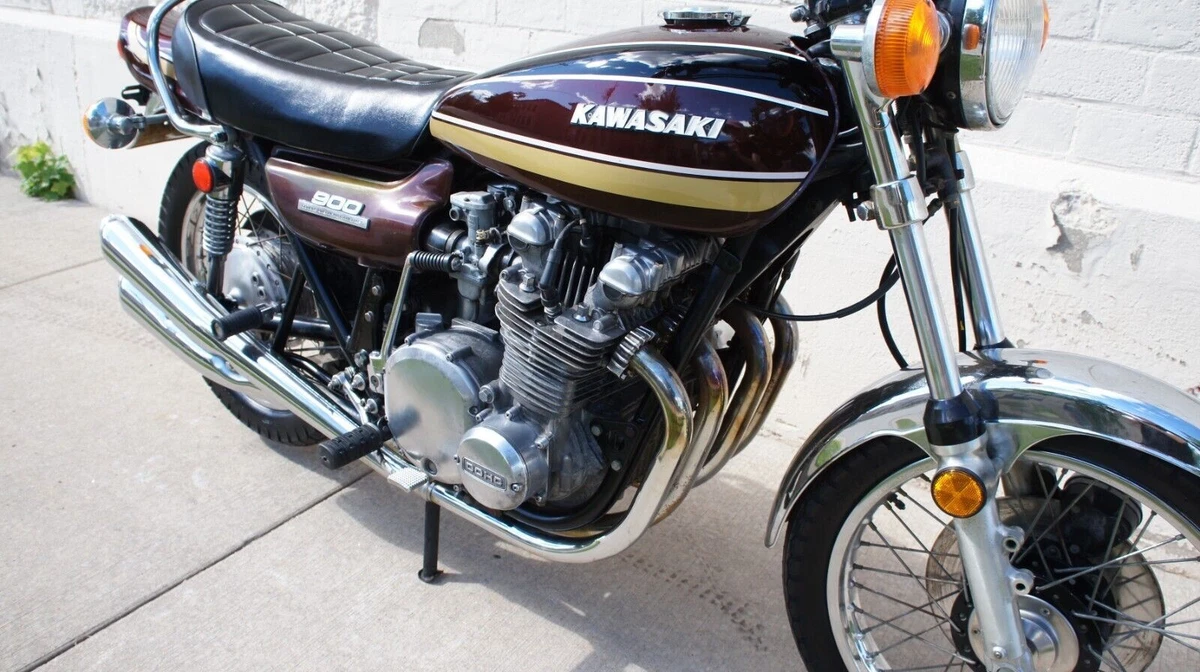
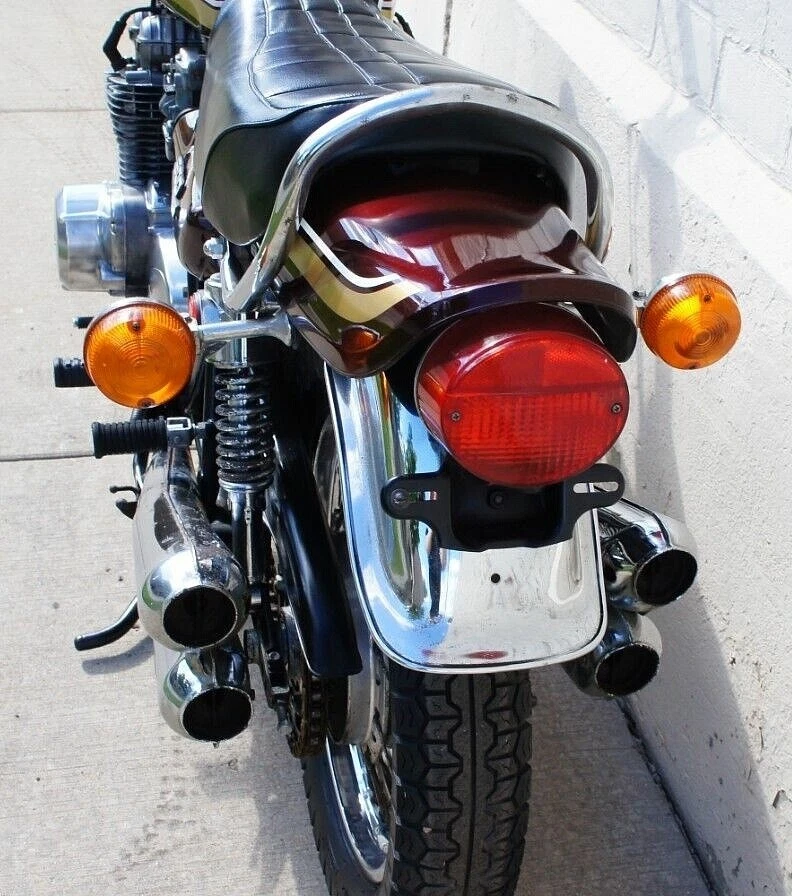
Motorcycle News - opens in new window or tab. named the Kawasaki Z1 900 its “Machine of the Year” for three straight years—from 1973 to 1976. The bike handled like a champ. Its double-overhead camshafts produced 82 bhp through its four 28 mm Mikuni carburetors - opens in new window or tab.. The top speed was 132 mph. Riders loved the smooth notes from the Z1’s four-into-two exhaust.
Nonetheless, reviewers had qualms about how quickly the chain and shocks wore out. And when stacked up against modern machines, the Z1 shows its age. The single-disc, single piston front brake is adequate for stopping—with some help from the bike’s rear drum. But it doesn’t have the same power as modern braking systems. The Z1’s engine was not counterbalanced, so it vibrates more than we might expect these days.
Fuel efficiency is what you’d expect from a big four-carb bike. The Kawasaki Z1 900 averages about 40 mpg. While modern bikes come equipped with fuel injection and electronic gauges, the 1975 Z1-B offers a more direct visceral experience.
The Z1-B 900 was succeeded by the Kawasaki KZ900 - opens in new window or tab. in 1976. In 1983, Kawasaki regained the crown for the fastest production bike with the Kawasaki GPZ900R.
The Kawasaki Z1 900 is Highly Collectible
Kawasaki produced 85,000 Z1s from 1972 through 1975. Today, the model is prized by collectors, especially the later-year models which had more power. Decent specimens are snapped up quickly.
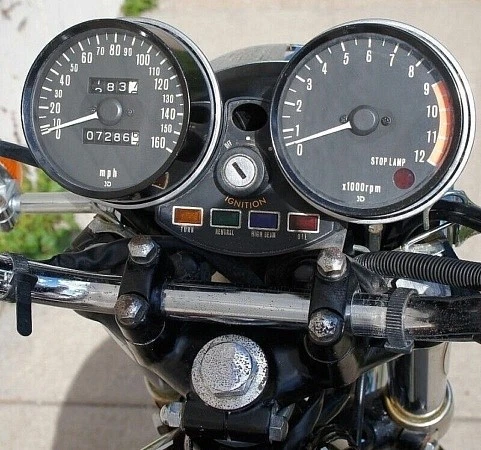
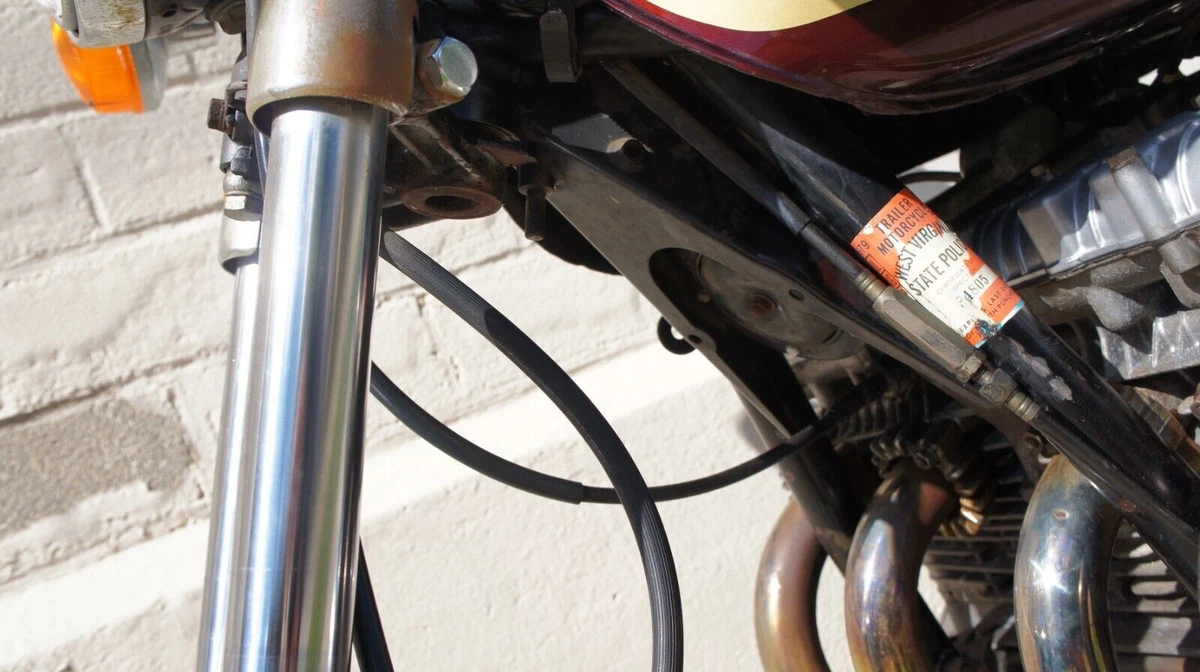
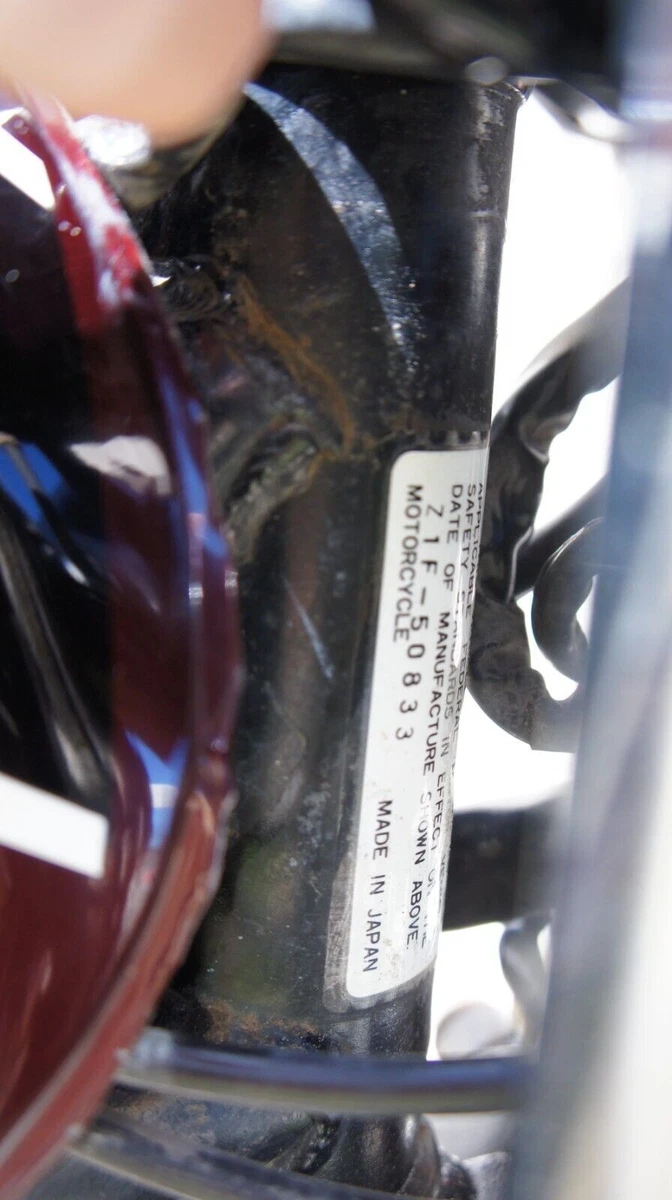
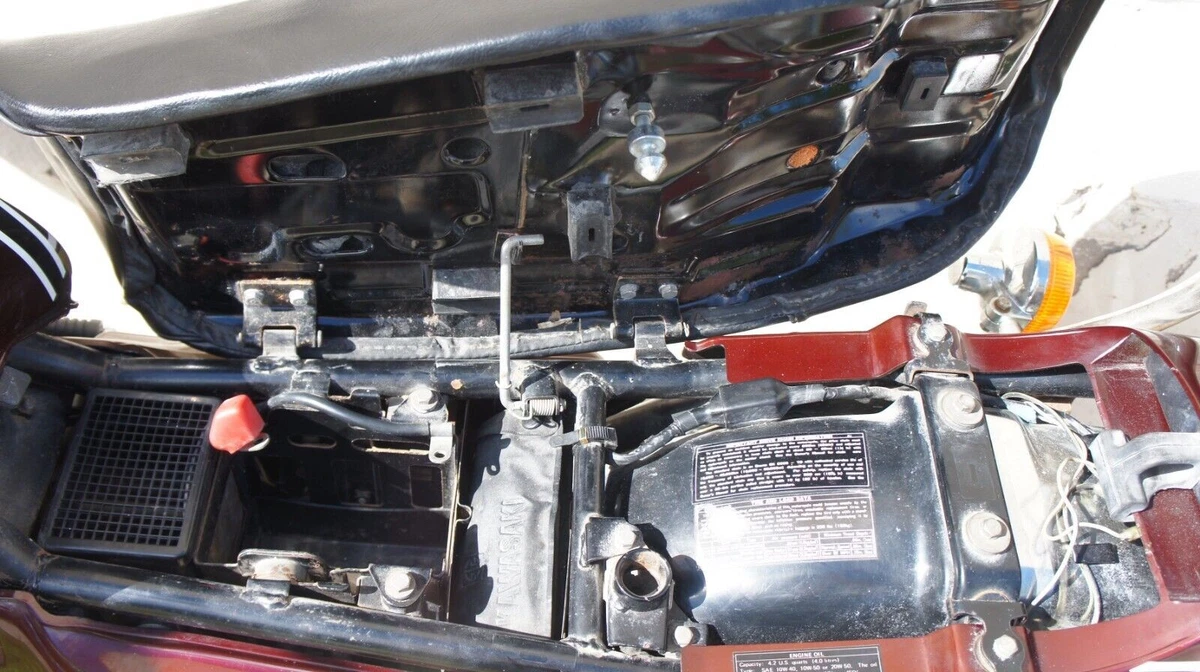
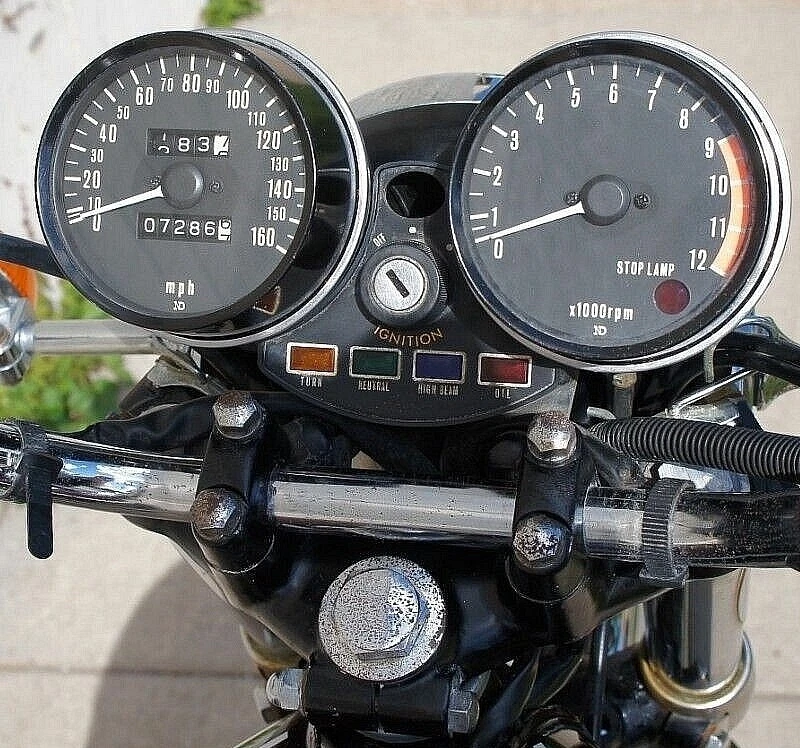
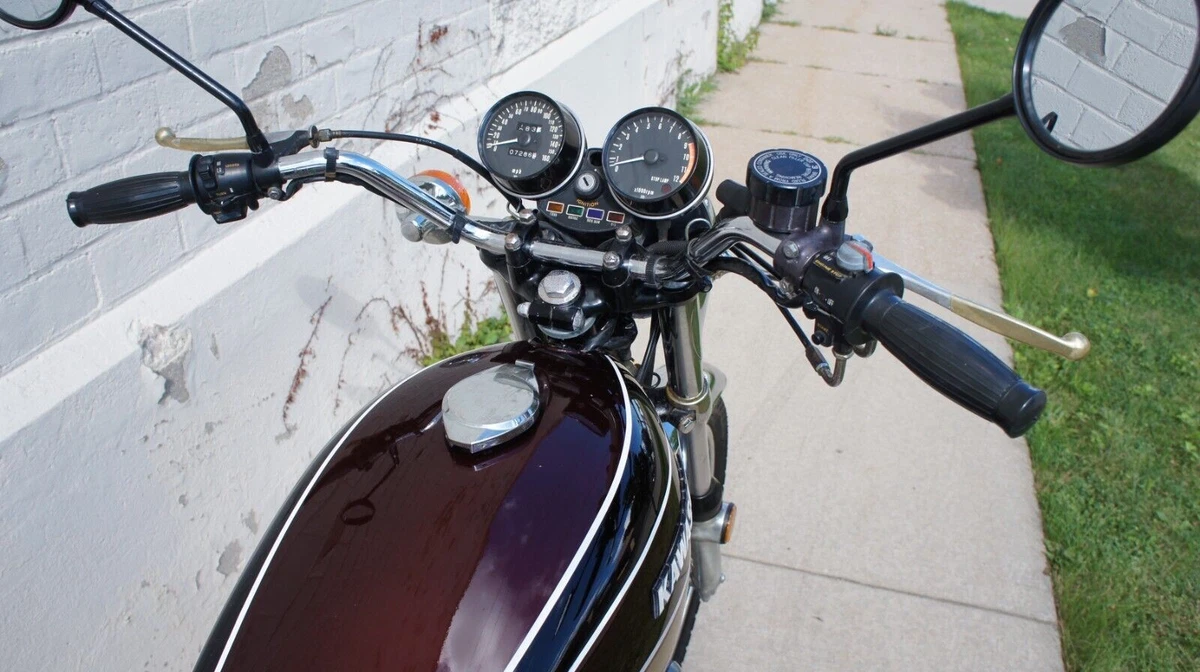
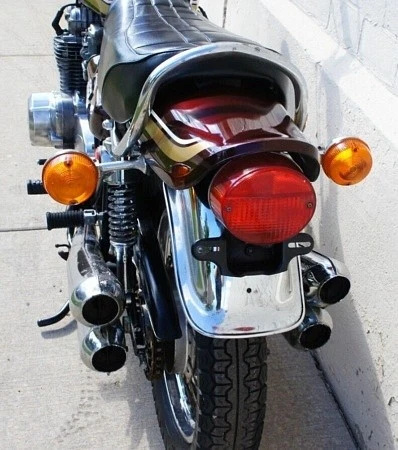
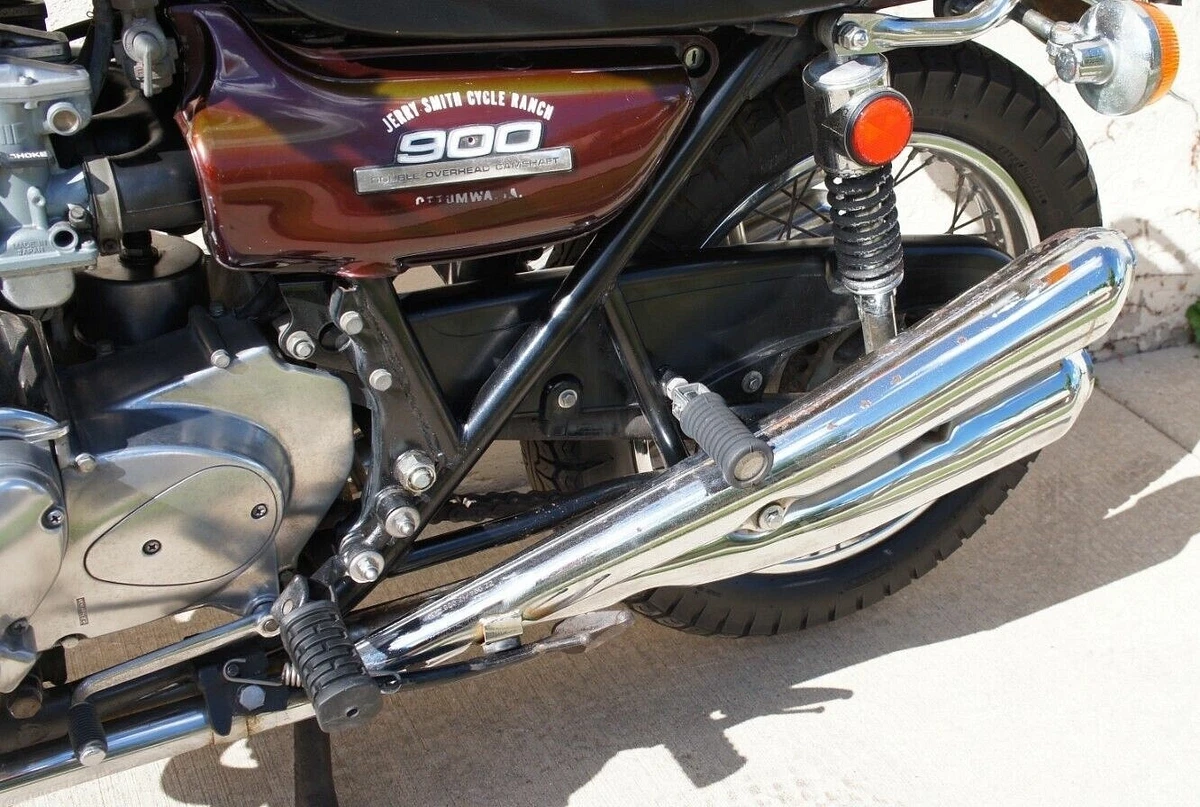
This all-original 1975 survivor shows 7,286 miles on the clock. The seller bought it in an estate sale and is selling it exactly as he found it. Its Super Candy Red paint shows only light fading on the side covers. The chrome is peeling slightly on the upper-left pipe and there is light rust on the handlebar bolts and steering stem. The electric starter works and the original seat is broken in and comfortable.
Despite these minor flaws and more than three decades of disuse, this Kawasaki Z1-B is a treasure—a rediscovered vintage wonder from the 1970s superbike days.
About the author

Share your feedback
This article is meant to provide general guidance only. Automotive maintenance, repair, upgrade, and installation may depend on vehicle-specifics such as make and model. Always consult your owner's manual, repair guide for specific information for your particular vehicle and consider a licensed auto-care professional's help as well, particularly for advance repairs.