
Before Rudolf Leiding became chairman of Volkswagen in 1971, he ran VW of Brazil. And in that role, he noticed that Brazil’s only legitimate homegrown sports car built was the fiberglass-bodied Puma.
Leiding agreed to transfer to Brazil in 1968—but only if he could pursue creative projects. The country did not allow Volkswagen to import its sporty models to South America. So Leiding decided that Volkswagen Brazil should develop its own sports car based on the Volkswagen 1600 chassis and drivetrain.
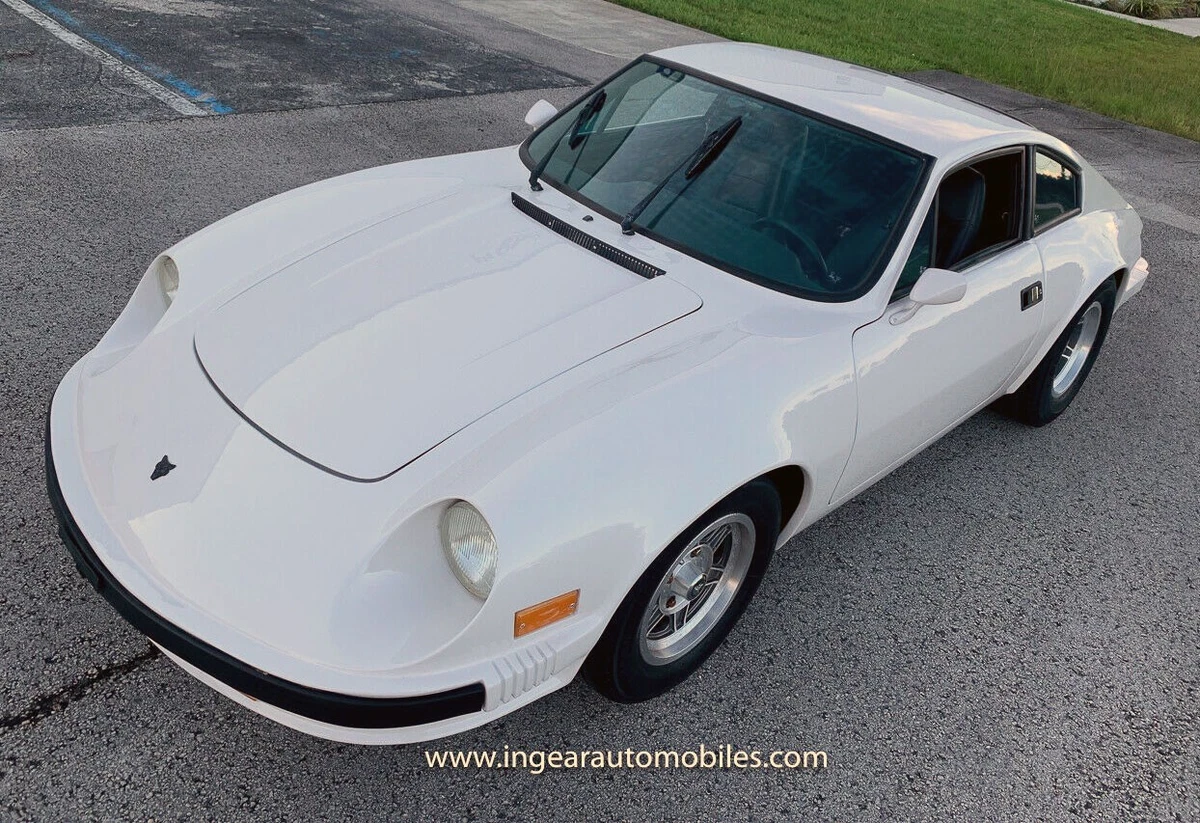
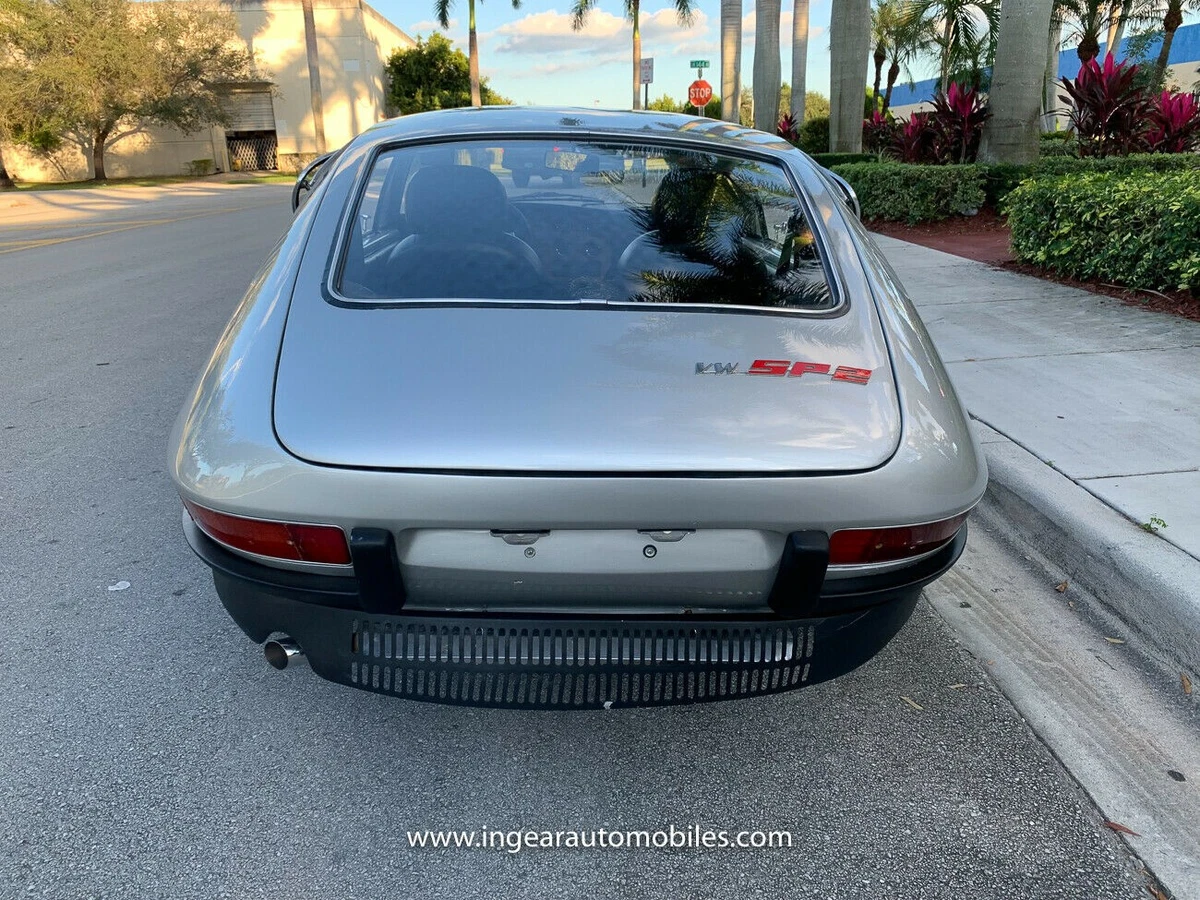
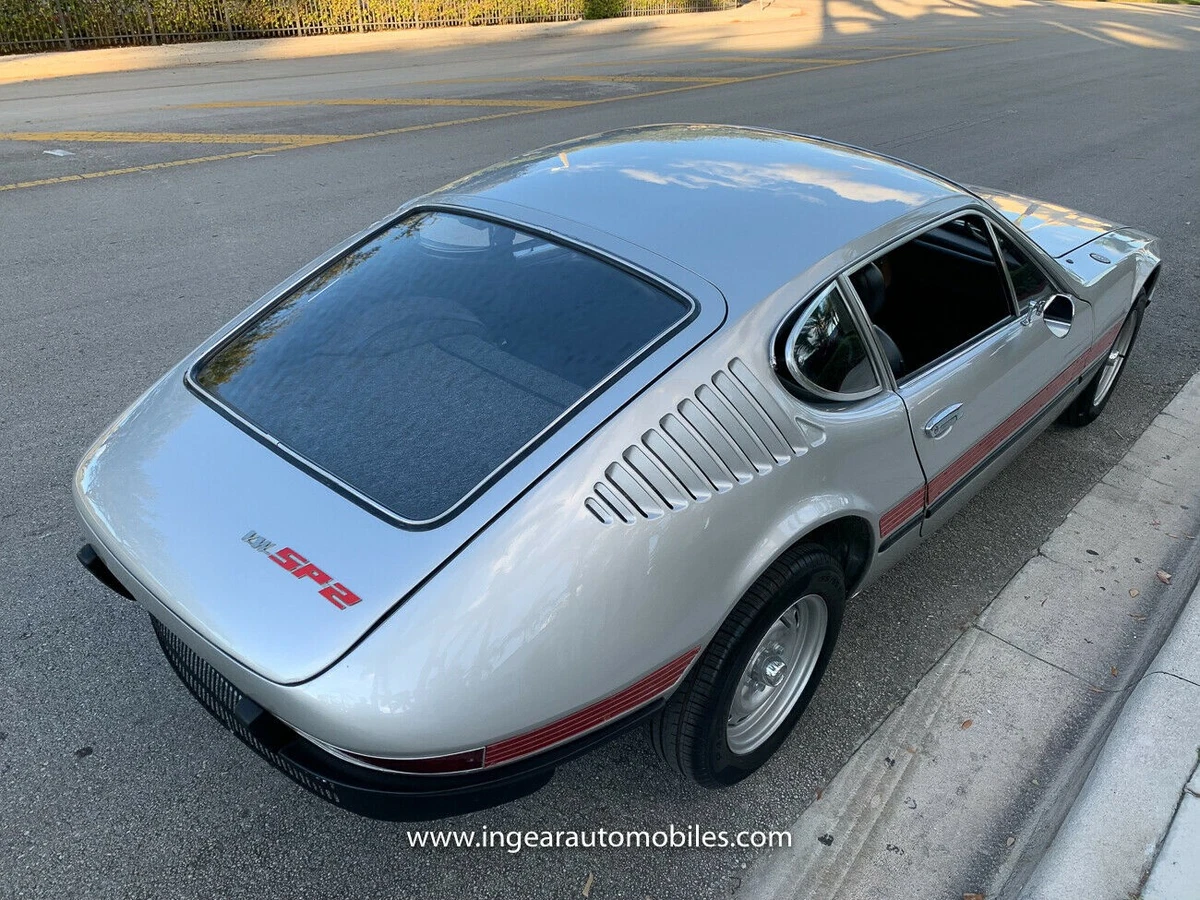
The Volkswagen SP2 was his baby. An ultra-rare 1973 Volkswagen SP2 was recently listed on eBay.








item 1 of 24
A Lot of Show, Not Much Go
Volkswagen Brazil’s distance from the company’s German headquarter allowed Leiding to experiment. In 1970, VW’s Brazil-based operations began work on “Project X,” which would later result in the SP2.
Leiding worked with Italian designers for the early sketches but then put his spin on the car.

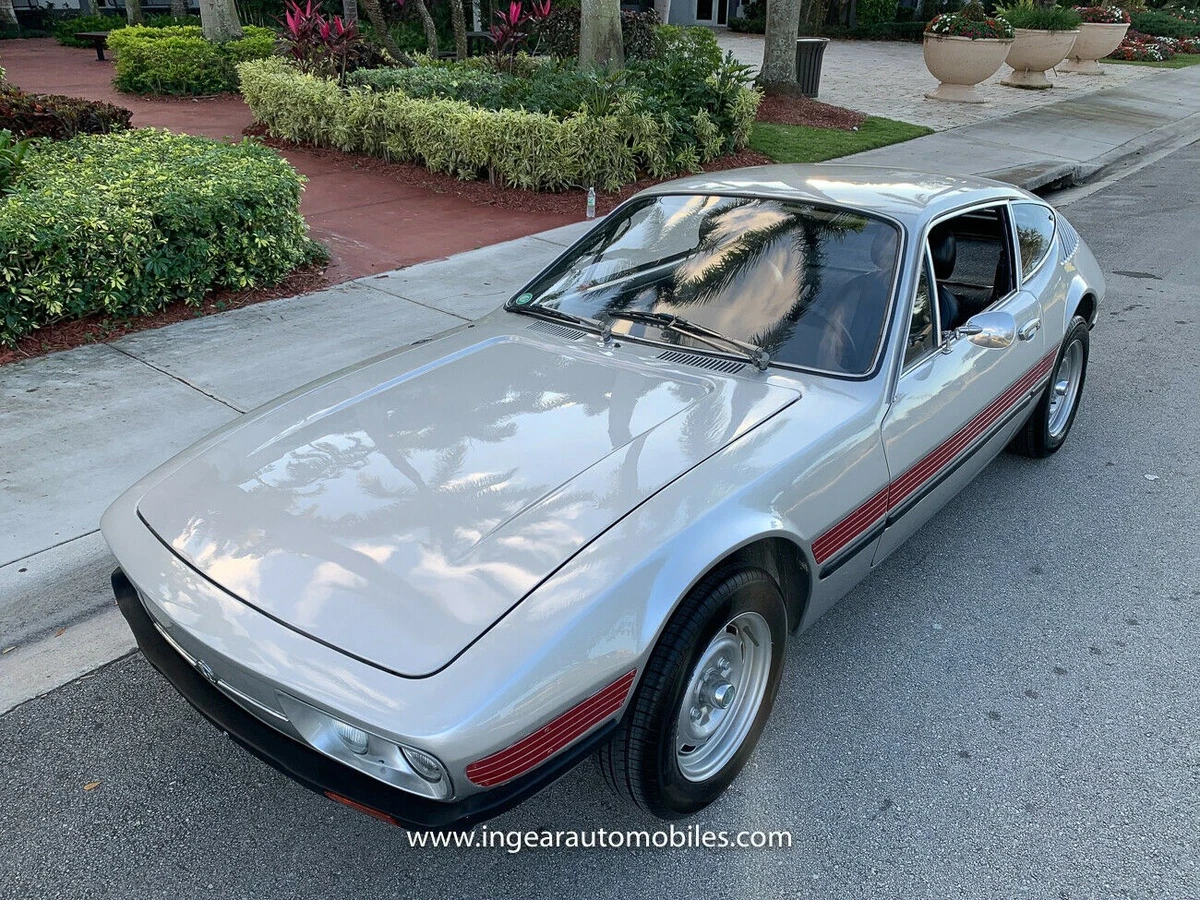
The front end of the Volkswagen SP2
Volkswagen was eliminating its rear-engine platform at the time—due to emissions laws in global markets. But that’s what was available to Leiding. He provided the first sketches to a new team of young designers and engineers.
The design borrowed the vibe of the popular Puma—but used the 1600 platform and a steel body. Power came from Volkswagen’s air-cooled rear engine.
1979 Puma GT
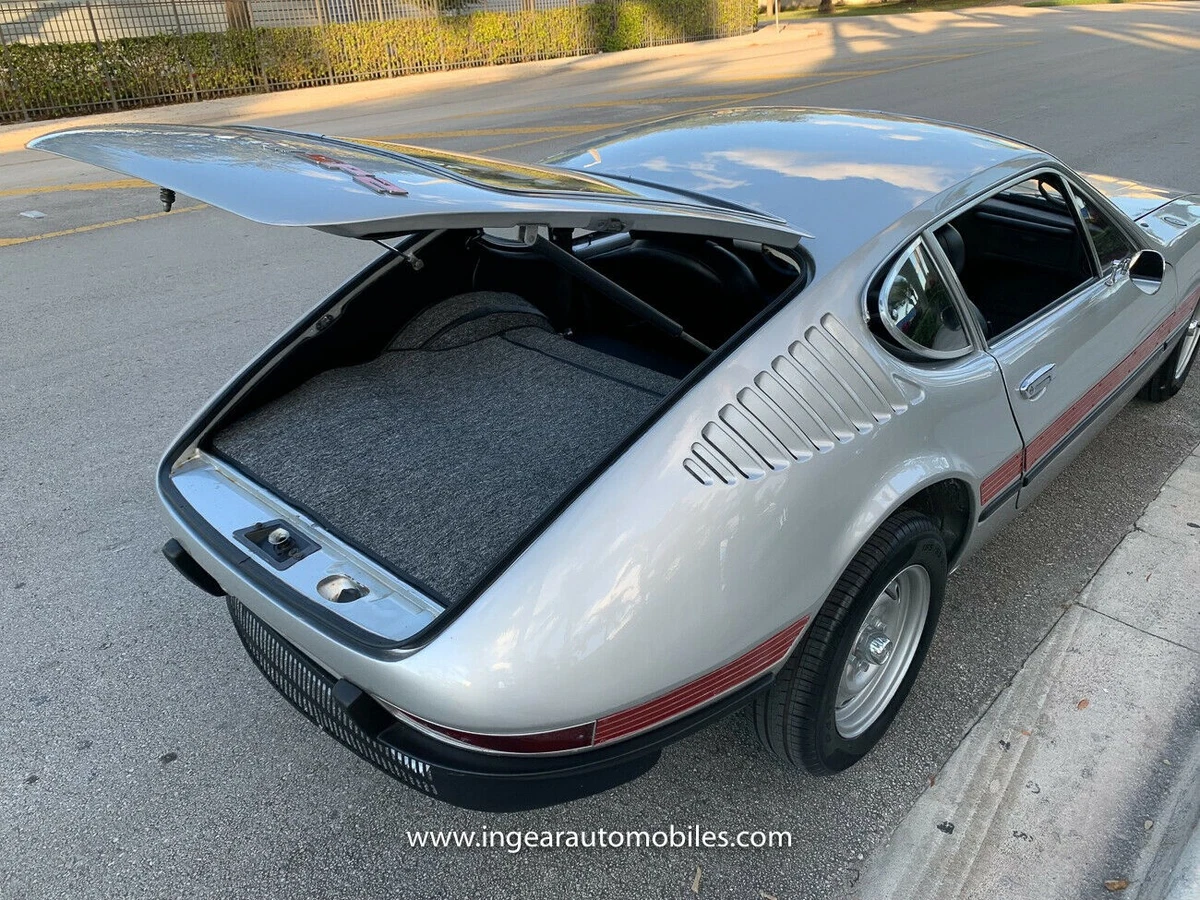
The Project X car—renamed SP2 (for San Paolo)—looked like a lean, mean sports car. The SP2 hid its rear-engine design well. Thanks to that long hood and sloping roof, it seems like a front-engine GT car from most angles.
But the rush to production yielded disappointing results on the road. The SP2’s 1.7-liter engine only developed 75 horsepower. The new Brazilian car took about 16 seconds to reach 60 miles per hour. This leisurely pace led enthusiasts to rename the SP as “Sans Potencia” or without power.

The lightweight fiberglass race-oriented Puma could easily outperform the SP2. VW Brazil produced about 11,000 examples starting in 1972—a year after Leiding returned to Wolfsburg to lead the company. By February 1976, Volkswagen canceled the ill-fated Brazilin sports car.
Inspiration for Porsche 924?
The sleek design of the SP2 caught the attention of Brazil’s tuning community. Enthusiasts realized that the native powerplant was lacking. So tuners improved the performance surviving SP2s with bored and stroked engines, higher compression ratios, and hot cams. Some SPs got turbocharged.
But a few VW SP2s left Brazil. This rare 1974 model that was listed on eBay was located in Miami.
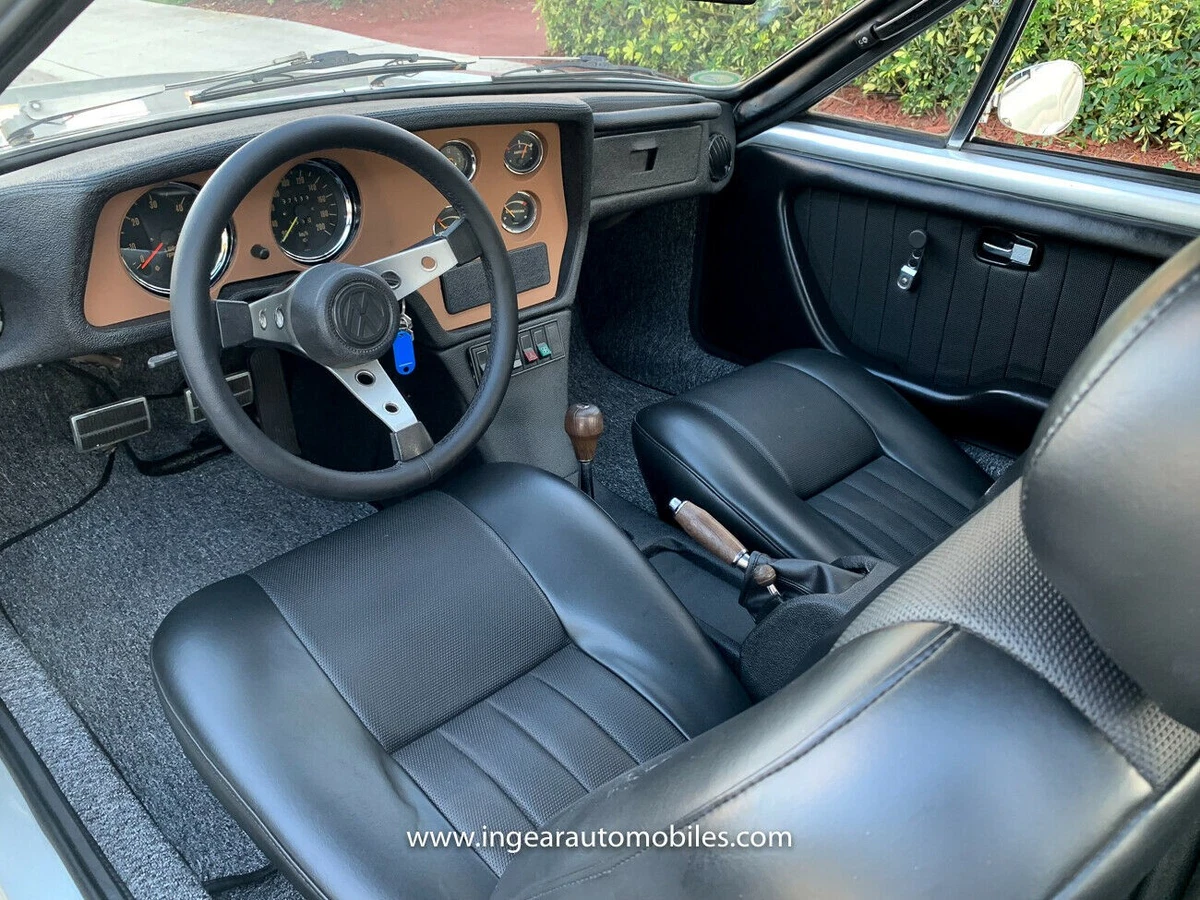
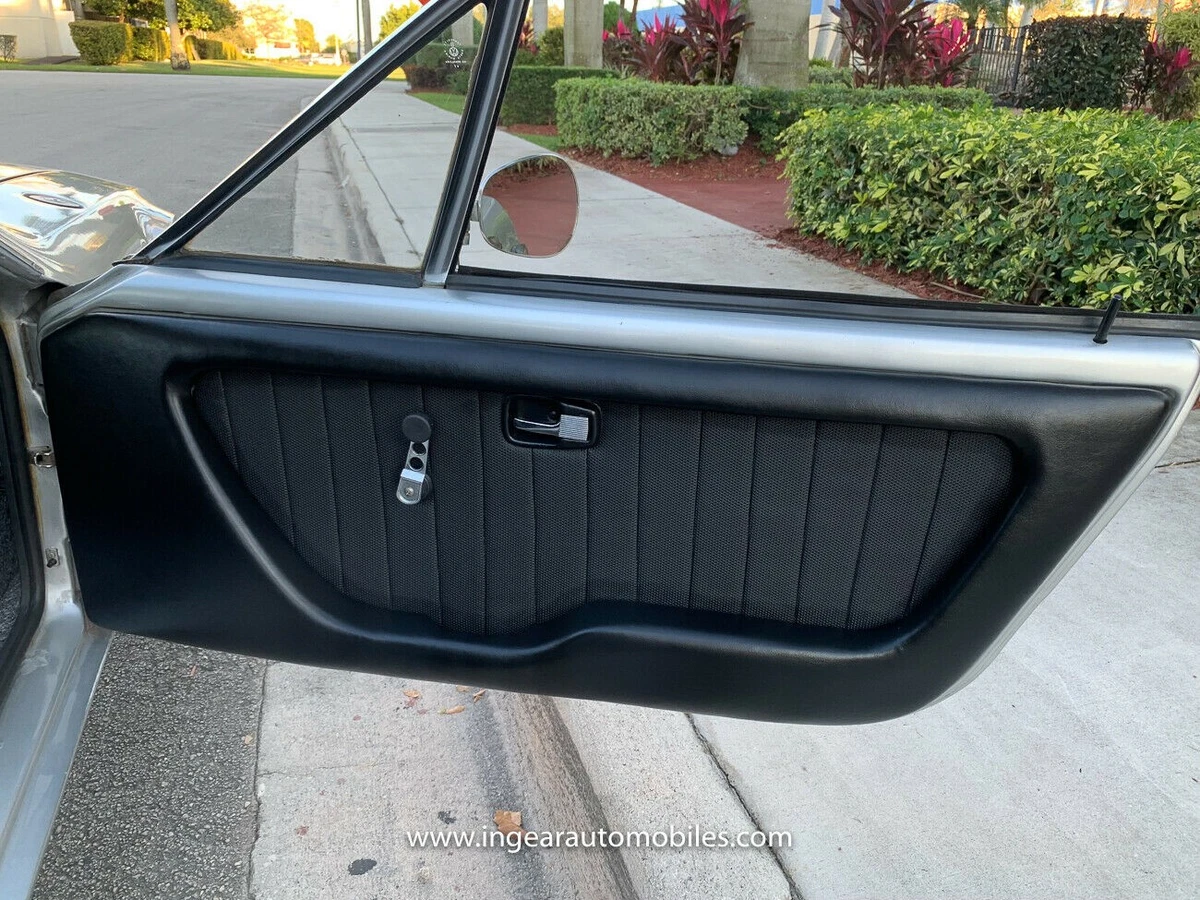
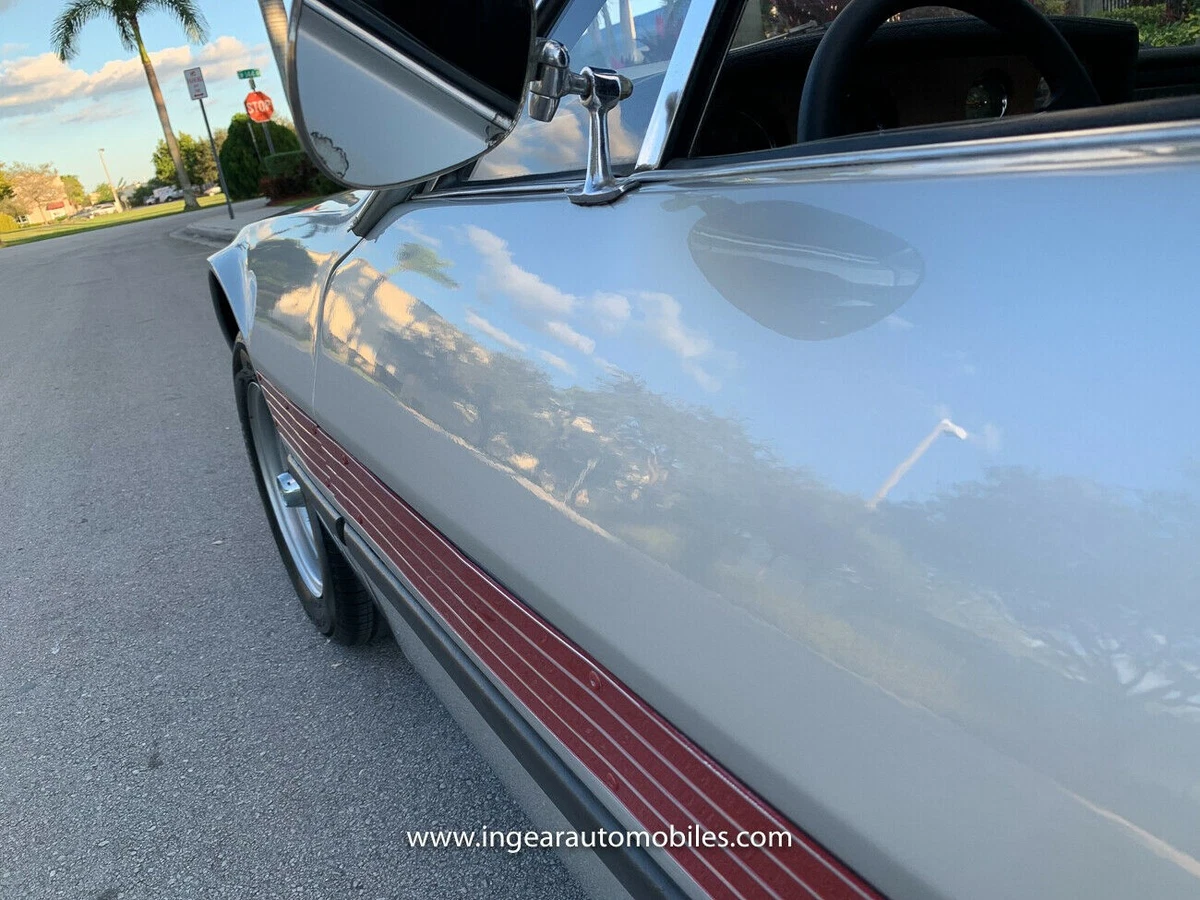
This SP2 was extensively restored, but the seller doesn’t know when that happened. The sheet metal is straight and solid. The interior is also near-perfect, and the seller points out only two minor paint blemishes. The dual-carb 1.7-liter engine and four-speed also appear to be in excellent condition.
The legacy of the SP2 extends beyond those few remaining models. When the SP2 first entered production, executives in Wolfsburg apparently noticed its beautiful shape. Legend has it that VW executives considered a version of the SP2 in Europe, but those plans never materialized.
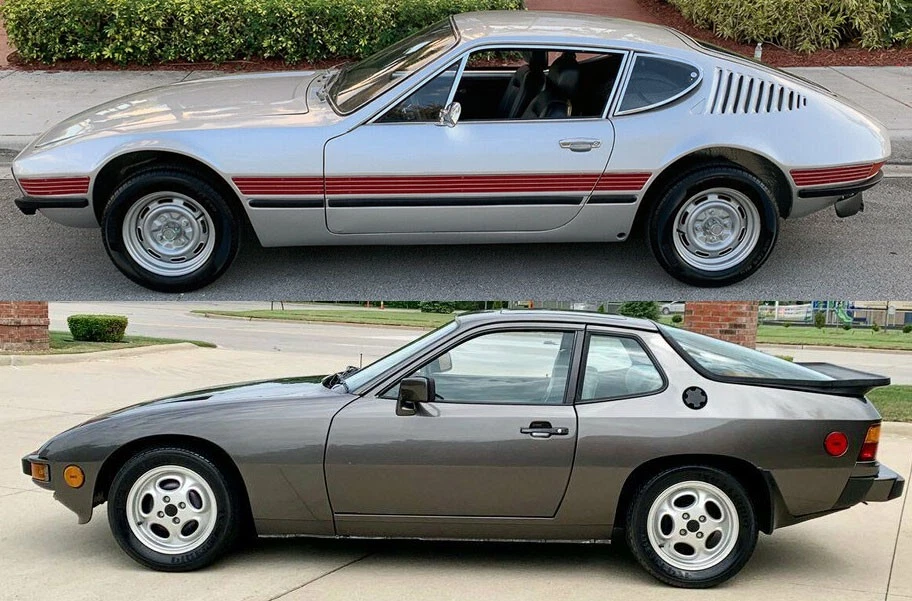
The Volkswagen SP2 (above) and the Porsche 924 (below).
However, in 1976—the same year the SP2 was canceled—Porsche released the company’s new ultra-popular 924 flagship sports car. The 924 is not a carbon copy of the SP2. But if you squint your eyes at the 924’s profile, you might see the spirit of the nearly forgotten Brazilian Volkswagen’s sports machine.
About the author

Share your feedback
This article is meant to provide general guidance only. Automotive maintenance, repair, upgrade, and installation may depend on vehicle-specifics such as make and model. Always consult your owner's manual, repair guide for specific information for your particular vehicle and consider a licensed auto-care professional's help as well, particularly for advance repairs.