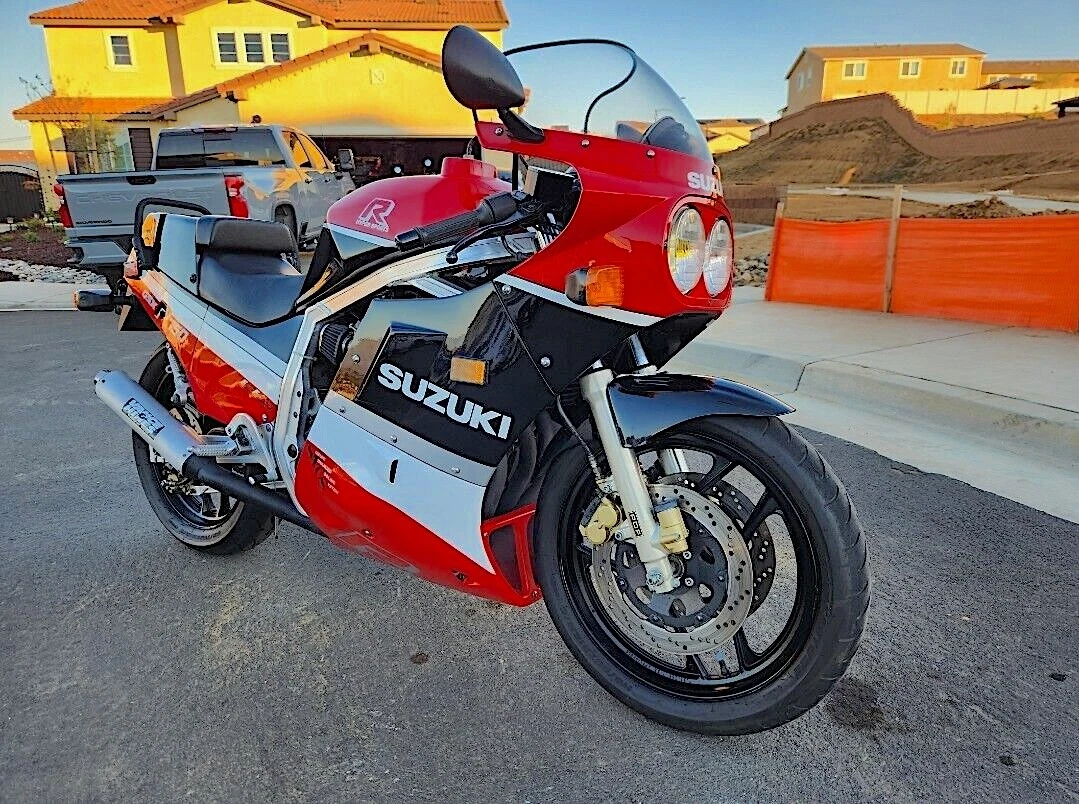
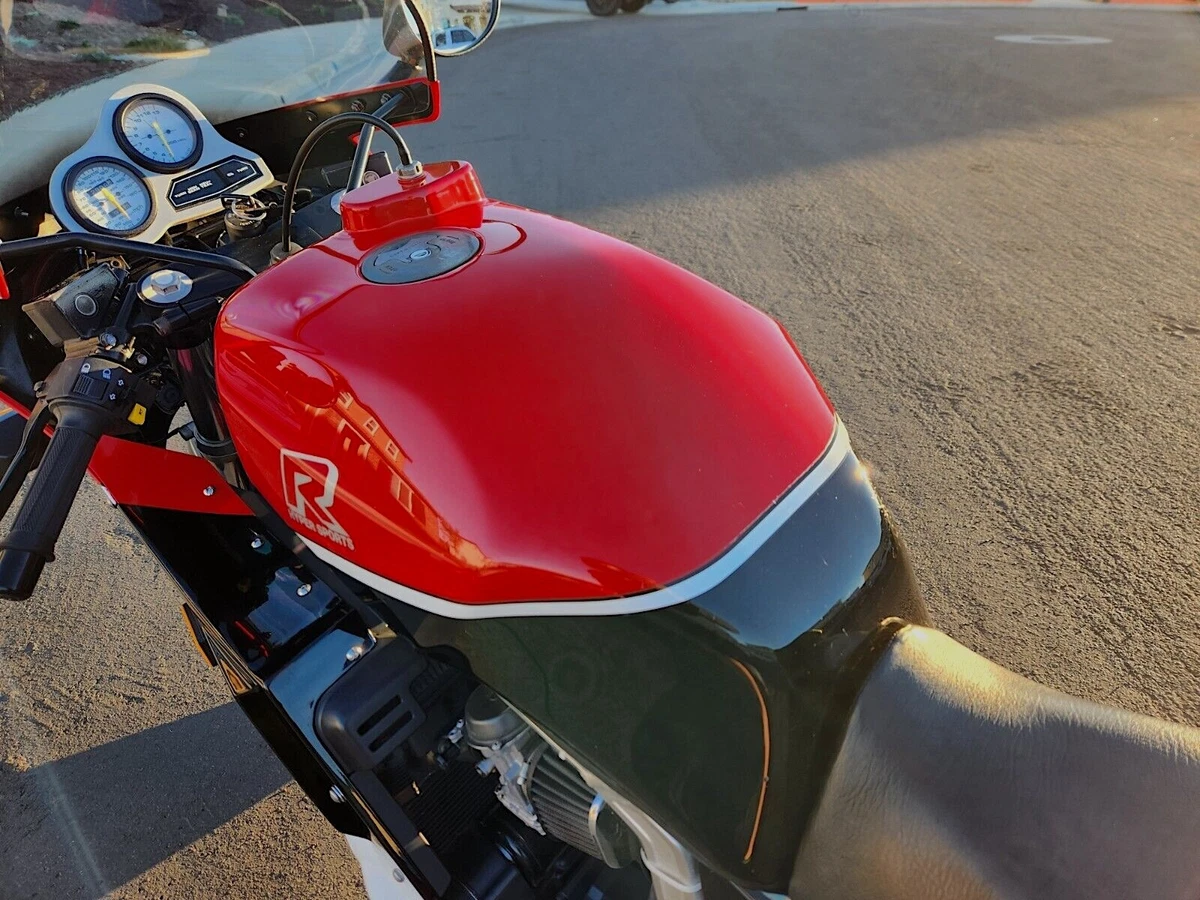
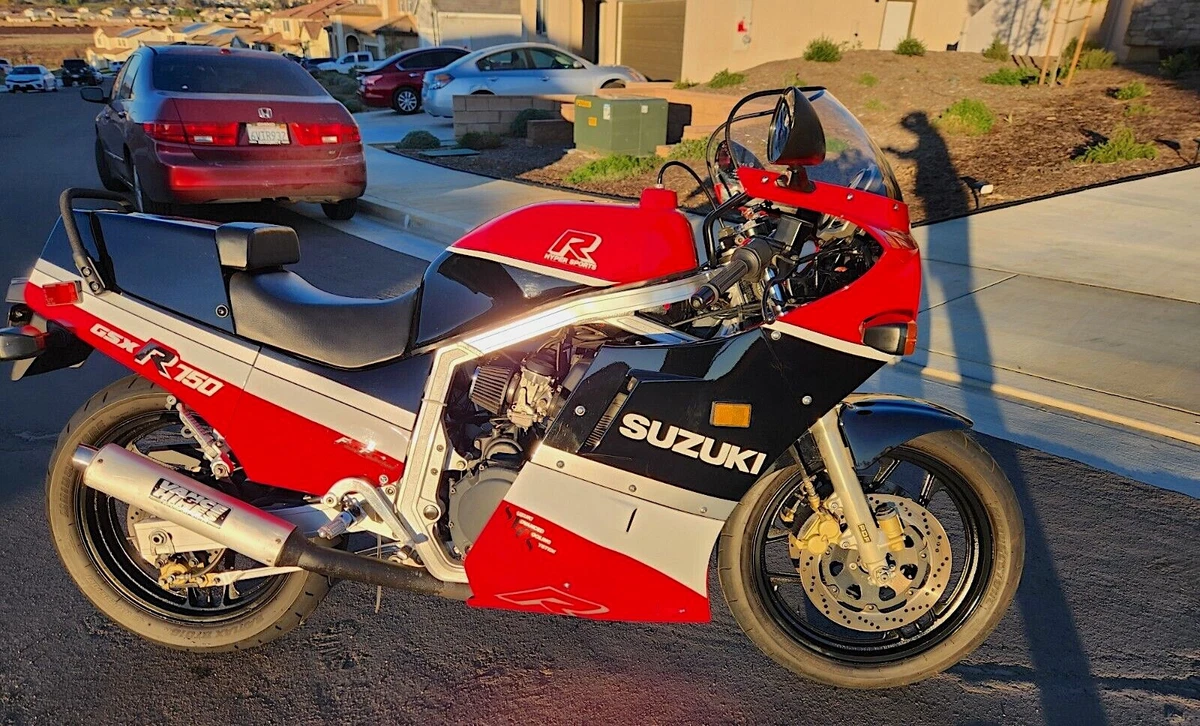
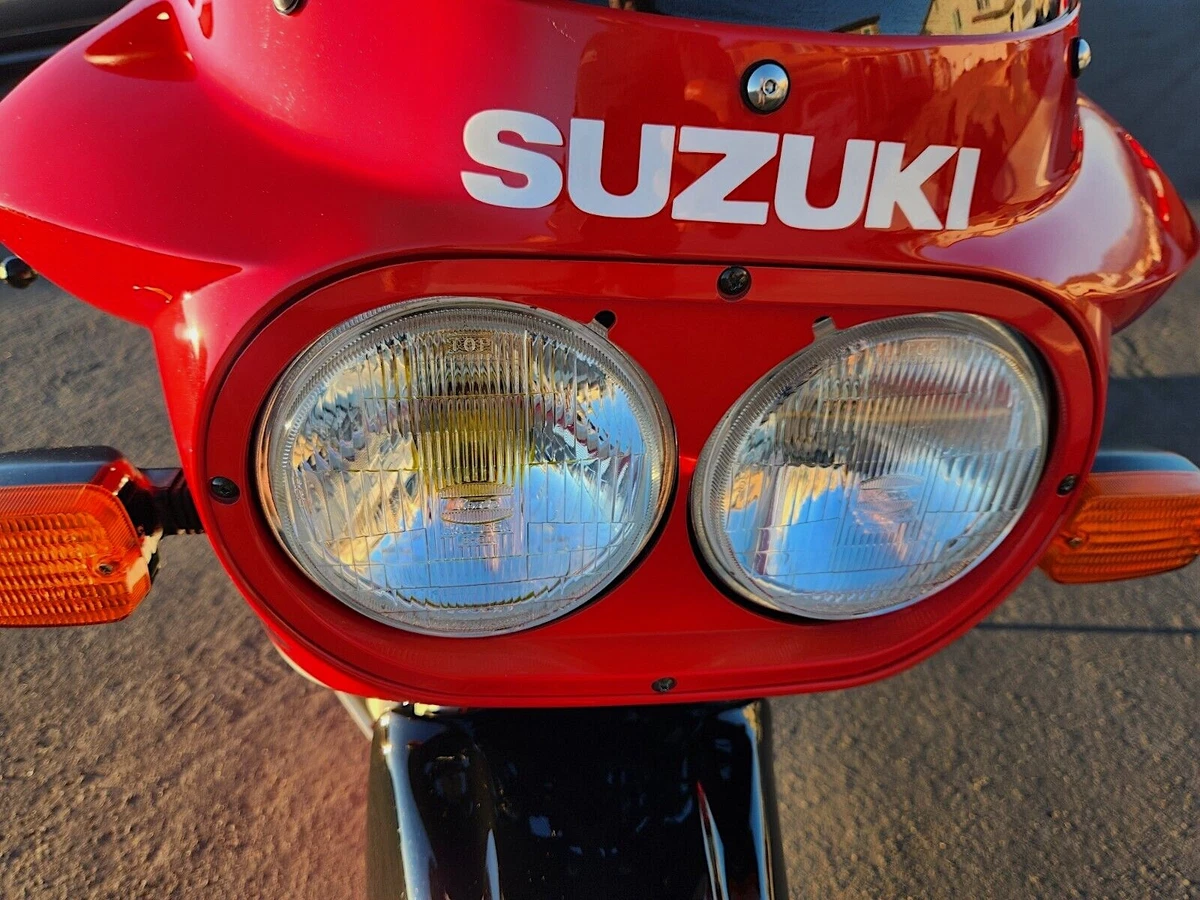
Suzuki’s GSX-R750 is among the most sought-after air/oil-cooled superbikes of the 1980s. Consider the extraordinary 1987 example recently for sale on eBay.
item 1 of 14
Everyday Race Tech
Suzuki engineer Hiroshi Fujiwara sums up the thinking behind the GSX-R750:
This pure Supersport model features an aluminum frame that is lightweight and has superb torsional rigidity. We had no real competitors in the market other than factory racing machines.
Suzuki conceived the Gixxer in 1985 when AMA and FIM race regulations decreed a maximum engine capacity of 750 cc. The company embarked on a path still followed by today’s superbike manufacturers who want to give road users a taste of a genuine race bike.
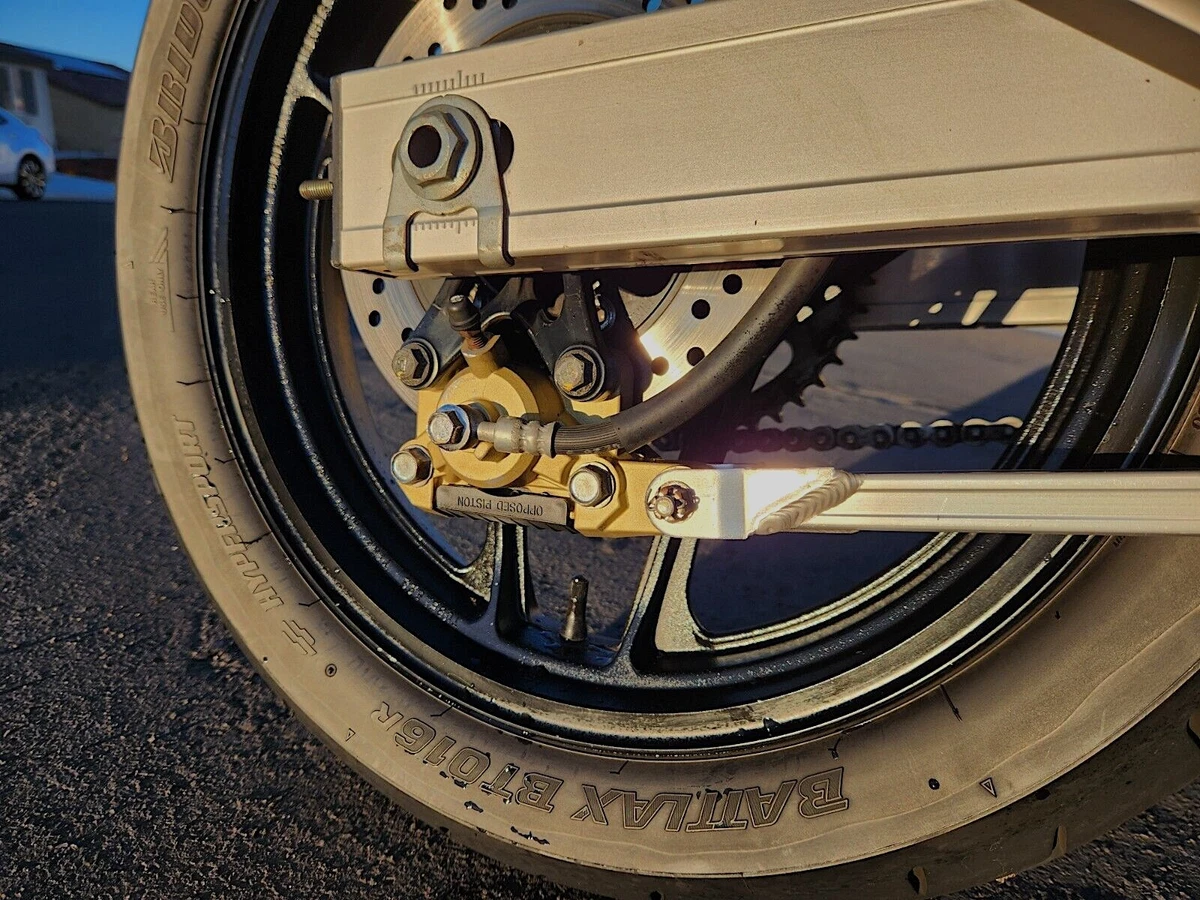
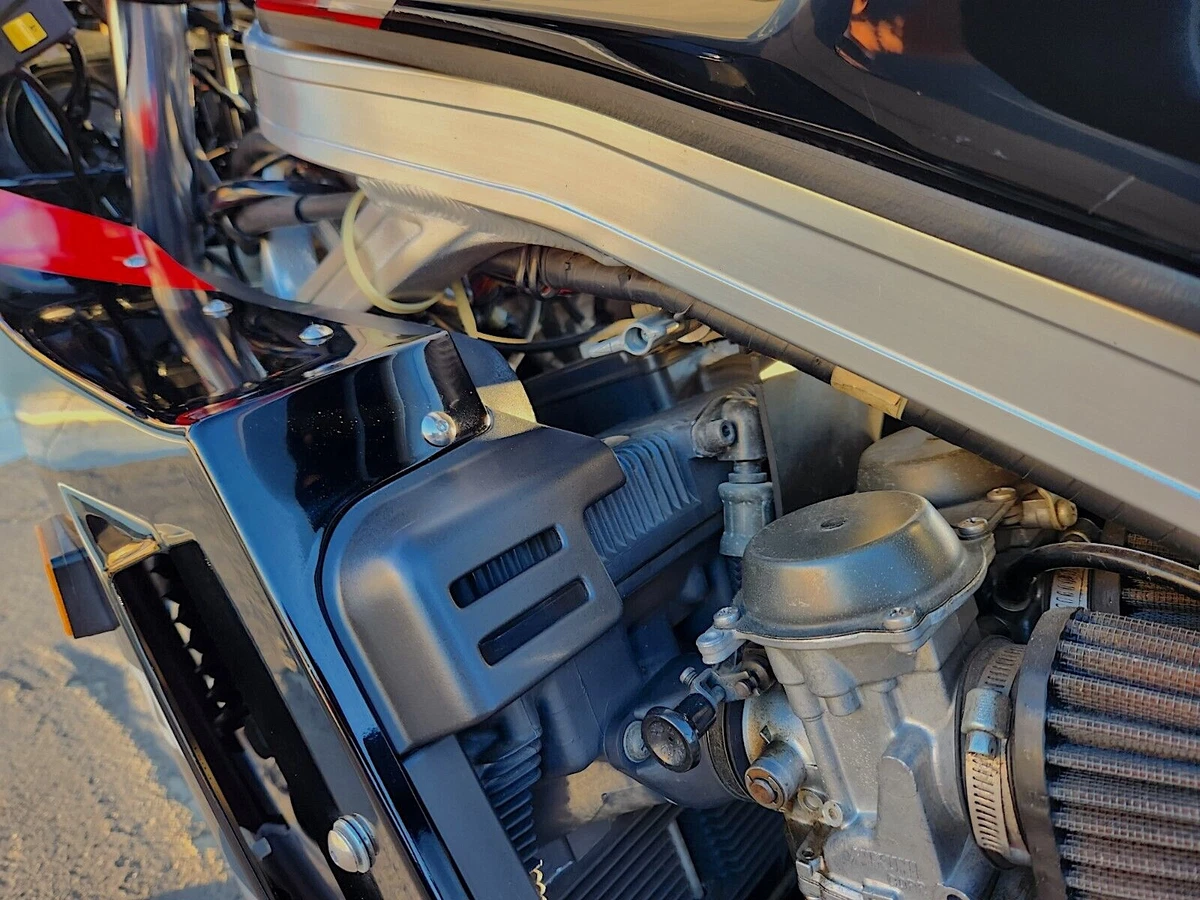
Forget using steel frames. Race bike frames had been made from aluminum for several years but weren’t considered for street bikes. The benefits of aluminum are a 20-pound weight savings and a stiff frame. The exhaust headers - opens in new window or tab. use a single-wall construction. Further rigidity comes courtesy of a front fork rake angle of 26 degrees. Suzuki claimed these forks were 20 percent lighter.
Suzuki was determined to keep the GSX-R750 as close to the race bike as possible, even if it was clumsy to maneuver around town.
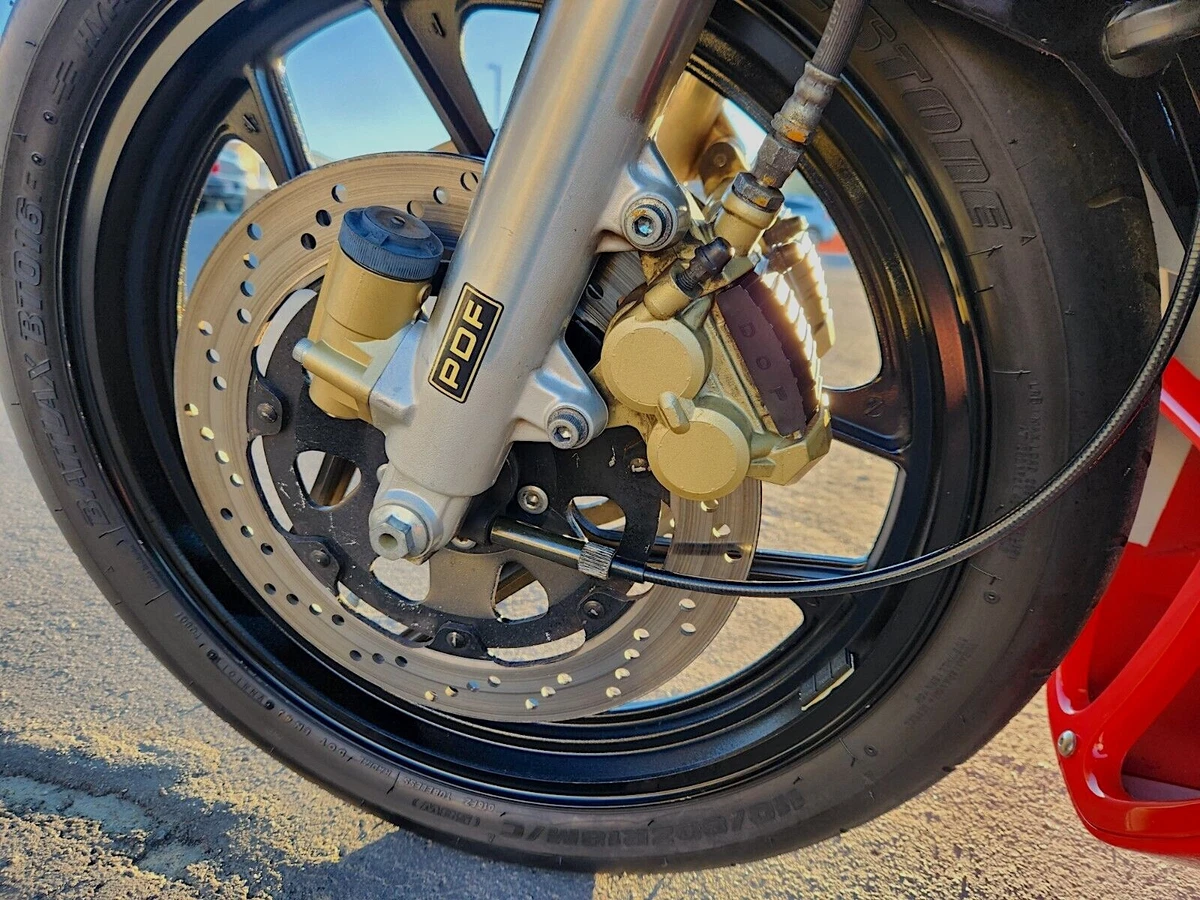
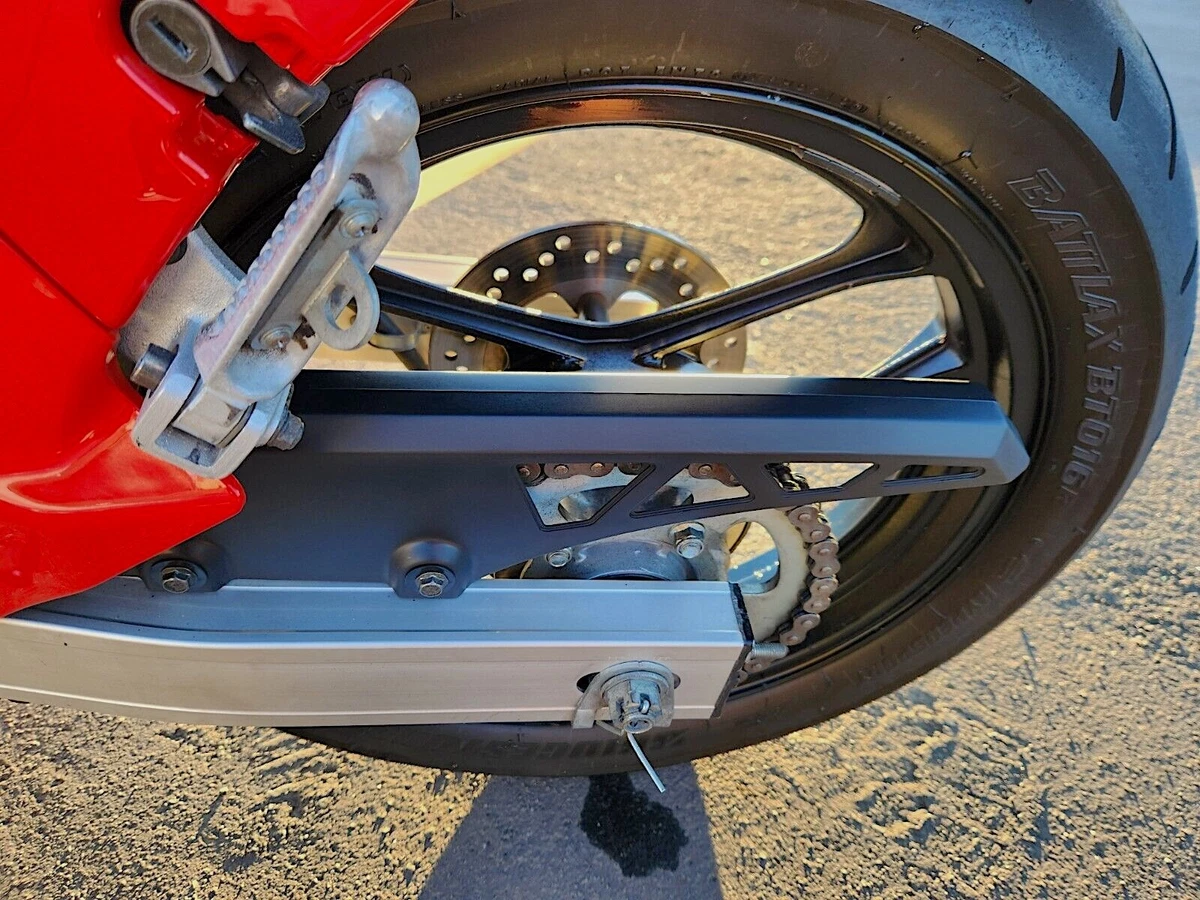
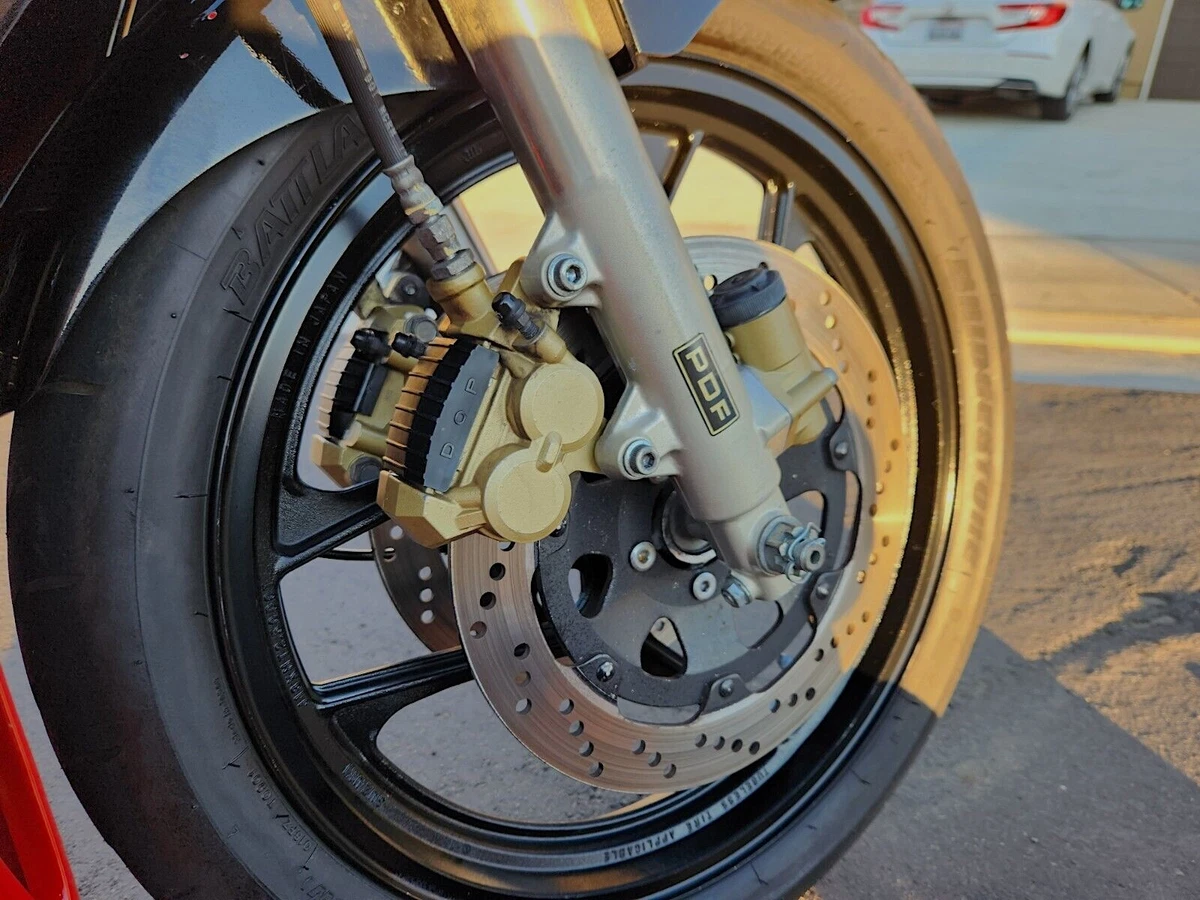
Reviewers described the GSX-R750's brakes as “ferocious,” which probably had as much to do with focusing on low weight as the twin four-piston brake calipers - opens in new window or tab.. The wheelbase was kept as short as possible to encourage turning capability, which resulted in a potential 55-degree lean angle, depending on who was riding. This called for the footpegs - opens in new window or tab. to be mounted higher than usual. Suzuki sacrificed rider comfort for this street-worthy racer.
Power to Weight
Many buyers are attracted to the engines used in 1980s superbikes. Although they offer less power than contemporary water-cooled offerings, the old air/oil-cooled bikes have a distinctive character. The 750 is no exception.
Engineer Isamu Okamoto explains:
We knew that reaching our goal of the world’s best power-to-weight ratio would be an enormous challenge.
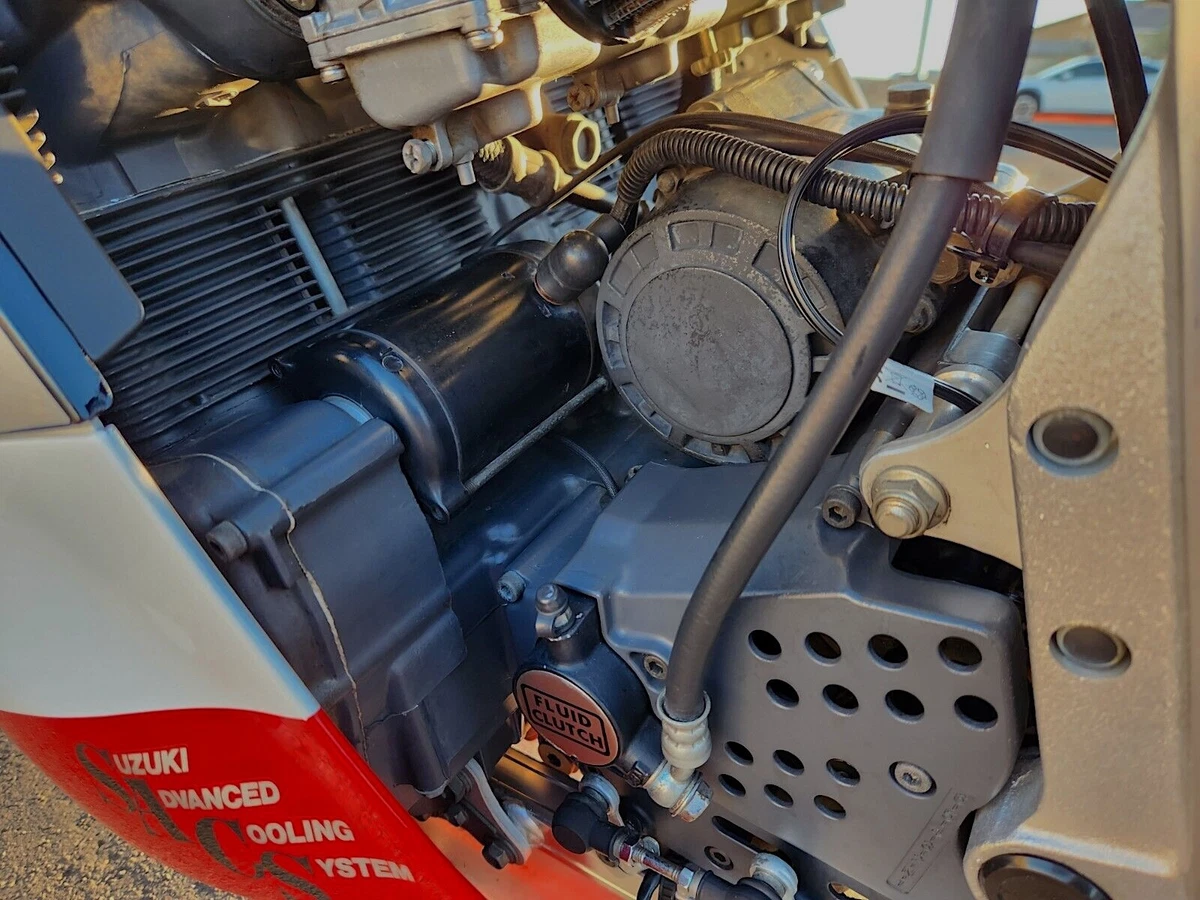
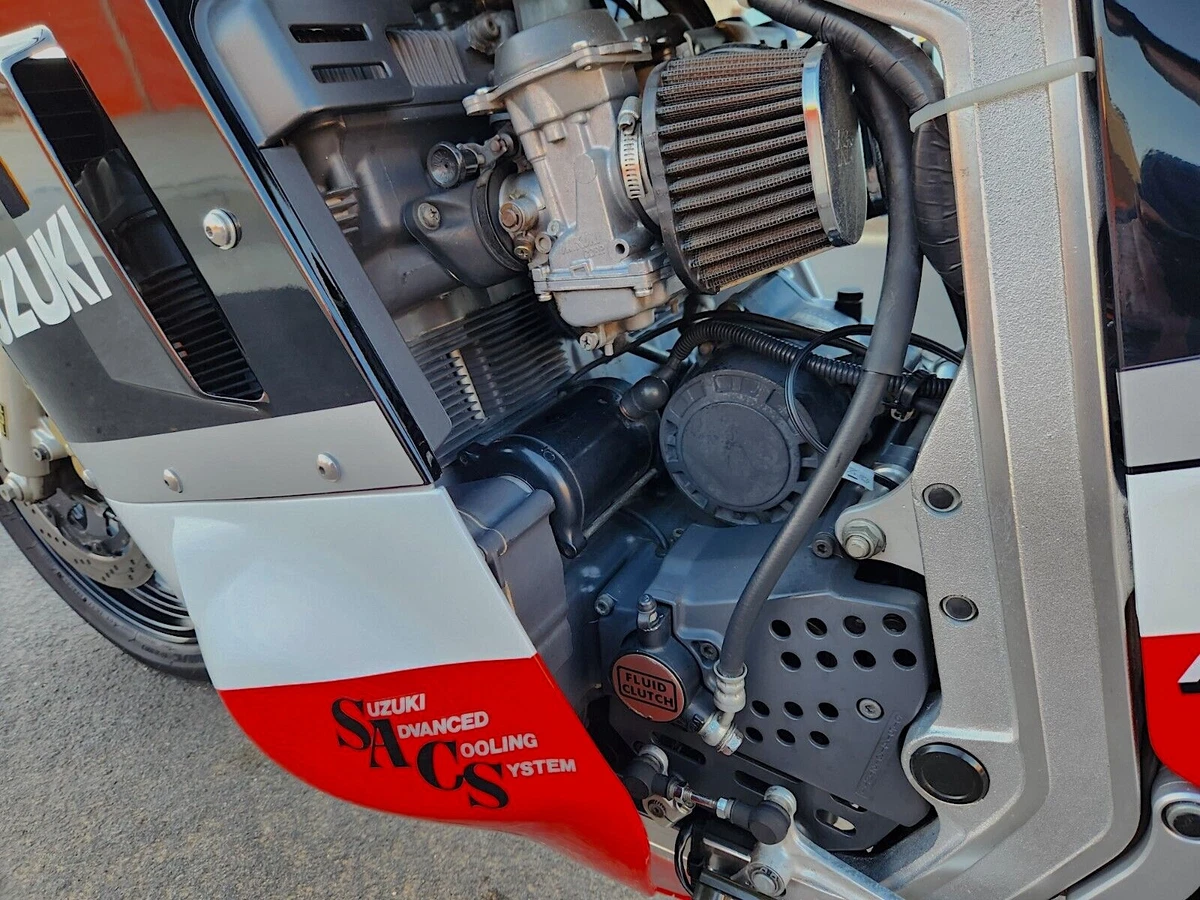
Suzuki faced the challenge with a new 750-cc motor that weighed around 30 pounds less than its predecessor and offered about 100 horsepower. The bike entered the realms of legend in the hands of factory racer and genuine American hero Kevin Schwantz - opens in new window or tab.. He claimed victories in the AMA Championship, the Bol d’Or, and Le Mans 24-hour events.
Legacy
Of all the fully-faired, race-bred sports bikes - opens in new window or tab. available on the street, the GSX-R750 is considered the first. After that, sports bikes were divided into two categories: before and after the GSX-R.
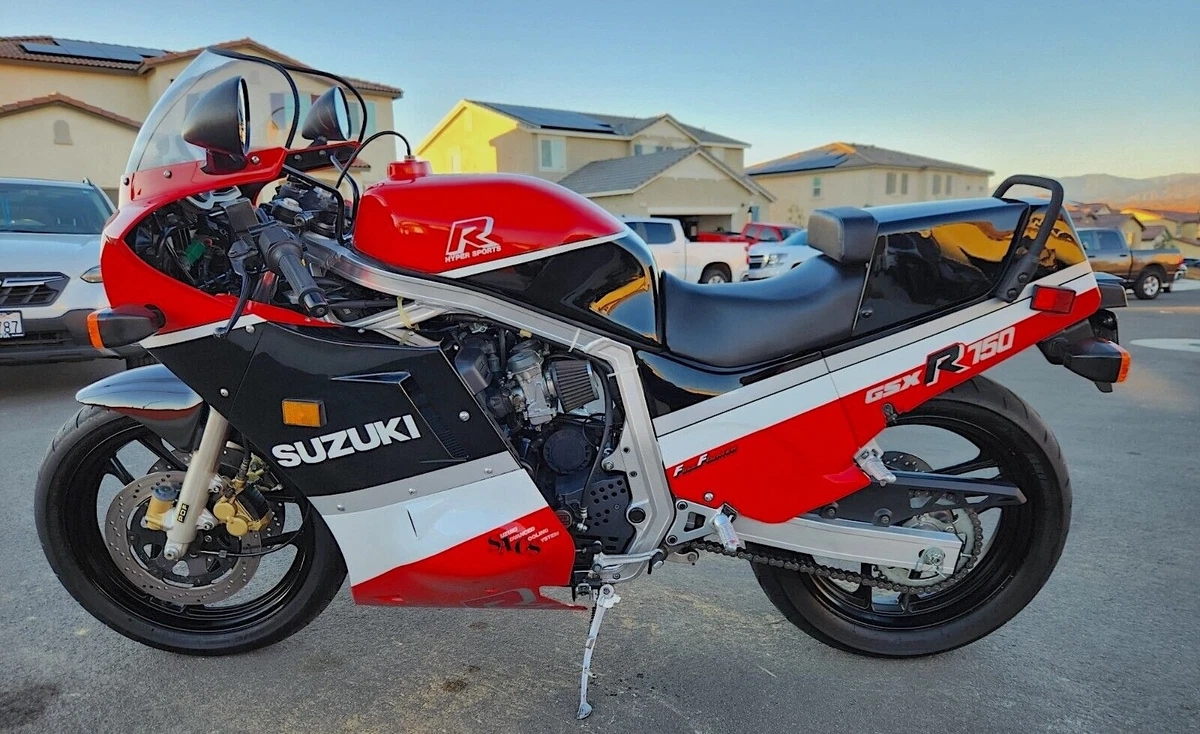
Th GSX-R750 was the go-to racer, especially with privateers. Nothing before it gave road users quite the same uncompromised experience.
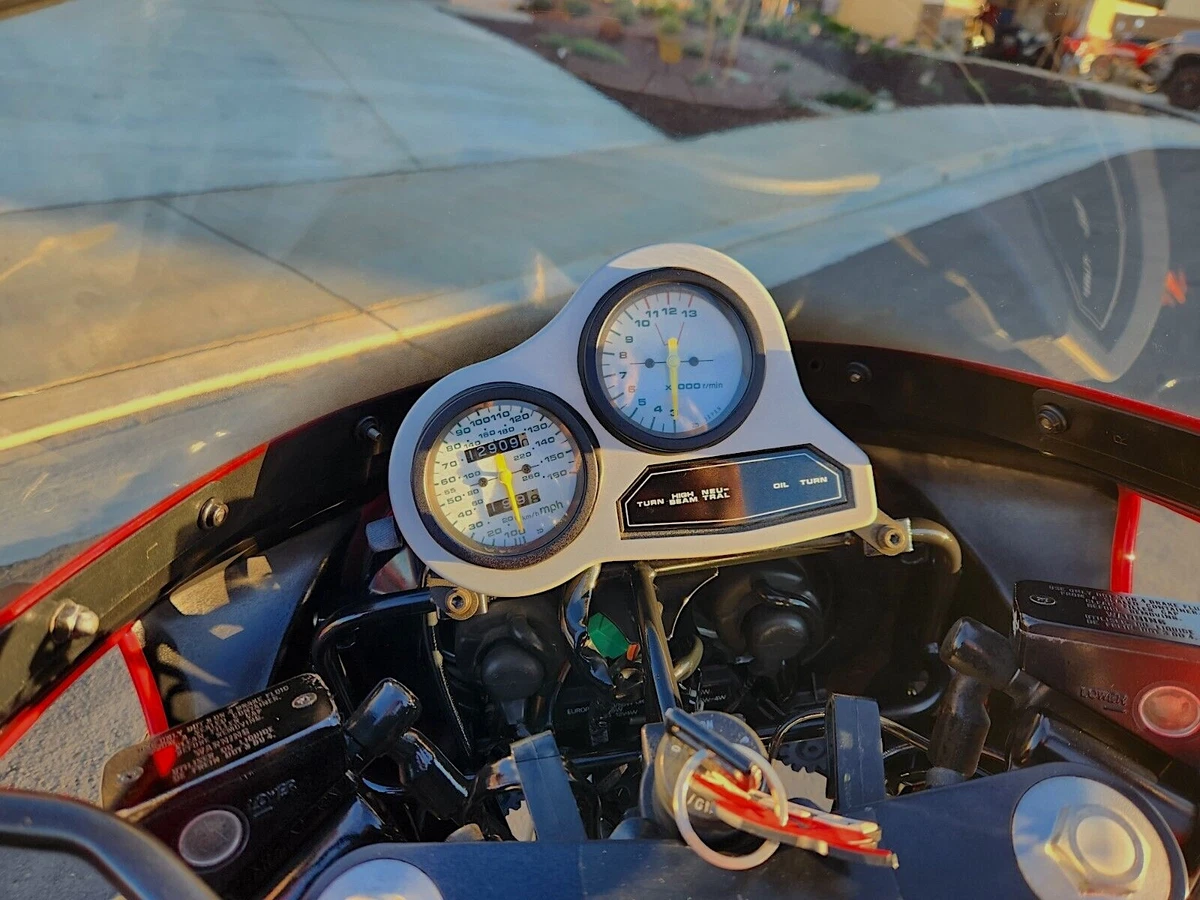
According to the seller, “only the best” parts were used to build the stunning example on eBay. The majority of the plastics are correct new-old-stock items.
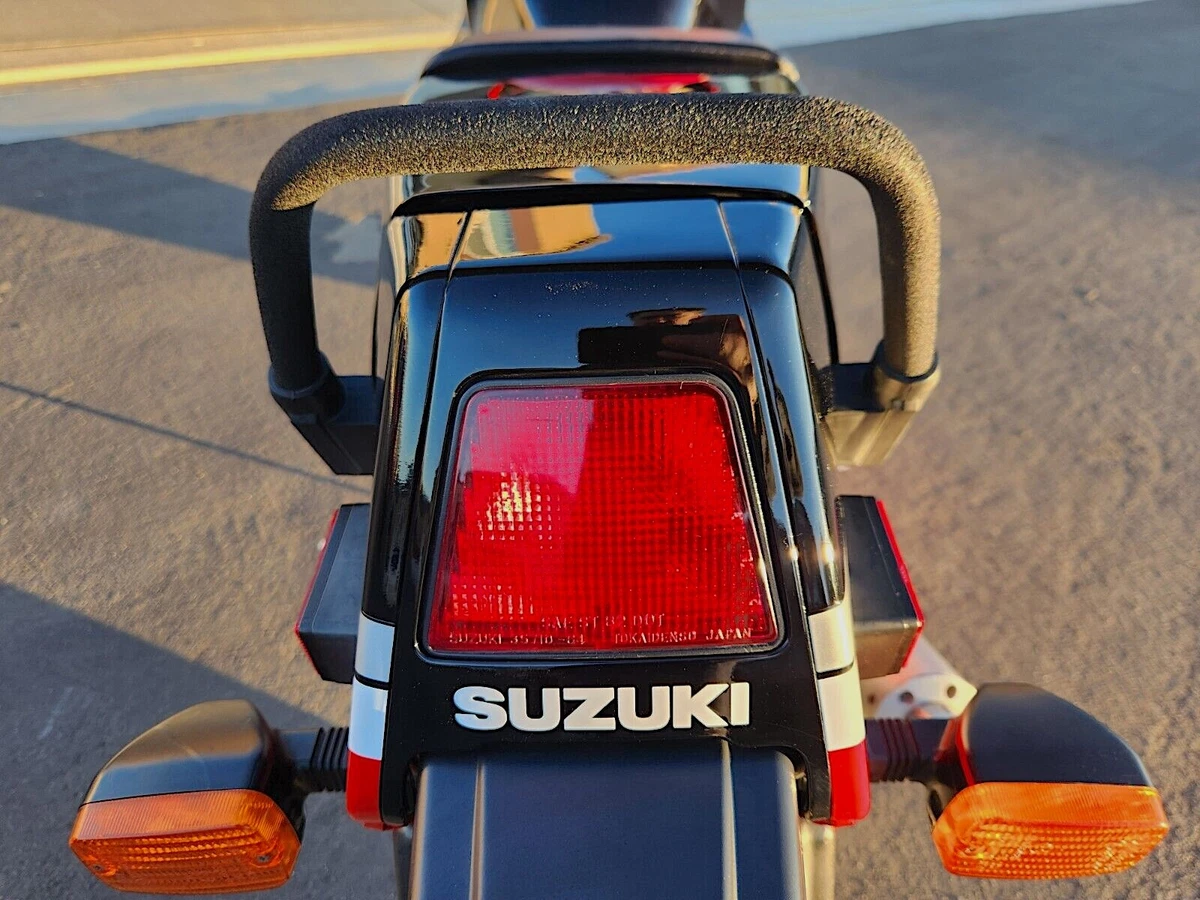
Here’s an appealing angle: A well-maintained old Japanese bike can be ridden to work. Considering the lack of rider comfort, it might need to be a short commute, but what a way to arrive.
About the author

Share your feedback
This article is meant to provide general guidance only. Automotive maintenance, repair, upgrade, and installation may depend on vehicle-specifics such as make and model. Always consult your owner's manual, repair guide for specific information for your particular vehicle and consider a licensed auto-care professional's help as well, particularly for advance repairs.