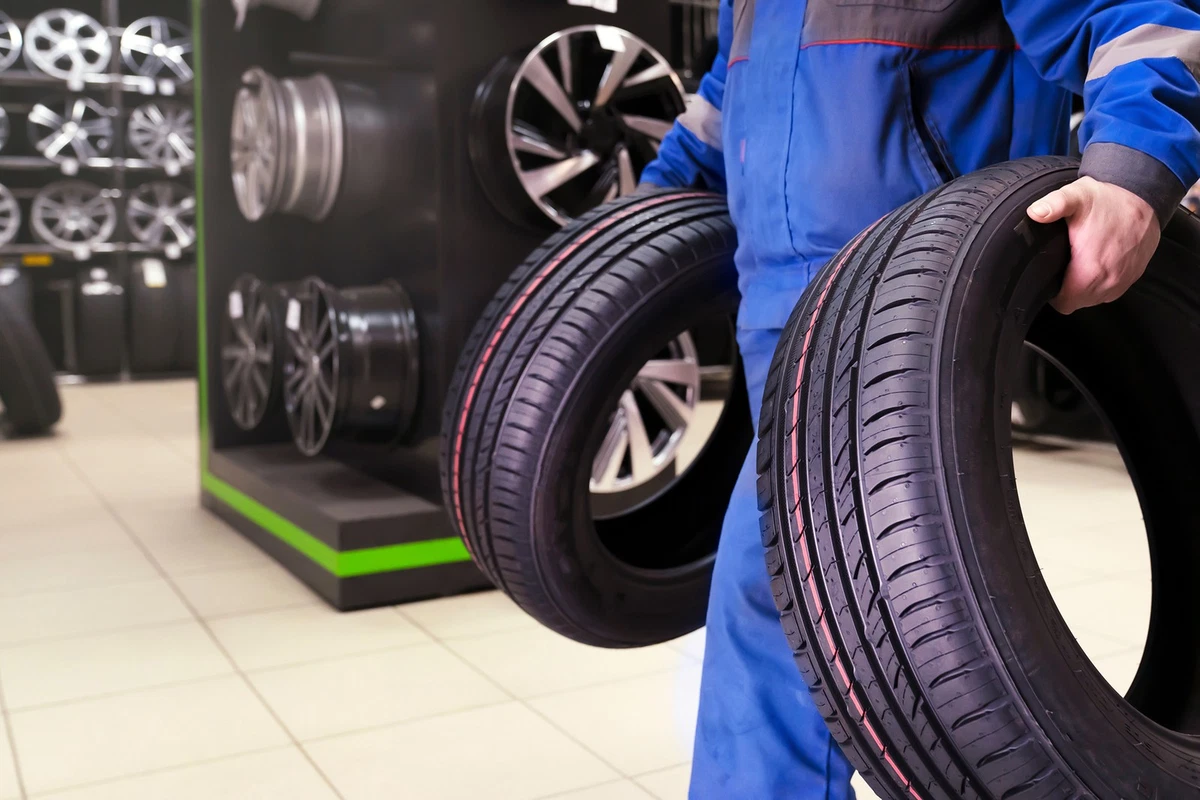
Shopping for tires - opens in new window or tab. can be confusing because there are so many types of tires that physically fit your vehicle. So how do you know which one to choose? What are all-season tires? Are they better than summer tires or winter tires? Which one is best?
Why Buy All-Season Tires?
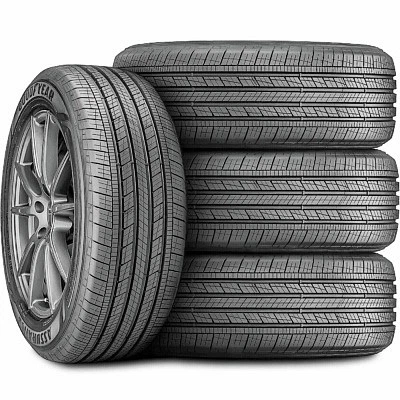
All-season tires - opens in new window or tab. are designed to handle moderate year-round weather conditions. From rain to light snow to hot days, an all-season tire is a good compromise that can be the only tire many drivers need.
These tires have tread patterns that sweep water and snow away from the tire’s contact patch with the road. They use a rubber compound that remains pliable and durable in hot and colder weather. These features also lead to a long life, explaining why some all-season tires have treadwear warranties of 60,000 miles or more.
Winter Tires for Snow and Ice

Sometimes called snow tires, winter tires are designed specifically for driving in cold winter weather. These tires have tread patterns that bite through snow and ice, quickly moving water and slush away from the contact patch. The tread typically has sipes—small microgrooves in the tire tread blocks—that create hundreds of edges to grab at the road surface.
Winter tires have rubber compounds that remain soft in extreme cold to ensure the tires can effectively grip the road. However, these compounds and specialized tread patterns will not perform optimally in hot weather, when high heat quickly wears away the rubber. Also, those soft, pliable tread blocks and sipes are noisy when driving in dry, hot conditions. Winter tires often do not come with treadwear mileage warranties.
Summer Tires for Ultimate Grip

Summer tires - opens in new window or tab. are produced for use by performance vehicles in warm, dry conditions. They are designed to enable ultimate grip on dry or lightly damp road surfaces, with firm rubber compounds that hold up to high-performance driving under hot conditions. Often these tires won’t even provide the best performance until they are warm. This makes summer tires great for drivers who take their car to a racetrack.
Summer tires typically feature wide, stiff tread blocks that give superior stability to the contact patch under high-demand driving conditions. The firm rubber and performance tread patterns do not perform well in cold and snowy conditions. The hard rubber won’t grip well and the wide tread blocks tend to glide over ice and snow.
Choosing Winter, Summer, or All-Season Tires
All-season tires might seem like the best of all worlds, and in many cases, that’s true. All-season tires give good performance for most vehicles in most conditions. They can work all year long, avoiding the need to change tires as the seasons change. However, all-season tires are a compromise, and not well-suited to all conditions.

For drivers who live in snowy climates, it might be best to have a set of winter tires for the cold season plus another set of tires—whether all-season or summer tires—for the rest of the year. In extreme winter conditions, an all-season tire won’t perform as well as a winter tire, leading to a potential loss of control. With their soft rubber compound and aggressive tread pattern, winter tires can wear down quickly during the summer months.
For drivers of high-performance vehicles, we recommend having a set of summer tires for the summer months and a separate set of either all-season or winter tires for the colder months. High-performance - opens in new window or tab. sports cars are usually designed to handle optimally with summer tires, so less aggressive tread patterns and rubber compounds lead to less fun and lower handling limits in dry conditions. In the colder months, however, these performance vehicles may need to be driven, and the second set of tires allows them to be moved safely.
Mount Two Sets of Tires
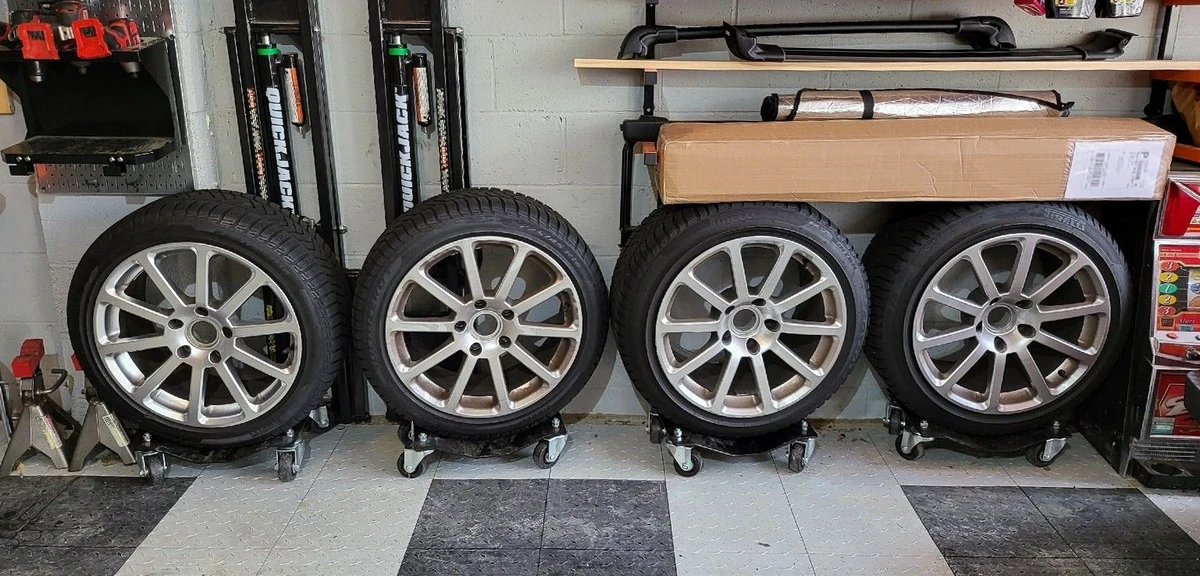
If your vehicle came equipped with one type of tire - opens in new window or tab. and you decided to fit season-specific tires for a time, it’s best to have a separate set of wheels to fit your vehicle. - opens in new window or tab. Once your tires are mounted on the rims, you can easily make the seasonal changeover at home.
Ensure you always have a matched set of four tires on your vehicle. For example, don’t fit winter tires to just one axle of your car, as this can lead to a handling imbalance from front to rear.
If your vehicle is equipped with a tire pressure monitoring system (TPMS), you’ll likely need a second set of sensors - opens in new window or tab. for the second set of wheels and tires. These must be programmed to match your car with a relearn tool - opens in new window or tab..
Safety comes first when you mount seasonal tires. Make sure that when you jack up your car, it is supported with jack stands - opens in new window or tab. and the wheels are chocked. When tightening the lug nuts - opens in new window or tab., use a torque wrench - opens in new window or tab. to ensure they are secure.
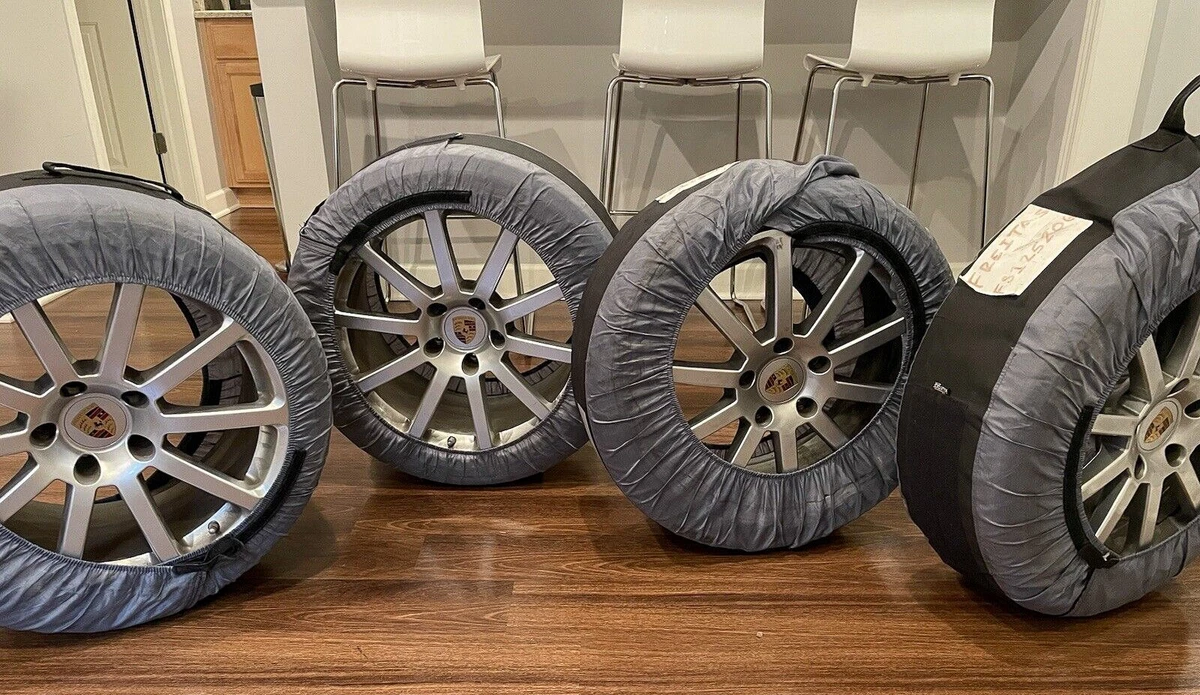
Store the off-season tires securely, and protect them from ultraviolet light and ozone, which can prematurely break down the rubber compounds and shorten the tire's life. There are specially designed bags to protect them from the light.
About the author

Share your feedback
This article is meant to provide general guidance only. Automotive maintenance, repair, upgrade, and installation may depend on vehicle-specifics such as make and model. Always consult your owner's manual, repair guide for specific information for your particular vehicle and consider a licensed auto-care professional's help as well, particularly for advance repairs.
Recommended for you
Find answers and inspiration

Tire and Wheel Packages for Upgrading Your Truck
Airless Tires Promise Puncture-Proof Motoring

Car Wrapping Is the Flexible Way to Decorate Your Car

How to Bring Your Car’s Exterior Back to Life

Guide to Best-Selling Firestone Tires

With STO N SHO, Your Show Car’s License Plate Easily Slides Away

Best Tire Brands for Specific Types of Driving

Winter Wiper Blades: Safety in Snow and Slush

Car Roof Wraps: Express Yourself from the Top of Your Car

Shaved Door Handles Give that Smooth Custom Look

The Difference Between Projector and Reflector Headlights

Buying the Right Windshield Washer Fluid
6 min read
A Powerful Tool in Auto Detailing: Clay Bar Treatment

Why You Should Rotate Your Tires
5 min read
The Wonderful World of Car Detailing Brushes

Top Tips for Cleaning Car Glass
4 min read
Sylvania Headlight Restoration Kit Revives Bright Light

How to Expand Tesla Model X Cargo Capacity
6 min read
Fixing a Car Dent With DIY Tools

Why Car Glaze Should Be Your Next Detailing Step
3 min read
TRD Wheels Add Style to Toyota Trucks

Squeaks, Clangs and Rattles: Car Noises That Need Attention

Spare Tire Covers: Personalize and Protect Your Spare

Preparing Your Classic Ride for a Car Show or Cruise Night

Understanding the Importance of Calculating Tire Height

8 Ways to Make Your Beater Look Bad

An Introduction to Fixing a Chipped Windshield
4 min read
Paint A Part: Super Fast DIY Body Repair

Underglow Lights Give Your Car a Special Glow

How a LED Light Bar Brightens Road for 1963 International Truck

Comparing All-Season vs. All-Terrain Tires

What Causes Dry Rot in Tires?

5 Quick Steps to Prevent Cold-Weather Breakdowns

What's the Point of a Car Bra?

How to Repair a Chipped Windshield
7 min read
Hercules Tires: Good Tires on a Budget

Mod Your Car Horn: Easy DIY Project
5 min read
How To Remove Rust From a Car

Electric Running Boards and Side Steps for Trucks

Power Window Motor Repair: An Easy DIY Project

Upgrade to a Hands-Free Power Liftgate

Have Two Sets of Wheel-Tire Combos (One for Winter and Another for Summer)

Prepare Your Car for Rain With New Weather Stripping
4 min read
Muddy Love: Valentine’s Day Gifts for Your Favorite Jeep-Customizer

5 Small Car Maintenance Tasks To Prevent Big Problems Later

Style Your Ride with Tinted or Smoked Headlights

How to Check Tire Pressure and Change a Tire
9 min read
How to Choose the Proper Tow Hitch

Why It’s Critical to Rotate Your Tires

How to Wash Your Car Without Water

Suicide Doors and Other Cool Car Doors

A Guide to Sealing Your Vehicle’s Headlights

Foam Gun vs. Foam Cannon: Which Car Washing Tool Is Right for You?

Remove Your Car’s Badges for a Sleek and Mysterious Look

Aftermarket Wheels: The Coolest Looks and Brands

How to Remove Scratches from Your Car’s Paint
5 min read
Off-Road Tires: Mud Tires vs. All-Terrain Tires

Why Michelin Tires Are So Popular
What Is Tire Cupping and How to Avoid It

Explore the Style of Classic GM Factory Muscle Car Wheels

Get Your Classic Car Ready for Winter
Tire Terminology: From A to Z

It’s Time for a Windshield Wiper Tune-Up

Deciding to Buy Original or Aftermarket Auto Parts: Quality and Selection

How to Remove Windshield Wiper Scratches

How to Clean Headlights: Buy a Kit or Do It Yourself?

5 Best Overlanding Mods for Toyota 4Runner
4 min read
Performance Mods for the Nissan Leaf

Tire Pressure Tips

Forged vs. Cast Wheels: What’s the Difference?

Hood Scoops: Why Extra Air Adds Speed and Style to a Sports Car
Why Your Car Still Needs Wax in 2026
4 min read
Polish Your Car Like a Pro

Painted Brake Calipers Dress Up Any Ride

Comparing Wheels: Steel, Alloy, Carbon and More

How to Equip Your Tires for Snow and Ice

Benefits of a Precut Car Window Tint vs Pro Installation

Online Videos Are a Game-Changer for DIY Car Repair

Why Buy Winter Tires?

Chemical Guys Detailing Products for a Spotless Car Interior

Toyota Pickup Accessories and Upgrades: A to Z

A Guide to Replacing Hood Struts
4 min read
All About Car Rims: Types, Materials and Cost
5 min read
What Makes a Vehicle Capable for Off-Road?
Summer Tires vs. All-Season: You Can Feel The Difference

7 Steps for Cleaning Wheels and Rims

Hacks to Restore a Headlight Lens

Best Waterproof Car Covers for Hail, Rain, Snow and Extreme Sun

How to Remove Rusted Nuts and Bolts

The History and Future of Automotive Side View Mirrors

How Long Do Car Tires Last?

An Overview of Goodyear Truck Tires

SUV Tents Turn Your 4X4 into a Portable Campsite

How to Clean Your Car’s Underside to Keep It Running Right

How to Wrap and Personalize Your Cybertruck
5 min read
Street Tires Versus R Compounds? Strong Advice for Track Newbies

How to Choose the Best Performance Tires

Choosing the Best Tonneau Cover for Your Truck

Deciding to Buy Original or Aftermarket Auto Parts: The Online Transaction

Why Microfiber Cloths Are Perfect for Car Care

What Is a Tire Load Index?

Winter Car Prep: 5 Essential Articles
Why Checking Your Tire Pressure Matters
7 min read
What You Need to Know About Mud Terrain Tires

How to Polish Trim and Wheels

Where You Gonna Store That Spare Tire? We Have Some Ideas

What You Should Know About Windshield Wipers
4 min read
How to Put Air in Tires: Expert Tips
6 min read
8 Expert Tips for Spring Cleaning Your Car

Make Road Trip Car Cleanup Fast and Easy

How to Measure Tire Tread Depth

Tuning with Tires

DIY Car Paint Repairs Are Easier Than You Think

Falken Tire: Racing Tech Brought to Commuter Cars

Take These 5 Steps Before Pausing a Car-Build Project

How to Use a TPMS Relearn Tool

A Few Things To Consider When Restoring a Classic Mustang Fastback

How to Calculate Wheel Offset

How to Change a Tire in the 21st Century

Car Design App Makes 3D Rendering Fast and Easy

A Guide to Commercial Truck Tires

How to Avoid Micro-Scratches: Two-Bucket Car Wash

Hot Rod Mod Glossary: Your Guide to Classic Car Modification Lingo

The Promise and Perils of a Custom Patina Paint Job

Metric Tire Conversion Made Easy

Rear Wing Spoilers: For Speed or Just Style?

Taking Your Car to the Track: The Ultimate Guide

Experiment with Car Colors, With Plasti Dip

Choosing the Right Cargo Carrier

Guide to an Easy DIY Bumper Replacement

5 Portable Air Compressors to Pump You Up

Top Picks for Best Portable Tire Pumps

The Best Street-Legal Drag Tires

Items You Need for Maintaining Tire Pressure
7 min read
Tire Rotation Patterns: Which Tire Goes Where?

Jeep Lifts and Hoists: Removing and Storing Hardtops

How Plus-Sizing Your Tires Boosts Vehicle Performance

Adding an Aftermarket Backup Alarm

Vehicle Awnings for Adventure Travel

Low Rolling Resistance Tires Reduce the Pain at the Pumps

Step-by-Step Tire Valve Stem Replacement
6 min read
What’s the Difference Between All-Season and All-Weather Tires?

What Is a Tire Pressure Monitoring System (TPMS)?

General Tire Has Full Line of Affordable Quality Tires

Guide to Defrosting Windows and Windshields

Parking Aids Prevent Curb Rash

How to Customize Your Car for the Best Resale Value

Detailing Secrets of Pebble Beach Judges
4 min read
The Right Way to Shine Up Your Tires
4 min read
What Is a Rotisserie Restoration?

How To Buy New Old Stock (NOS) Parts on eBay

Best Tires for Drifting

How to Install Tire Chains or Cables for Winter Driving

6 Ways to Get the Most Life Out of Your Tires

Pirelli Tires: Performance Tires with Motorsport Sophistication

Add a Third Brake Light to Increase Safety

Essential Info About Windshield Washer Fluid
6 min read
Protect Your Front End with a Grille Guard or Bull Bar

Types of Wheels You Can Buy on eBay Motors
Aftermarket Blind Spot Detection Can Save Your Life

Guide to Microfiber Cloths for Car Detailing
3 min read
Emergency Spare Tires vs. Run-Flats
Nitrogen In Tires: Is it Worth the Cost?

What Every Emergency Winter Car Kit Needs

Plugging a Tire: When It’s Possible and How to Do It

Let the Sunshine In: Advice for Installing and Repairing Sunroofs

Trailer Tires Take on Heavy Tasks

My Sunroof Is Leaking, Now What?

Choose Snow Tires vs. Snow Chains for Winter Driving

Pickup Cargo Beds: Making the Most of Their Storage Potential

Your Crossover Can Become an Overlanding Rig

Wheel Spacer Pros and Cons: What You Should Know

A Brief History of Whitewall Tires

Hood Straps, Pins, and Locks: The Finishing Touch for Security and Style

Everything You Need to Know About Driving on a Spare Tire

Windshield Chip Repair - An Easy DIY Guide

Buying the Right Windshield Wipers
5 min read
Add a Flair To Your Ride

Learn How to Get Sideways in the Snow, Safely
How To Read the Side of Your Tire

How to Buy the Best Windshield Chip Repair Kit
5 min read
Wash Mitts: The Right Tool for a Safe Car Wash
3 min read
Winter Tires Save Lives: Don't Cheap Out When It Comes to Safety

Deciding to Buy Original or Aftermarket Auto Parts: The Basics

Expert Advice for Checking Tire Pressure with a Gauge

LED Headlights on Cars: Installing, Aiming, and Troubleshooting

Halo Headlights Add Stylish Rings of Light

Checklist: 8 Steps For Winter Car Prep

Gorgeous Car Photos in 5 Easy Steps

7 Steps for Successful Springtime Car Prep

Cooper Tires Offer High Performance at Competitive Prices

Basic Car Maintenance Is Simpler Than You Think

What to Buy Before Rotating Your Tires
4 min read
A Truck Bed Liner Transforms Your Hard-Working Pickup

Guide to All-Season SUV Tires

How to Change Your Windshield Wipers

Best All-Season Tires For Snow

Why Paint Protection Film Beats Car Wax

The Coolest Car Badges, Stickers and Wraps on eBay Motors

Hisses, Whines, and Rattles: What Your Car Is Trying to Tell You

Squeaky Windshield Wipers Can Be Silenced

Taking Vintage Cars Out of Storage: Planning for Spring

Any Car Can Be Turned Into a Pickup, Right?

Pay Attention to Your Tire Pressure Light
4 min read
Washing Your Car the Right Way

Cost of Mounting and Balancing Tires
5 min read
How to Buy the Right 1970-74 Barracuda Trim Parts
4 min read
The Coolest Racing Wheels in Formula Drift

How to Manage Your Vehicle’s Rust Problem
6 min read
Used Winter Tires: Save Big and Stay Safe

How To Repair a Tire with a Nail In It
How to Pick the Right “Parts Car”

How to Refill Windshield Washer Fluid
4 min read
Hankook Tires: High-Quality Full-Range Tire Line

How to Drive in Mud

What Is a Tire’s Speed Rating and Why Is It Important?
4 min read
Are Ceramic Coatings Worth the Time and Cost?

Goodyear: Great Performing Tires for Daily Driving

Instant Upgrade: A New Custom Grille for Your Truck or Car

The Fine Art of Automotive Hood Ornaments

Why You Should Dry Your Car With a Leaf Blower
4 min read
Puddle Lights Brighten the Experience of Getting into Your Car

How to Change Windshield Wipers
3 min read
Windshield Washer Fluid Isn’t Coming Out, Now What
5 min read
Douglas Tires Offer Big Value for a Low Price

Tire Sidewall Repair: Why It Should Be Avoided
Three Key Pieces of Advice About Performance Tires

Easy Steps to Keep Whitewall Tires Clean

How to Choose a Bike Rack for Your Car

How to Rotate Your Tires
5 min read