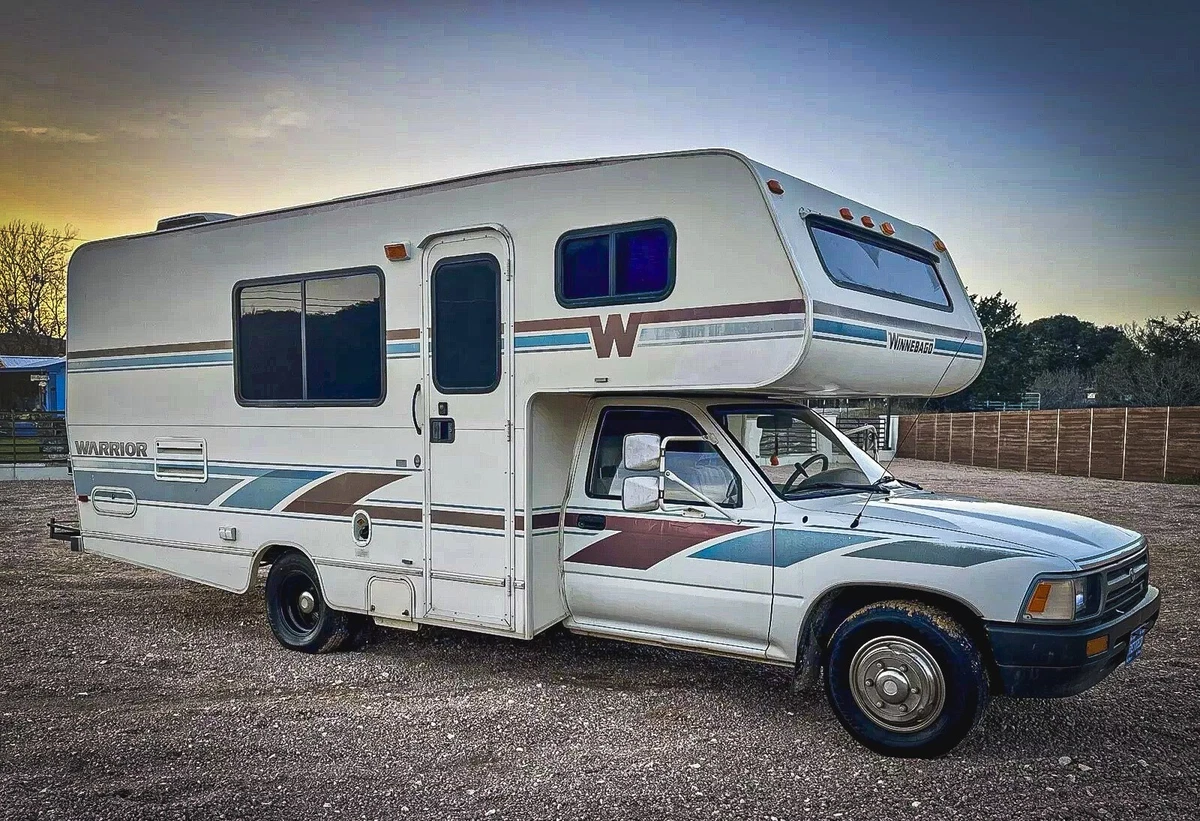
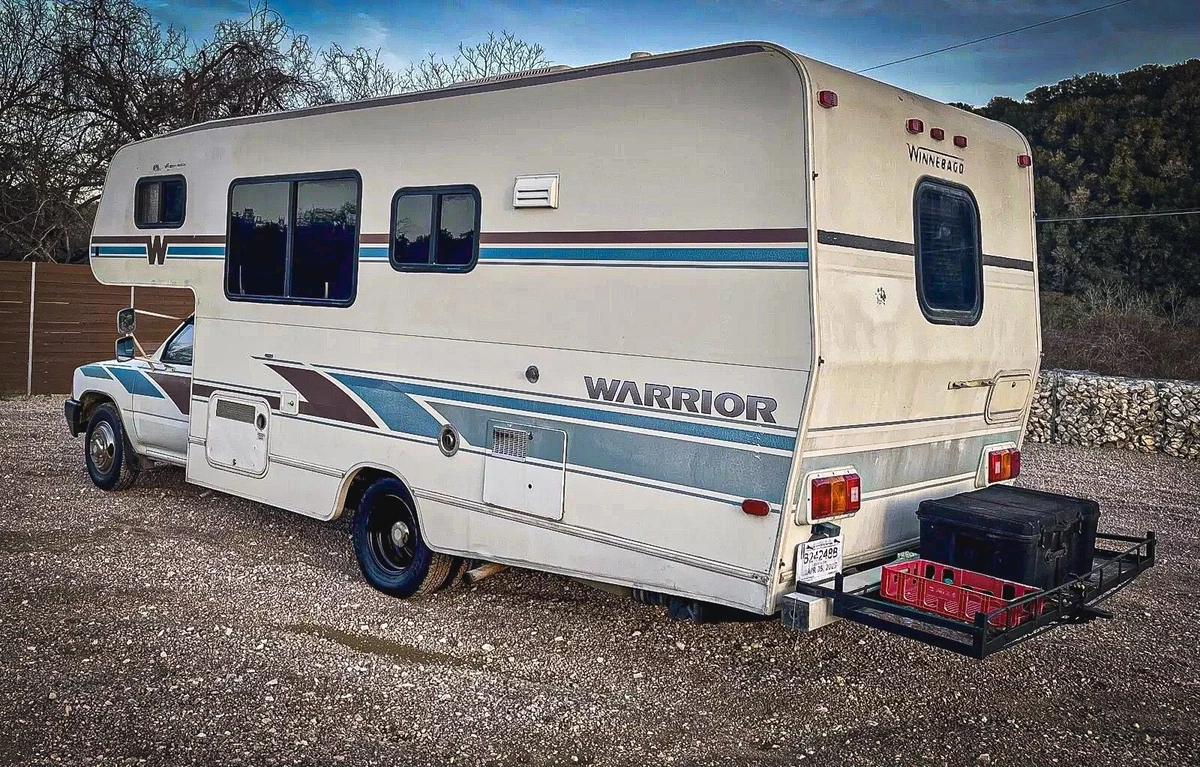
Toyota’s compact pickup is one of the most versatile vehicles of the modern age. Beyond its regular pickup truck uses, it provides the foundation for many aftermarket conversions, from U-Hauls to dump trucks. In the 1970s and ’80s, a number of American companies converted Toyota pickups - opens in new window or tab. into RVs, providing a fuel-efficient way to explore the great outdoors. One such example, a 1994 Toyota Winnebago Warrior RV recently sold on eBay in Austin, Texas, was one of the most popular takes on the format.




item 1 of 16
Winnebago’s Toyota
The history of Toyota and Winnebago dates back to the early ’80s when Winnebago created the Trekker - opens in new window or tab.. Winnebago added a fiberglass bed cover, interior carpeting, and trim to the Toyota’s bare bed. It was successful enough that Toyota came out with its own version a few years later. The original 4Runner - opens in new window or tab., which debuted in 1984, featured a removable fiberglass roof and rear seats.
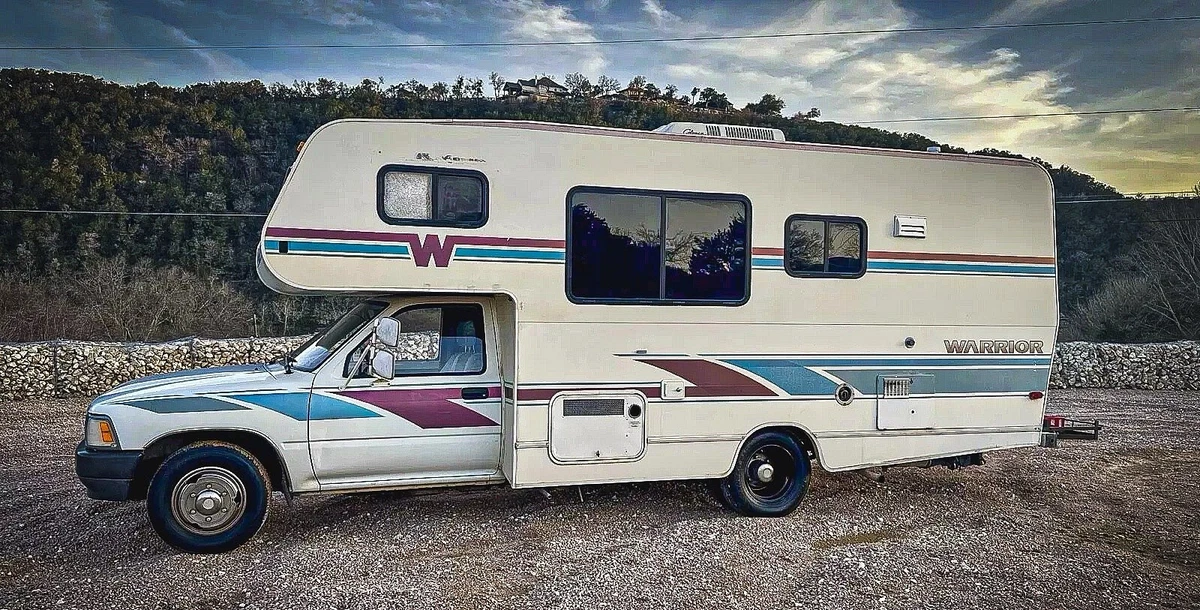
The relationship between Toyota and Winnebago continued. The Warrior was introduced in 1991 alongside a smaller Toyota-based RV called the Itasca Spirit - opens in new window or tab..
Toyota sent trucks to Winnebago for conversion as bare chassis and cabs to skirt the Chicken Tax - opens in new window or tab., a 25-percent tariff imposed on imported trucks since the 1960s. Final assembly took place on US soil.
This simplified the conversion for Winnebago, as there was no need to remove the bed from a completed truck.
Pass-Through
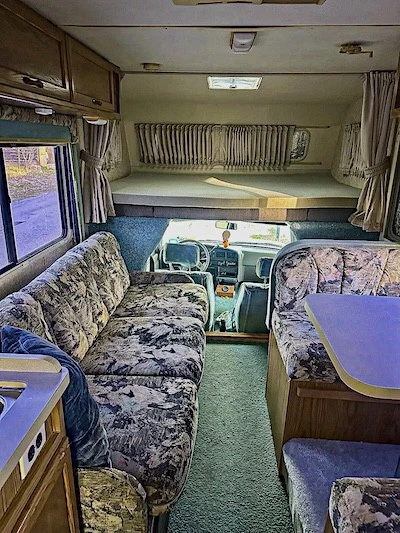
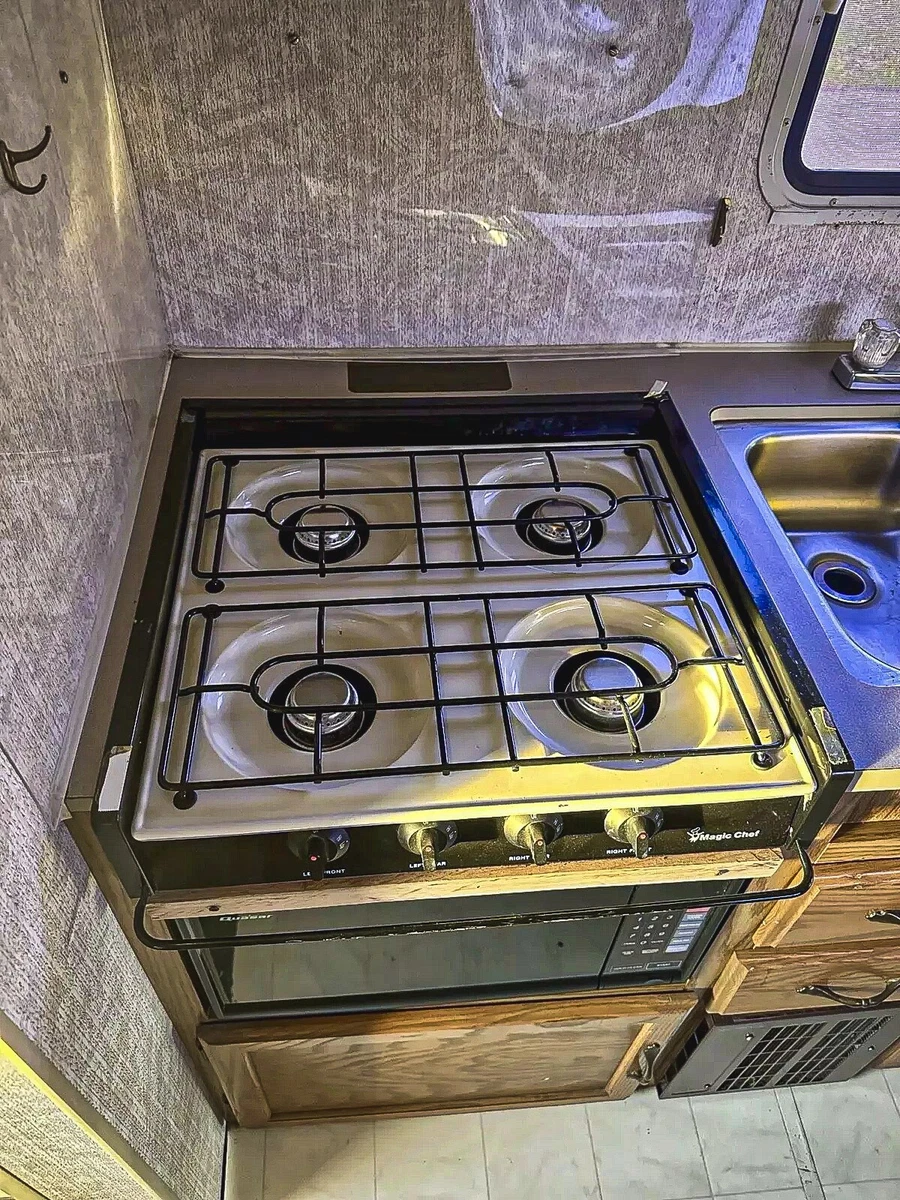
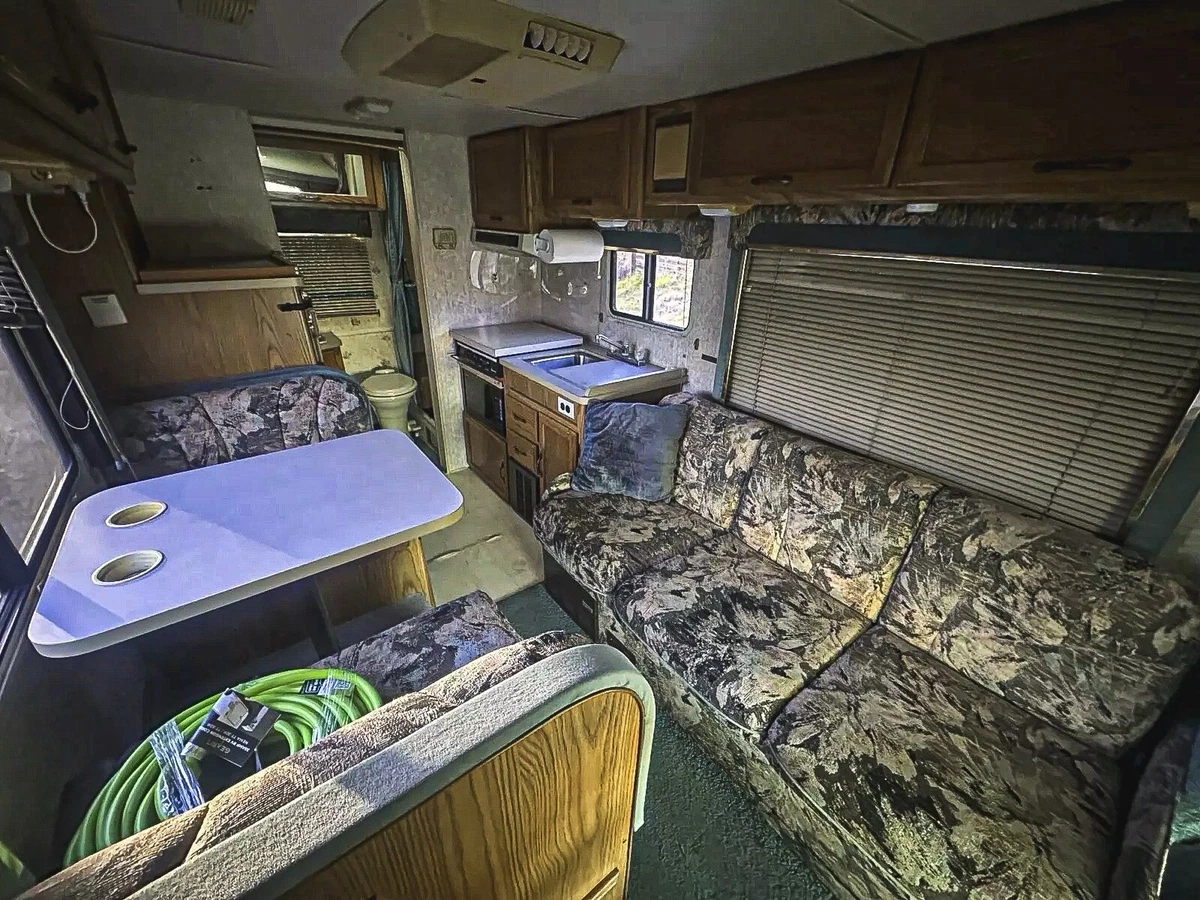
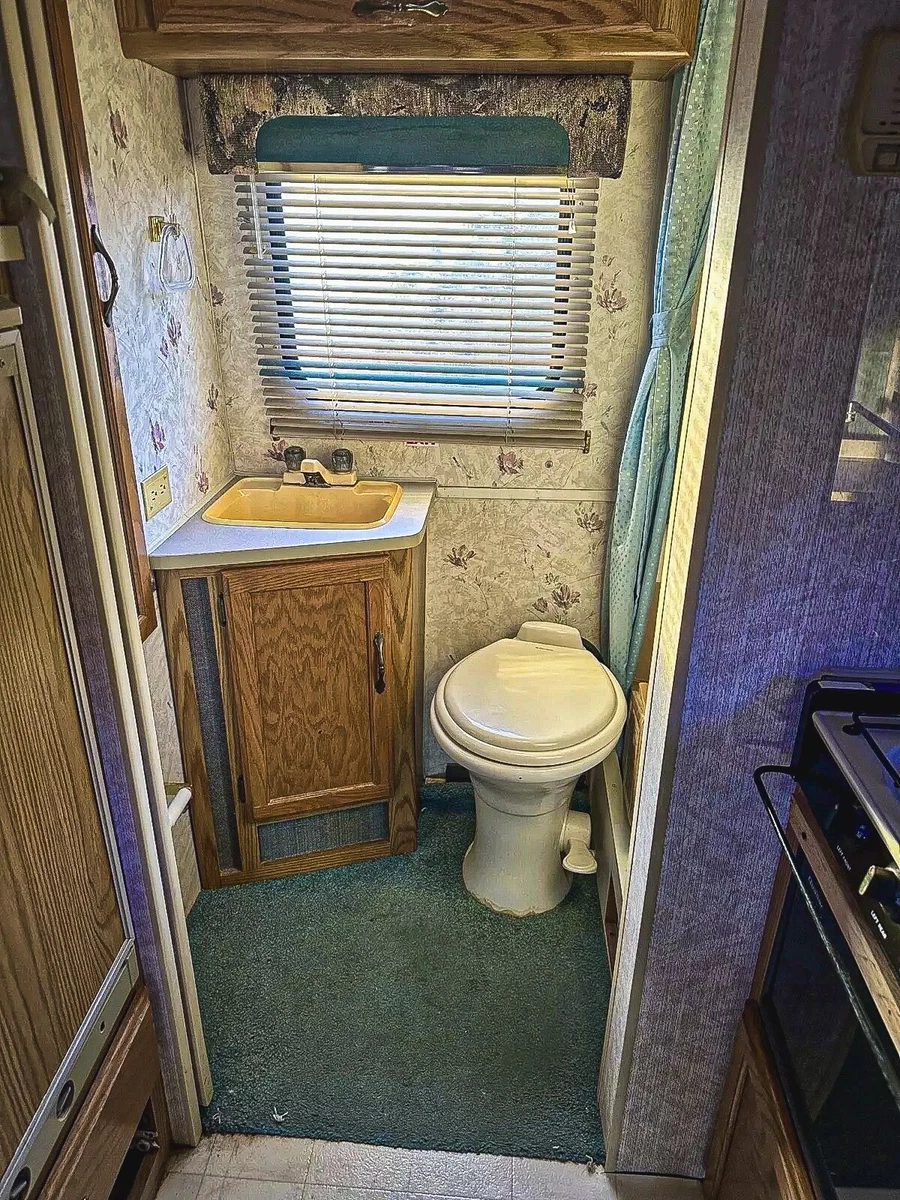
The conversion added a fiberglass structure in place of the bed and opened the cab’s rear wall. Occupants could pass through to the cab without exiting the vehicle. The living unit was outfitted with beds, a sofa, fridge, dining area, and lavatory.
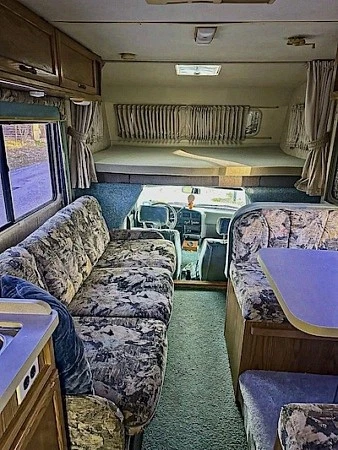
The Warrior’s 3.0-liter Toyota V-6 achieved superior fuel economy compared to RVs built on American trucks, which typically had big-block V-8s of seven liters or more. Mileage hovered around the mid-teens since the Toyota carried an entire home, but that was considered pretty good for an RV.
Price-wise, the Warrior started at $26,595, which was typically $10,000 cheaper than a Ford or Chevy-based RV. It’s no wonder that, according to Winnebago - opens in new window or tab., the Toyota-based models comprised 60 percent of the “micro-mini” segment of Class C RVs - opens in new window or tab. built on compact trucks.
Ready for More Adventures
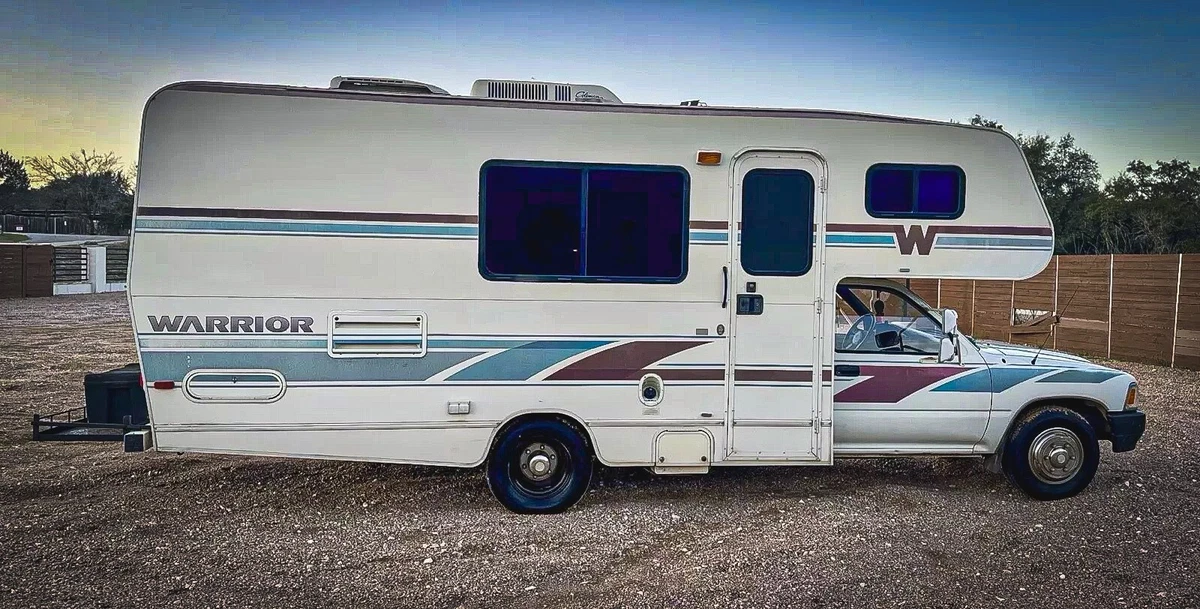
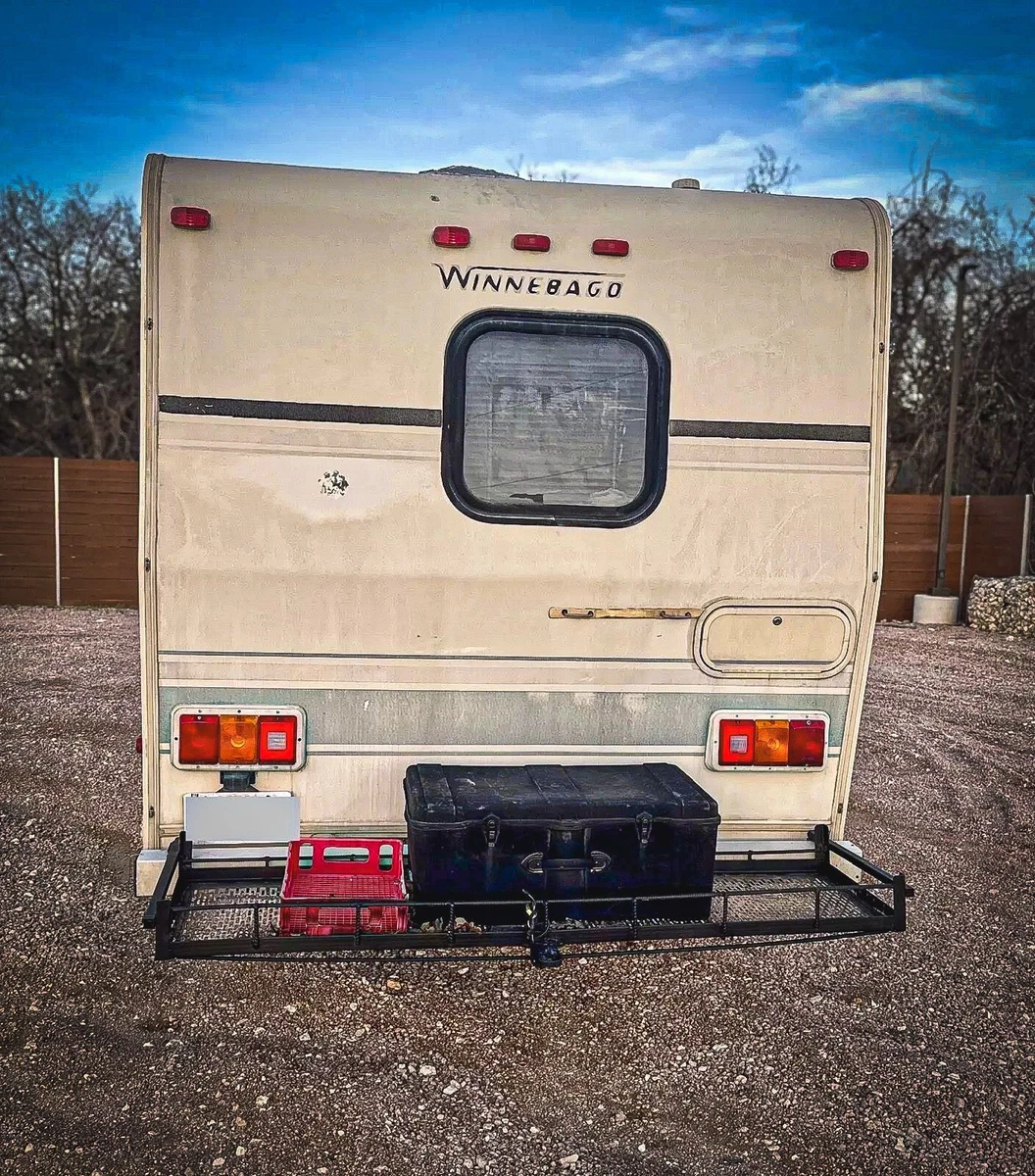
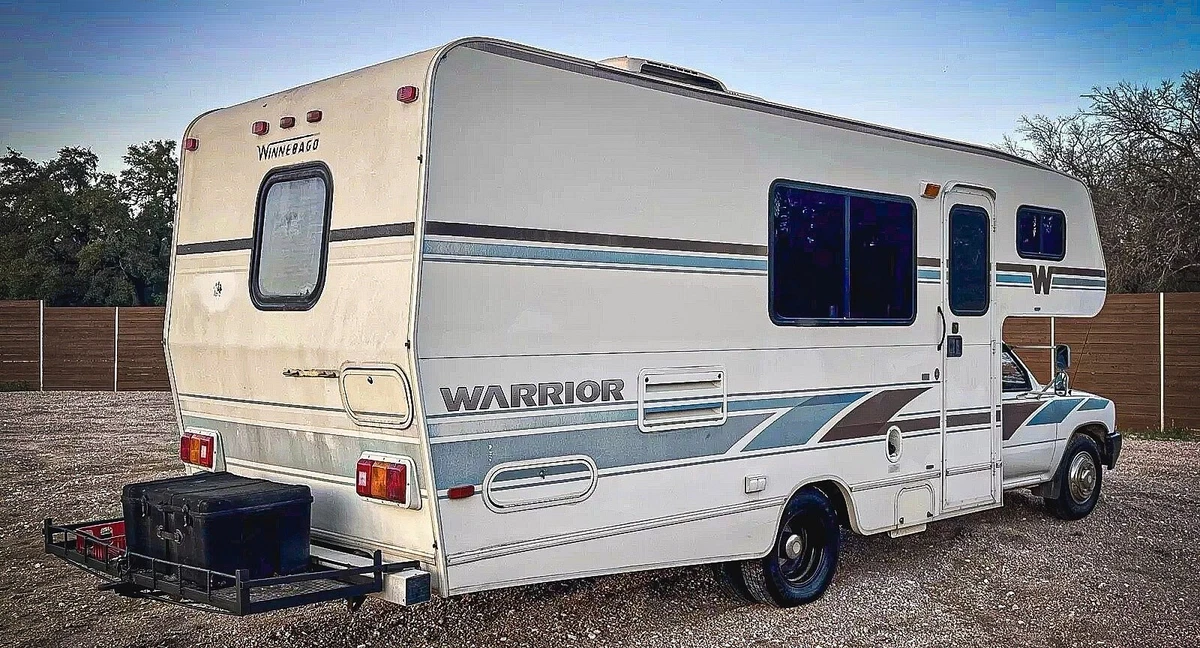
This RV sold on eBay had a Buy-It-Now price of $17,500 and showed 69,750 miles on the odometer. The seller said hoses, gaskets, and fuel system components, including the fuel tank - opens in new window or tab., were replaced. The Warriors had extended dually rear axles; per the listing, all six tires on this truck were new. The exterior showed some sun fade, but the listing stated that the fiberglass enclosure has no cracks or leaks.
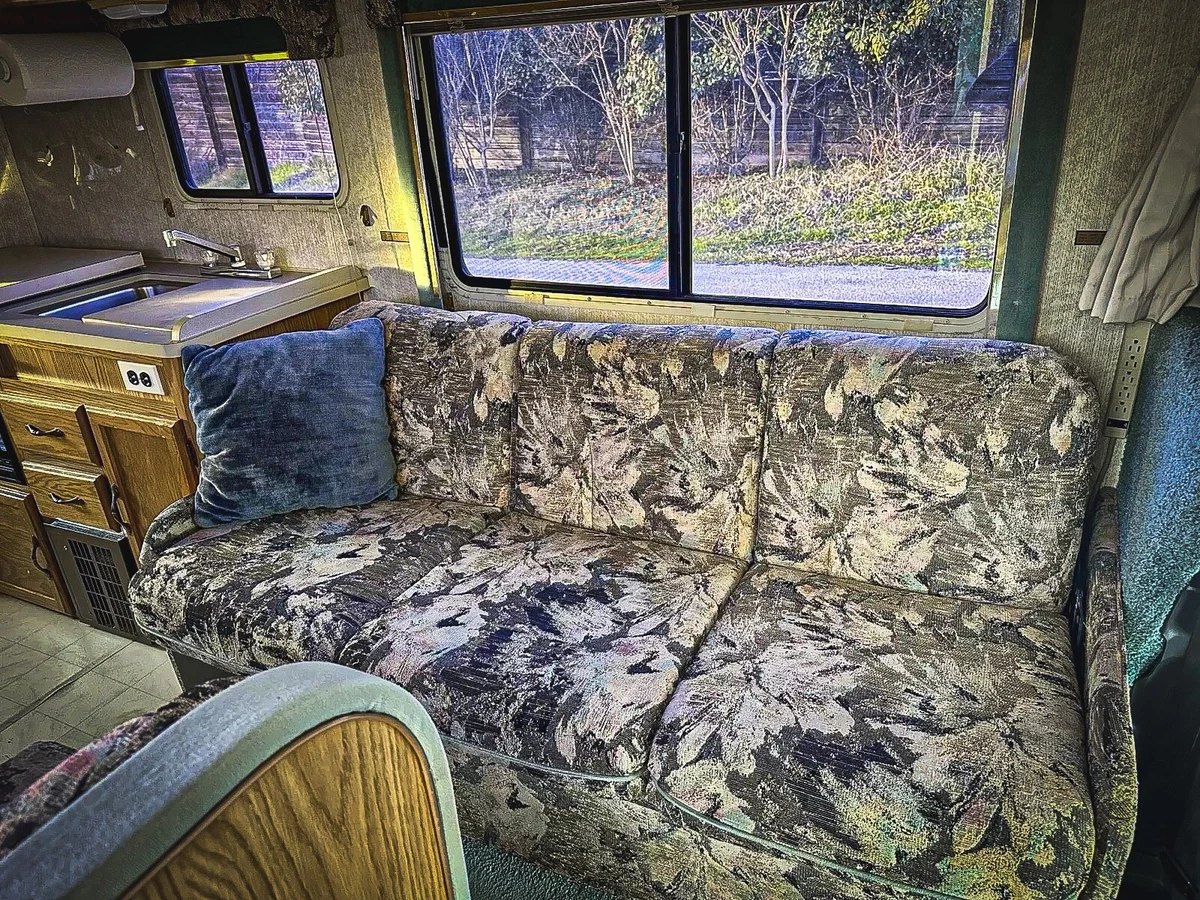
The wallpaper, wood cabinetry, and sofa pattern scream 1980s, but personalizing the living quarters is part of the fun of owning an RV. Repairs to this RV’s mechanicals should be relatively straightforward, given the ubiquity of the underlying Toyota truck and readily available parts. The time-tested reliability of the Toyota chassis means this Winnebago Warrior will likely serve its new owners well for many more adventures.
About the author

Share your feedback
This article is meant to provide general guidance only. Automotive maintenance, repair, upgrade, and installation may depend on vehicle-specifics such as make and model. Always consult your owner's manual, repair guide for specific information for your particular vehicle and consider a licensed auto-care professional's help as well, particularly for advance repairs.