
The roar of a loud engine is sweet music to an auto enthusiast. But regular, ongoing exposure to an engine’s audio blast can damage your ears. Racers and other drivers who spend a lot of time around loud performance cars are especially susceptible. Fortunately, hearing problems are preventable with today's hearing protection technology.
The easiest way to avoid hearing damage is to wear earplugs or earmuffs. This will safeguard your hearing for the long run.
Noise-Induced Hearing Loss
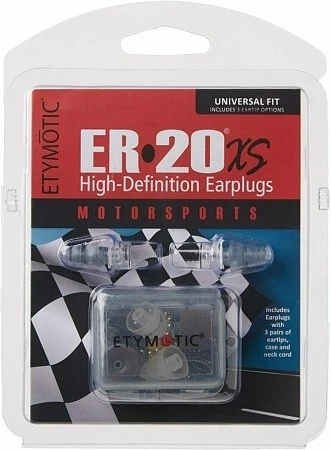
Etymotic earplugs for motorsports
Prolonged noise above 85 decibels (dB) can cause irreversible hearing loss. Moreover, the decibel reading is on a logarithmic scale—meaning that an increase of just three dB can double the sound energy. The risk increases very quickly as roaring engines get louder.
A normal conversation occurs at 50 to 70 dB. You might be so accustomed to noise that you don’t realize that you’re in a loud environment. Common sounds like motorcycles and lawn mowers are 80 to 110 dB. Fireworks blasts can be up to 140 to 160 dB. Etymotic - opens in new window or tab. hearing protection products are designed specifically for motorsports.
Three Types of Earplugs

One-time use foam earplugs
Formable foam plugs are made with soft, pliable foam. Once you properly insert the earplugs, they expand snugly in the ear canal. Foam earplugs - opens in new window or tab. are one-size-fits-all and designed for one-time use. This type of earplug deteriorates over time, so if they aren’t soft and squeezable, discard and get fresh ones.
Pre-molded, reusable earplugs are designed to lower sound pitch. They are often used at concerts. Pre-molded earplugs - opens in new window or tab. are typically made from plastic, rubber, or silicone and have flanges or ridges to help seal the ear canal. Some might come with a stem to help insert the device into the ear canal.

Custom moldable plugs
Custom-made earplugs are the bespoke option and come in two varieties. Some specialized ones like Decibullz, sold on eBay - opens in new window or tab., can be molded to fit at home. Others use a professional mold of your ear and customize the sound-level reduction. Custom options are the most expensive.
Pro tip: Corded earplugs - opens in new window or tab. come with a string or band connecting the two plugs, so you can remove the earplugs and hang them around your neck. Thread the string through a buttonhole in your shirt, and they will never slip out of reach.
Over-the-Ear Hearing Protection Options

Nascar #8 Dale Earnhardt Jr Proscan earmuff
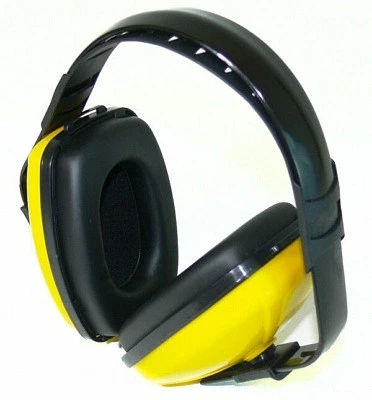
Earmuffs - opens in new window or tab. are padded plastic and foam cups that go over the ears. They should fit snugly against the head to seal out the noise. They are handy for children who might resist having ear plugs inserted into their ears.
Hearing Protection Ratings
There are a variety of ways to score the level of ear protection from a specific earplug or earmuff. The most common rating is the noise reduction rating - opens in new window or tab. (NRR). Because earplugs seal the ear canal better, they generally have higher ratings than earmuffs. Some earplugs reach 33 NRR, the highest possible rating. The math can be confusing, but earplugs rated at NRR 33 would reduce the sound decibels by about 15 points.
Whatever style of ear protection you choose, they won’t do any good if they stay on the shelf. Buy several, and keep them stashed wherever you encounter noise—in the garage, on a job, or at the race track.
About the author

Share your feedback
This article is meant to provide general guidance only. Automotive maintenance, repair, upgrade, and installation may depend on vehicle-specifics such as make and model. Always consult your owner's manual, repair guide for specific information for your particular vehicle and consider a licensed auto-care professional's help as well, particularly for advance repairs.