The advent of digital photography, including cell phones with advanced photo software, helps many amateur photographers take snapshots that look totally professional. This is especially true when it comes to amazing car photos for social media.
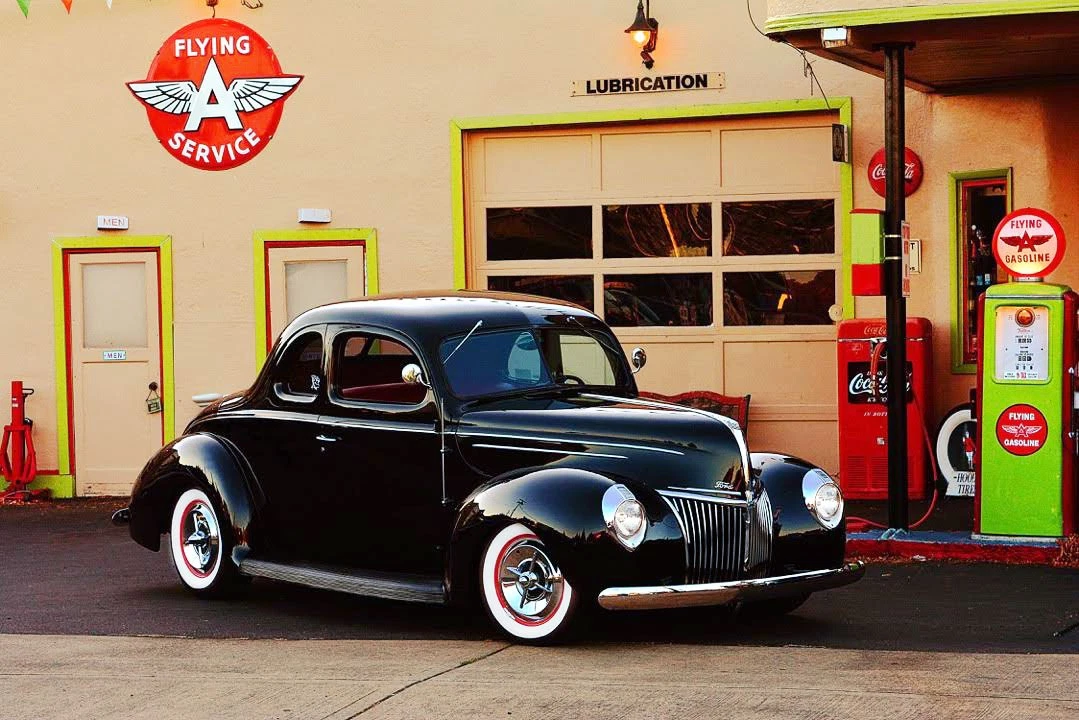
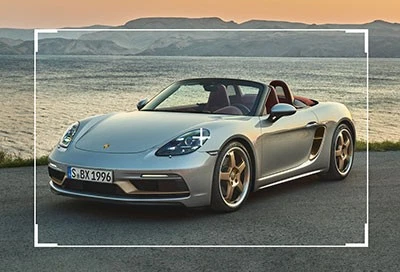
However, there’s a well-established art to taking a memorable photo—whether you’re using your smartphone, a simple point-and-shoot camera, or the most advanced high-tech photographic equipment. We spoke with a true professional to glean his secrets. Dale Moreau spent more than 20 years as the chief photographer for Freightliner Corp.
After you read his tips, go out there and have some fun. Be intuitive experimental. Then, upload the results on social media—and tag #eBayMotors or @eBayMotors.
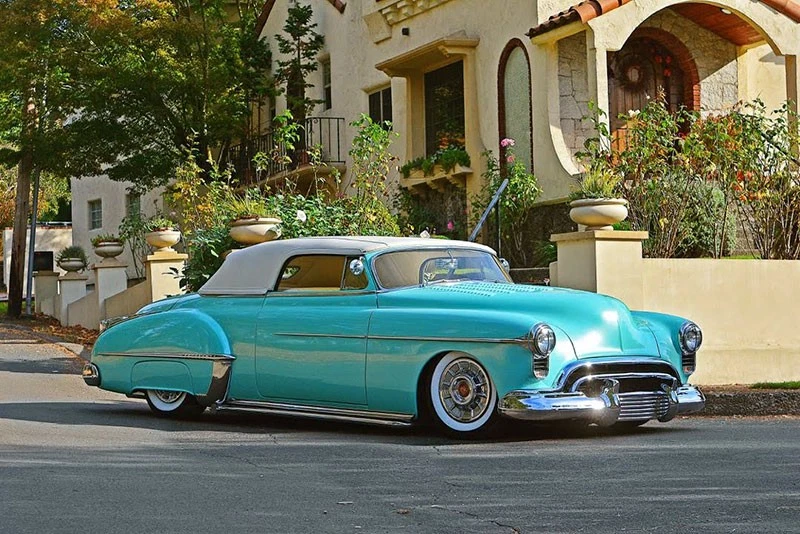
Moreau is a lifelong auto enthusiast who has been a writer and photo contributor for many publications, including Hot Rod,Rod & Custom, USA Today, and the Wall Street Journal. His knowledge and passion for cars have made him a popular and respected professional.
Moreau says:
Everyone is a photographer these days, and some of them are pretty good. But there are rules of lighting and composition that can’t be ignored. There are contrast and color contrast, high and low angles, and an eye for the lines of the vehicle you are trying to portray to its best advantage.
Basics Rules for Great Car Photos
Taking great photos begins with the basics. These factors come into play when planning to immortalize an automobile, motorcycle, or your grandfather’s pickup truck.
Choose the right time of day: Lighting conditions are very important. There is the sweet light of morning just before sunrise and the evening light just after sunset. Overcast light, also called cloudy bright, can be beautiful. However, the brightness of high noon often creates harsh and distracting shadows.
Follow the rule of thirds: This rule states that you shouldn’t plunk your subject smack dab in the middle of the image. Instead, put the subject of interest one-third to one side or the other and top to bottom.
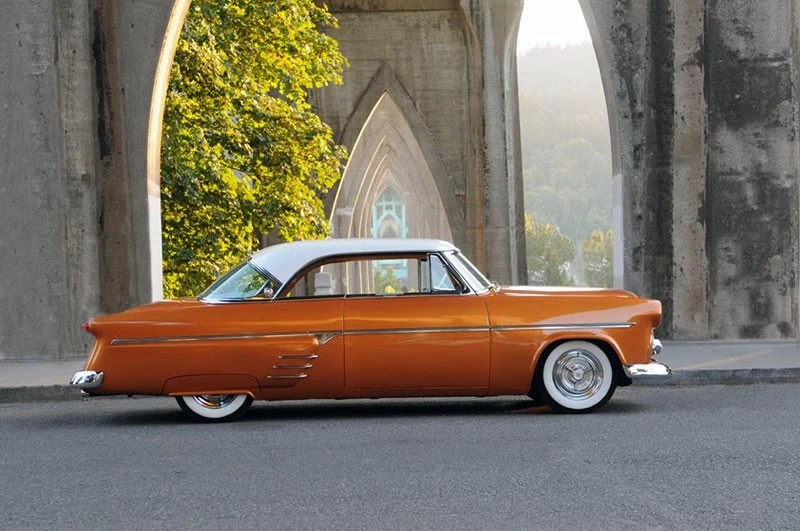
Location: The location is a huge factor. It has to be believable and set the right tone for the feeling for the subject. Moreau suggests that the locale, while important, should not overtake the image or be so busy that it becomes the main point of interest.
Choose simple surroundings. Your ride is the hero, don’t let what’s around it distract the viewer from focusing on the sheet metal.

Before taking the shot, take a moment to eyeball the surrounding area. Are there light poles, power lines, or other distracting objects in the background? Also, be aware of reflections on the subject itself. You might find your smiling face reflected in a close-up of a shiny hubcap or bumper.
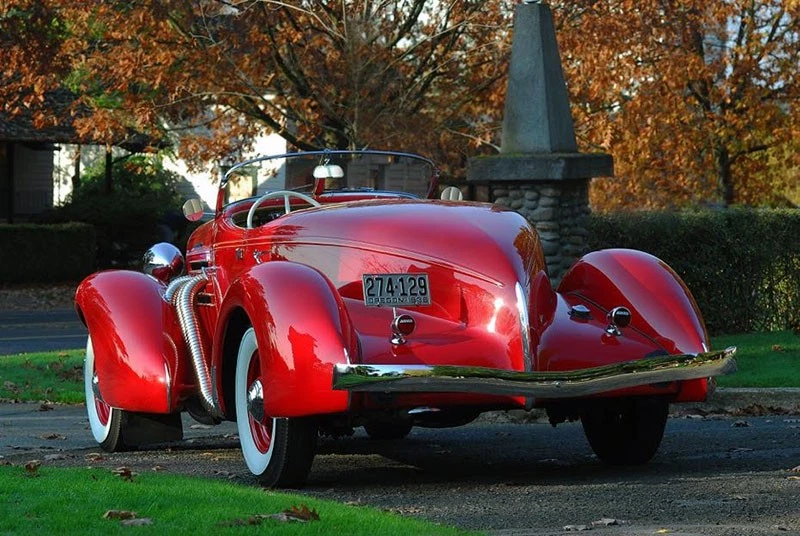
Lens selection, how much you zoom in, and where you stand are also important in bringing out the best lines and emphasizing the finer points of the subject.
Moreau suggests:
A longer lens [or zooming in] will produce the correct relationship of the design front to back. However, it can tend to push the subject away from the viewer. A shorter focal length lens [or standing closer] could distort the design but will make the vehicle come screaming off the page and take your breath away.
What other tips would you add to this list? Add them to the comments below.
About the author

Share your feedback
This article is meant to provide general guidance only. Automotive maintenance, repair, upgrade, and installation may depend on vehicle-specifics such as make and model. Always consult your owner's manual, repair guide for specific information for your particular vehicle and consider a licensed auto-care professional's help as well, particularly for advance repairs.