Every gasoline-powered vehicle relies on a spark to get things going. As part of the four-stroke combustion cycle, a spark plug - opens in new window or tab. creates a spark to ignite a fuel-air mixture.
The spark comes from several hundred volts of electricity jumping across electrodes, but the battery - opens in new window or tab. in the vehicle only produces around 12 to 14 volts. The extra juice comes from an ignition coil - opens in new window or tab..

An ignition coil is an electrical device that converts the low voltage from the battery to the high voltage needed to create the spark. It’s a critical link in the chain to start and run any gasoline-powered engine, and a failing coil can keep a car from starting, cause it to stall, or cause the engine to misfire. Sometimes, the misfire is so severe that the vehicle will shake while driving.
What Is an Ignition Coil?
An ignition coil works on the elementary electrical principle of magnetism. Various gauges of copper wire wind around an iron core. As current from the battery - opens in new window or tab. flows into the winding, it builds up in the heavier-gauge primary coil windings. When these windings become charged, a discharge causes an oscillation within the magnetic field of the smaller secondary windings.
This oscillation creates very high voltage, which travels to the spark plug. This charge and discharge cycle happens hundreds or thousands of times per minute, depending on the engine and how fast it’s running.
Many older cars have a single ignition coil that works in concert with a distributor - opens in new window or tab.. The distributor is connected to the engine and spins at the same speed as the engine. The distributor takes the incoming high voltage from the ignition coil and distributes it via spark plug wires - opens in new window or tab. to the spark plugs, sending a spark at the exact time each cylinder needs it to continue running.
This distributor system has many moving parts that can fail over time and needs a good bit of maintenance to run efficiently. Over the past 30 years or so, nearly all cars on the market have switched to a distributorless ignition system. But without the distributor, how does the voltage get high enough to create a spark?

An EMPI ignition kit for Type 1 VW engines with a distributor, ignition coil, and spark plug wires
Coil-on-Plug Ignition Systems
Most cars these days have individual coils on each spark plug. Instead of spark plug wires snaking through an engine compartment, a small electrical component is stacked atop each cylinder and connected directly to each spark plug. These components are ignition coils just like the larger coil used on older cars, but instead of connecting to a distributor, they communicate with the engine control unit - opens in new window or tab. to fire the spark plug as required.

Four coil-on-plug or pencil style ignition coils
These coil-on-plug distributorless systems have proven much better for modern engines - opens in new window or tab., with the ability to react quickly to the numerous sensors throughout the vehicle and to adapt to varying efficiency and performance requirements. They are quite robust, too, as they have fewer moving parts than a traditional distributor, which can wear down over time.
However, that’s not to say they can’t fail. Vibration, heat, and other environmental factors within an engine compartment can lead to the demise of any electrical component.
Symptoms of a Failing Ignition Coil
Once you turn the key or press the start button on your car, you don’t usually think about the engine as it hums away. But if you notice a hiccup in how smoothly your engine runs, it can be a sign of problems. A failing or dead ignition coil could cause any of these symptoms:
- Engine not starting or hard to start
- Engine misfiring or backfiring
- Poor fuel economy
- Engine shaking while driving
Many of these symptoms occur when a coil fails because little or no voltage is getting to a single spark plug. In this case, the rest of the cylinders will work normally, but the cylinder without a spark doesn’t burn the fuel and air mixture within. This causes a stumble in the combustion cycle. Since the engine is turning thousands of times a minute, this stumble can cause the engine to shake as you drive.
How to Test an Ignition Coil
It’s somewhat easier to diagnose a failed ignition coil on cars built after 1996, as an engine misfire will typically register a check engine light that can be diagnosed with an OBDII code reader - opens in new window or tab.. The code reader usually won’t give you an exact answer, but it may read something like “cylinder two misfire,” which will tell you to look at cylinder two for a problem.
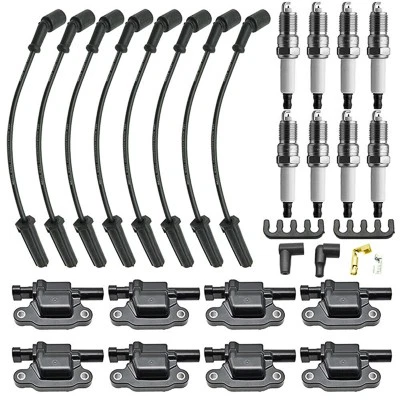
An ignition coil, spark plug wire, and spark plug kit for a Chevrolet V-8
For older cars, a misfire can sometimes be diagnosed with an infrared thermometer - opens in new window or tab.. Point the thermometer at each exhaust port as the car is running. A misfiring cylinder will usually be significantly cooler than the properly firing ones.
- If you are working with an older car using a single coil and a distributor, a misfire is usually not caused by a failing coil.
- A failing coil on these older engines usually means the car won’t start or will run poorly on all cylinders.
- A misfire on a distributor-equipped engine is usually the result of timing issues within the distributor or failures of the spark plug wires.
For modern coil-on-plug engines, an easy way to diagnose a failed ignition coil is to swap coils (and their associated clip-in electrical connections - opens in new window or tab.) with a known good coil from an adjacent cylinder. If the problem follows the coil to the new cylinder—which you can tell from your OBDII code reader—then you’ve traced the problem to the coil. If the previous cylinder remains dead with a good coil, then there is likely a problem with the spark plug.
The cost to replace an ignition coil can vary greatly depending on the type of car and coil. For traditional single-coil ignition systems, a coil usually costs between $75 and $200. The replacement job often takes an hour or two, so figure around $150 to $300 in labor charges. A coil-on-plug ignition coil may cost more, up to $500. However, the labor could be less expensive because these coils are easier to access.
About the author

Share your feedback
This article is meant to provide general guidance only. Automotive maintenance, repair, upgrade, and installation may depend on vehicle-specifics such as make and model. Always consult your owner's manual, repair guide for specific information for your particular vehicle and consider a licensed auto-care professional's help as well, particularly for advance repairs.
Recommended for you
Find answers and inspiration
How to Buy the Right Car Alternator
6 min read
Car Speakers: Types, Problems, and Buying Guide

Expert Advice for Checking Your Vehicle’s Engine Oil Level

6 Ways to Dress Up Your Engine

Symptoms of a Bad Crankshaft Sensor

Diagnosing and Replacing a Bad Car Starter

How to Replace Engine Mounts
4 min read
The Right Tools to Clean Your Fuel Injectors
6 min read
Classic Car Fans Also Love Vintage Car Audio

How to Replace an Exhaust Gasket
9 min read
How to Buy the Best MAF Sensor
4 min read
Ignition Wire Buying Guide
6 min read
A Complete Guide to Cylinder Heads

Purpose of the Engine Mount and Signs of Failure

A Quintessential Monster Miata with a Mustang V-8

How to Buy the Right Ignition Coils
7 min read
Chevrolet LS9: The Ultimate LS-Series Engine
Car Memory Saver: The Tool You Need When Changing Your Car’s Battery

How to Change an In-Tank Fuel Pump
9 min read
Squeaks, Clangs and Rattles: Car Noises That Need Attention
Battery Isolators Help Manage a Vehicle With Multiple Batteries

Why Regular Care of Your Fuel Pump Is a Must

All About Crankshafts and How They Work

Interpreting Engine Codes Is Easy With Right OBD Reader
Motorcycle Horns 101

How to Clean a Carburetor

A Quick Guide to Valve Cover Gaskets
6 min read
How to Replace a Fuel Filter
7 min read
Finding the Best Engine Air Filter for Your Car
4 min read
How to Replace a Throttle Body
6 min read
Do You Have a Faulty Mass Air Flow Sensor?
4 min read
What to Do About a Dirty Oxygen Sensor

Buying the Best Portable Car Battery Jump Starter
6 min read
What You Should Know About O2 Sensors
6 min read
Understanding Your Car's Idler Pulley
4 min read
Portable Generators Power Up Your Overlanding Campsite

5 Quick Steps to Prevent Cold-Weather Breakdowns

How to Test an Alternator (And Fix It!)

How to Jump Start a Car
9 min read
How To Fix a Crankshaft Position Sensor Wiring Harness
7 min read
Why Is Your Car Burning Oil?

When to Replace Your Exhaust Manifold Gasket
6 min read
An Overview of Car Engine Parts
5 min read
What Is a Camshaft Position Sensor?

How to Replace a Distributor Cap and Rotor
5 min read
4 Easy DIY Upgrades of Your Car's Ignition System

Identifying Common Engine Leaks

Everything You Should Know About Glow Plugs

P0420 Engine Code: What It Means and How to Fix It
5 min read
Everything You Need to Know About Fuel Filters
6 min read
Engine Mounts 101
4 min read
5 Small Car Maintenance Tasks To Prevent Big Problems Later

How to Replace a Serpentine Belt Tensioner
4 min read
Can a Cold Air Intake Add 30 Horsepower?

Spotting Intake Manifold Gasket Problems
7 min read
Symptoms and Fixes for a Bad Thermostat

A Battery Maintainer Saves Your Car’s Battery During Storage

How to Replace an Ignition Coil
6 min read
Custom Exhaust Tips: Make a Statement with Your Tailpipes

What to Expect From an Emissions Test

How to Fix Low Oil Pressure

All About Cylinder Head Gaskets

All About Mass Air Flow Sensors

How to Find and Fix an Exhaust Leak

How Much Does an Alternator Cost?

Why Is a Hemi Engine So Special?

Get Your Classic Car Ready for Winter

The Difference Between Camshafts and Crankshafts
4 min read
Engine Air Filter Change 101

Engine Blocks: Everything You Need to Know
Signs That Your Alternator Is Failing
4 min read
Troubleshooting a Car That Doesn’t Start

What Does the Check Engine Light Mean?

Deciding to Buy Original or Aftermarket Auto Parts: Quality and Selection

How Long Do Car Batteries Last?

How an Oil Pump Works

The Anatomy of a Spark Plug

How To Gap a Spark Plug

How to Replace an Intake Manifold Gasket
7 min read
Cabin Air Filter vs. Engine Air Filter: What’s the Difference?

Why Your Car Won’t Start

What You Should Know About Cylinder Heads

How to Replace Ignition (Spark Plug) Wires
5 min read
4 Types of Water Pumps

Signs of a Bad Car Battery vs. Alternator

What Is a PCV Valve? And How to Replace One
An Intro to Jump-Starting Your Car Battery

Engine Oil Flush 101

Online Videos Are a Game-Changer for DIY Car Repair

When to Replace Your Drive Belt
6 min read
How to Buy the Right O2 Sensor
5 min read
What Is a Catalytic Converter and Why Are People Stealing Them?

Synthetic Oil or Conventional Oil: What’s Best for Your Vehicle?

All About Engine Leak Down Testing
A Guide to Cleaning a Throttle Body

How to Remove Rusted Nuts and Bolts

Timing Belts 101
5 min read
Cleaning Your Engine Bay: Step-by-Step Instructions

How to Do an Engine Compression Test
5 min read
How to Buy the Right Car Distributor
6 min read
Why You Need a Car Battery Trickle Charger

How to Properly Fit Your New Dash Cam
4 min read
Choosing the Best Intake Manifold Gasket
7 min read
Adding Aftermarket Cruise Control Is Easier Than You Think

What Does the Dashboard Oil Light Warning Mean?
A Guide to Your Car’s Fuse Box

The Brave New World of Ultra-Easy Fuel Injection

Your Complete Idler Pulley Buying Guide
5 min read
How to Choose the Best Oil Filter

How to Replace an Alternator Belt

Deciding to Buy Original or Aftermarket Auto Parts: The Online Transaction

How to Jump Start a Car Battery

Buying the Right Engine Mount
5 min read
Winter Car Prep: 5 Essential Articles

All About Exhaust Gas Recirculation (EGR) Valves

Five Signs Your Spark Plugs Need Changing

How to Replace an Oxygen Sensor
5 min read
Make an Old Car Run Like New: Four Common Sense Tips

If Your Car Has a Blown Fuse (And How Replace It)

All About Your Distributor Cap and Rotor
7 min read
How to Replace a Valve Cover Gasket
7 min read
Car Starter Motors and How Long They Last

Easy DIY Project: Replace an Oxygen Sensor

How to Replace a Car Starter
7 min read
What to Check and What to Replace at 100,000 Miles
4 min read
How to Clean Fuel Injectors
8 min read
MAP Sensors and Managing Air Flow

How Long Does an Oil Change Take?

The Weirdest Oddball Car Engines of All Time

How to Choose the Best Spark Plugs
5 min read
All About Vehicle Emission Systems

Tax Refund on the Way? It’s Time to Think About Supercharging
How to Replace an Engine Air Filter
5 min read
Brake Cleaners Versus Carburetor Cleaners

Signs That a Timing Chain Needs Replacement
5 min read
How to Replace an EGR Valve
5 min read
An Expert Guide to Exhaust Systems

How to Buy the Right Valve Cover Gasket
4 min read
Follow Your Car’s Movements with a GPS Tracking Device

Car Muffler Types and How They Change Your Exhaust Note

A Beginner's Guide to Using 12V Relays

How Long Do Electric Car Batteries Last? And Other EV Questions

Explaining the Throttle Body and Throttle Position Sensor

Ethanol Fuel Boosts Performance and Costs Less

Spark Plugs 101
7 min read
The Alternator Is Your Car’s Little Electric Power Station

One Day Project: Rebuild Your Carburetor

Should You Rebuild or Replace Your Carburetor?

Taking Your Car to the Track: The Ultimate Guide

Try a Catalytic Converter Cleaner Before an Expensive Repair

The Right Liquids for High-Performance Engines

In Age of Computerized Cars, Tuning Gets an Update

How to Buy the Right Timing Belt and Related Tools
5 min read
NASCAR Engines Versus What Powers Your Car

How To Choose the Best Supercharger

Understanding Battery Sizes (and Battery Group Size Charts)

Adding an Aftermarket Backup Alarm

How to Buy the Right Exhaust Manifold Gasket
6 min read
How to Change a Car Battery
6 min read
History of the Rotary Engine: Past, Present and Future

How to Change a Timing Belt
12 min read
How To Buy New Old Stock (NOS) Parts on eBay

How to Buy the Right Throttle Body
5 min read
How to Replace an Alternator
11 min read
Clean Fuel Filters Are Critical for Performance
What Should Your Battery Voltage Be?

Add a Third Brake Light to Increase Safety

How to Change Your Oil: Visual Step by Step Guide

How a Car Engine Works

The Stress-Free Guide to Key Fob Care and Repair

Why an Engine Overheats and How to Fix It
When to Replace Your Car’s Battery
5 min read
Everything You Need to Know About Car Starters
7 min read
Reduced Engine Power and What To Do About It
5 min read
Regularly Check These 4 Car Fluids
What Causes a Car Battery To Drain? And How to Fix It

How to Buy the Right Car Starter
5 min read
Understanding Engine Horsepower vs. Brake Horsepower

Distributors 101
6 min read
How to Change Oil in a Car
8 min read
Car Radio Not Working? Try This!

Cold Air Intake 101: How It Works

How to Clean Or Replace Your Air Filter

Top Candidates for an Affordable V8 Swap

Are Ticking Engine Noises a Warning? Or Just Annoying?

Car Fuses and Fuse Boxes: Types, Amps, Wiring and Circuits

Types of Twin Turbos (And Why You Want One)

Carburetor 101: Maintenance and Cleaning

How Solenoids Work in Starters and Automatic Transmissions

An Introduction to Cleaning Fuel Injectors
5 min read
Your Crossover Can Become an Overlanding Rig

How to Get Started with an LS Engine Swap

Choosing a Supercharger Versus Turbocharger

P0302 Engine Code: What It Means and How to Fix It
How to Clean Car Battery Terminals

The Dry Sump System Explained

How to Replace a Mass Air Flow (MAF) Sensor
7 min read
Facts About Diesel Exhaust Fluid

What Octane Is Best for Your Car?
4 min read
Protect Your Catalytic Converter with a Shield or Lock

Buying the Right Serpentine Belt and Tensioner
4 min read
A Performance Data Recorder (PDR) Adds Racing Analytics to Your Car

Deciding to Buy Original or Aftermarket Auto Parts: The Basics

What to Know About Your Vehicle's Throttle Body
6 min read
Diagnosing Your Serpentine Belt and Tensioner
6 min read
A Guide to Car Clutches
How Automotive Voltage Regulators Work

Choosing the Best Drive Belt for Your Car
6 min read
How to Replace a Fuel Pump

Basic Car Maintenance Is Simpler Than You Think

The Importance of the Drive Belt Tensioner

Why You Should Add an Engine Oil Cooler

How to Replace a PCV Valve
6 min read
Buying the Right PCV Valve
4 min read
Hisses, Whines, and Rattles: What Your Car Is Trying to Tell You
Use Your Truck or Car as a Remote Power Source

Carburetors vs. Fuel Injection: For Show or Go?

Buying the Right Distributor Cap and Rotor
4 min read
All About Exhaust Gaskets

Taking Vintage Cars Out of Storage: Planning for Spring

How to Replace Spark Plugs
7 min read
What Is a Serpentine Belt and How Do You Change It?

How to Replace a Drive Belt
5 min read
Tips and Tricks to Manage Engine Heat

An Essential Guide to Timing Belts

How to Test Your PCV Valve
6 min read
What to Consider When Buying a Car Battery
6 min read
Everything You Should Know About EGR Valves
5 min read
A Deep-Dive Guide to Ignition Wires
7 min read
When to Replace Your Engine Air Filter
5 min read
How to Pick the Right “Parts Car”

Choosing the Right Fuel Filter for Your Vehicle
6 min read
How to Choose the Best Fuel Pump
6 min read
OBD Port Uses for Amazing Digital Car Hacks

How to Use an Engine Timing Light

How to Dispose of a Dead Car Battery

Engine Coolant Temperature Sensor Guide

ECU 101: What Is an Engine Control Unit?

Causes and Cures for Oil Pan Leaks
Choosing the Best Motor Oil

How to Tune Your Exhaust Note

How Do Ignition Coils Work?
5 min read
Fuel Pumps and How They Work
8 min read
How Ignition Interlock Devices Work

What a Fuel Pressure Gauge Does and Why You Need One

4 Bolt-On Engine Power Upgrades That Add Crazy Combustion

Changing Your Oil: 5 Things to Know
6 min read
How Does Engine Braking Work?

How to Buy the Right EGR Valve and Gasket
6 min read
Big Block vs. Small Block: Which Engine Is Best?

How to Choose the Best Motor Oil
8 min read
A Double Whammy: Combining a Supercharger and Turbocharger