Chevrolet’s Groundbreaking CERV 1 Concept Racer Headed to Auction
Performance
Sports Cars
Featured
Events
Culture
Concept cars

Zora Arkus-Duntov, with the CERV 1. (Photo courtesy of GM Heritage Center.)
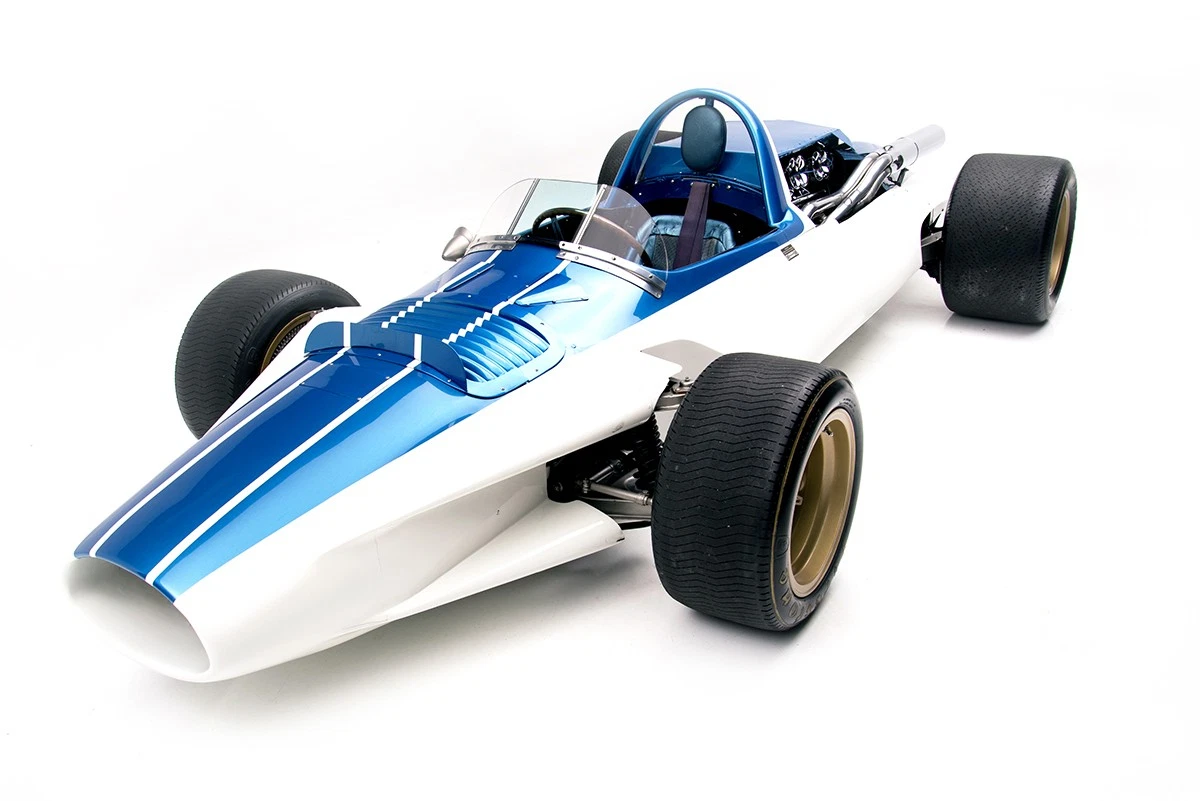
CERV 1, the extraordinary open-wheel concept car produced in the late 1950s, is coming to Barrett-Jackson’s 2017 Scottsdale, Ariz. auction in January. The CERV1 was created under the leadership of Zora Arkus-Duntov, the legendary chief engineer for Corvette.
The single-seat concept, dubbed “Chevrolet Engineering Research Vehicle 1,” never entered competition. But its technological innovations have influenced generations of race cars ever since. “GM's CERV 1 is one of the most significant experimental vehicles in American automotive history,” Craig Jackson, chairman and CEO of Barrett-Jackson, told eBay Motors. “Arkus-Duntov masterfully bridged his aptitude for engineering and design with his racing acumen to create an experimental vehicle that blazed new roads for the automaker.”

Ahead of its Time: Let Us Count the Ways
CERV 1 set the stage for future generations of Corvettes with these innovations:
Aluminum engine construction: Constructed of a high-silicone alloy that eliminated the need for cylinder liners, the CERV 1 V-8 engine was 90 pounds lighter than its cast-iron counterpart. The 350 cubic inch fuel-injected engine delivered 353 horsepower, an enormous achievement for the time.
Mid-engine placement: Arkus-Duntov positioned the engine in the middle of the chassis, countering conventional wisdom at the time favoring front-engine race cars. As engineers soon discovered, the mid-engine placement gave race cars a better front-to-rear weight balance. Corvette enthusiasts have their ears to the ground regarding rumors of a mid-engine Corvette for the 2018 model year. (See how Porsche’s 2017 911 RSR shifted - opens in new window or tab. to a mid-engine design.)

Independent rear suspension: CERV 1 used the rear suspension’s axle shaft as an upper link. Its independent rear suspension established the four-wheel independent suspension used on the 1963 Corvette Sting Ray - opens in new window or tab..
Lightweight aerodynamic body: The fiberglass body designed by Larry Shinoda and Tony Lapine weighed 80 pounds. According to Arkus-Duntov, its aerodynamic design allowed the body to squat for greater stability at higher speeds. Dry curb weight for the CERV 1 was just 1,450 pounds.

Close-ratio manual transmission: The four-speed close ratio transmission in CERV 1 inspired the unit later used in the 1963 Corvette.
Racing fuel cell: The CERV 1’s racing innovations included a fuel cell - opens in new window or tab. with a rubber bladder, baffles, and a foam protecting the driver against a fuel-fed fire. The United States Auto Club sanctioning body made such fuel cells mandatory after a fiery crash killed two drivers at the 1964 Indy 500.
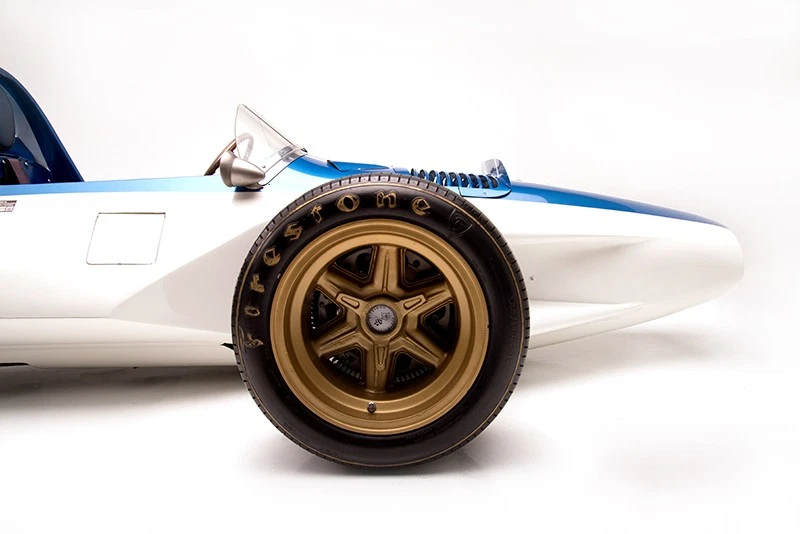
High performance tires: Originally engineers fitted CERV 1 with a passenger tire made with soft rubber compound for hill climbing tests at Pike’s Peak. Following this, Firestone used CERV 1 to test a new generation of wider, low-profile racing tires - opens in new window or tab. at the nearby Continental Divide race track. Firestone used CERV 1 to do road racing tests at Continental Divide Raceway in Castle Rock, Co., making important strides in the development of open-wheel racing tires.
Chevy Competes with Porsche and Ferrari
“The CERV 1 represented a magical time for General Motors,” said automotive journalist Jerry Burton, who wrote the definitive biography: Zora Arkus-Duntov: The Legend Behind Corvette - opens in new window or tab.. “Europe was still rebuilding from World War II,” he said. “Chevrolet chief engineer Ed Cole assembled a think tank with tremendous talent including Zora Arkus-Duntov, Frank Winchell and race car driver Mauri Rose.” With CERV 1, Arkus-Duntov demonstrated that General Motors was able to compete with Porsche and Ferrari in the production of high-performance race cars.

“CERV 1 was a test bed for many advances of the era, particularly in regards to the development of the Chevrolet Corvette,” said Jackson. “It's rare that experimental cars survive beyond their intended purpose like CERV I. Arkus-Duntov broke all the rules with the CERV I, and we're honored to be a part of its history when it crosses our block in Scottsdale this January.”
The historic concept vehicle was previously offered for auction by RM Sotheby’s in 2015, but resulted in a no-sale. How high could it go at Barrett-Jackson in January? The CERV 1 has been estimated to be worth as much as $2 million.
About the author

Share your feedback
This article is meant to provide general guidance only. Automotive maintenance, repair, upgrade, and installation may depend on vehicle-specifics such as make and model. Always consult your owner's manual, repair guide for specific information for your particular vehicle and consider a licensed auto-care professional's help as well, particularly for advance repairs.