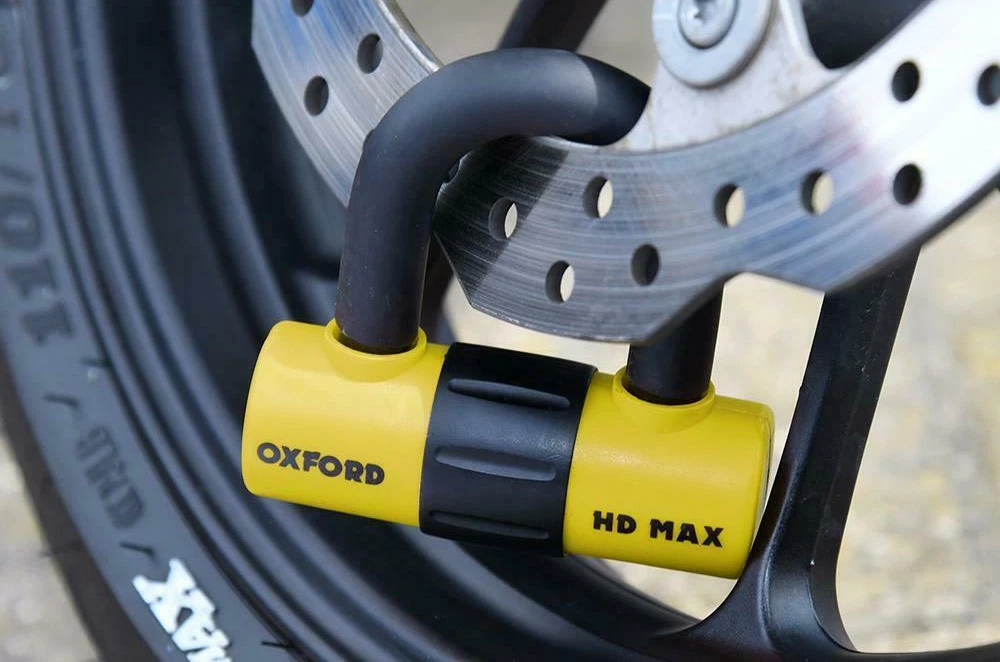
Most of the time, locking your motorcycle during daily rides isn’t unnecessary. But when you need to be away from your bike for more than a few hours, a motorcycle lock helps you rest easy. After all, around 50,000 motorcycles are stolen in the US every year - opens in new window or tab..
A lock can help you avoid your bike becoming one of those statistics. Consider these options for preventing your bike from getting swiped.
Motorcycle Chain Locks
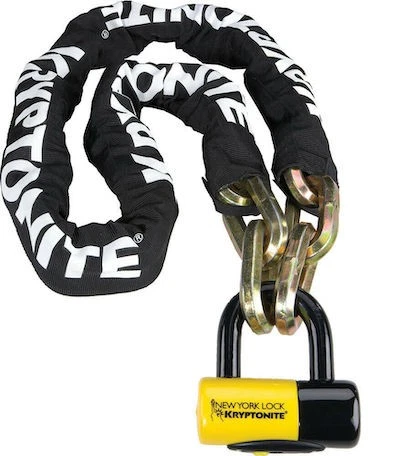
First, you can use a heavy chain lock, such as the Kryptonite New York Faghettaboudit Chain Lock. It’s 15 pounds of serious impediment to thieves, thanks to these features:
- 15-millimeter steel shackle
- Five-foot-long, six-sided hardened link chain
- A double deadbolt locking system
Heavy chain locks - opens in new window or tab. like the Kryptonite Faghettaboudit and OnGuard Beast - opens in new window or tab. are effective, but can they be cumbersome. Chains are usually used for longer-term storage or when storing the bike at home. They should be wrapped around the bike’s frame, through the wheels, and attached to a fixed part of the street. But there are more elegant theft-prevention designs.
Motorcycle Disc Locks
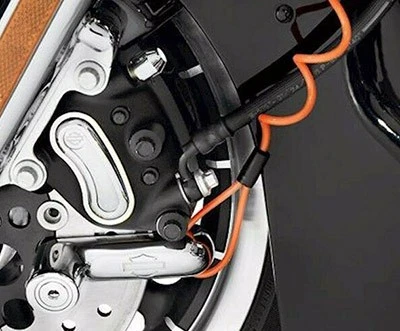
A disc lock is usually attached through the motorcycle’s brake rotor or wheel. These motorcycle locks are commonly brightly-colored and come with a plastic coiled-up “reminder”’ string that attaches to your handlebars. The string reminds you to remove the lock before starting the bike.
We suggest attaching the disc lock to the bike’s rear wheel, which takes thieves longer to remove than when using it on the front wheel.
Some disc locks - opens in new window or tab. also come with an audible alarm system that gives a few warning beeps if the bike is disturbed. If the bike is moved again, the device emits an ear-piercing 100-decibel alarm to encourage the thief to give up and move on.
Motorcycle Grip Locks
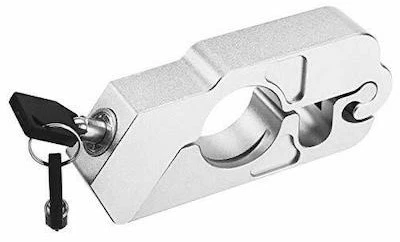
Grip locks fasten the throttle or front brake in place. That prevents a crook from starting the bike or allowing it to roll. Grip locks are an excellent way to secure your bike without resorting to heavy chains or U-locks. However, some are made of plastic, which is relatively easy to cut through. Therefore, we recommend grip locks made of steel or heavy aluminum for maximum protection.
Motorcycle U-Locks
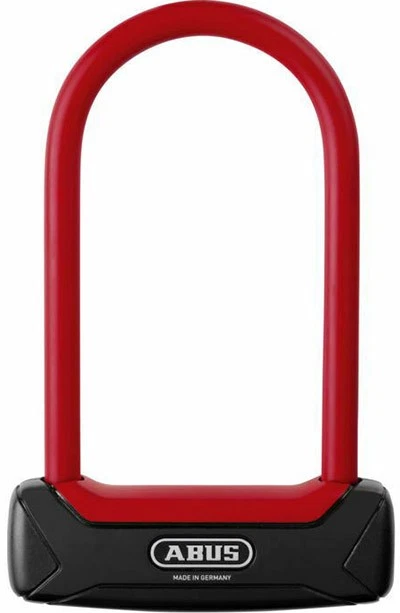
U-locks (sometimes called D-locks) go through the wheels and prevent the bike’s wheels from rolling. These locks, which cost around $20, attach through the bike’s wheels, around the forks, or through the bike’s swing arm or brake rotor.
Kryptonite, Abus Granite, and On-Guard are solid brands. These U-locks - opens in new window or tab. are very effective at discouraging thieves, but remember to take them off before you ride or risk damaging your bike’s wheels.
Kill Switches
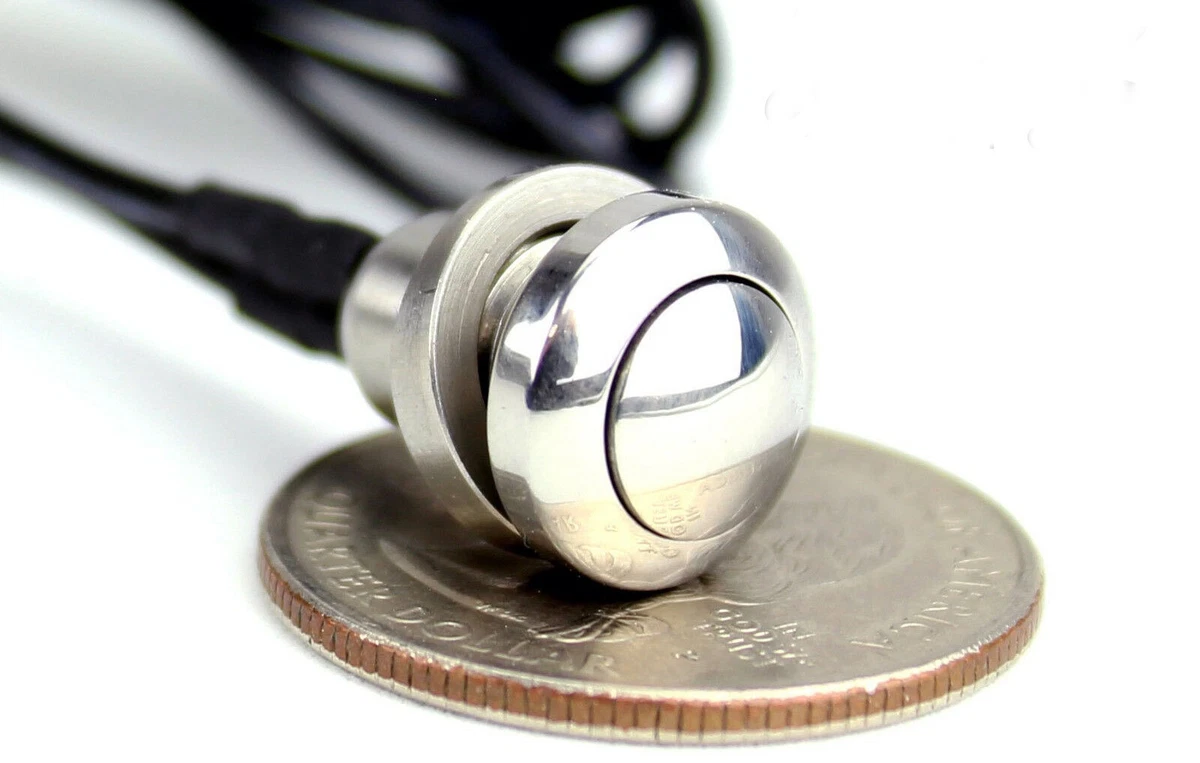
Hide a small kill switch for extra protection.
Another nifty anti-theft solution is to add a second kill switch - opens in new window or tab. to the bike. A kill switch, also known as a dead switch, usually costs around $50. It’s simply a second hidden switch installed into a motorcycle’s wiring and allows you to cut the power to the motorcycle’s ignition circuit, preventing the bike from being started.
A kill switch combined with a highly visible motorcycle lock is a nearly foolproof way to ensure your ride stays where you put it.
GPS Tracking Devices
One or more of these locks should prevent your motorcycle from being stolen. But what happens if somehow a thief succeeds, maybe by just lifting up the entire bike and throwing it in a van? One strategy is to install a GPS-enabled tracking device - opens in new window or tab.. These small affordable anti-theft devices are available for around $30. They can be hard-wired into the bike’s electrical system or magnetically attached to the frame.
These hidden devices send a satellite signal, allowing you to track your bike’s location globally on your phone in real-time. The best models are accurate to the millimeter.
About the author

Share your feedback
This article is meant to provide general guidance only. Automotive maintenance, repair, upgrade, and installation may depend on vehicle-specifics such as make and model. Always consult your owner's manual, repair guide for specific information for your particular vehicle and consider a licensed auto-care professional's help as well, particularly for advance repairs.