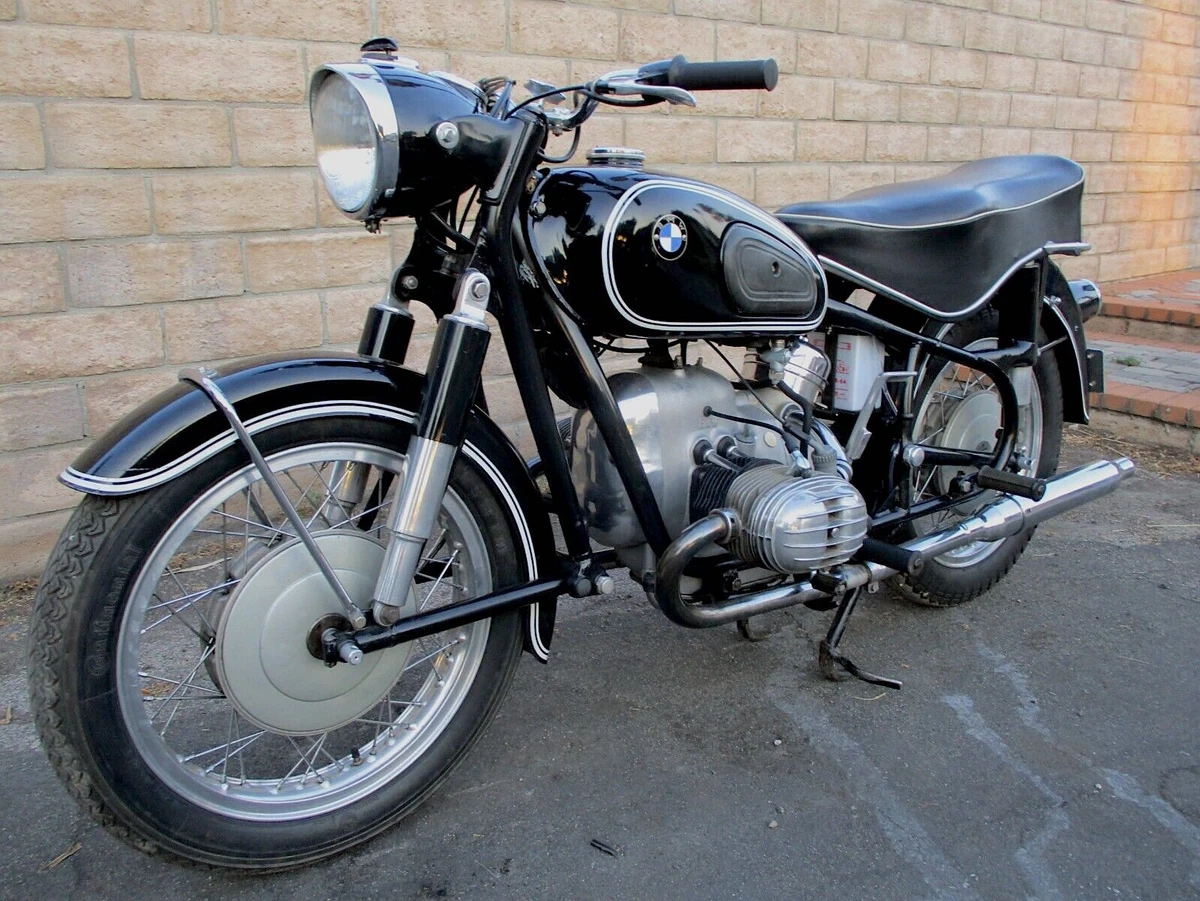
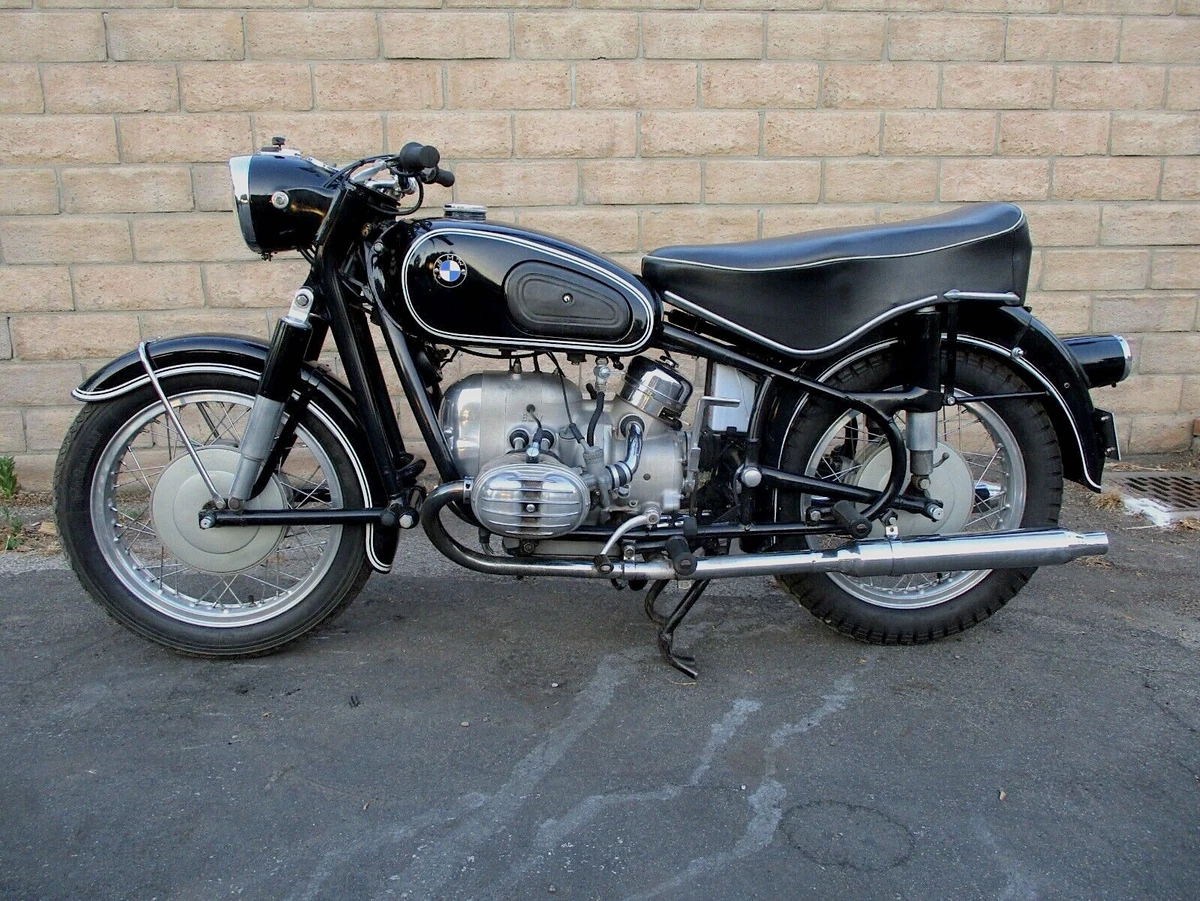
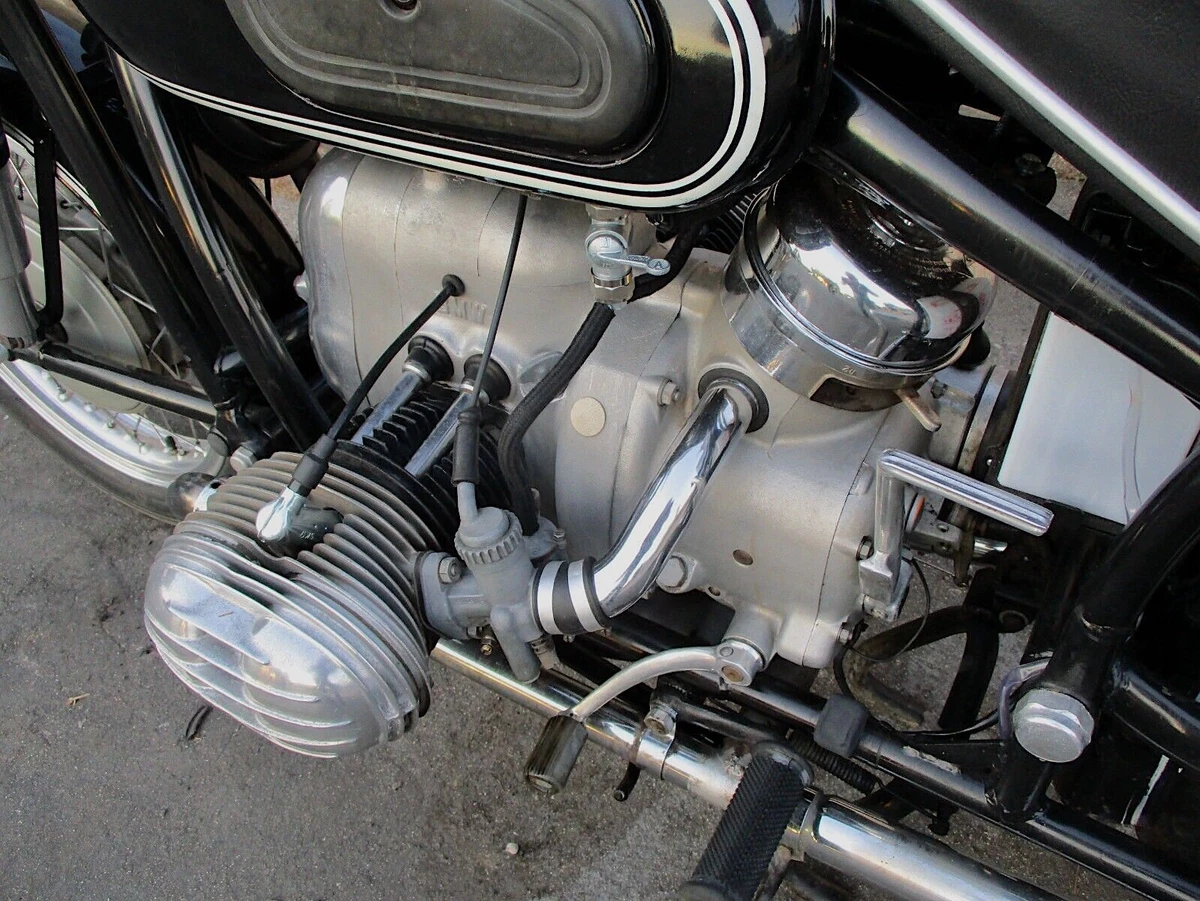
Considering the handsome proposition of this 1964 BMW R60/2 recently for sale on eBay, it is hard to imagine that, at the time, BMW was thinking about giving up on motorcycle production.





item 1 of 18
Hard Times
The mid-1960s was a bad patch for BMW motorcycles. Things were okay for the big American marques and prominent European builders like Triumph - opens in new window or tab. and Ducati - opens in new window or tab.. Even the Japanese were starting to dominate, as they would in the ensuing decades.
However, BMW neglected its motorcycle production in favor of building cars for a greater profit, and the plan was working. BMW built about 30,000 bikes per year in the 1950s, but by 1964, production was less than a third of that. Meanwhile, car profits meant that the company was doing better than ever.
Coincidentally, 1964 was the year that this BMW R60 rolled out of the factory. That was the same year the Bavarians lured designer Hans-Gunther von der Marwitz away from Porsche. He set about forging a new future for BMW motorcycles by designing machines around the ubiquitous twin-cylinder boxer engine, and the rest is history.
That Amazing Boxer Engine
More than any other maker, BMW is synonymous with the boxer twin-cylinder, horizontally opposed motor. In 600-cc form, it had no problems in the torque or smoothness departments. It would always struggle against the upright or V-twin engines in terms of peak power, though, and with a piston jutting out at 90 degrees on either side of the bike, lean angles were significantly compromised.

But this engine has few peers when it comes to lugging capability and durability. To this day, if your ambition is to cover considerable distances with minimal issues (including over challenging terrain), you’re likely to find yourself sitting on a parallel-twin BMW.
Charming Anachronisms
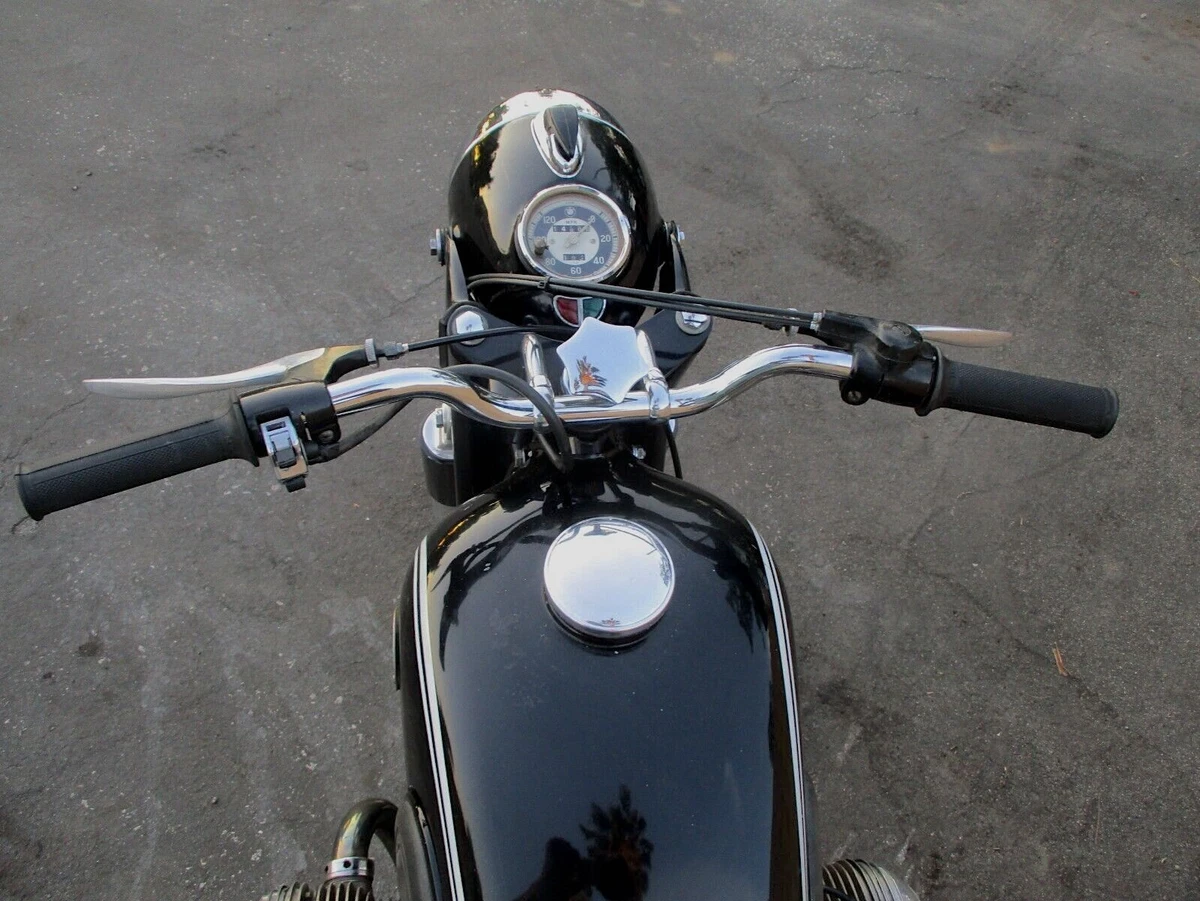
Before BMW could embrace the future, it had to get through the relatively troubled mid-1960s. This is where the BMW R60 gets interesting. Items thought to be hampering factors—like six-volt DC electrics and a magneto (as opposed to a distributor)—turned out to be thoroughly charming characteristics, even if, at the time, most builders were migrating toward more robust 12-volt AC alternators and distributors.

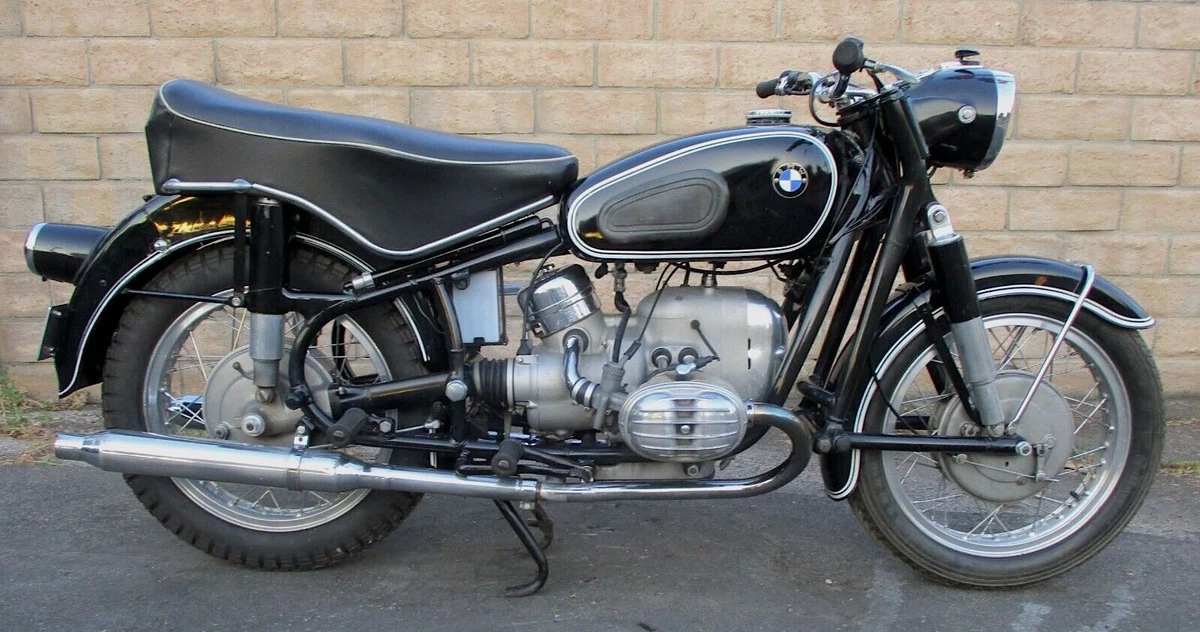
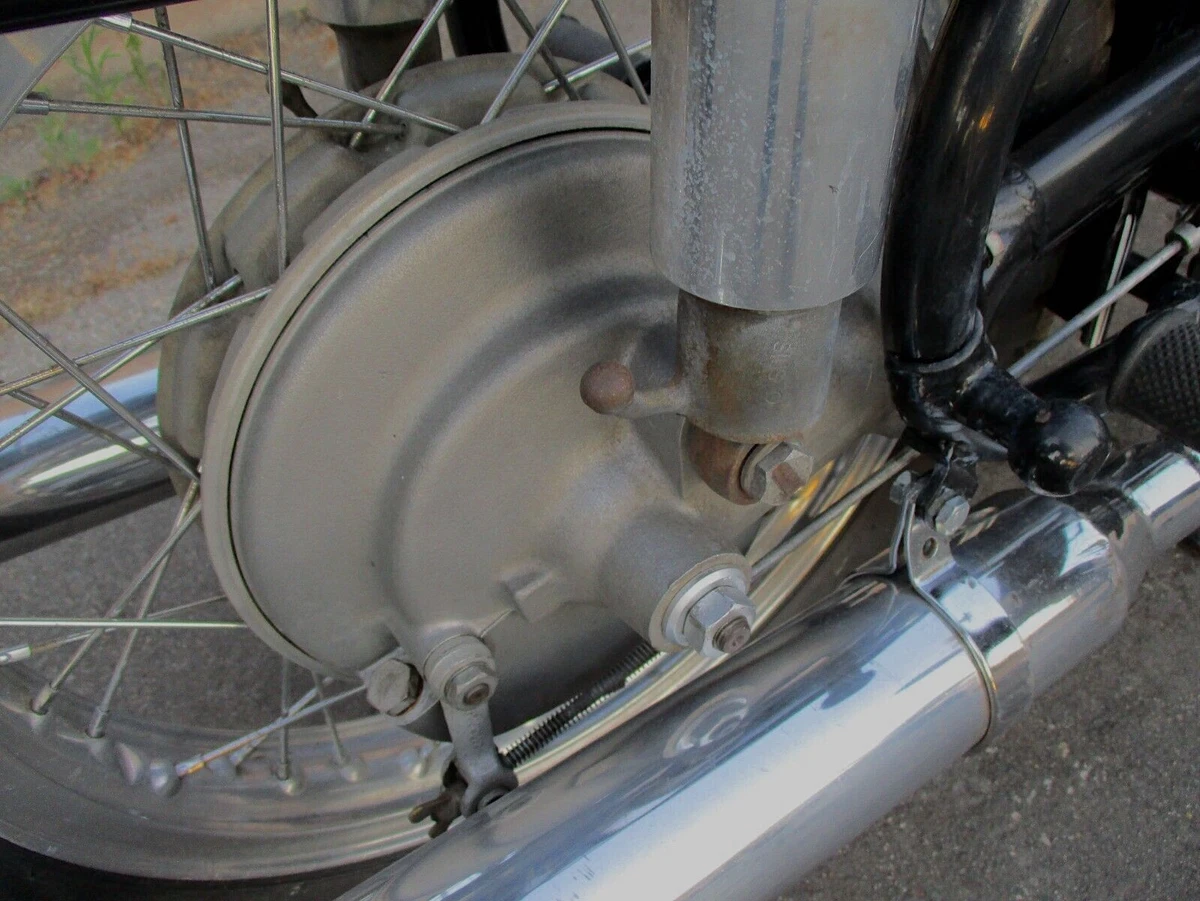
Another oddity was the BMW R60's use of Earles forks - opens in new window or tab., which put the pivot point behind the front wheel and used triangulation between the base and the top of the damper. This created a robust setup that was immediately adopted for racing by MV Agusta - opens in new window or tab. and BMW.
By the mid-1960s, most manufacturers had adopted the “telescopic” style of damper that many bikes still use. However, this and the not-so-contemporary ignition system give the BMW R60 a unique charm. Some specialist knowledge is needed, but it’s part of the appeal of this kind of bike: not just anybody can run one.
Original Paint, Low Mileage, and Ready for the Road
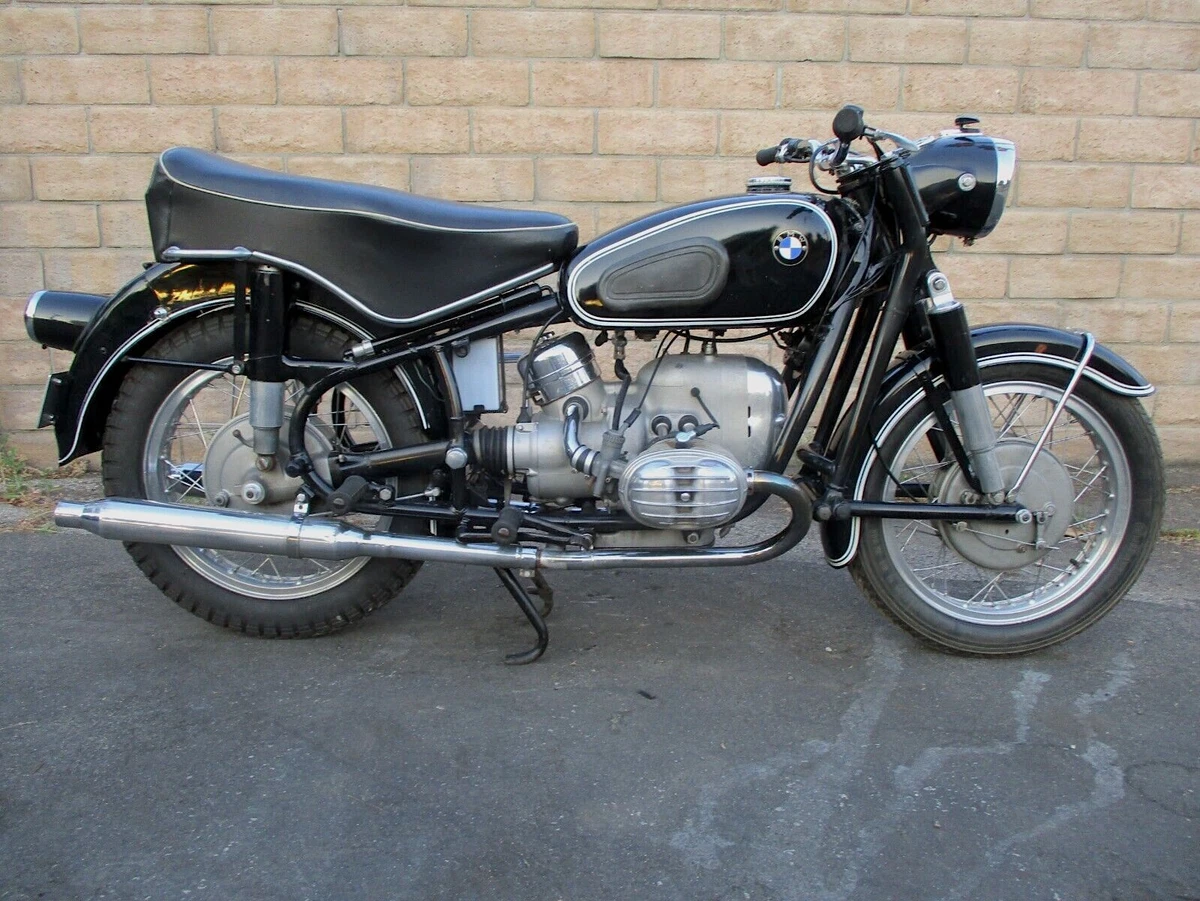
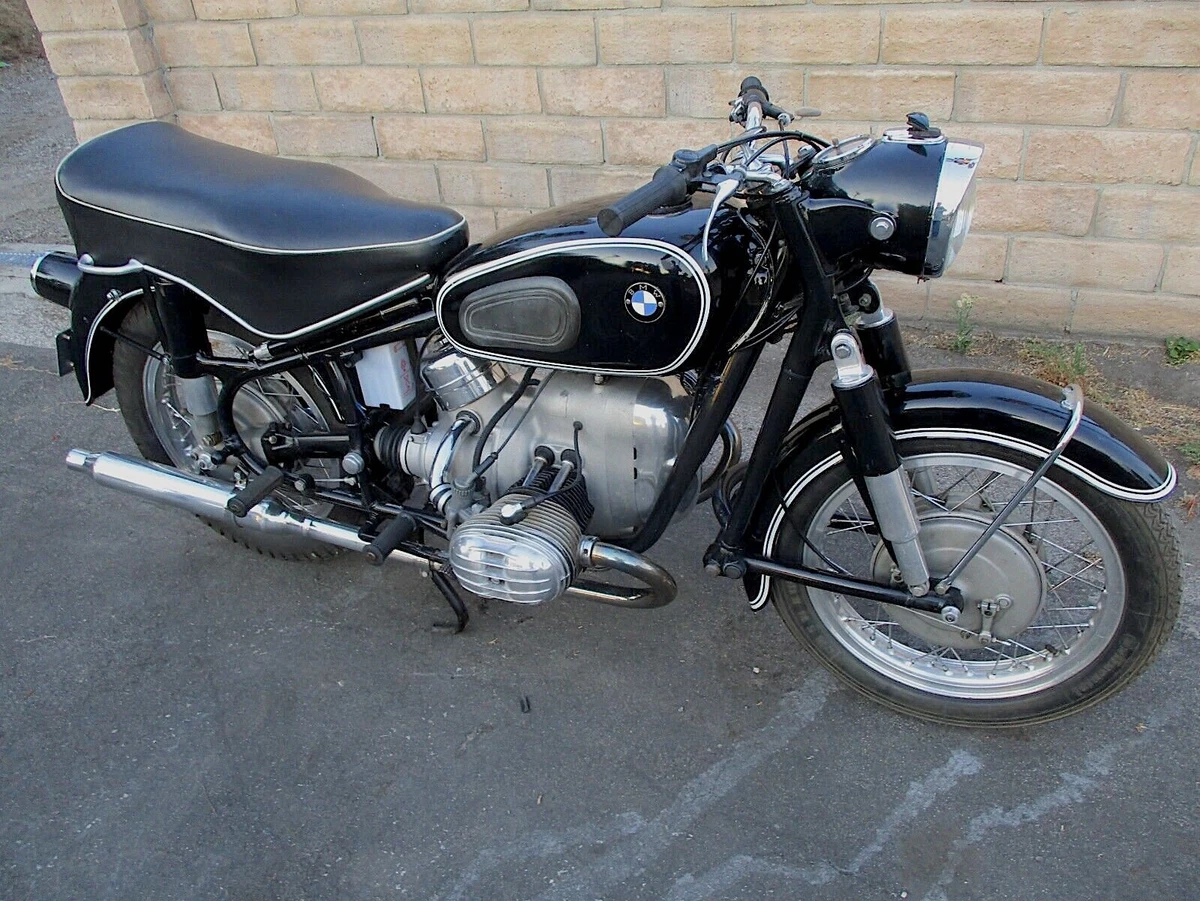
Located in California’s San Fernando Valley, this R60 looks like a beautiful example. It shows fewer than 15,000 miles and some new parts. Moreover, the collector selling the bike describes it as being “in very good running and riding condition.”

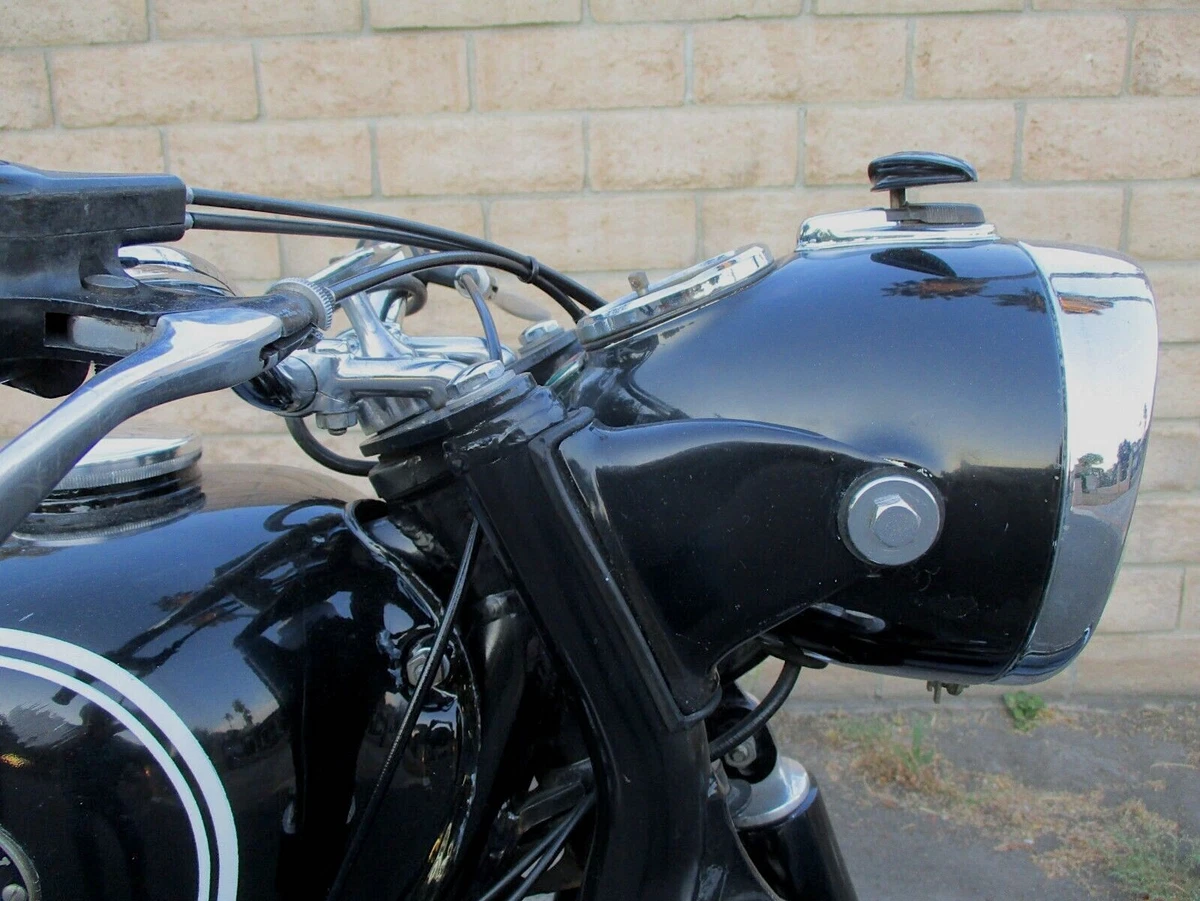
This R60 is apparently still wearing its factory black paint, embellished with the usual smart pinstriping to the tank and mudguards. And we have to point out the good-looking shaft drive in place of the usual chain.

This two-wheeled Beemer might not match the Italians and the Brits on pure riding dynamics. And we admit that certain aspects of its design were behind the times. But this is a compelling alternative if you’re in the market for a handsome, sporty ’60s bike and the usual British fare doesn’t move you.
About the author

Share your feedback
This article is meant to provide general guidance only. Automotive maintenance, repair, upgrade, and installation may depend on vehicle-specifics such as make and model. Always consult your owner's manual, repair guide for specific information for your particular vehicle and consider a licensed auto-care professional's help as well, particularly for advance repairs.