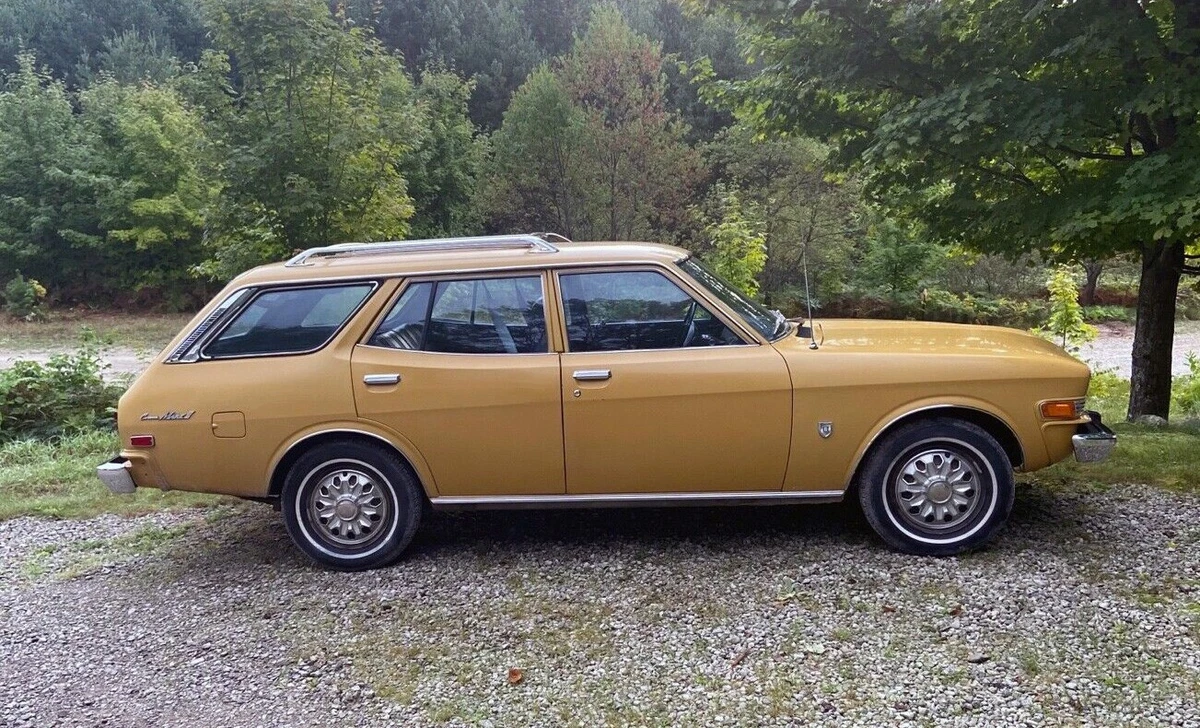
The concept of a rare Toyota seems like an oxymoron. The Japanese automaker makes millions of every model, right? Not so. And it’s especially not true for the early days of the company’s incursion into America.
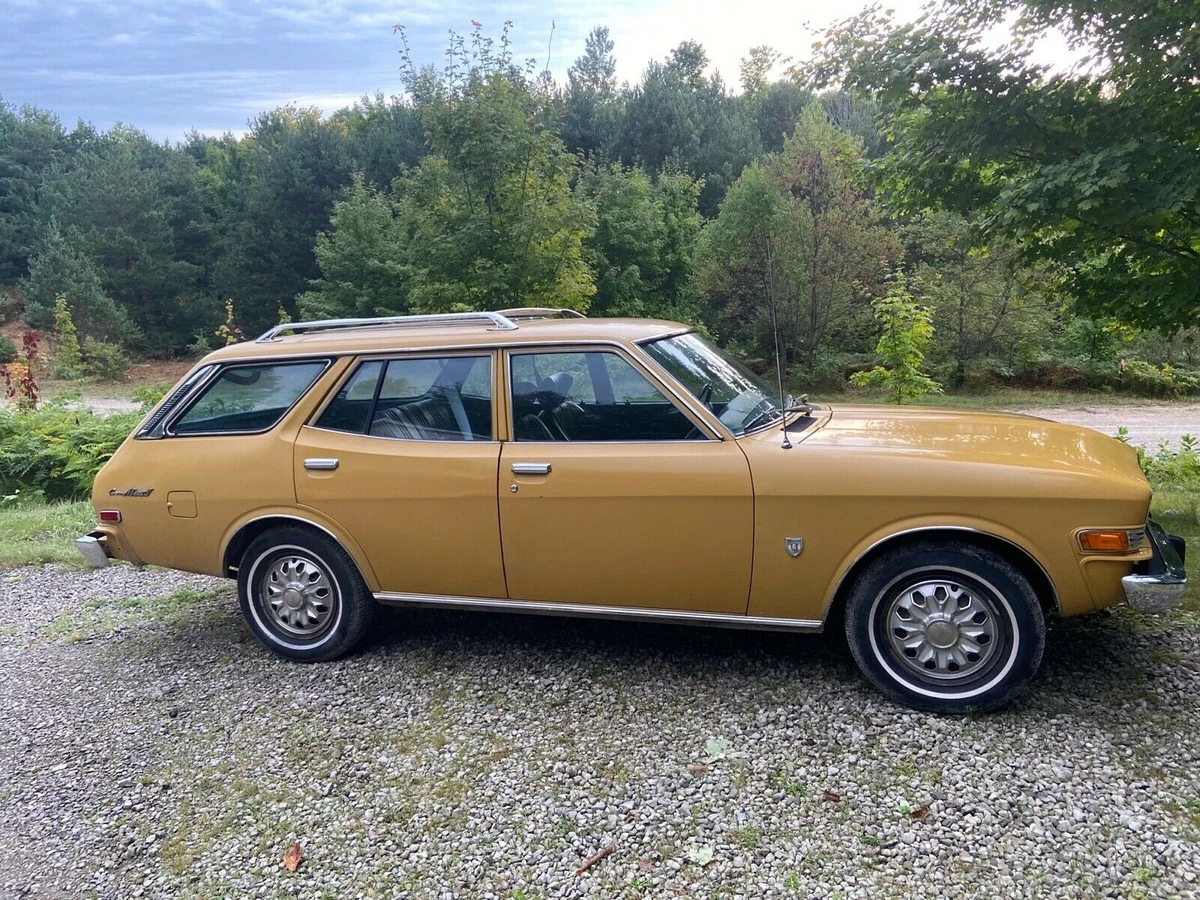
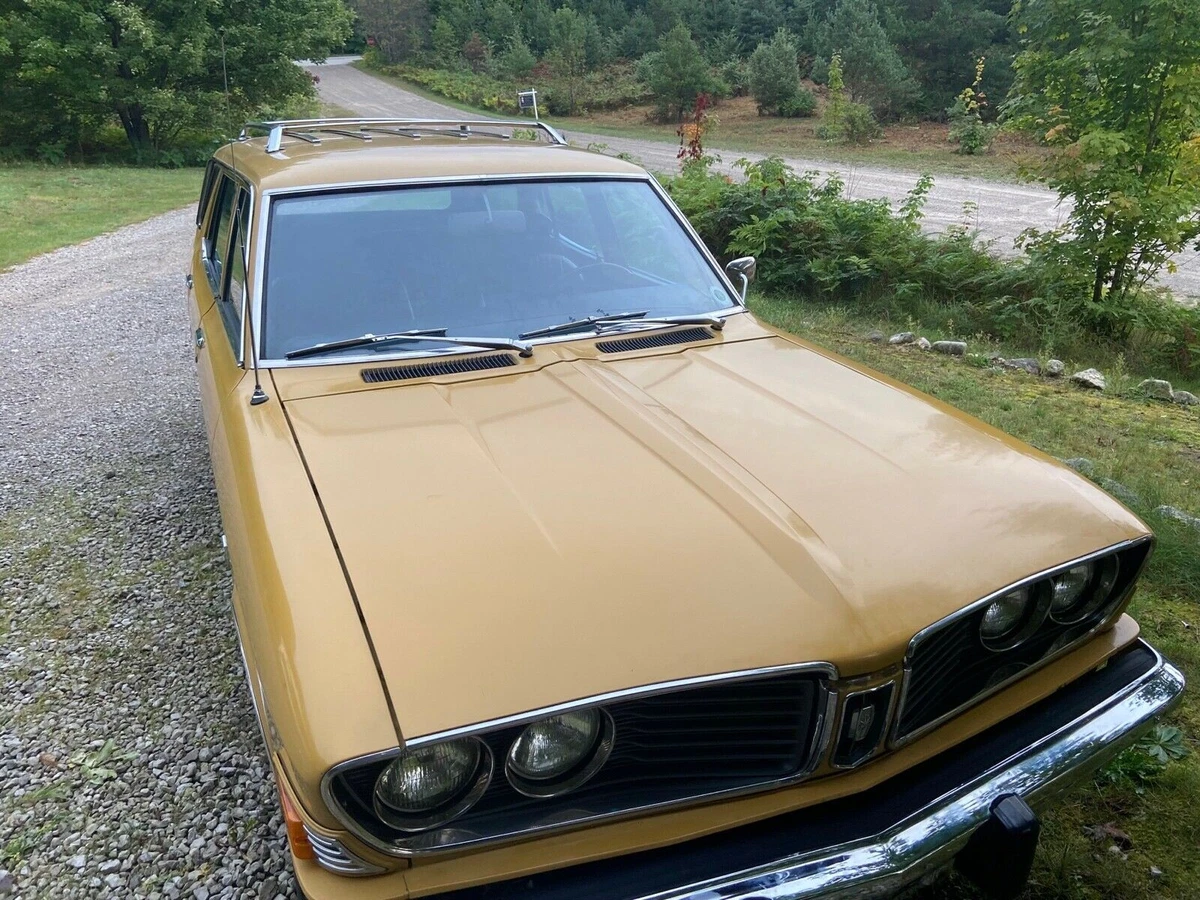
For example, have you ever seen a 1974 Toyota Corona Mark II station wagon? They were rare even back in the day. But a lovely example was recently offered for sale on eBay in Alanson, Mich. It has a reasonable $8,900 Buy-It-Now price.




item 1 of 15
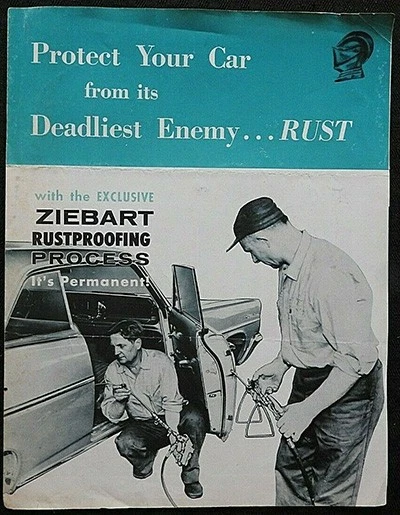
1964 ZIiebart rust-proofing sales brochure
The Michigan location might suggest rust, but this car was Zeibarted (a popular rust prevention treatment) when new. And the wagon was safely garaged under an owner’s watchful eye.
The current seller bought the Corona after a blown head gasket sidelined the car. The car came with the engine in pieces, so he carefully rebuilt it. He added new pistons, rings, bearings, connecting rods, head, alternator, battery, radiator re-core, electric fan, plug wires, muffler, carburetor, and brake master cylinder.
The only item that proved to be unobtanium was the fan clutch assembly. But the resourceful owner found a workaround with removal and bypass of the transmission radiator, plus a temporary electric fan.
A Fuel-Sipping 1970s Wagon
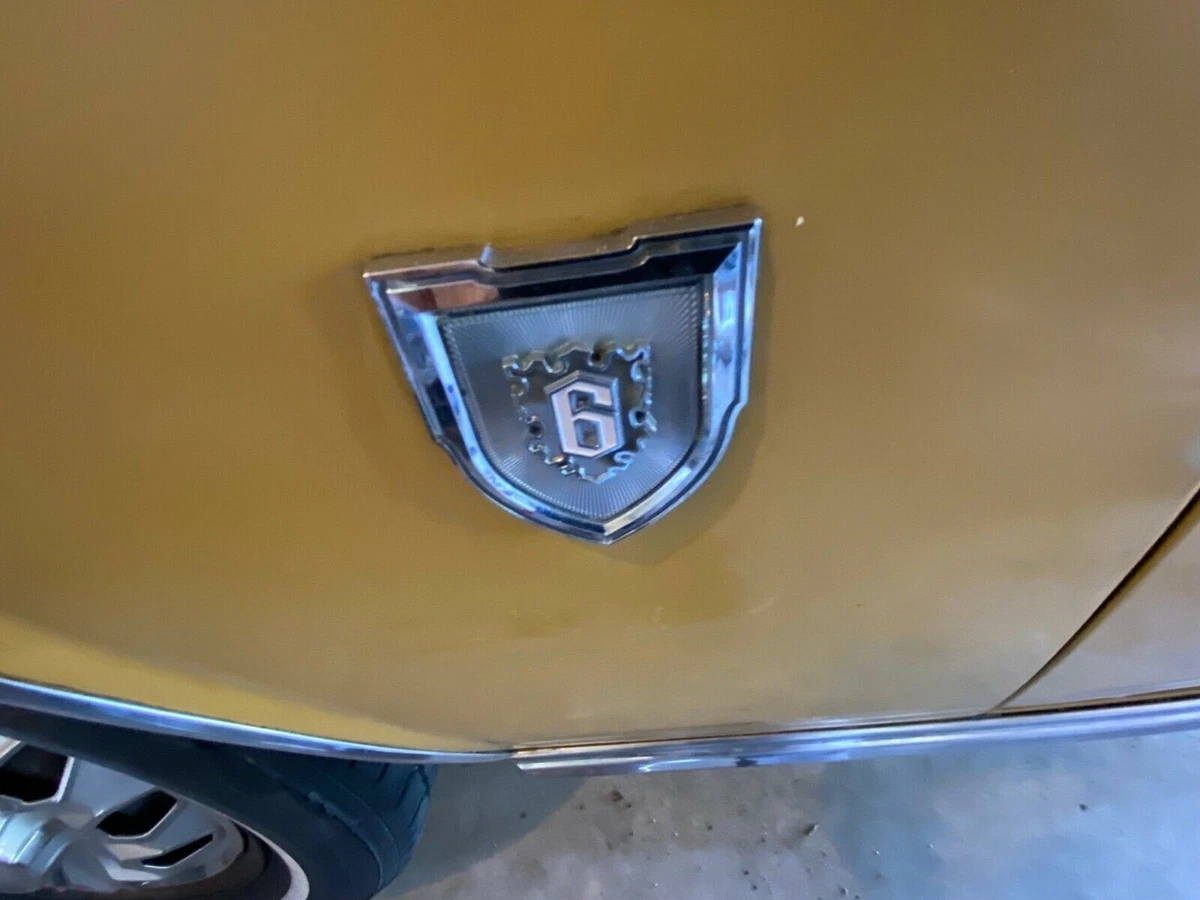
Toyota equipped the rear-wheel-drive 1974 Corona Mark II wagon with an inline 123-horsepower six-cylinder engine of 2.5-liter displacement, front disc brakes, bucket seats, air conditioning, three-speed automatic transmission, and power steering—all for $3,129. The top-of-the-line SE wagon was $4,070.

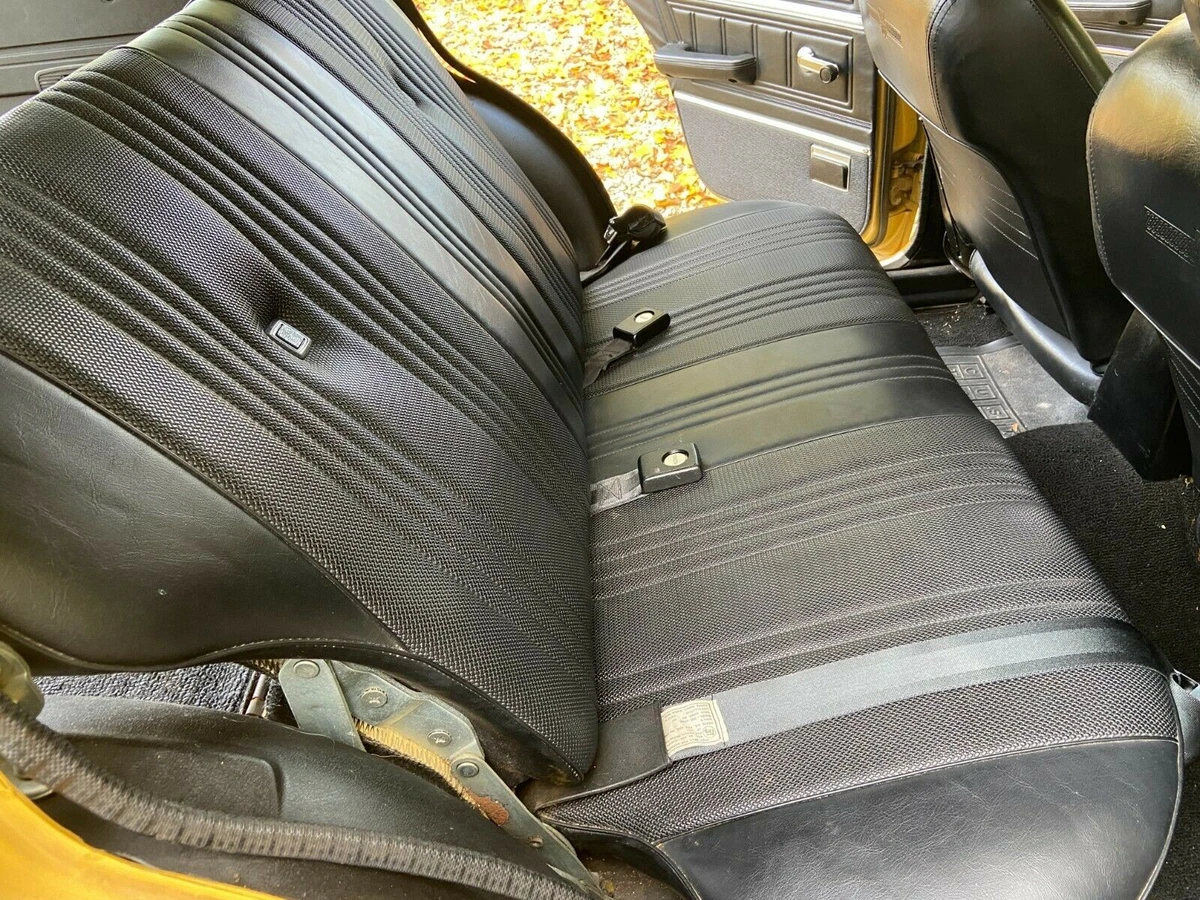
The black vinyl interior is intact.
This was the period of the Arab oil embargo, and some Americans welcomed the chance to buy a fuel-sipping economy car that could serve as a decent highway cruiser. Of course, the 18 to 21 mpg combined fuel economy isn’t great now, but it was much better than the available Detroit iron.
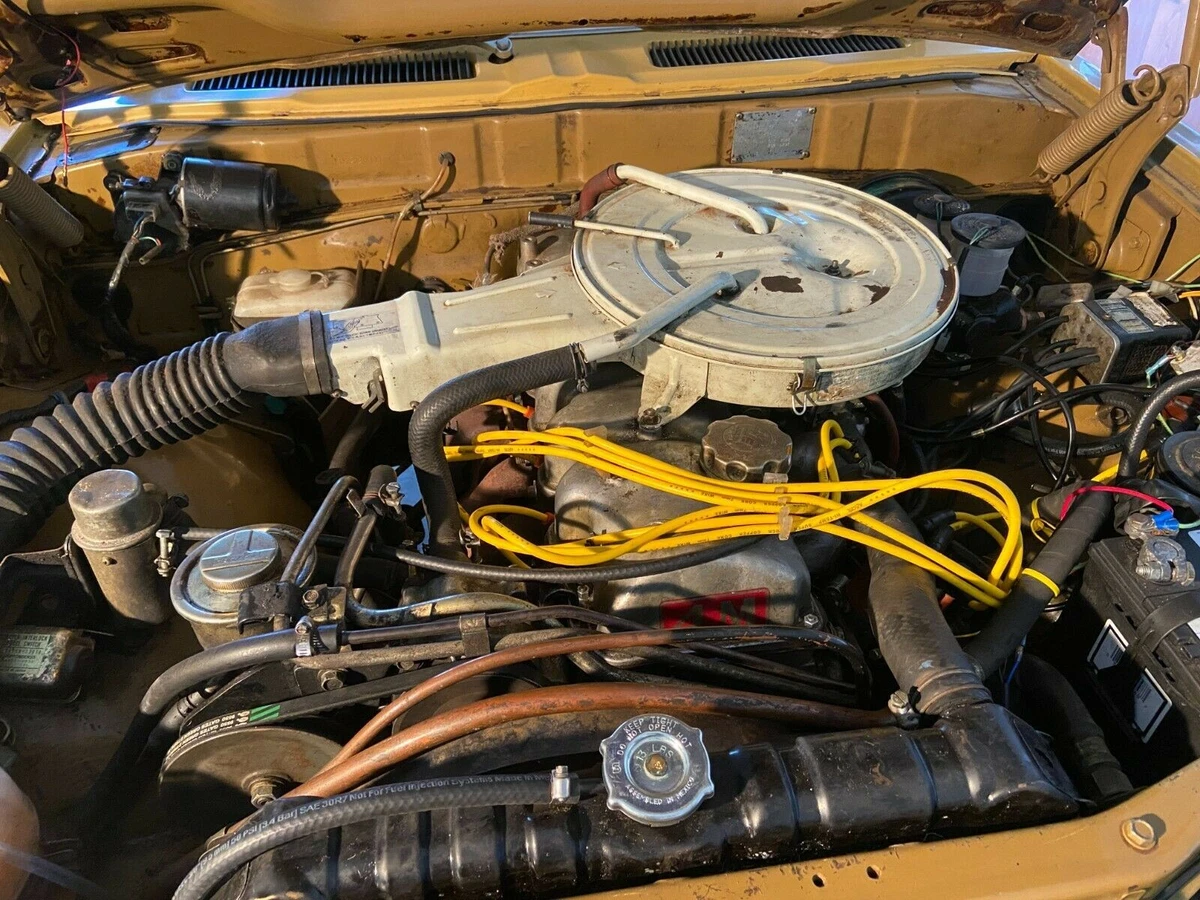
The 2.5-liter inline-six boasted 123 horsepower.
The Mark II now runs well and shifts properly. The black interior looks sharp and features the company’s best grade of vinyl. The windows go up and down. The heater works, and the air conditioning “seems to” blow cold. It’s back on the road.
The owner says:
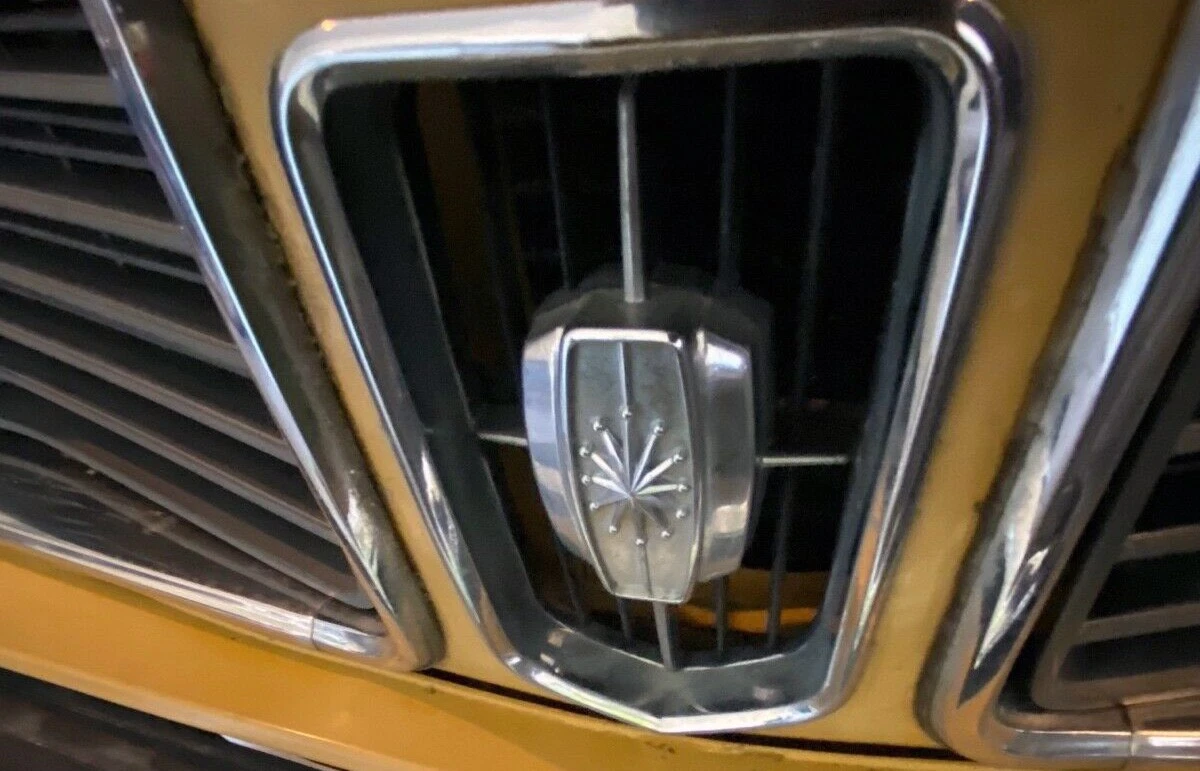
But the value in this car is its rust-free body, chrome, insignia, windows, and interior. The undercarriage is also free of rust. There is surface rust in a few areas. I just got it running and cleaned up this true barn find.
The original dealer sticker comes with the car. A minor detail: The rear window needs a new seal - opens in new window or tab.. It’s unclear how many miles are on this wagon—the odometer is stuck at 38,009.
All the Ingredients for a Speedy Classic
The Corona isn’t well remembered in the US, but they were sold here, starting with the third-generation model in 1964. They were once a common sight, though mainly on the coasts.
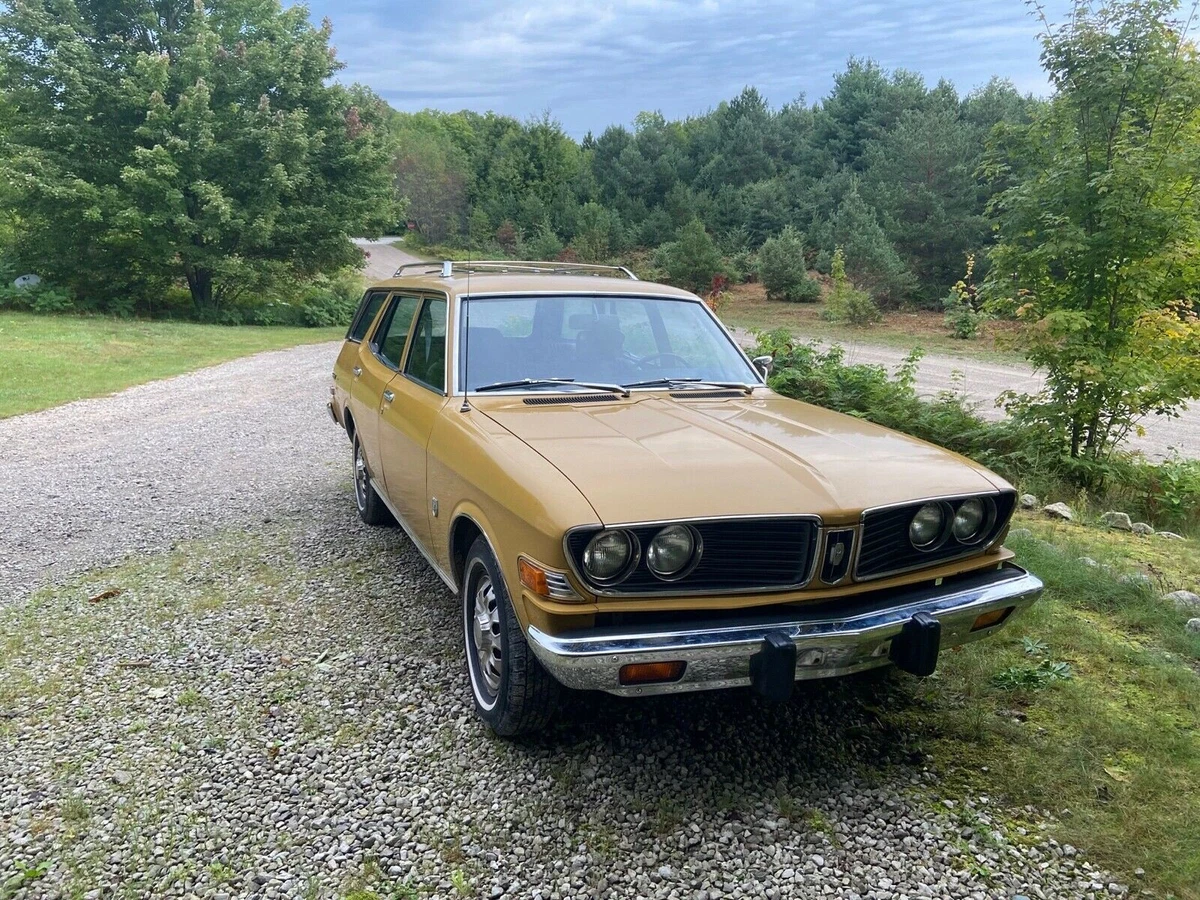
The car for sale on eBay is a fifth-generation T-100 Series Corona (second generation of the Mark II), introduced in 1973 and sold as two- and four-door sedans, a coupe, and a four-door wagon. The American versions had bigger bumpers to satisfy safety regulators and got the largest engine available. There were 1.8 and two-liter versions elsewhere.
Americans could also order wood paneling for the wagons, though it’s not on the car for sale.
It’s interesting to note there was a “hot” version of this car, known as the 2000 GT, with a twin-cam high-compression engine with twin Mikuni-Solex side-draft carburetors. It also had a five-speed gearbox and a 124-mph top speed. An ambitious tuner could swap in those rare pieces to make a classic sleeper.
Rarity Equals Value
The Corona ultimately came up against the more familiar Honda Accord, initially sold as a hatchback. The Honda’s front-wheel drive was novel. A sedan model came out in 1979, and that was popular too. The Accord became the bestselling US passenger car, with more than 12.5 million sold. Maybe that’s why we remember it better than the Corona.
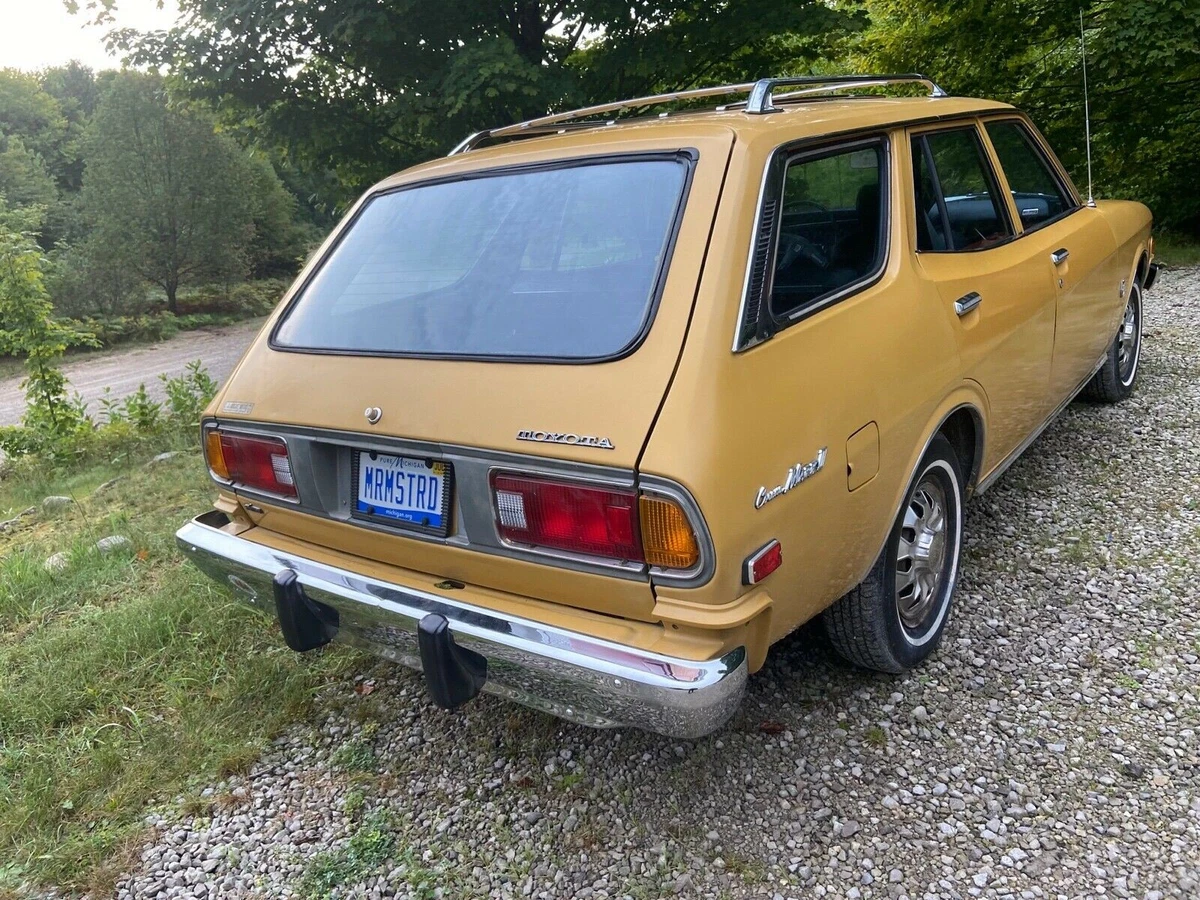
The last American-market Corona was the T-130, introduced in 1978 and gone by 1993. The Corona name was gone globally by 1997. But eBay Motors has an excellent parts supply for the Corona.
Older Japanese cars are becoming more collectible. Rarity helps the value. Buy this classic, and you might even find yourself on the show field.
About the author

Share your feedback
This article is meant to provide general guidance only. Automotive maintenance, repair, upgrade, and installation may depend on vehicle-specifics such as make and model. Always consult your owner's manual, repair guide for specific information for your particular vehicle and consider a licensed auto-care professional's help as well, particularly for advance repairs.