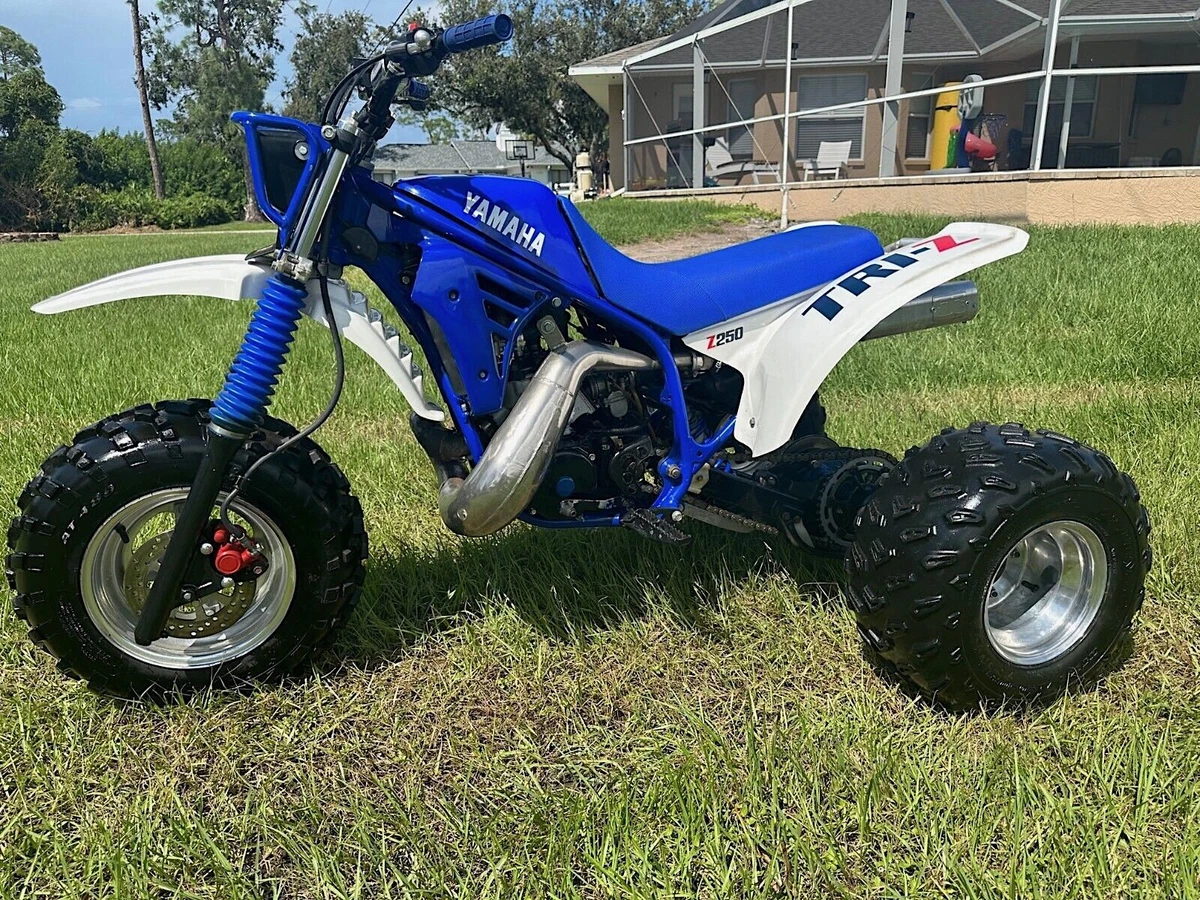
When Yamaha introduced the YTZ Tri-Z 250 in 1984, it took a novel approach with its three-wheeler project. Instead of creating a new model from the ground up, they started with a two-wheel YZ model and created a three-wheeler like the one recently for sale on eBay.



item 1 of 9
Back then, three-wheelers were popular at the motocross track, on cross-country trails in the woods, and particularly for dune riding. Yamaha designed and introduced the Tri-Z 250 ATV to compete with Honda's ATC250R - opens in new window or tab. and Kawasaki's KXT250 Tecate three-wheelers, two of the more popular models in the category—especially with motocross and cross-country/woods racers.
Unpredictable Power
The Tri-Z's liquid-cooled 246-cc single-cylinder two-stroke engine is the same one they used in the 1985 Yamaha YZ250 dirt bike model. But unlike the smooth and linear power of today's modern four-stroke engines, a mid-1980s two-stroke engine, like the one mounted in this 1985 Tri-Z, often had an explosive, erratic, and unpredictable power delivery.
It was as if they had an on/off switch, where riders delivered throttle-induced jolts of arm-stretching acceleration that were exhilarating but challenging to tame.

The motor in this 1985 Tri-Z 250 has been completely rebuilt and is ready for action—if you're up for the challenge of riding a wicked-fast ATV with 38-year-old technology. The Tri-Z is still likely to be competitive on a motocross track.
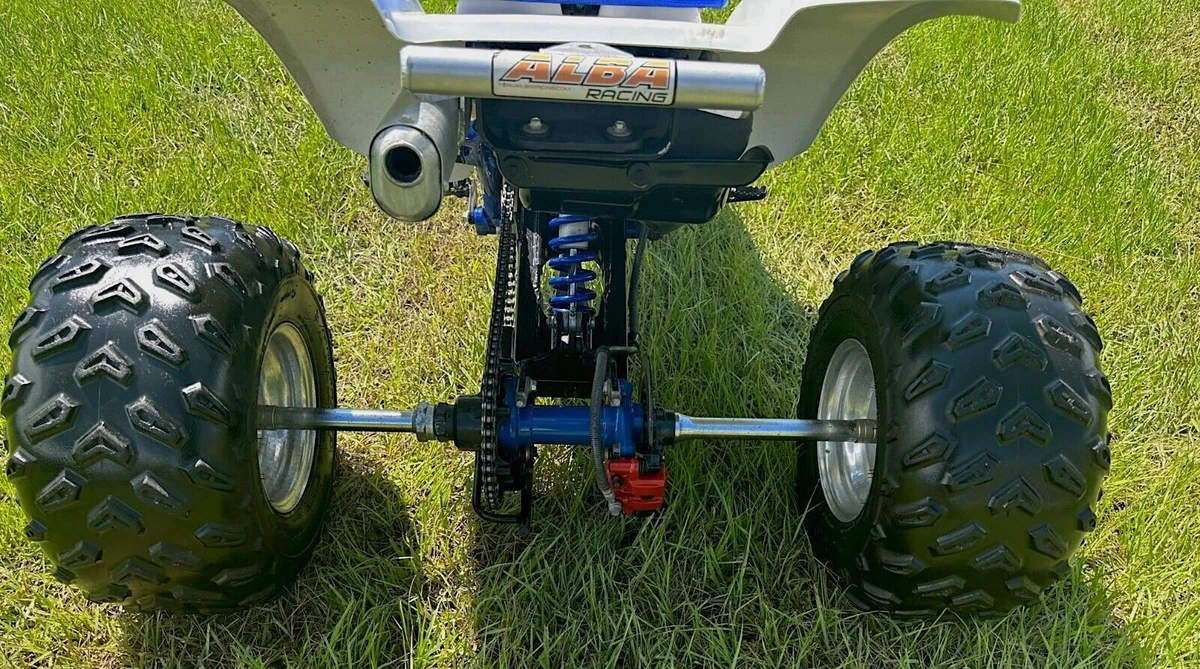
A 32-mm Mikuni carburetor - opens in new window or tab. delivers fuel to the reed valve torque induction and Yamaha Energy Induction System (YEIS), making the single-cylinder two-stroke YZ250 engine bark. Suspension is handled by conventional telescopic air-adjustable forks up front and an adjustable monoshock suspension system on the rear, similar to the one used on Yamaha's 1985 YZ dirt bike models but specifically designed for the Tri-Z's three-wheel design.
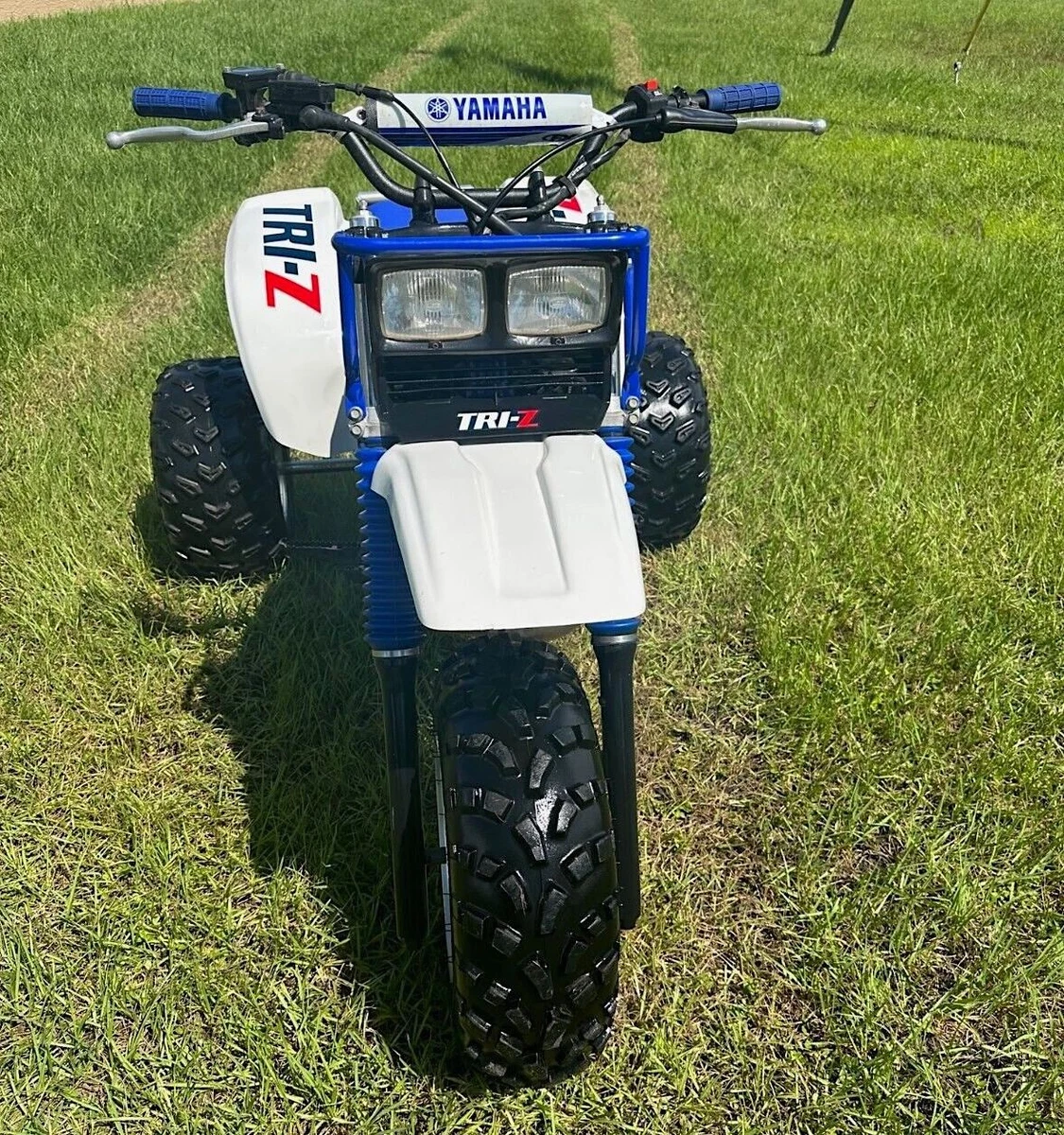
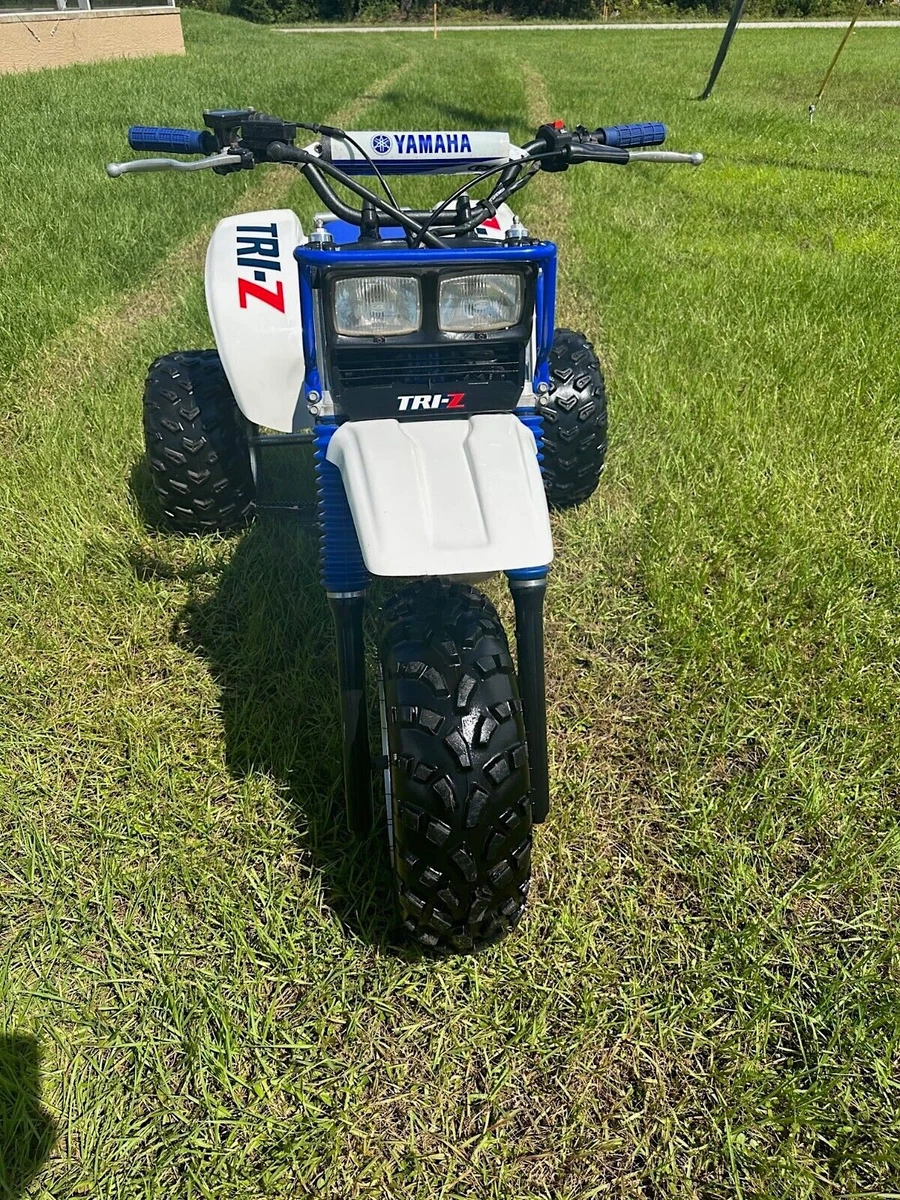
A few unique features of the Tri-Z 250 include a fuel tank mounted below the seat and behind the rear suspension to help lower the center of gravity on these typically top-heavy machines. The Tri-Z also comes standard with dual quartz halogen headlights, which may be out of place on the motocross track but will come in handy on the trail.
A Clean ATV Ready to Get Dirty
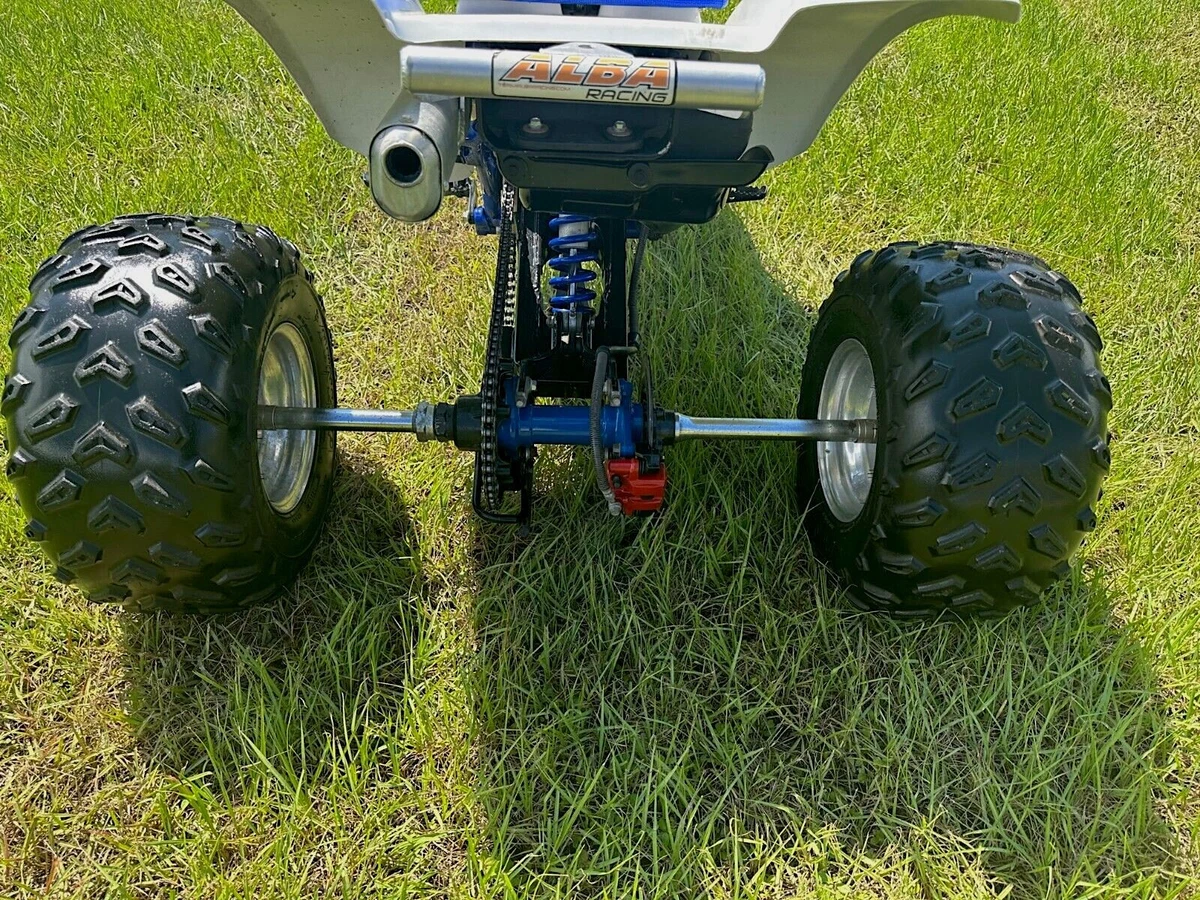
Anyone looking for a great addition to their ATV collection will notice how clean this Tri-Z is, with its powder-coated frame and bottom-end engine cases, plus all-new plastics - opens in new window or tab., seat cover - opens in new window or tab., and graphics - opens in new window or tab.. The owner also mounted a fresh set of ATV tires - opens in new window or tab. on polished race wheels, added an aftermarket DG Performance - opens in new window or tab. silencer and nickel-coated exhaust pipe, and mounted an Alba Racing - opens in new window or tab. rear grab bar.
With the industry only producing three-wheeled ATV - opens in new window or tab. models for a short time—from the early 1970s to the late 1980s—this is a chance to own a piece of history from one of the more obscure eras in the history of all-terrain vehicles. As the listing states, this bike runs strong, and all that's needed is a rider to bring this incredible piece of powersports history alive.
About the author

Share your feedback
This article is meant to provide general guidance only. Automotive maintenance, repair, upgrade, and installation may depend on vehicle-specifics such as make and model. Always consult your owner's manual, repair guide for specific information for your particular vehicle and consider a licensed auto-care professional's help as well, particularly for advance repairs.