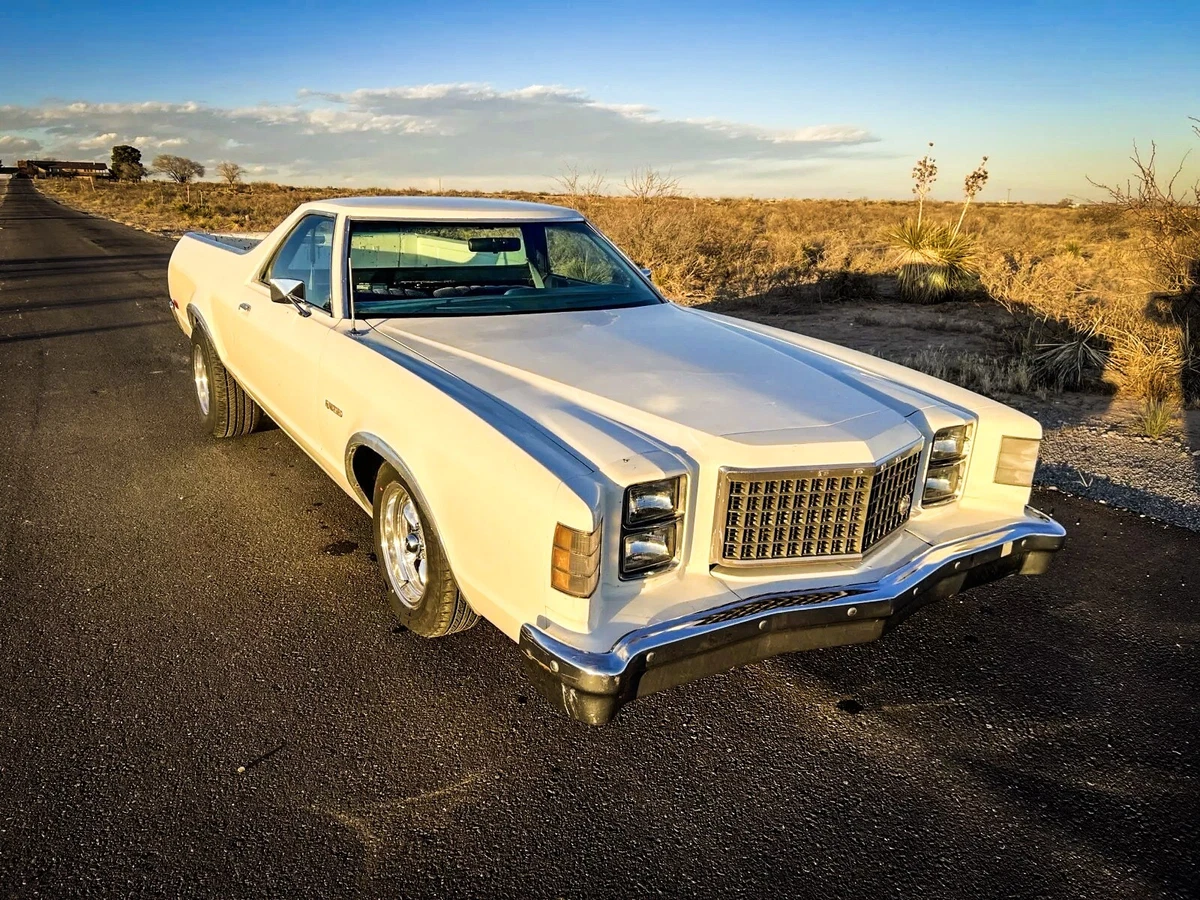
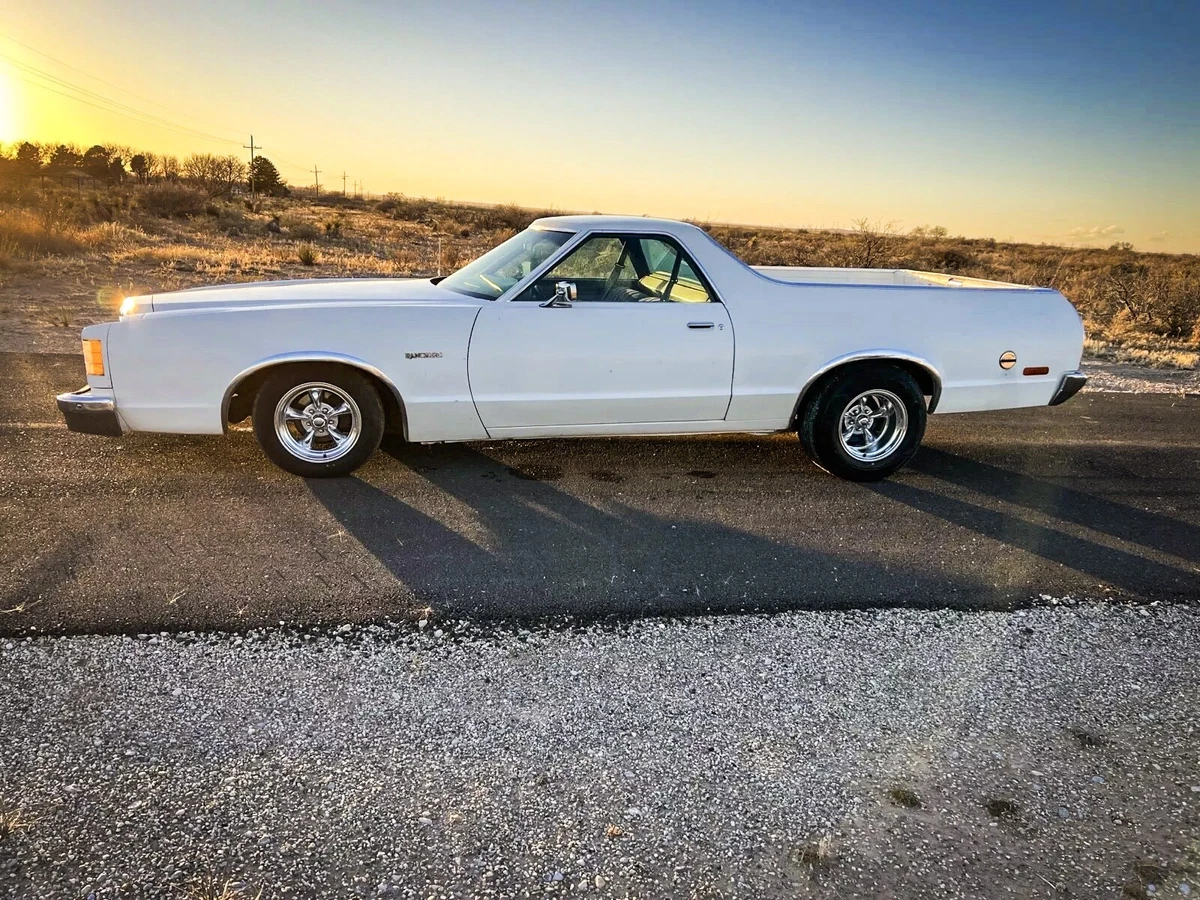
Back in the day, traditional pickup trucks were used almost exclusively for work. So carmakers introduced car-based pickup trucks—like the Ford Ranchero and Chevrolet El Camino - opens in new window or tab.—for buyers wanting something more civilized. These so-called cowboy Cadillacs had car-like amenities and road manners, blurring the lines between car and truck. The 1979 Ranchero recently sold on eBay was a beautiful, low-mileage example at a reasonable price.



item 1 of 16
Last of the Breed
The 1979 model year marked the end of Ranchero production, which began in 1957. That makes this truck among the last of the breed. It was a clean and rust-free vehicle located in the dry climate of New Mexico. Its odometer showed just 54,000 miles.
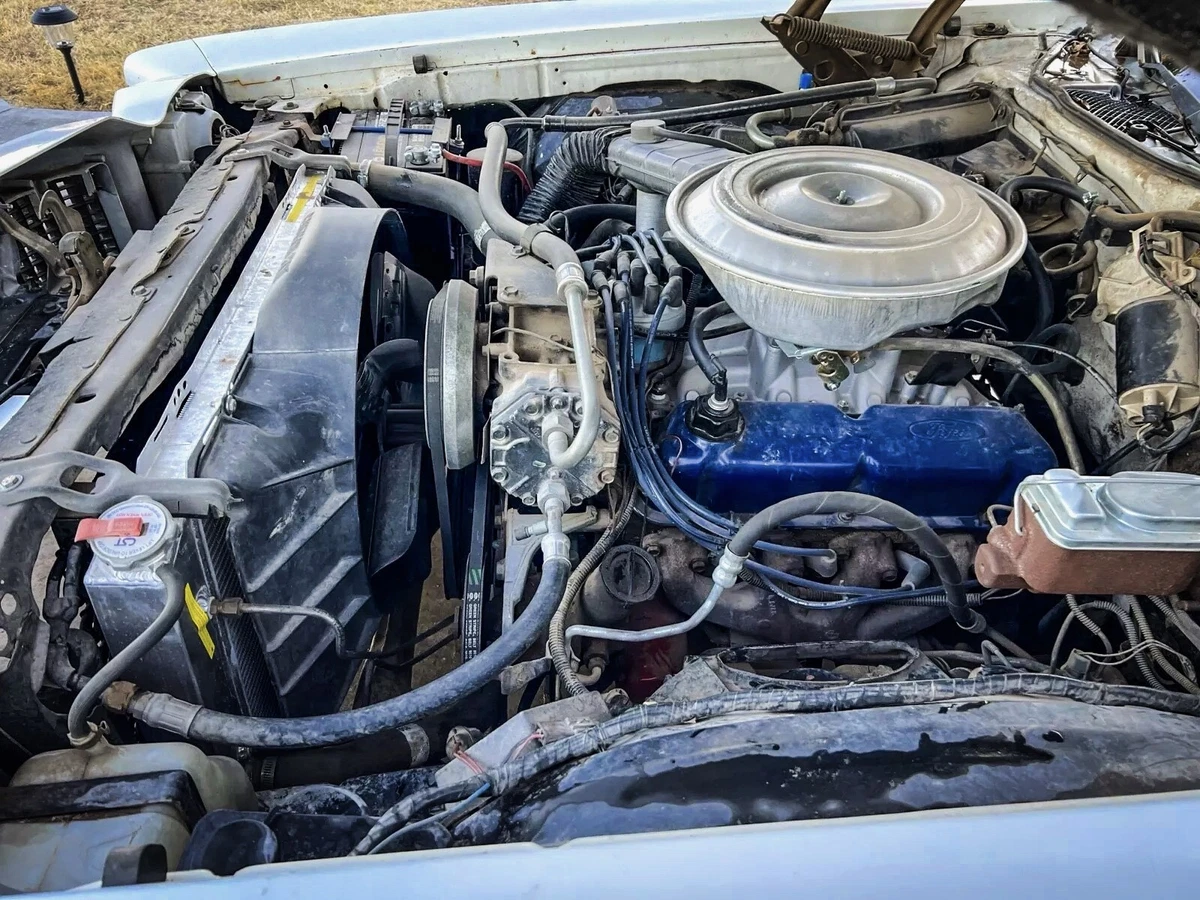
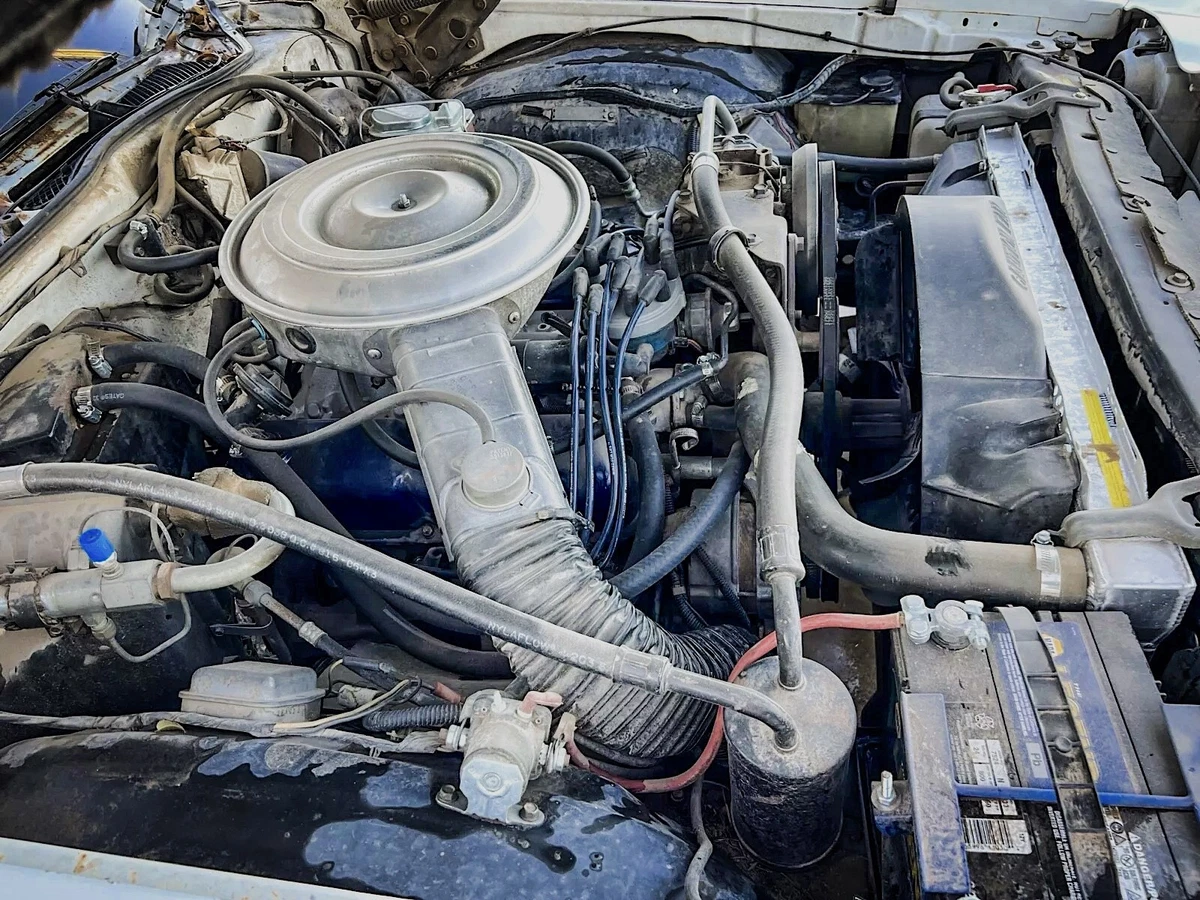
The Ranchero is powered by a correct 302-cubic-inch Ford V-8 - opens in new window or tab. matched with a three-speed automatic transmission. The engine has no reported issues. A new Edelbrock four-barrel carburetor - opens in new window or tab. and intake manifold provide better performance and efficiency than the stock two-barrel carb. A new aluminum radiator - opens in new window or tab. keeps the engine cool.
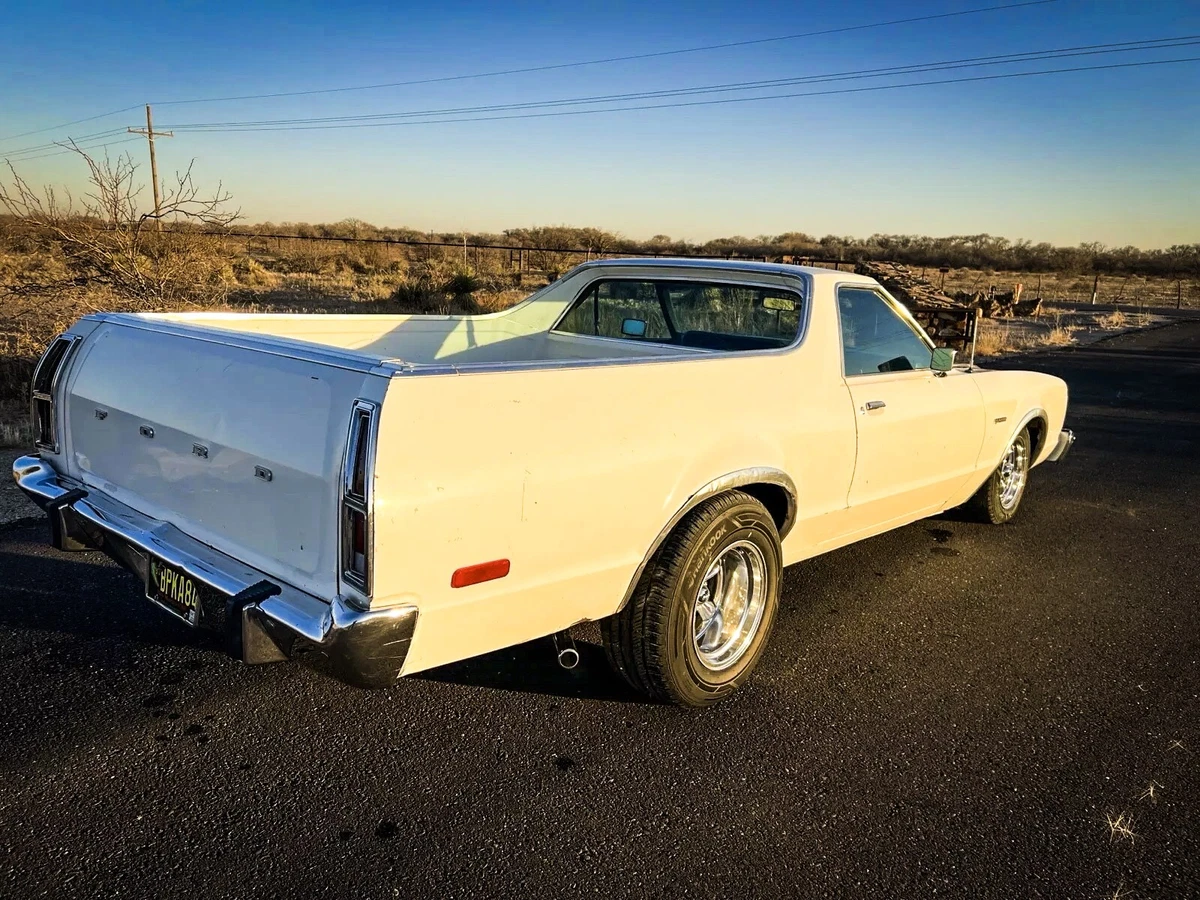
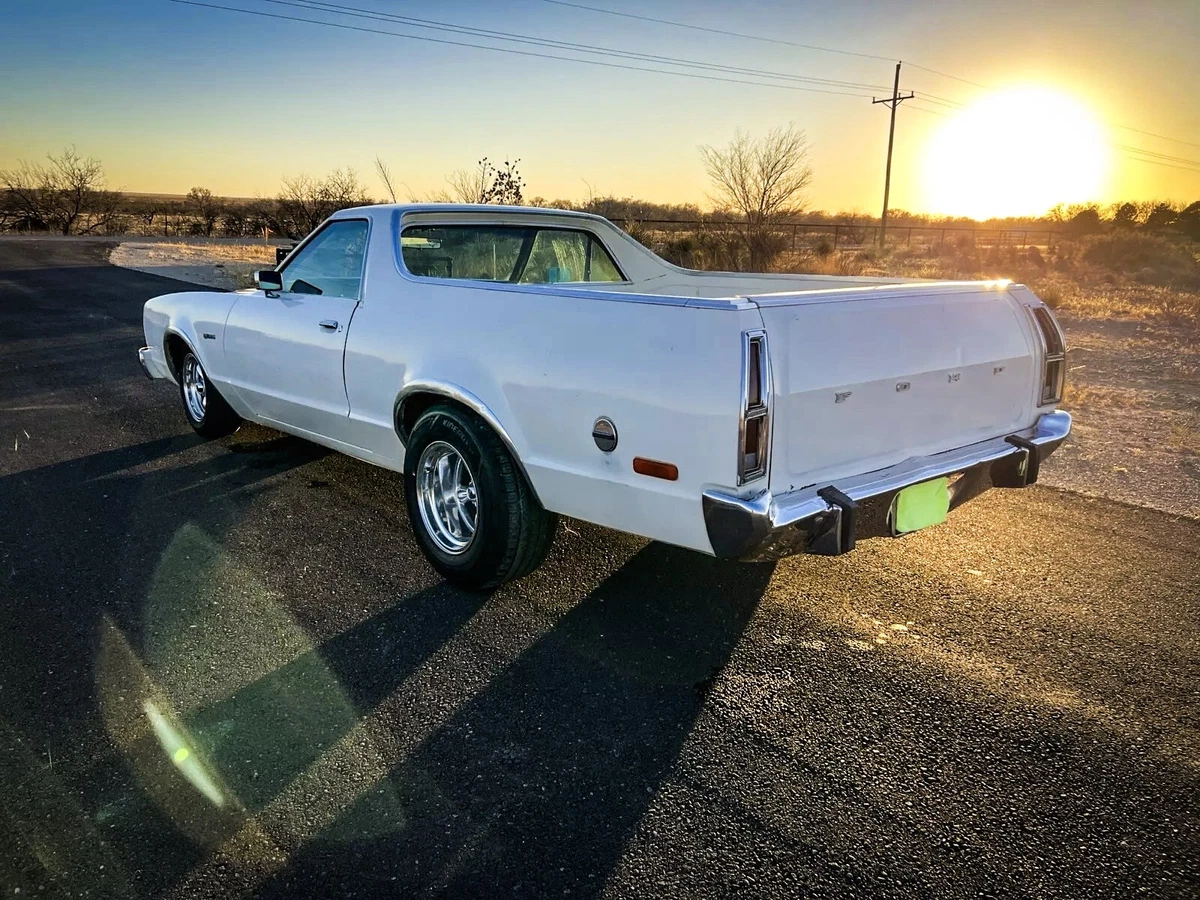
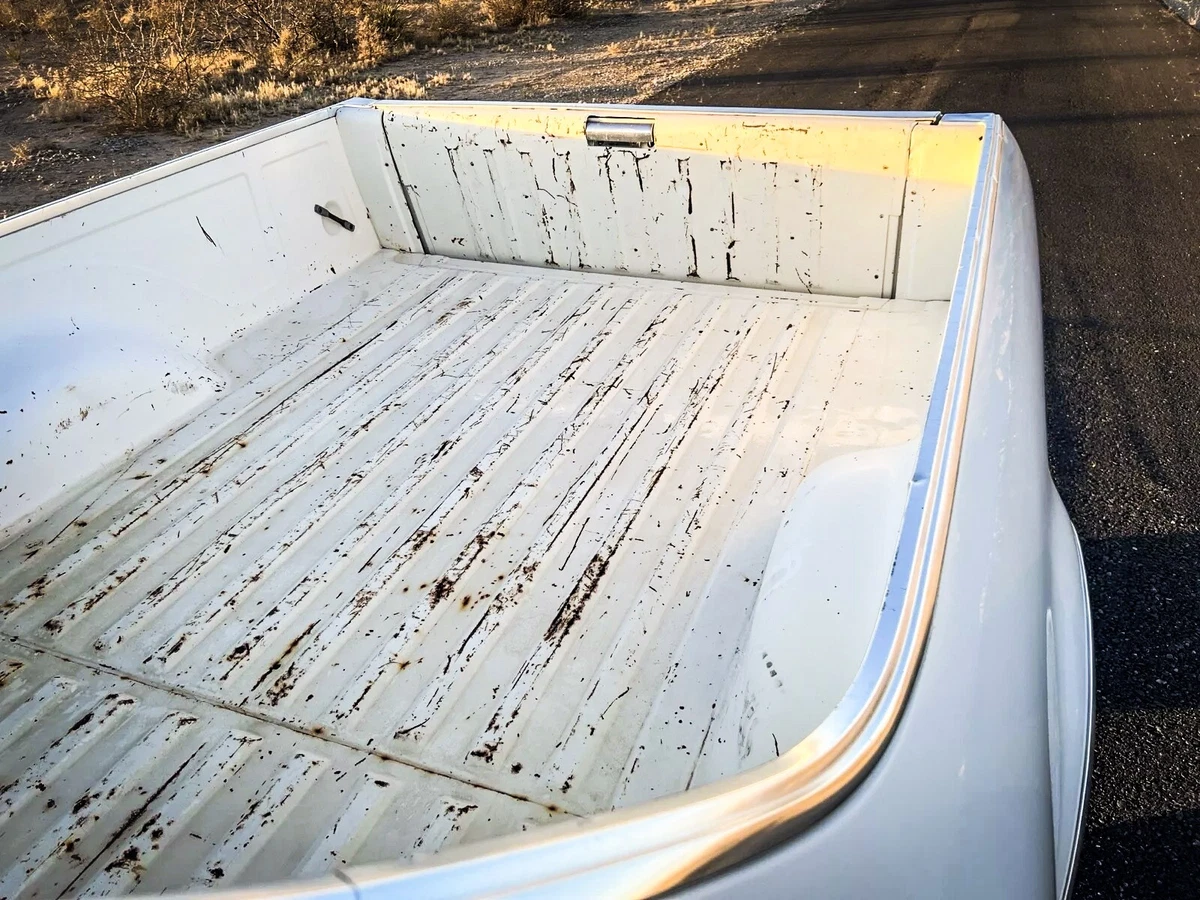
Seventh-generation Rancheros were based on Ford’s LTD II platform. They were considered midsize vehicles by the standards of the era. Yet the Ranchero is no lightweight, with a 118-inch wheelbase, overall length of more than 18 feet, and a curb weight north of 4,000 pounds. When it’s time to work, the Ranchero is ready with a 6-foot-long, 4-foot-wide cargo box.
Angular Style
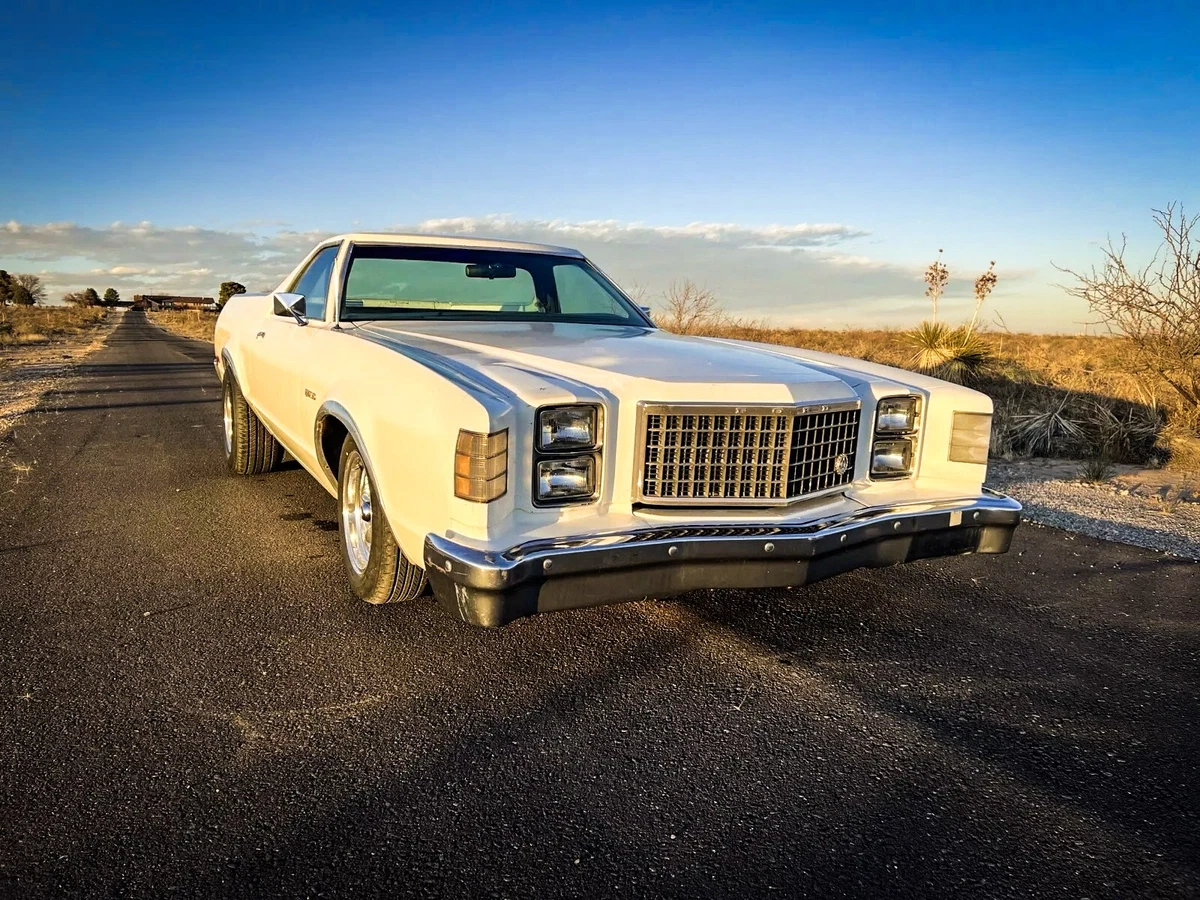
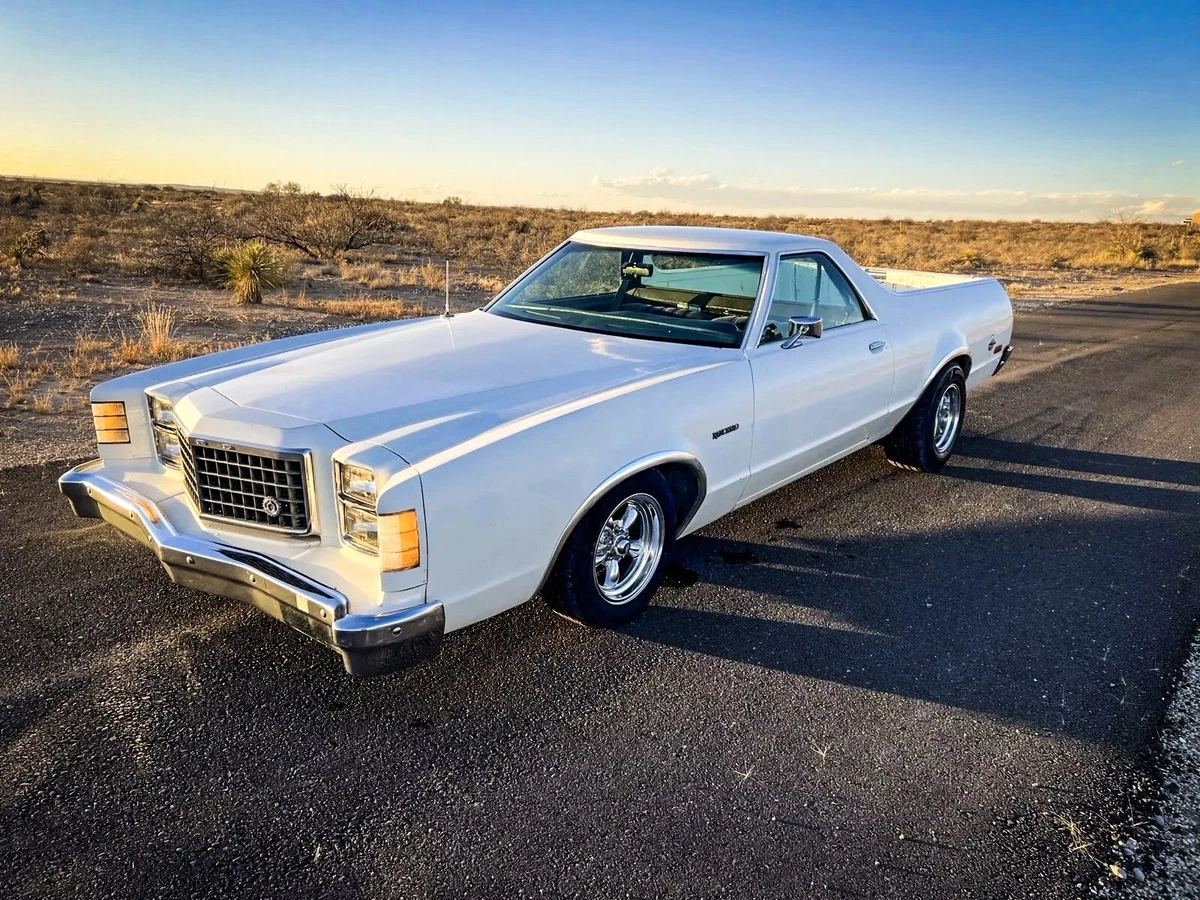
From the box forward, the Ranchero looks exactly like an LTD II. Its angular lines, prominent grille, and distinctive stacked quad rectangular headlights brim with 1970s style.
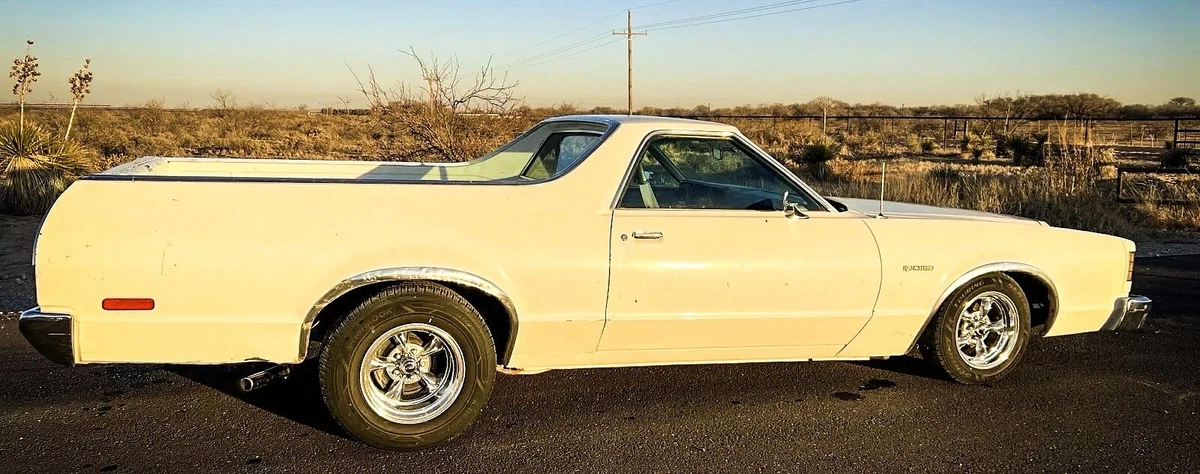
Not a fan of the look? Good news. It’s an open secret among Ranchero enthusiasts that the front fascia and sheetmetal from virtually any midsize Ford of the era bolts right on. In other words, this Ranchero could transform into a Ford Thunderbird - opens in new window or tab. or Mercury Cougar - opens in new window or tab. pickup.
This Polar White Ranchero was largely unmodified. The paint still shows a nice luster. The only minor visible scratches are in the cargo box. The Ranchero rolls on five-spoke chrome mag wheels - opens in new window or tab.. Bigger rear tires give it an aggressive raked stance.
Minimal Wear
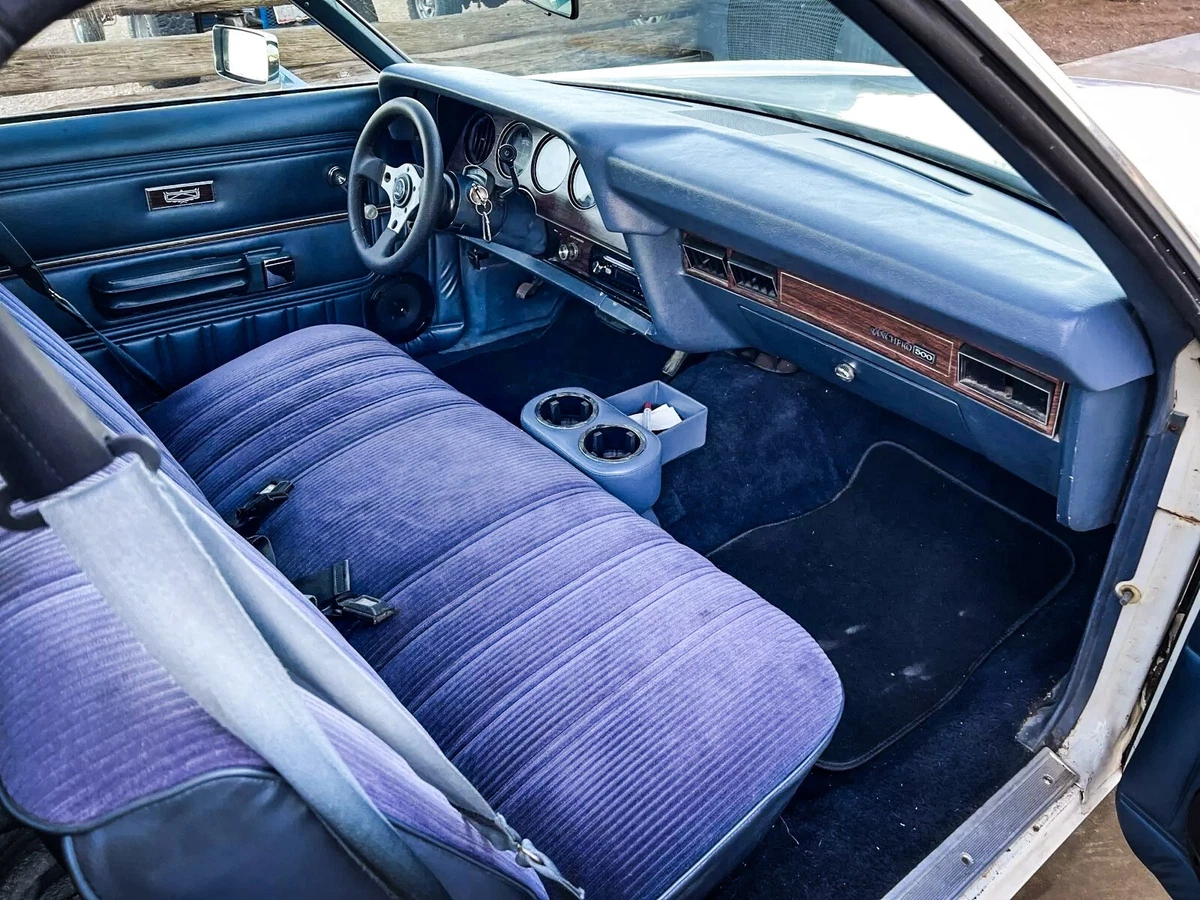
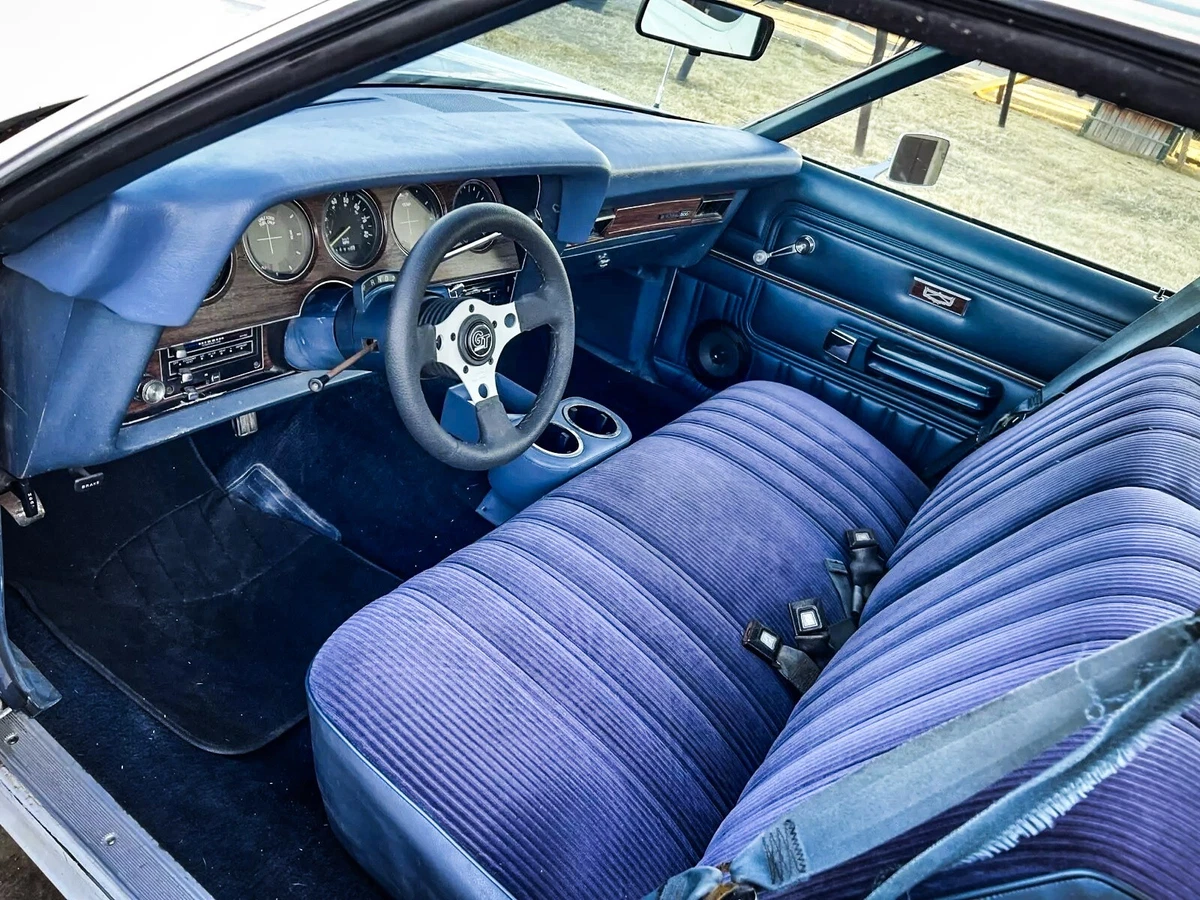
The Ranchero’s blue cloth interior is in great condition, reflecting its low mileage. Carpets and door panels - opens in new window or tab. also look nearly new. Factory accessories include power steering, power brakes, and air conditioning. Aftermarket upgrades include a thick-rimmed GT steering wheel - opens in new window or tab. and a Bluetooth audio system - opens in new window or tab..
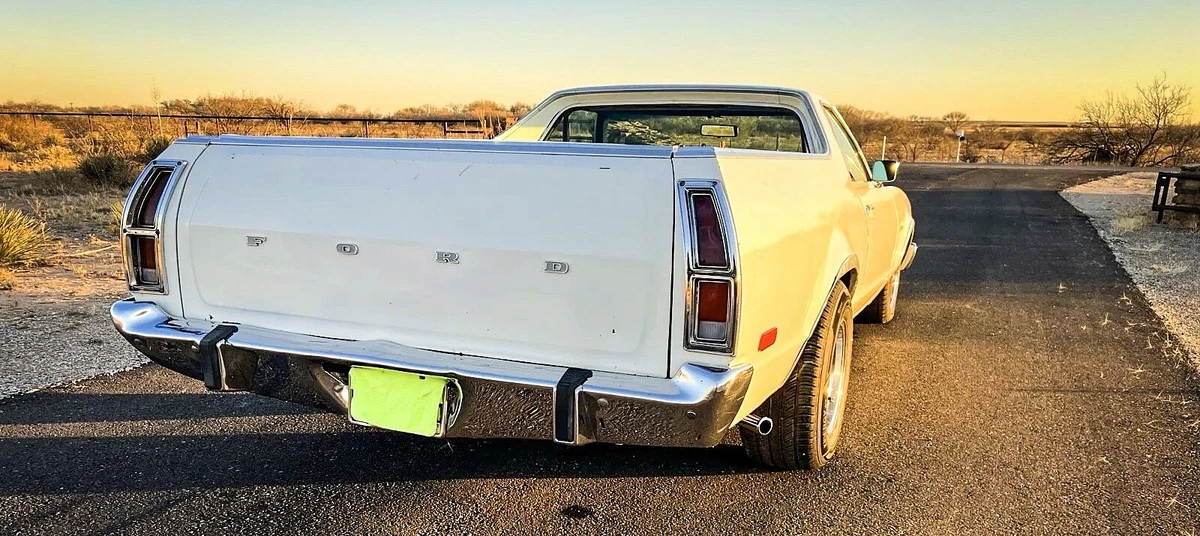
By the time this Ranchero rolled off the assembly line in 1979, sales of car-based pickups had slowed to a trickle. Conventional pickups with car-like comforts became the norm. The F-150 pickup truck - opens in new window or tab. soon became the best-selling vehicle in the United States, a position it still holds decades later.
Today’s pickups are ultra-popular, but that comes with a predictable uniformity. But those modern pickups will never match the Ranchero’s fine style. Or its price. This 1979 Ranchero was offered with a Buy-It-Now price of $10,000.
About the author

Share your feedback
This article is meant to provide general guidance only. Automotive maintenance, repair, upgrade, and installation may depend on vehicle-specifics such as make and model. Always consult your owner's manual, repair guide for specific information for your particular vehicle and consider a licensed auto-care professional's help as well, particularly for advance repairs.