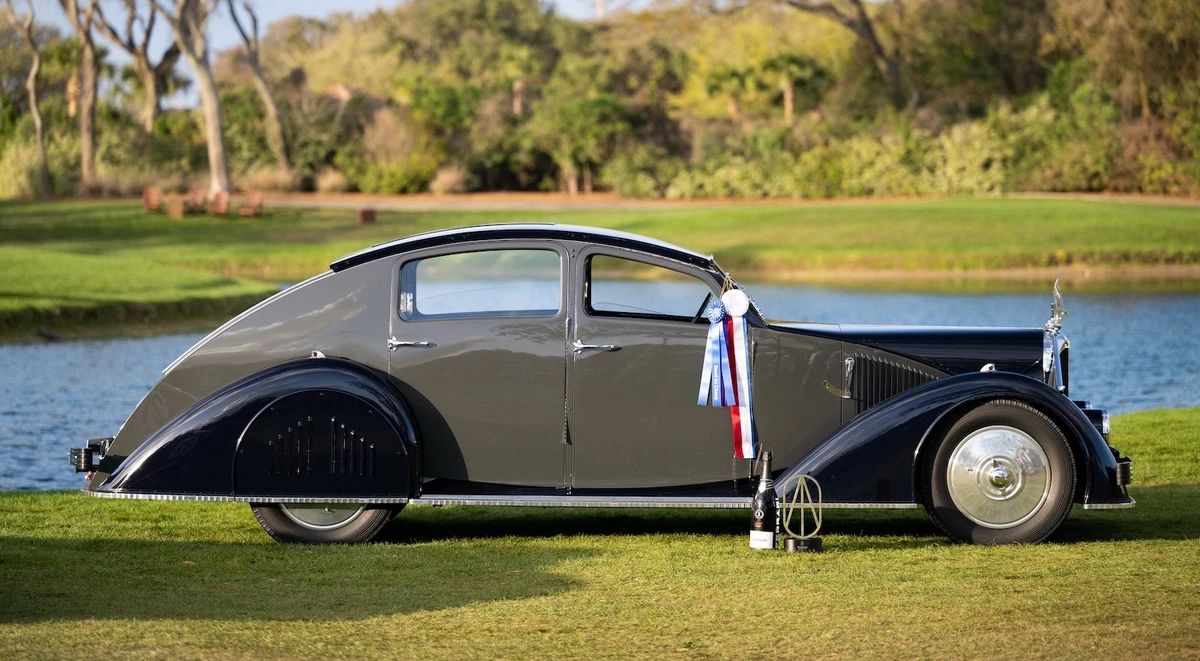
The very French 1935 Voisin C25 Aerodyne was selected as Best in Show Concours d’Elegance at The Amelia - opens in new window or tab. on March 6. The C25 was Avion Voisin’s “Car of the Future” in 1935, and automobile design is still catching up.
The extraordinary C25 example—part of Merle and Peter Mullin’s collection of French cars housed in Oxnard, Calif.—was first shown at the 28th Paris Salon d’Automobile in 1934.
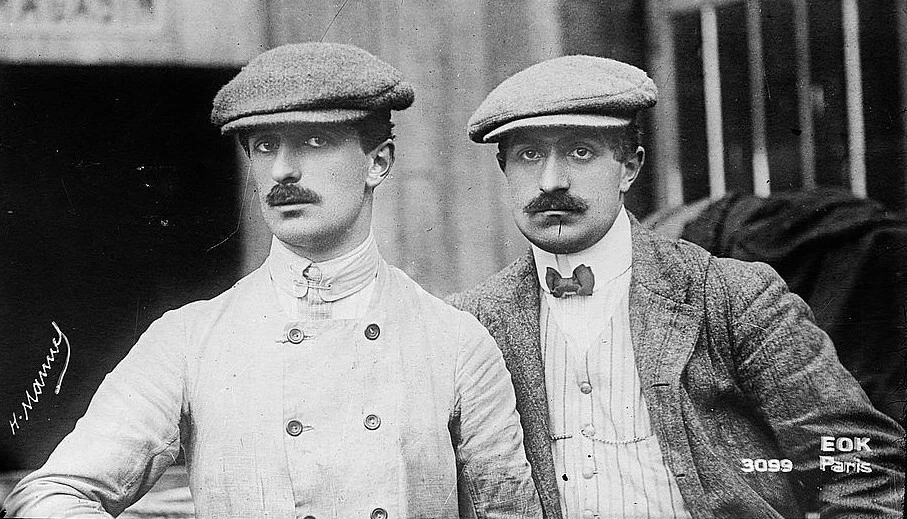
Voisin Brothers, 1906 (Photo: Library of Congress)
Like other automakers who came out of aviation, Gabriel B. Voisin was obsessed with lightweight materials and streamlining. He started producing cars south of Paris in 1919. Immediately, they stood out. Voisins feature art deco bodywork, flowing fenders, sharp corners, and just plain weirdness. There’s also plenty of technical innovation.
What Would DaVinci Drive?

The Voisin in the winner’s circle. (Photos: Josh Sweeney/Hagerty)
Paris-based American singer and dancer Josephine Baker and architect Le Corbusier were among Voisin buyers in the 1920s and 1930s.
Peter Mullin said of Voisin:
It is no overstatement to compare his genius, curiosity, and capabilities with those of Leonardo da Vinci.
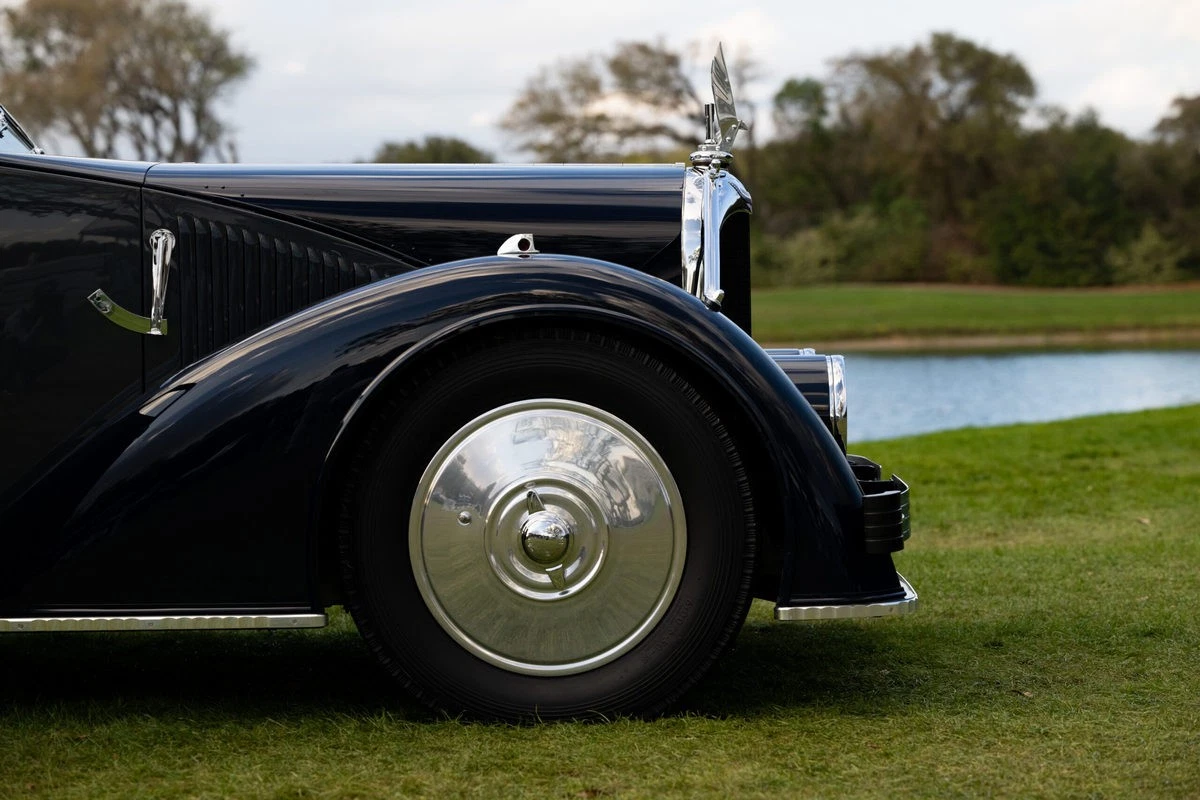
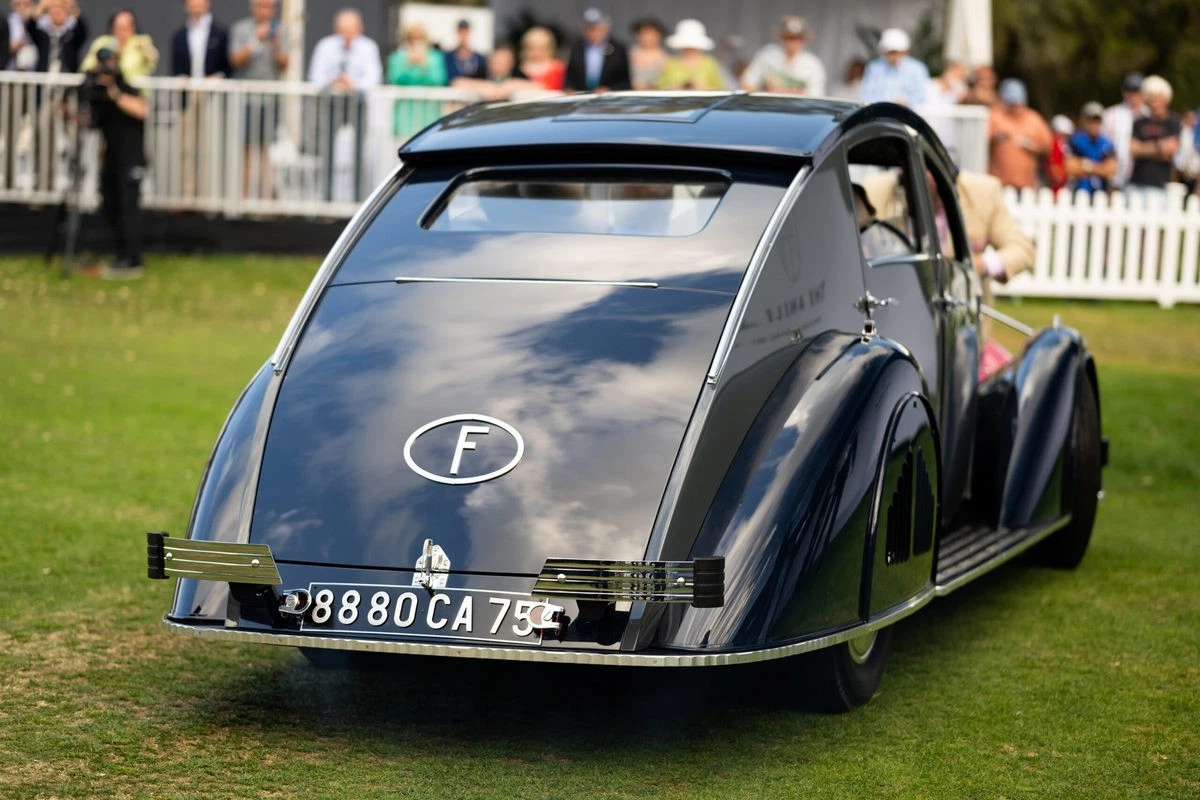
Voison cars, built with an underslung chassis, were lower to the ground than other cars of the period. Only 28 C25s were built. The one on The Amelia show field contains all the best elements of the model:
- Two-tone paint
- Headlights faired into the body
- A very high beltline
- Elaborate rear spats
- A retractable power roof
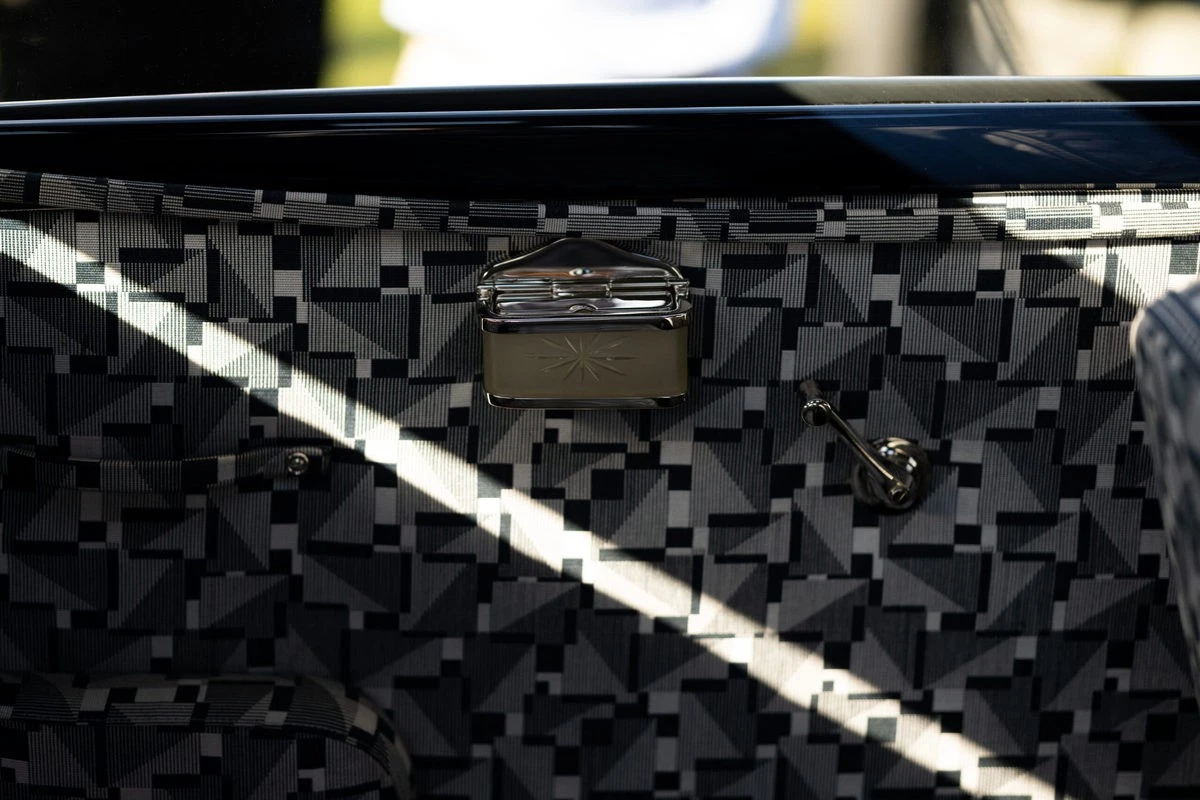
- A striking black, white, and gray patterned cloth interior
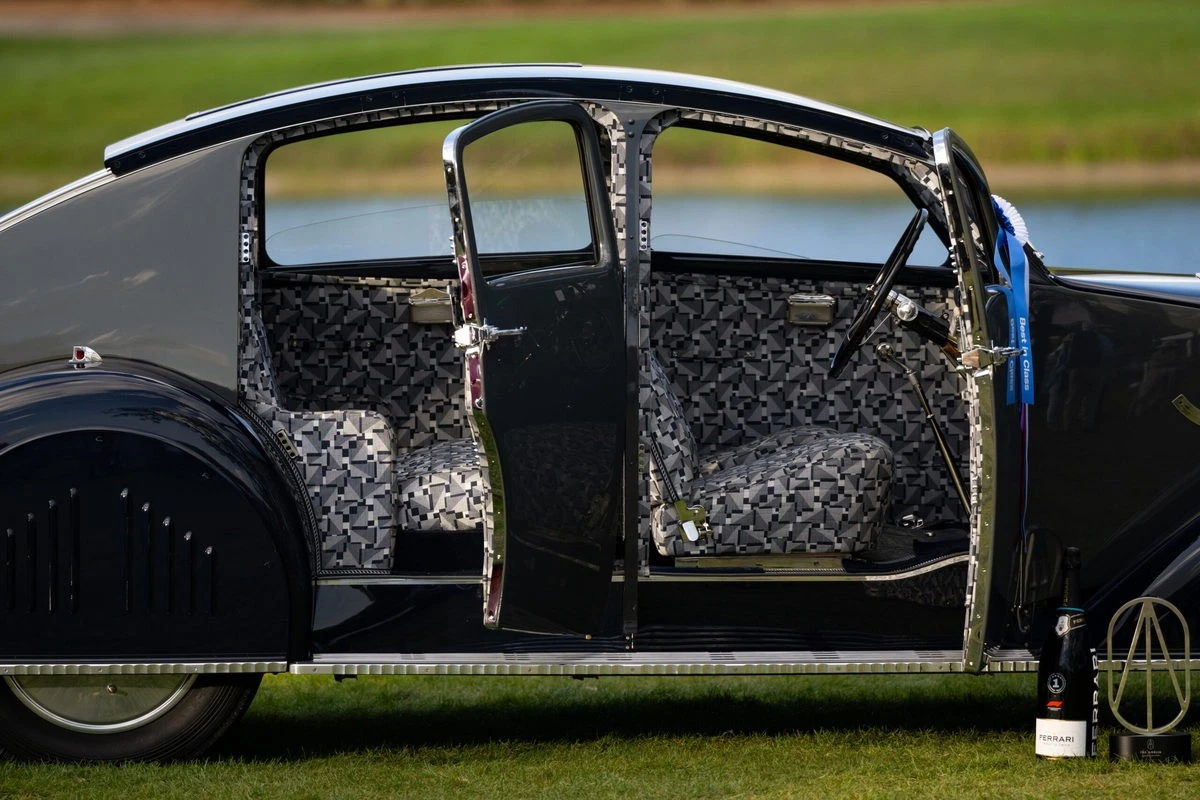
The doors feature ashtrays from Lalique - opens in new window or tab., makers of the era’s exquisite carved glass radiator mascots. The aero fenders are so thin they require support, but Voisin made these a distinctive styling element. The chrome struts extend from the tops of the fenders to the radiator grille.
Merle Mullin said:
I am blessed to be married to a passionate collector who has never restored a car with an eye to winning a prize. His intention is always to restore a car to its historical correctness. But winning a prize is always greatly validating.
Early Tech Innovation
C25 Voisins use Knight-type sleeve-valve inline-six engines - opens in new window or tab., which cause less stress than a standard pushrod arrangement. As a result, they also offer a quieter ride.
The engine is coupled to a two-speed gearbox with electromechanical overdrive. The radiator fan, driven by gears on earlier models, is belt activated. The window-studded roof on the Aerodyne opens and closes on the windshield top using a pneumatic system powered by a twin-cylinder suction engine in the trunk.
After founding his eponymous company, Voisin went to work for Citröen - opens in new window or tab., where he distinguished himself again via involvement in three groundbreaking models: the Traction Avant, the 2CV, and the DS.
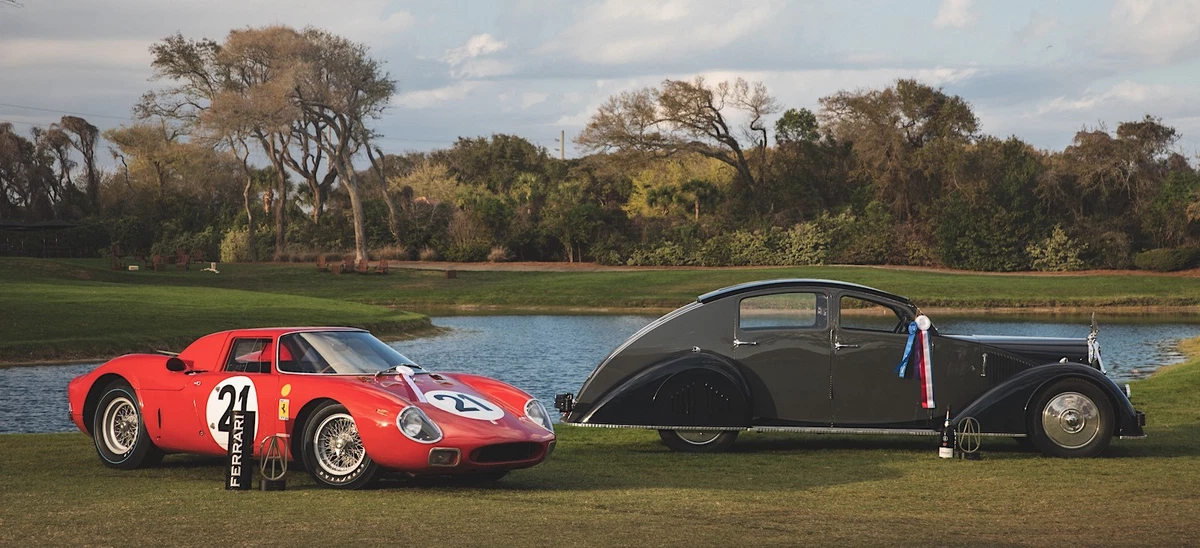
The two winners together.
The Voisin shared Amelia honors with a 1964 Ferrari 250 LM, the Concours de Sport winner. The 3.3-liter V-12-powered car, displayed by the Indianapolis Motor Speedway Museum - opens in new window or tab., was privately entered at the 24 Hours of Le Mans in 1965. Driven as part of the North American Racing Team (NART) effort by Masten Gregory and Jochen Rindt, the car was a surprise victor. It averaged 120.944 miles per hour over the 24 hours and returned to Le Mans in 1968 and 1969.
Related:
About the author

Share your feedback
This article is meant to provide general guidance only. Automotive maintenance, repair, upgrade, and installation may depend on vehicle-specifics such as make and model. Always consult your owner's manual, repair guide for specific information for your particular vehicle and consider a licensed auto-care professional's help as well, particularly for advance repairs.