1928 Ford Speedster Is the Ticket to Vintage Racing
Performance
Motorsports
Classics
American
From its earliest days, automobile racing has been about reaching high speeds while avoiding danger. Even Henry Ford took to the track when developing his early production cars. His goal was to test vehicle reliability when pushing velocity to the limit. And Mr. Ford won customers by showing how his cars performed as racers.
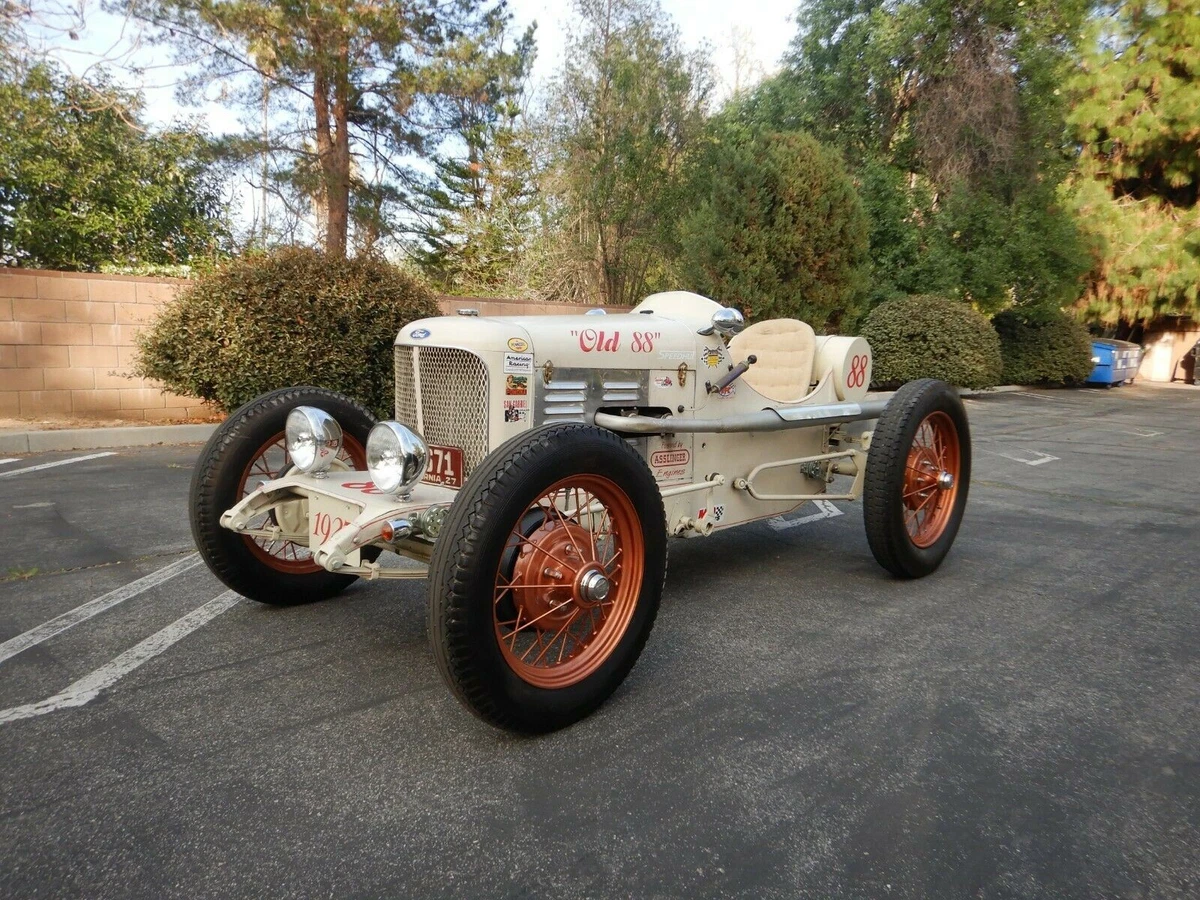
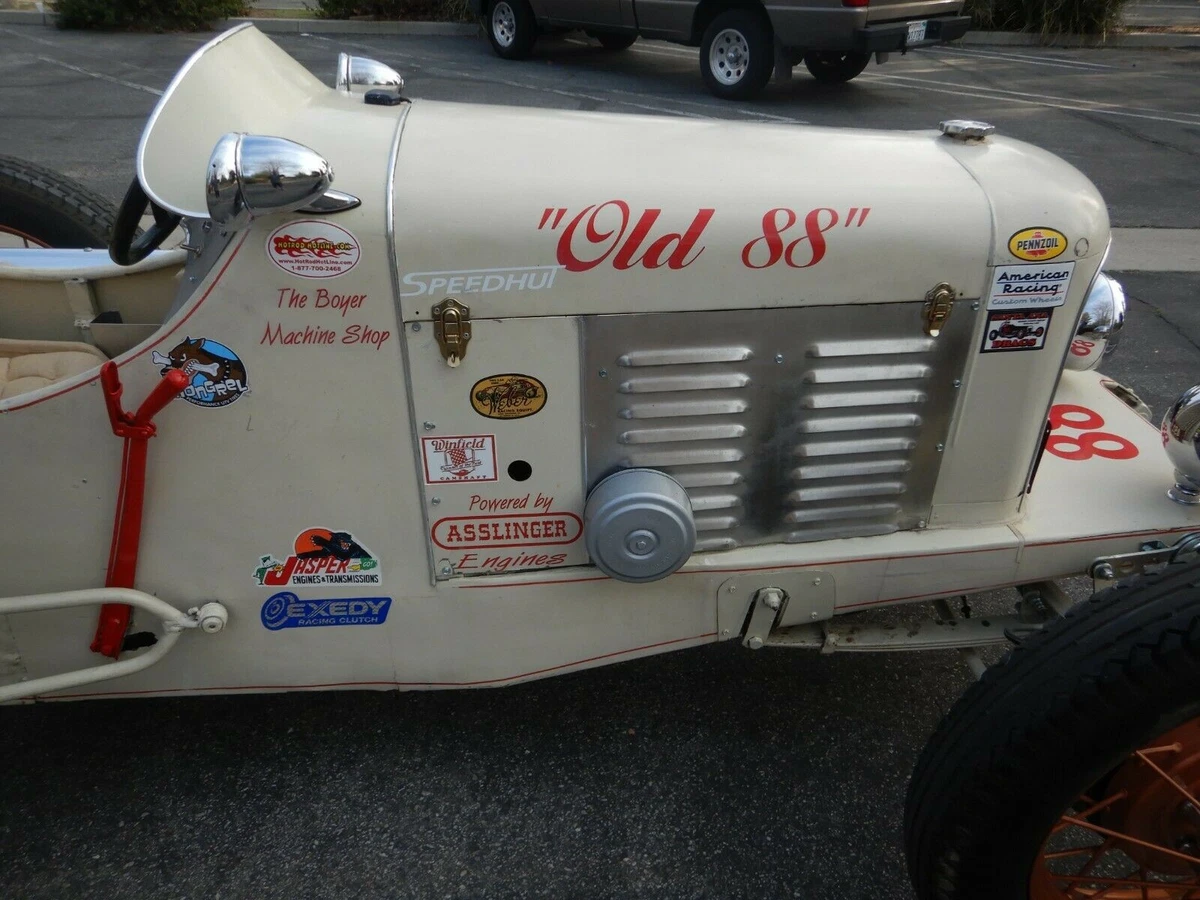
This 1928 Model A race car, recently listed on eBay, is a tribute to those Ford race cars from the early 20th Century.







item 1 of 24
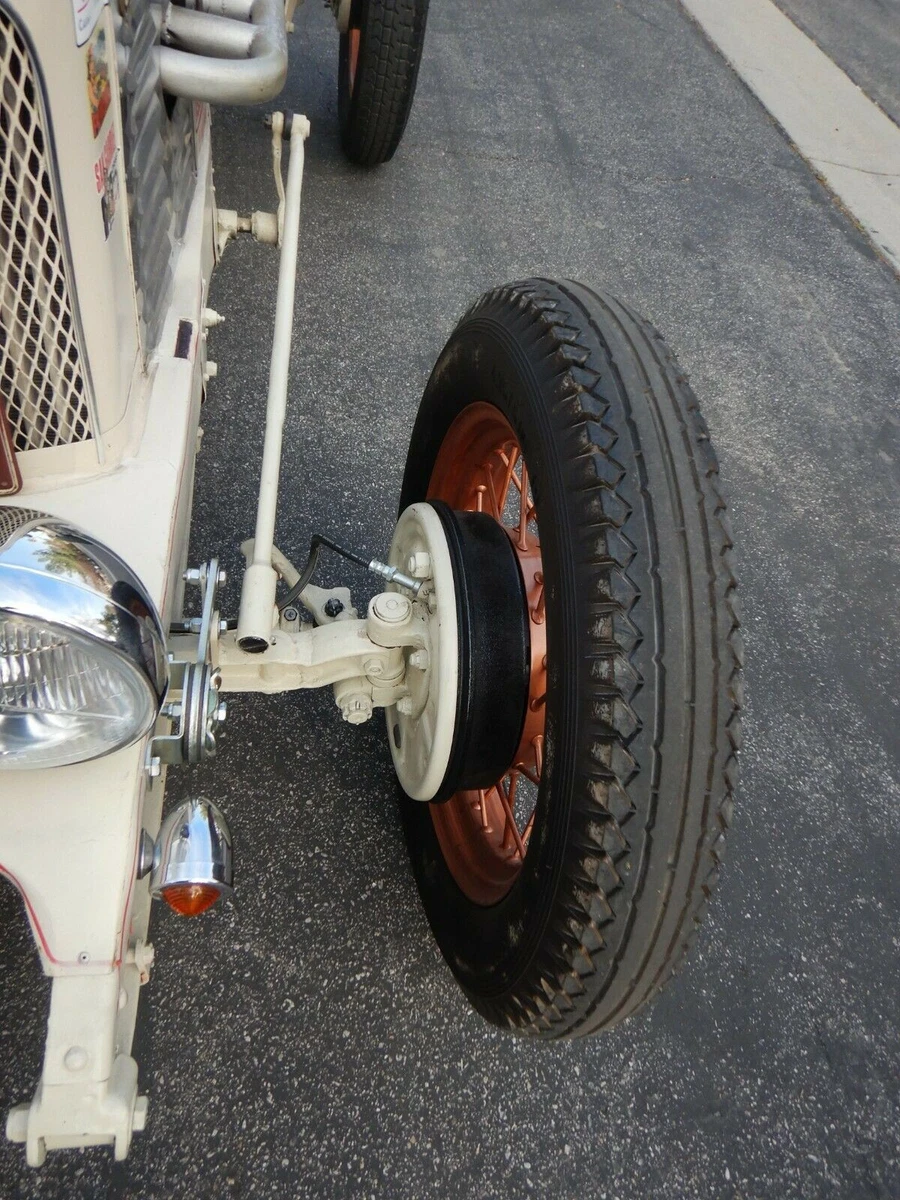
Speedsters like this one were among the first hot rods that owners could also use for everyday transportation. Purity is not the absolutely most important thing, although this example has its original chassis, suspension, and brakes. Most of the sheet metal looks original, but the hood appears to be fabricated. Because the VIN tag is still attached, the car is registered as a 1928 Ford.
No Frills

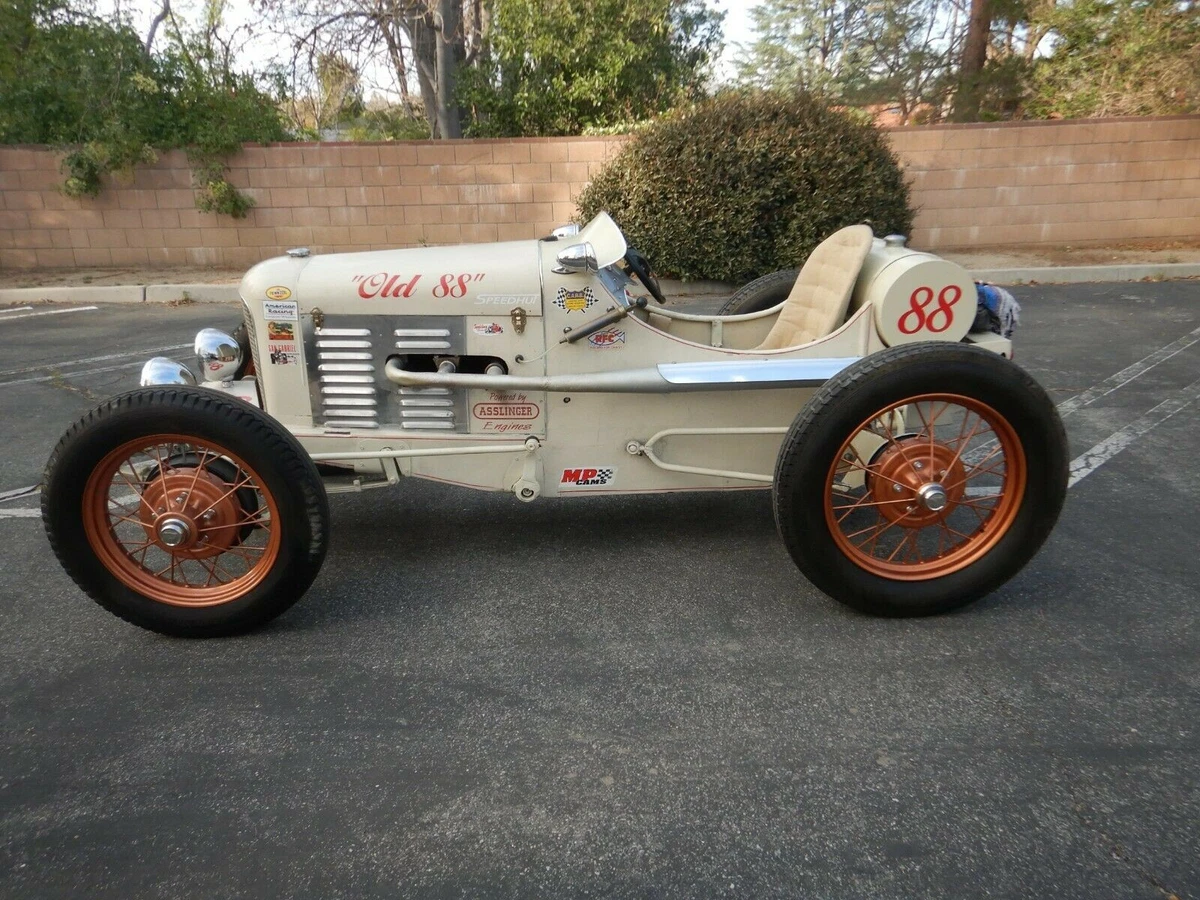
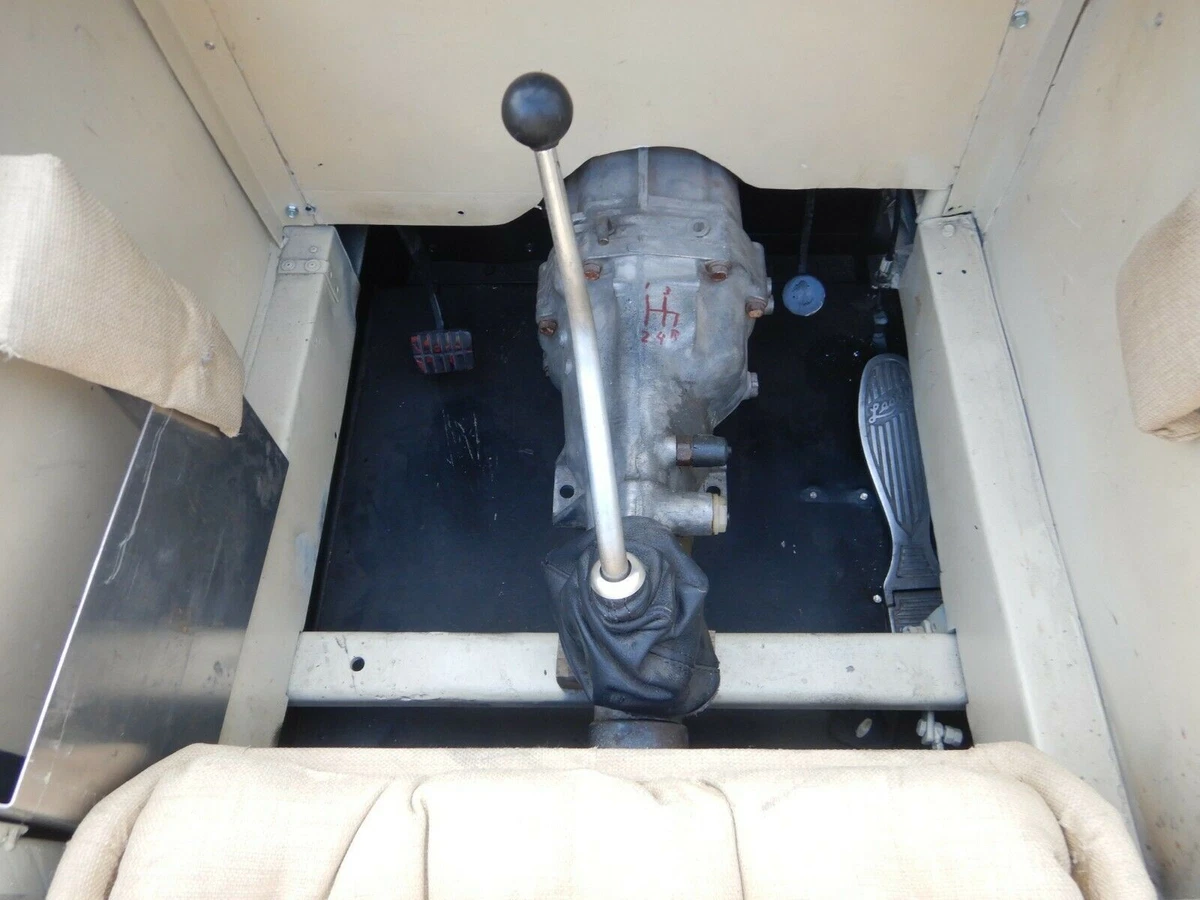
Most race cars from the era followed similar construction and design principles. A no-frills chassis and stripped-down body left barely enough room for the driver to shift, steer, and apply the brakes.
The 1928 Ford Model A on eBay follows the same form. It has headlights, taillights, turn signals, and rear-view mirrors for safe cruising on the street. But it’s mostly built for speed.
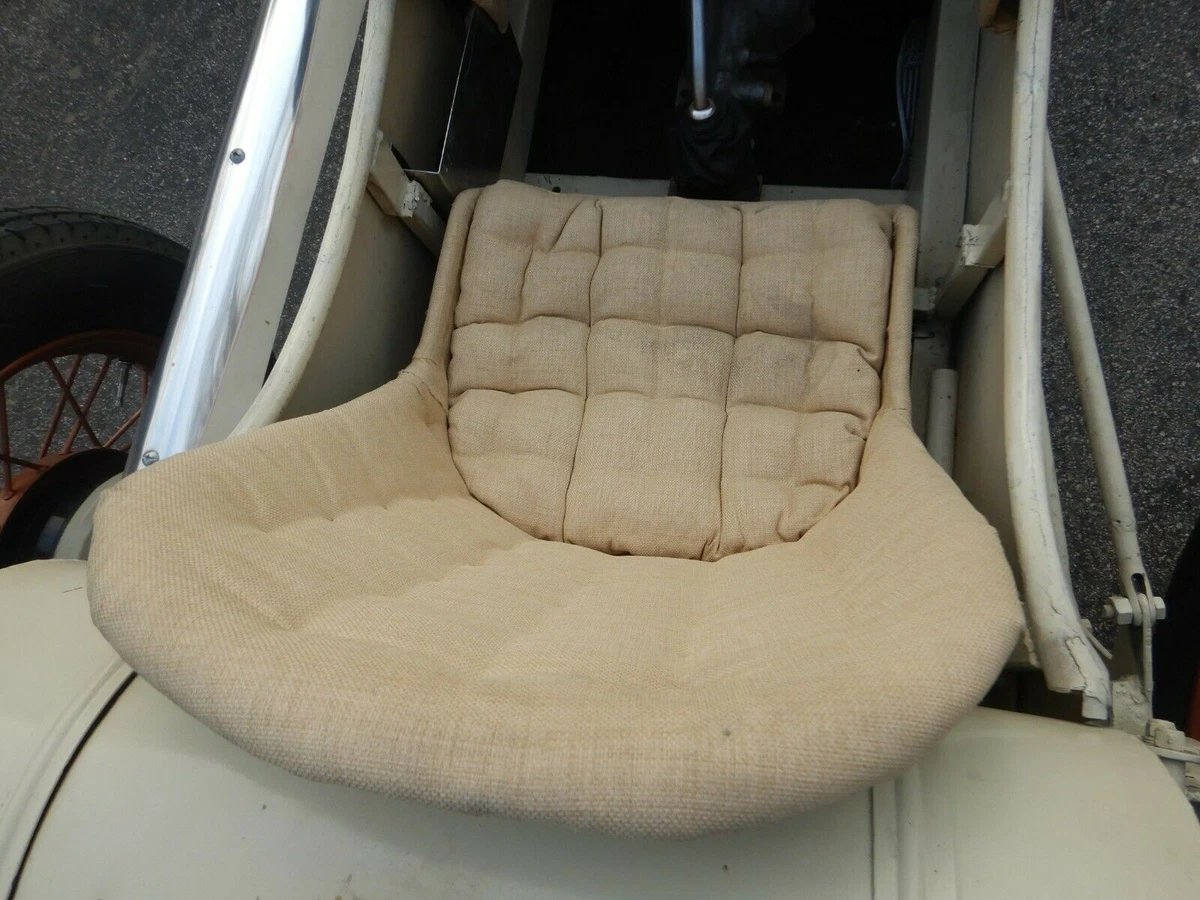
There are no doors, no fenders, no top, a single-seat, an abbreviated windscreen, and an open exhaust pipe. Drivers use the hand pump on the left side for applying air pressure to the gas tank—pushing the fuel a bit faster into the carburetor.
There is some wood structure for the doors and the cowl. The builder narrowed the body. (Ford never built a single-seater.)
Rising Popularity of Vintage Racing
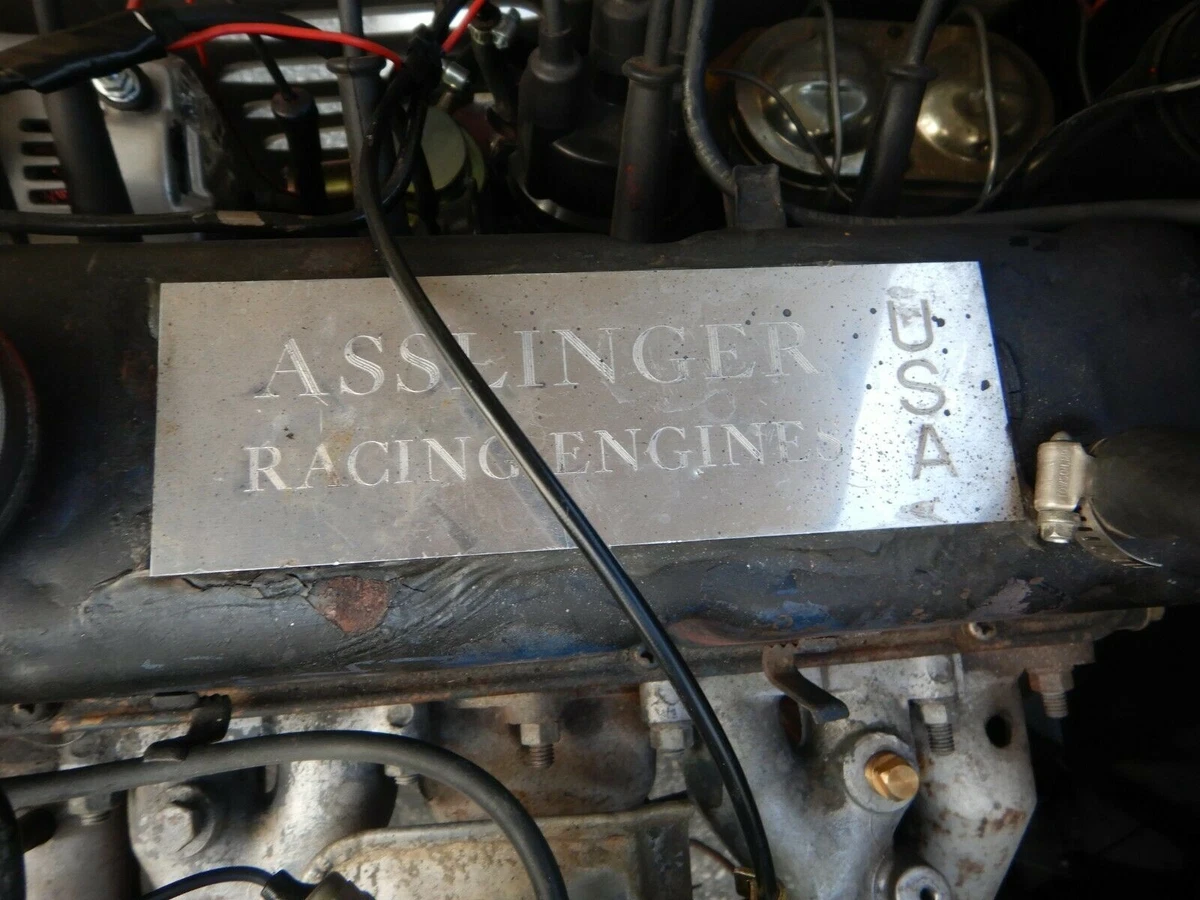
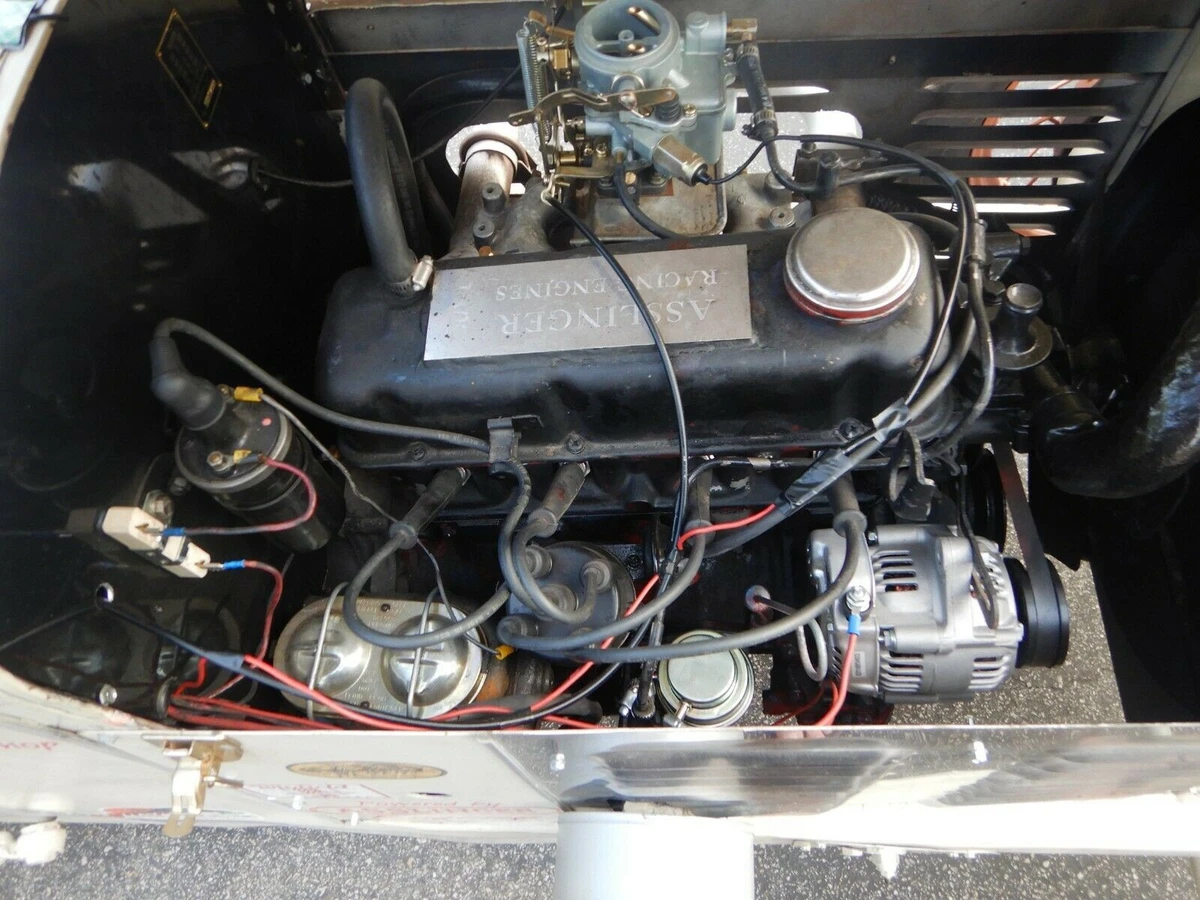
The Model A racer has a vintage appearance but places a modern rebuilt Nissan four-cylinder engine under the hood. That’s easier to maintain than an original Ford mill, although purists would be aghast. The seller says the gearing produces a “surprisingly very peppy” ride.
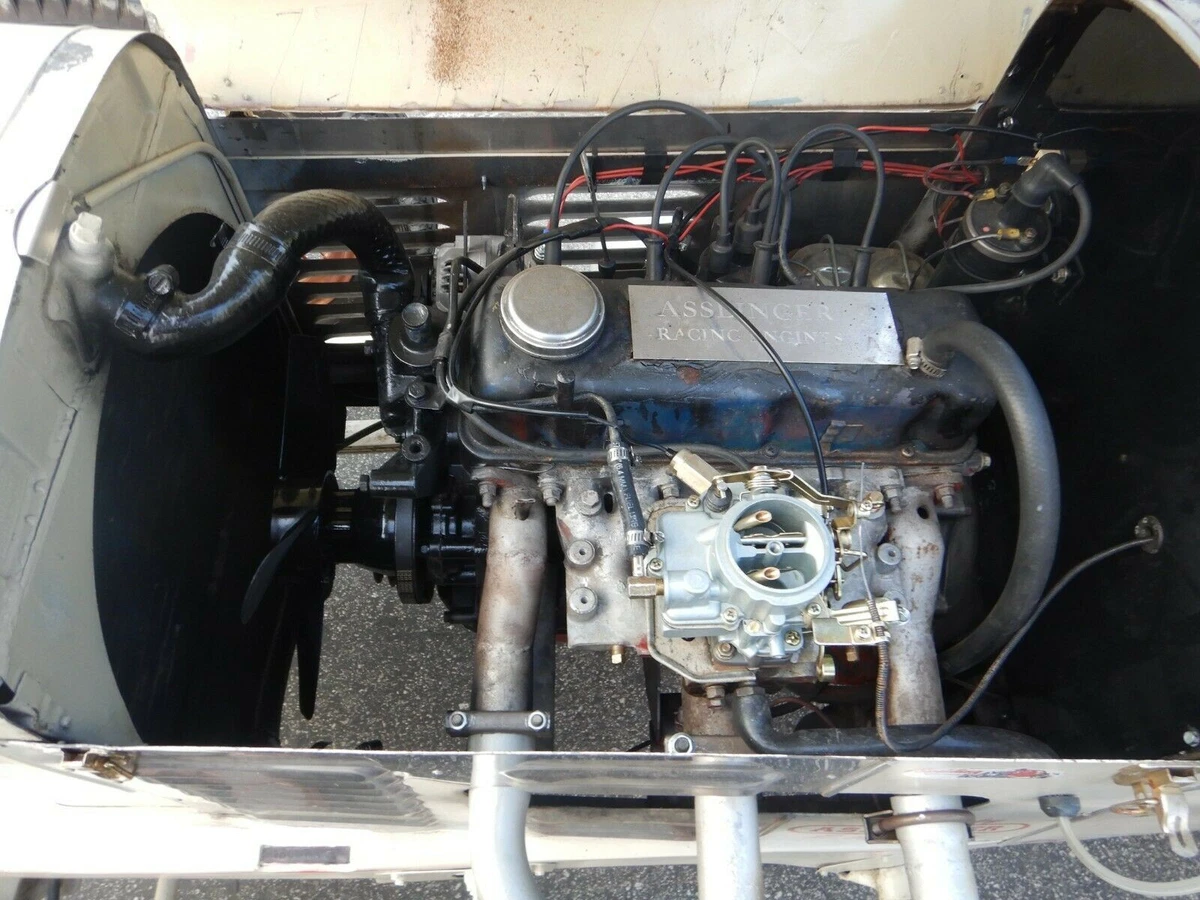
The rebuilt brakes are manual—not hydraulic. So you would need to get accustomed to its feel before traveling at a decent speed. Manual braking allows drivers to experience how racers did it back in the day. Drivers sitting high in the cockpit pushed plucky four-cylinders to the limit in two-by-two contests.
Mechanical brakes require a steady muscular push to get the brake pads to contact the brake cylinder. Some people love the vintage experience, but driving with sloppy steering, inconsistent braking, and an unusual seating position can be exhausting.

A growing number of enthusiasts love the style from nearly a century ago. There are large clubs like the Northwest Vintage Speedsters - opens in new window or tab. in Portland, Ore. And popular vintage events, such as The Race of Gentlemen - opens in new window or tab., organize beach races on the Jersey shore.
Souped-up race cars from various decades are usually represented at vintage competitions. Speedsters from the 1920s are crowd faves. The Race of Gentleman doesn’t allow cars built after 1930.

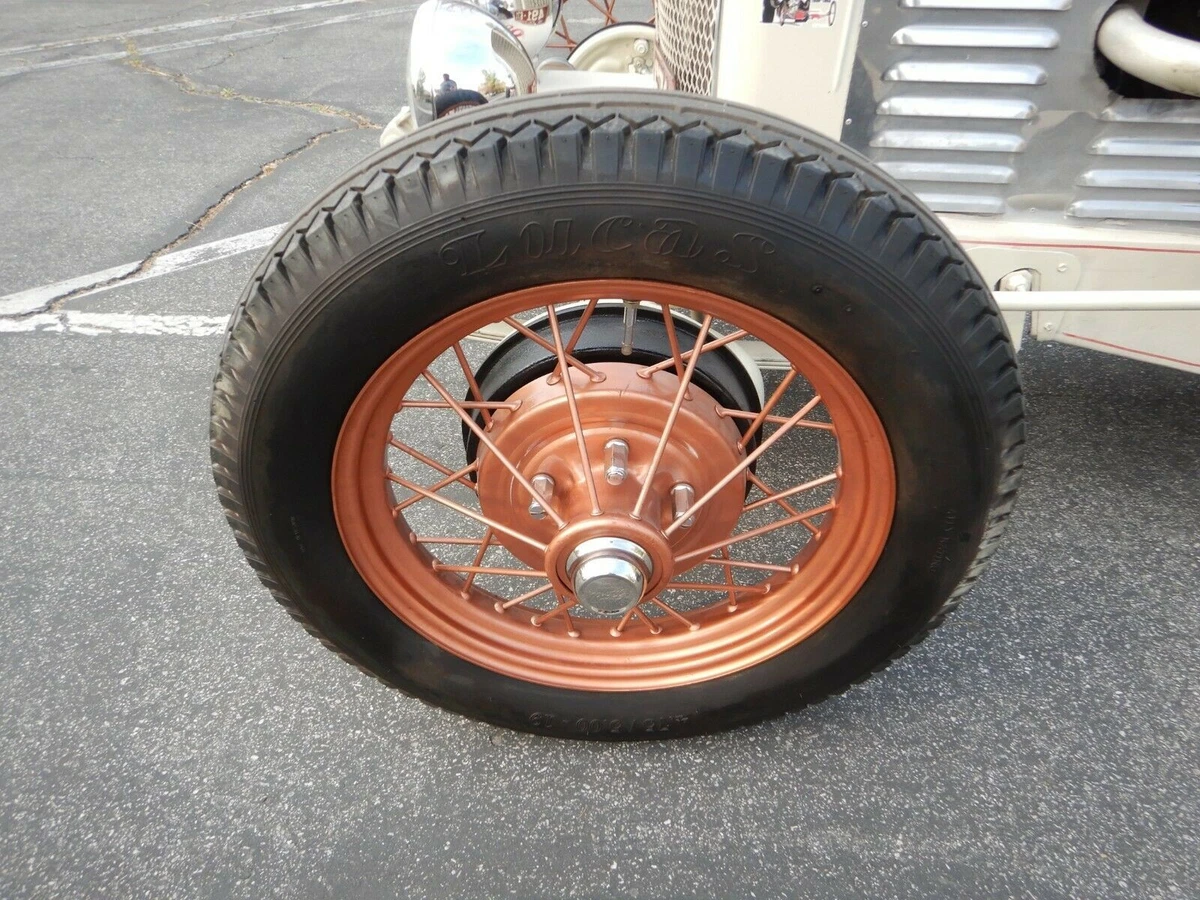
The exterior appearance of this ’28 Speedster—with its skinny wheels—checks all the boxes for vintage racing. Meanwhile, drivers of this car benefit from a few modern conveniences, such as its contemporary dashboard gauges - opens in new window or tab..
This 1928 Ford race car could be your ticket to vintage racing. Winners get nothing more than bragging rights. But the beauty of these automobiles—and the drama of pushing them to speed—is a priceless experience.
About the author

Share your feedback
This article is meant to provide general guidance only. Automotive maintenance, repair, upgrade, and installation may depend on vehicle-specifics such as make and model. Always consult your owner's manual, repair guide for specific information for your particular vehicle and consider a licensed auto-care professional's help as well, particularly for advance repairs.