Thanks to improved technology and materials, 100,000 miles is now more of a maintenance milestone than a replacement point for most modern vehicles.
Once your odometer hits 100,000 miles, consult your owner’s manual for the manufacturer’s recommended services. Here are the most common tasks needed to keep your vehicle running strong. Some items should be replaced. Others require careful inspection.
What you’ll need
 Tires$165 - $505price range
 Brakes$25 - $220price range
 Exhaust$320 - $720price range
 Fluids$5 - $180price range
 Suspension and steering components$60 - $390price range
 oil filter$1 - $80price range
 fuel filter$5 - $100price range
 brake hoses$10 - $95price range
 belt tensioner$15 - $75price range
 air filter$10 - $55price range
- serpentine belt$15 - $75price range
- cabin air filter$10 - $55price range
 timing belt$5 - $135price range
Replacement Items

Timing belts have roughly a 100,000-mile lifespan. If it breaks, it can lead to catastrophic engine failure.
Timing belt - opens in new window or tab.: The timing belt is one of the engine’s most important components. It links the engine’s crankshaft and camshaft(s), ensuring the correct timing of the valvetrain with the pistons’ operation.
Most modern engines, especially four- and six-cylinder engines, use rubber timing belts. By 100,000 miles, the belt must be replaced. Some manufacturers recommend a change at 60,000 miles. It is vitally important to follow this recommendation at the correct mileage interval. A broken timing belt will destroy an engine in most cases.
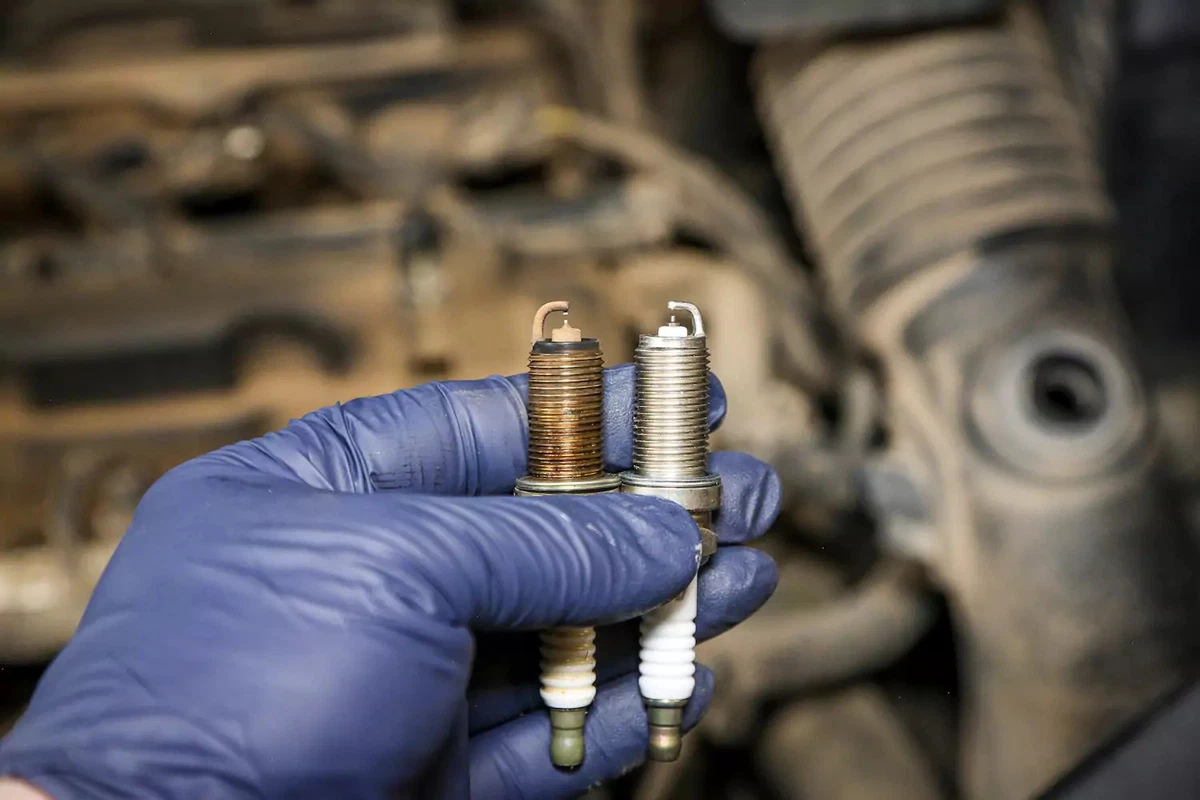
Most spark plugs last 100,000 miles before they get weak and worn out. This service usually restores a little pep in performance and improves fuel economy.
Spark plugs - opens in new window or tab.: Modern precious-metal spark plugs (iridium, platinum, etc.) have a usable life of about 100,000 miles. This is a must-do for any vehicle at this mileage interval.
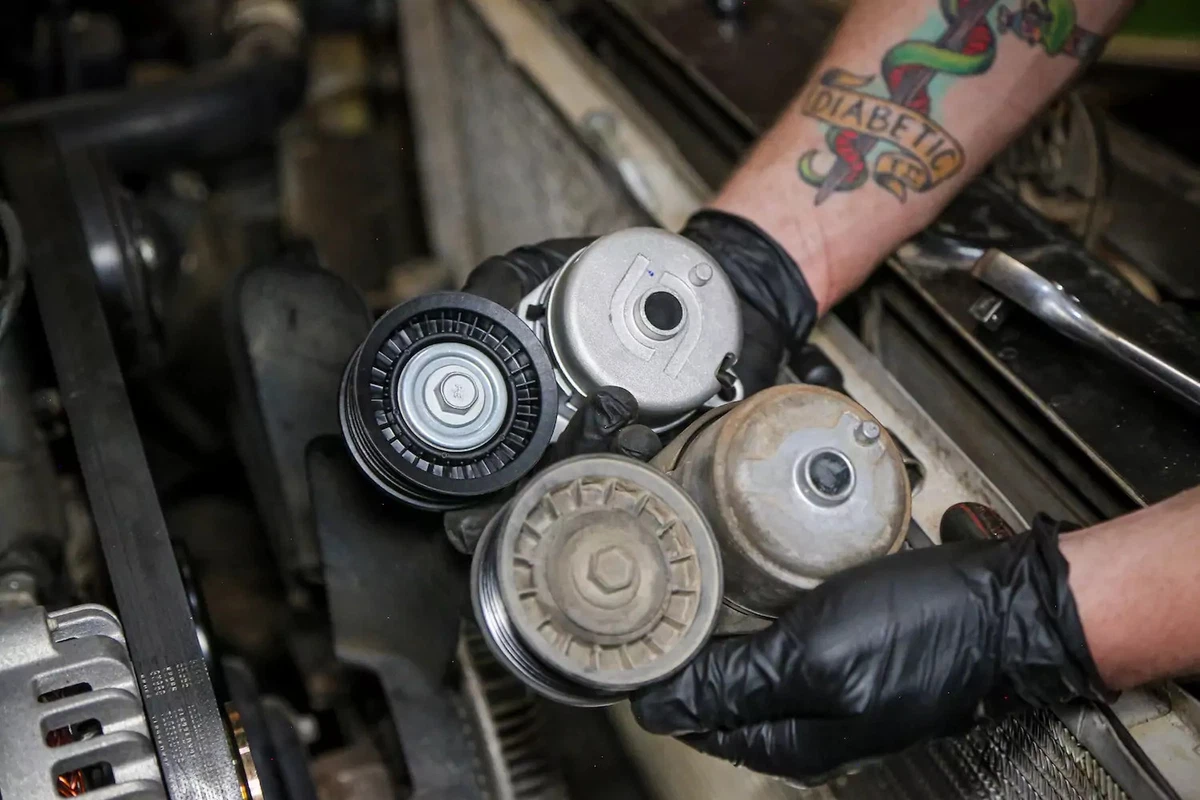
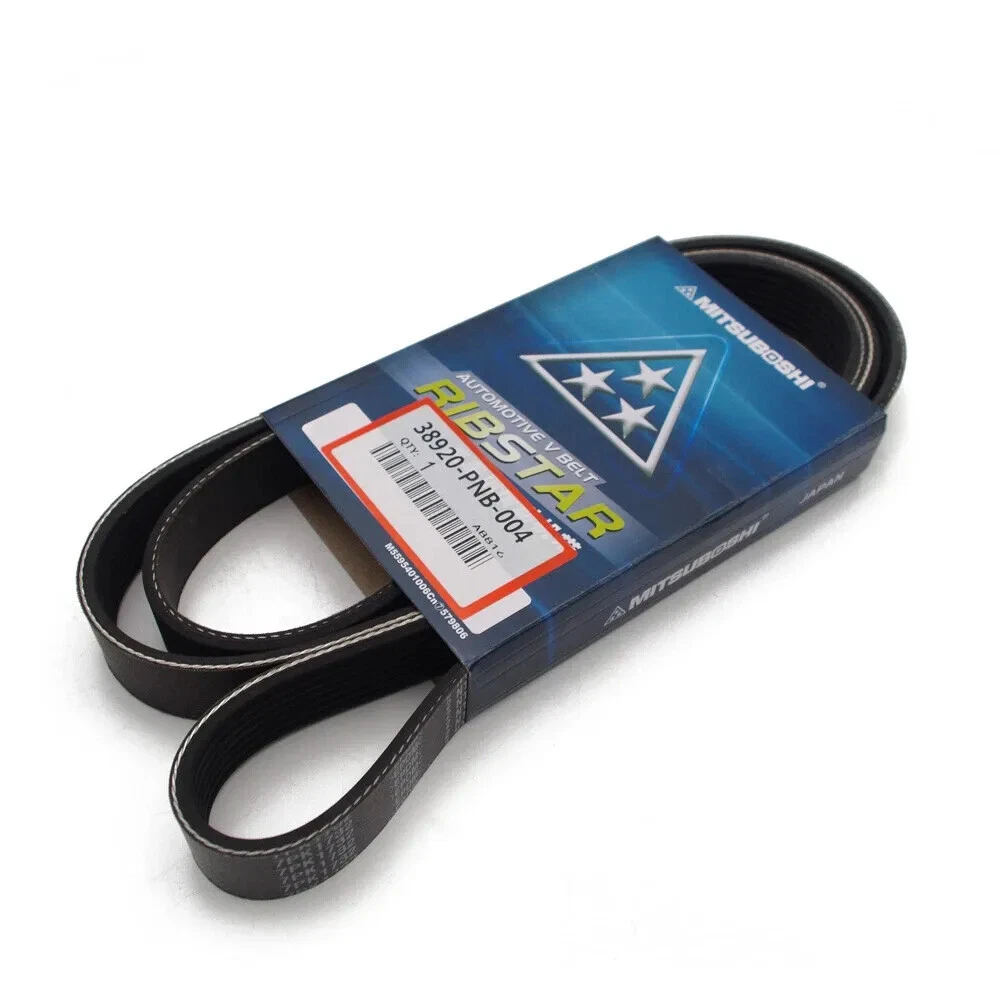
The serpentine belt, along with the tensioner and idler (if equipped), should be replaced at this point as well.
Serpentine belt and hoses: At 100,000 miles, the serpentine belt (or V-belt) is likely barely hanging on - opens in new window or tab.. Replace it now. The same applies to the major hoses, including heater and radiator hoses. Inspect vacuum lines and replace them if cracked or damaged. Don’t forget to change the belt tensioner and idler if equipped.
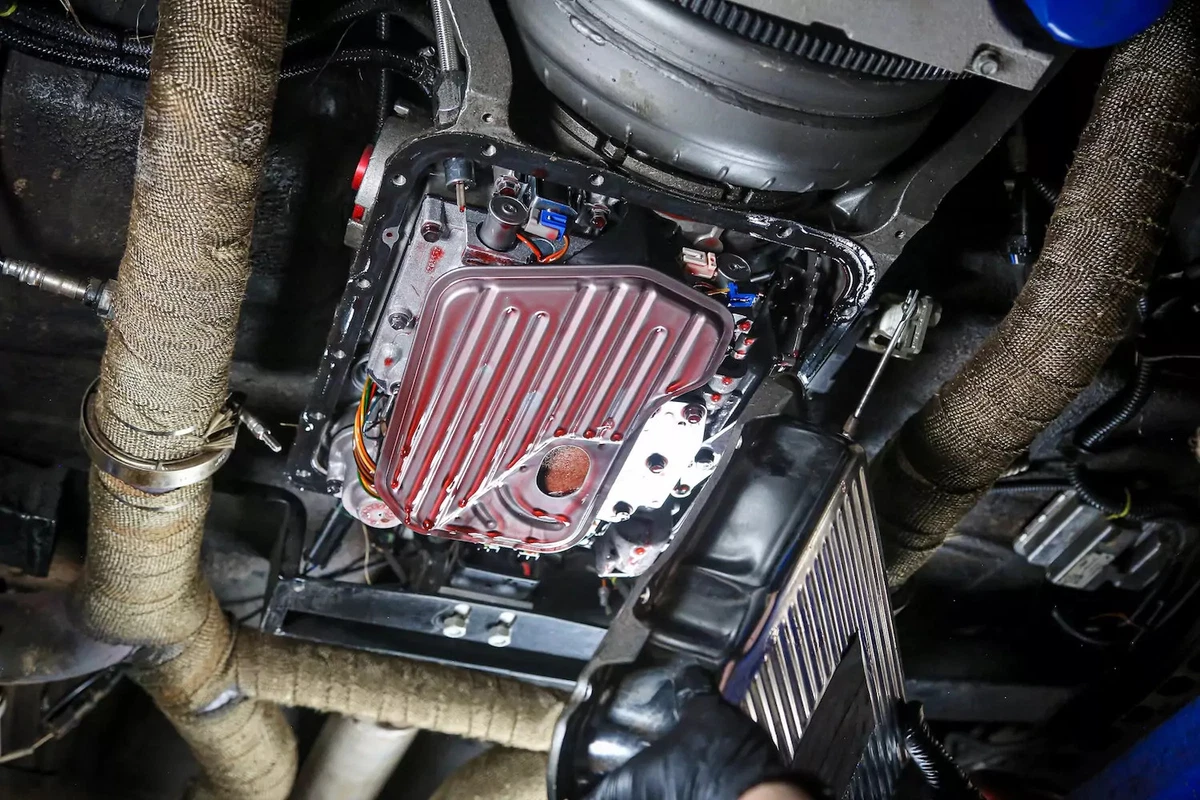
Most manufacturers recommend changing the transmission fluid by 100,000 miles. Don’t put this off. Fresh fluid will relieve stress on the internals.
- Brake fluid
- Coolant
- Differential oil
- Engine oil
- Power steering fluid
- Transmission fluid
Changing brake fluid is an important service that is often skipped, with bad results. Brake fluid absorbs water over time, which reduces its effectiveness.
Filters: These filters should also be changed:
- Cabin air filter
- Fuel filter(s)
- Oil filter
Inspect These Components
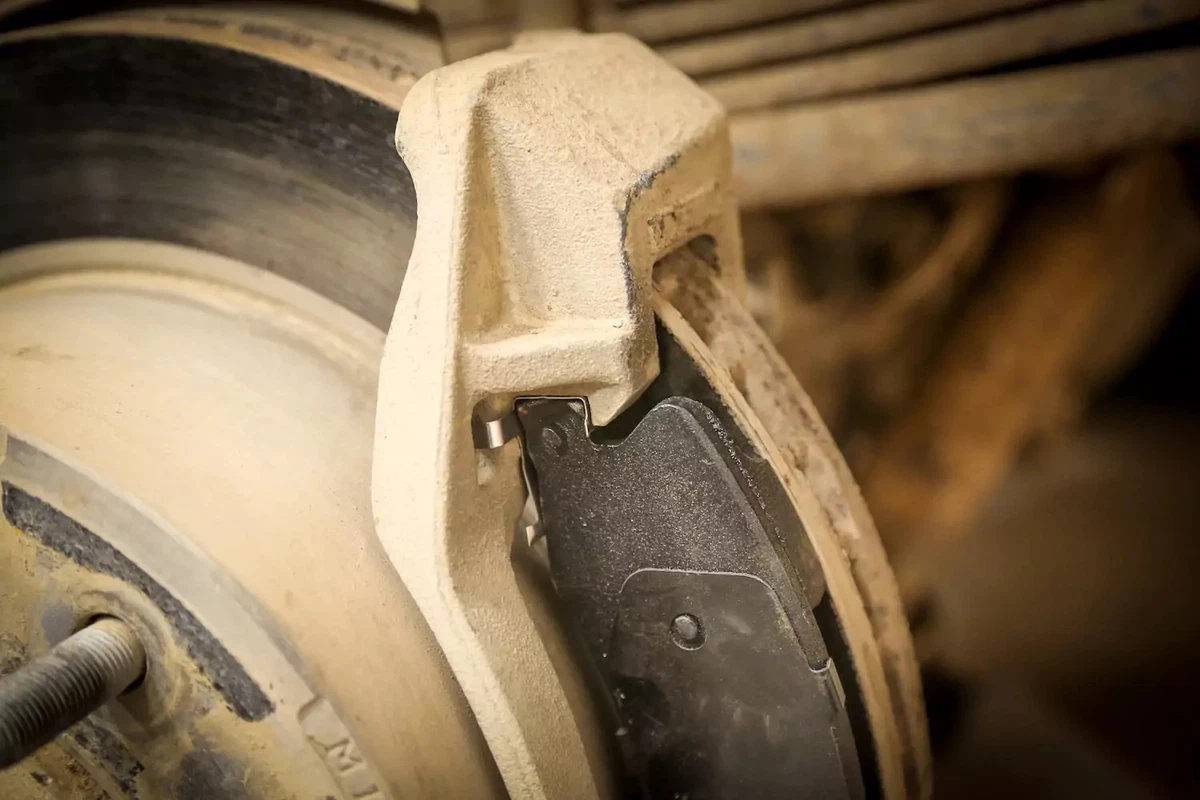
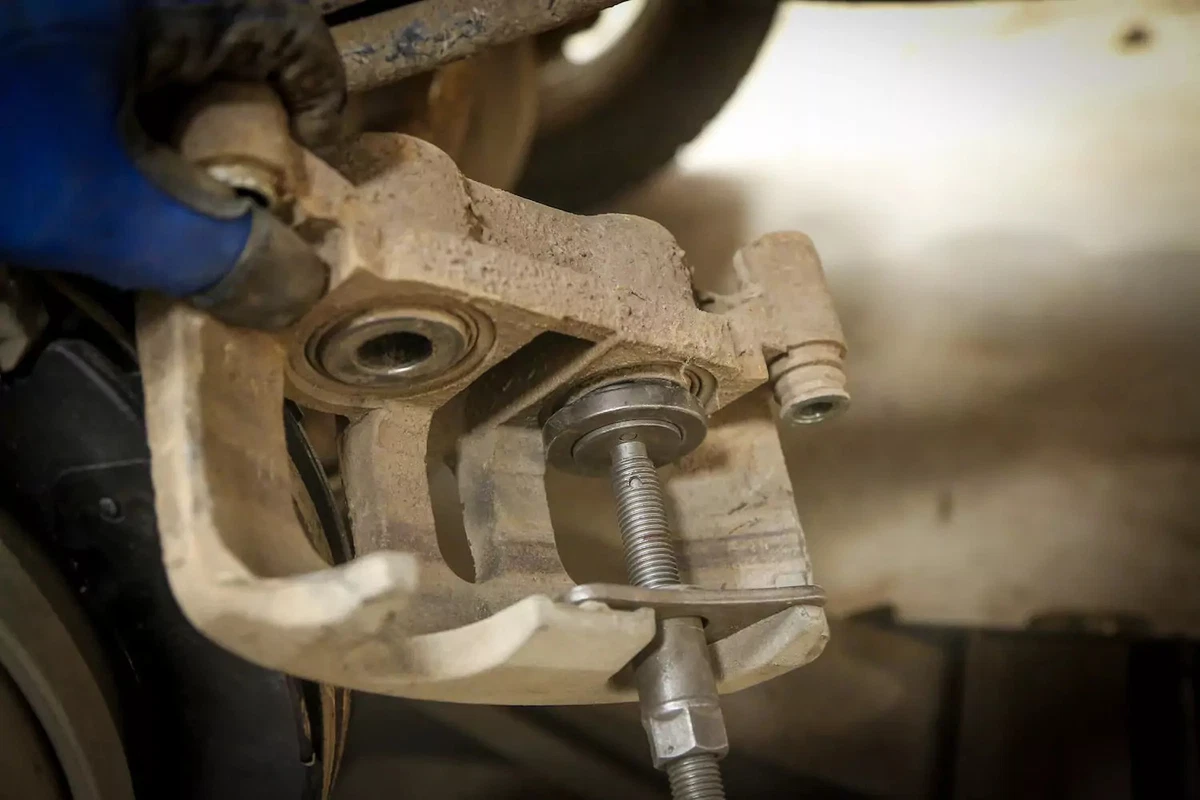
Pop the brake calipers off and check the pads for wear. Replace as needed.
You should inspect the following for damage and wear.
Brakes - opens in new window or tab.: Check the pads for wear. In most cases, they should be replaced, as you have to remove the pads to inspect them.
Check the brake hoses for cracks, splits, or damage. Replace a hose with any damage.
Look for leaks along the hard lines and at every fitting junction. Calipers should be inspected for wear and/or cracks at the seal(s). Replace anything that appears deficient.
Tires - opens in new window or tab.: At 100,000 miles, you have likely gone through two to three sets of tires and are approaching the time for another set. Look for weather cracks, uneven wear, missing chunks, and wear indicators. Replace as needed.
If the tires have uneven wear, the culprit is likely in the steering or suspension.
Suspension and steering components - opens in new window or tab.: Check all suspension and steering systems. Push the vehicle down at each corner a few times to compress the shocks. Let it bounce until it settles. A good shock will rebound and settle immediately; a bad shock will bounce longer.
Inspect bushings for cracking, splitting, and wear. Grease all serviceable joints and bushings. Grease boots should be intact without cracks or splits. Tie-rods should feel solid, not loose or have any play. Ball joint boots are critical. If they are damaged, the entire joint needs to be replaced. Check out our articles/videos on tie rods and ball joints for more information.
Exhaust - opens in new window or tab.: Your exhaust is likely still in great shape. But cars that make mostly short trips are good candidates for rust issues in the exhaust. Look under the car for signs of exhaust leaks (black marks around joints) and holes in the pipes or muffler(s). Misshapen pipes or mufflers are signs that the engine has backfired badly enough to cause the exhaust to balloon. Check the hangers for damage as well.
Is 100,000 Miles a Lot for a Car or Truck?
That depends on the vehicle. Modern engines and vehicles as a whole are designed to last 250,000 to 300,000 miles. Some vehicles have a much lower lifespan. These tend to be high-performance vehicles that need more frequent maintenance. Older vehicles weren’t designed to last as long, which is why the 100,000-mile mark is still ingrained in our minds.
What Can You Do to Extend Your Vehicle's Life?
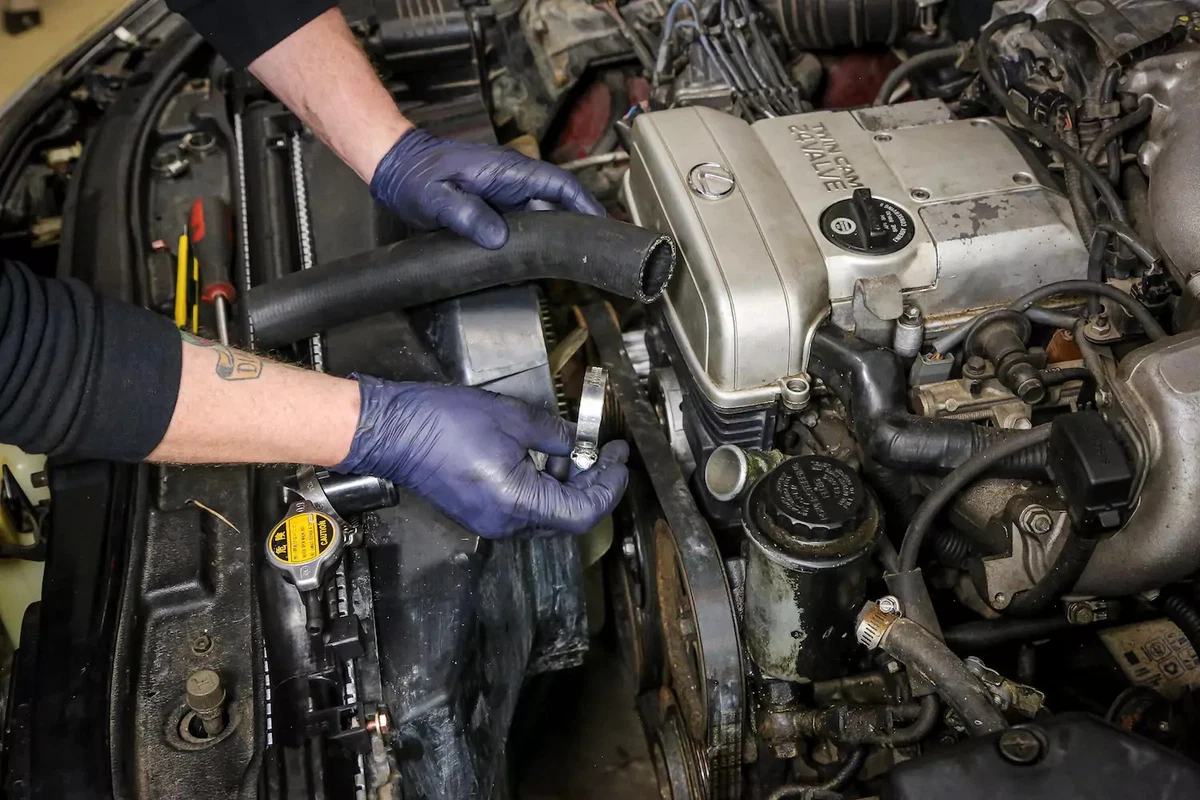
A busted hose can kill your day and your engine. The 100,000-mile mark is a great time to replace all the major hoses.
While your vehicle should operate as well at 100,000 miles as it did at 50,000 miles, a few things can help you get the most out of your vehicle.
Switching to a high-mileage oil is worth considering. High-mileage oils contain detergents that help an older engine run cleaner and additives that rejuvenate seals to prevent leaks.
After 100,000 miles, some bigger consumables start to fail, such as the alternator, power steering pump, master cylinders, etc. Pay attention to the signs of failure so you can address a problem before it leaves you stranded.
After the 100,000-mile interval, keep an eye on components that often start to fail:
- Brake master cylinder
- Power steering
- Water pump
Just like a middle-aged human body, certain components tend to wear a little more quickly as they age. But with proper maintenance and care, your vehicle should be able to hit 200,000 miles or more.
About the author
Share your feedback
This article is meant to provide general guidance only. Automotive maintenance, repair, upgrade, and installation may depend on vehicle-specifics such as make and model. Always consult your owner's manual, repair guide for specific information for your particular vehicle and consider a licensed auto-care professional's help as well, particularly for advance repairs.
Shop project essentials
- Tires$165 - $505price range
- Brakes$25 - $220price range
- Exhaust$320 - $720price range
- Fluids$5 - $180price range
- Suspension and steering components$60 - $390price range
- oil filter$1 - $80price range
- fuel filter$5 - $100price range
- brake hoses$10 - $95price range
- belt tensioner$15 - $75price range
- air filter$10 - $55price range
- serpentine belt$15 - $75price range
- cabin air filter$10 - $55price range
- timing belt$5 - $135price range
Recommended for you
Find answers and inspiration
How to Buy the Right Heater Core
5 min read
Expert Advice for Checking Your Vehicle’s Engine Oil Level

6 Ways to Dress Up Your Engine

A Breakdown of Different Types of Braking Systems

How to Choose the Best Shock Absorbers
8 min read
Reasons to Switch to a Performance Shock

Diagnosing and Replacing a Bad Car Starter

The Right Tools to Clean Your Fuel Injectors
6 min read
How To Remove Rust on Rotors
Selecting the Right Coolant for the Next Flush
5 min read
How to Replace an Exhaust Gasket
9 min read
How to Buy the Best MAF Sensor
4 min read
Ignition Wire Buying Guide
6 min read
A Complete Guide to Cylinder Heads

A Quintessential Monster Miata with a Mustang V-8

How to Buy the Right Ignition Coils
7 min read
How to Replace Brake Fluid
10 min read
How to Change an In-Tank Fuel Pump
9 min read
How to Diagnose and Repair Your Parking Brake

How to Buy the Right Transmission Fluid
5 min read
Interpreting Engine Codes Is Easy With Right OBD Reader
How Rack-and-Pinion Steering Works

How to Clean a Carburetor

How to Replace a Fuel Filter
7 min read
Types of U-Joints and When They Go Bad
6 min read
An Intro to Flushing Your Power Steering Fluid
5 min read
Understanding Your Car's Idler Pulley
4 min read
How To Fix a Crankshaft Position Sensor Wiring Harness
7 min read
How to Replace a Brake Hose

When to Replace Your Exhaust Manifold Gasket
6 min read
An Overview of Car Engine Parts
5 min read
What Is a Camshaft Position Sensor?

All About Cat-Back Exhaust Systems
6 min read
The Essential Role of Sway Bars

4 Easy DIY Upgrades of Your Car's Ignition System

Car Radiators 101: How Do They Work?

Everything You Need to Know About Fuel Filters
6 min read
5 Small Car Maintenance Tasks To Prevent Big Problems Later

Brake-Rotor Problems: Machining Versus Replacing

How to Replace Wheel Bearings
7 min read
Spotting Intake Manifold Gasket Problems
7 min read
Custom Exhaust Tips: Make a Statement with Your Tailpipes

Remote Car Starters Warm Up the Cabin Before You Get In

What to Expect From an Emissions Test

All About Mass Air Flow Sensors

How to Find and Fix an Exhaust Leak

What You Need To Know About Transfer Case Fluid
4 min read
Buying the Right Transmission Fluid and Filter
4 min read
How Much Does an Alternator Cost?

Get Your Classic Car Ready for Winter

Engine Air Filter Change 101

Why Everybody Hates a CVT Gearbox But You Shouldn't

Engine Blocks: Everything You Need to Know
What Are Common Brake Caliper Positions?

Choosing the Right Brake Fluid for Your Vehicle
5 min read
What Are Your Brakes Trying to Tell You?

Deciding to Buy Original or Aftermarket Auto Parts: Quality and Selection

How an Oil Pump Works

A Guide to Brake Pedals

How To Gap a Spark Plug

Enhance Your Car’s Performance with a Brake Upgrade

Brake Master Cylinder Replacement: Step-by-Step
10 min read
Why Your Car Won’t Start

Performance Mods for the Nissan Leaf

What You Should Know About Cylinder Heads

How to Replace Ignition (Spark Plug) Wires
5 min read
Brake Rotor Comparison: Vented, Drilled or Slotted?

4 Types of Water Pumps

Signs of a Bad Car Battery vs. Alternator

Electric Power Steering Conversion: A Definitive Guide
How to Buy the Right Steering Gearbox
5 min read
What Is a PCV Valve? And How to Replace One

Radiator Upgrades for Reliability and Performance

Engine Oil Flush 101
A Quick Guide to Your Car's Water Pump
6 min read
Online Videos Are a Game-Changer for DIY Car Repair

When to Replace Your Drive Belt
6 min read
Toyota Pickup Accessories and Upgrades: A to Z
Easy Steps: How To Replace a Master Cylinder

Understanding Sway Bar Links
6 min read
How to Replace Sway Bar End Links and Bushings
6 min read
What Is a Catalytic Converter and Why Are People Stealing Them?

Everything You Need to Know About Car Thermostats
6 min read
How to Replace Transmission Fluid and Filter
11 min read
A Guide to Cleaning a Throttle Body
Bleeding Brakes: A Step-by-Step Guide

Cleaning Your Engine Bay: Step-by-Step Instructions

Snowmobile Pre-Season Checklist

How to Buy the Right Car Distributor
6 min read
Choosing the Best Intake Manifold Gasket
7 min read
Power Steering Fluid: Selection, Maintenance, and Changing
Adding Aftermarket Cruise Control Is Easier Than You Think

The Brave New World of Ultra-Easy Fuel Injection

How to Choose the Best Oil Filter

Your Complete Idler Pulley Buying Guide
5 min read
Understanding Cruise Control Choices

How to Diagnose a Failing Ball Joint
7 min read
All About Exhaust Gas Recirculation (EGR) Valves

Why Do Brakes Lock Up?

Five Signs Your Spark Plugs Need Changing
5 min read
How to Replace Tie Rod Ends
7 min read
A Quick Guide to Car Coilovers

Make an Old Car Run Like New: Four Common Sense Tips

BMW Water Injection: A New Spin on Old Hot Rod Trick

Understanding the Purpose of Transmission Mounts
5 min read
All About Your Distributor Cap and Rotor
7 min read
How to Replace a Brake Caliper
7 min read
How to Calculate Gear Ratio

How to Replace a Valve Cover Gasket
7 min read
What You Need to Know About Brake Fluid

Easy DIY Project: Replace an Oxygen Sensor
What You Should Know About Your Car Radiator
6 min read
How to Replace a Heater Core
12 min read
Driveline Basics: What Is a Balanced Driveshaft?

A Fix-it Guide for Understeer and Oversteer
How to Keep a Ford Flathead V-8 Alive
8 min read
How to Replace a Car Starter
7 min read
What Are Air Brakes and How Do They Work?

How Long Does an Oil Change Take?

The Weirdest Oddball Car Engines of All Time

Choosing the Best Power Steering Pump
6 min read
Choosing the Best Clutch Master Cylinder
4 min read
How to Buy the Right Tie Rod Ends
6 min read
Brake Cleaners Versus Carburetor Cleaners

Signs That a Timing Chain Needs Replacement
5 min read
An Expert Guide to Exhaust Systems

Car Muffler Types and How They Change Your Exhaust Note

Installing a Leveling Kit Will Raise Your Truck's Front End

Explaining the Throttle Body and Position Sensor
4 min read
Ethanol Fuel Boosts Performance and Costs Less

How to Flush and Change Engine Coolant
6 min read
Spark Plugs 101
7 min read
The Alternator Is Your Car’s Little Electric Power Station

An Intro to Replacing Manual Transmission Fluid
4 min read
One Day Project: Rebuild Your Carburetor

Should You Rebuild or Replace Your Carburetor?
4 min read
Cabin Air Filters and Sensors: What You Should Know

Taking Your Car to the Track: The Ultimate Guide

Try a Catalytic Converter Cleaner Before an Expensive Repair

An Introduction to CV Axles and Joints
5 min read
Choosing the Right Power Steering Fluid
4 min read
How to Buy the Right Timing Belt and Related Tools
5 min read
NASCAR Engines Versus What Powers Your Car

How To Choose the Best Supercharger

How to Replace a Clutch Master Cylinder
11 min read
Understanding Battery Sizes (and Battery Group Size Charts)
7 min read
Keep It Cool with the Right Type of Antifreeze

What You Should Know About Power Steering Pumps
5 min read
What to Know About Changing Transmission Fluid
6 min read
Buying the Right Brake Calipers
7 min read
How To Buy New Old Stock (NOS) Parts on eBay

Tools You Need for Changing Brakes

How to Buy the Right Throttle Body
5 min read
How to Change Your Oil: Visual Step by Step Guide

The Double Clutch Automatic Transmission Explained

How to Check Your Car’s Brake Fluid
A Quick Guide to Changing Your Brake Fluid

Why an Engine Overheats and How to Fix It

Reduced Engine Power and What To Do About It
5 min read
Brake Calipers 101
4 min read
Selecting the Right Transfer Case Fluid
4 min read
How Intercoolers Work, And Why You Might Want One

How to Buy the Right Car Starter
5 min read
Why Should You Grease Brake Pads and How to Do It

Understanding Engine Horsepower vs. Brake Horsepower

An Introduction to Brake Master Cylinders
6 min read
7 Ways to Fix Smelly AC Vents

How to Clean Or Replace Your Air Filter

Car Fuses and Fuse Boxes: Types, Amps, Wiring and Circuits

Carburetor 101: Maintenance and Cleaning
6 min read
How Solenoids Work in Starters and Automatic Transmissions

How to Replace a Cabin Air Filter
5 min read
Your Crossover Can Become an Overlanding Rig

Choosing a Supercharger Versus Turbocharger
Radiator Fans and Shrouds: The Basics of Air Flow

P0302 Engine Code: What It Means and How to Fix It
6 min read
The Dry Sump System Explained

How to Replace a Mass Air Flow (MAF) Sensor
7 min read
Facts About Diesel Exhaust Fluid

Buying the Right Brake Master Cylinder
6 min read
What Octane Is Best for Your Car?
4 min read
Deciding to Buy Original or Aftermarket Auto Parts: The Basics

Dress Up Your Ride With Brake Bling

Diagnosing Your Serpentine Belt and Tensioner
6 min read
7 Common Mistakes When Bleeding Brakes

Tax Refund Idea: Add an Air Bag Suspension to Your Ride

A Guide to Car Clutches
7 min read
Buying the Right CV Axle
6 min read
Choosing the Best Drive Belt for Your Car
6 min read
Basic Car Maintenance Is Simpler Than You Think

Why Your Car’s Air Conditioner Isn’t Working
How to Buy the Right Idler Arm
6 min read
Why You Should Add an Engine Oil Cooler

Everything You Need to Know About Brake Rotors
5 min read
How to Replace a PCV Valve
6 min read
Buying the Right PCV Valve
4 min read
The Ultimate Brake Dust Guide

Hisses, Whines, and Rattles: What Your Car Is Trying to Tell You

Carburetors vs. Fuel Injection: For Show or Go?

Taking Vintage Cars Out of Storage: Planning for Spring

Steering Wheel Shaking? Find Out Why

Any Car Can Be Turned Into a Pickup, Right?

How to Replace a Drive Belt
5 min read
Choosing the Right Clutch Fluid
6 min read
Tips and Tricks to Manage Engine Heat

An Essential Guide to Timing Belts

Before Winter Strikes, Make Sure Your Car Heater Is Working

Porsche Boxster IMS: What to Know
5 min read
Everything You Need to Know About Wheel Bearings
7 min read
Everything You Should Know About EGR Valves
5 min read
A Deep-Dive Guide to Ignition Wires
7 min read
How to Replace a CV Axle
7 min read
Choosing the Right Fuel Filter for Your Vehicle
6 min read
How to Pick the Right “Parts Car”
Should You Use an Engine-Block Heater This Winter?
What to Buy First for Your LS Chevelle Swap
9 min read
How to Use an Engine Timing Light
Engine Coolant Temperature Sensor Guide

ECU 101: What Is an Engine Control Unit?

How Do Ignition Coils Work?
5 min read
How to Improve Braking Performance

What a Fuel Pressure Gauge Does and Why You Need One

What Is a Dual Overhead Camshaft (DOHC) Engine?
Sway Bars Are An Easy Upgrade To Improve Handling

Changing Your Oil: 5 Things to Know
6 min read
How to Replace an Idler Pulley
4 min read
Big Block vs. Small Block: Which Engine Is Best?

How to Choose the Best Motor Oil
8 min read
A Double Whammy: Combining a Supercharger and Turbocharger

How to Change a Water Pump
8 min read
What Is a Tie Rod?

5 Common Car-Suspension Problems—and What to Do

What Are Jake Brakes and How Do You Use Them?

Symptoms of a Bad Crankshaft Sensor

How to Replace Engine Mounts
4 min read
Purpose of the Engine Mount and Signs of Failure

How to Replace Ball Joints
12 min read
Chevrolet LS9: The Ultimate LS-Series Engine

Squeaks, Clangs and Rattles: Car Noises That Need Attention

Car Lube Jobs Explained
4 min read
Why Regular Care of Your Fuel Pump Is a Must

All About Crankshafts and How They Work
How to Install a Brake Controller
What To Do About R12 Refrigerant, the Original Freon?

A Quick Guide to Valve Cover Gaskets
6 min read
Finding the Best Engine Air Filter for Your Car
4 min read
How to Replace a Throttle Body
6 min read
Do You Have a Faulty Mass Air Flow Sensor?
4 min read
What to Do About a Dirty Oxygen Sensor
4 min read
How to Replace a Power Steering Pump
7 min read
Buying the Best Portable Car Battery Jump Starter
6 min read
What You Should Know About O2 Sensors
6 min read
5 Quick Steps to Prevent Cold-Weather Breakdowns

How to Test an Alternator (And Fix It!)

Why Is Your Car Burning Oil?

How to Get Air Out of Brake Lines Without a Brake Bleeder

All-Wheel Drive vs. 4-Wheel Drive: What’s the Difference?

How to Replace a Distributor Cap and Rotor
5 min read
The Essentials of Engine Coolant
5 min read
What Your Differential Fluid Is Telling You
5 min read
How to Replace Shock Absorbers
8 min read
Identifying Common Engine Leaks

Ignition Coils Help Spark Horsepower

Everything You Should Know About Glow Plugs

P0420 Engine Code: What It Means and How to Fix It
5 min read
Engine Mounts 101
4 min read
A Beginner’s Guide to Hand Brakes

How to Replace a Serpentine Belt Tensioner
4 min read
Can a Cold Air Intake Add 30 Horsepower?

How to Buy the Right Replacement Wheel Bearings
6 min read
Symptoms and Fixes for a Bad Thermostat

How to Change Automatic Transmission Fluid
6 min read
How to Replace an Ignition Coil
6 min read
How to Choose a Thermostat for Your Vehicle
5 min read
All About Cylinder Head Gaskets

How to Fix Low Oil Pressure
4 min read
Brake Booster Basics

How to Replace Transfer Case Fluid
5 min read
DIY: 2018-22 Honda Accord Brake Pads and Rotors
6 min read
Why Is a Hemi Engine So Special?

The Difference Between Camshafts and Crankshafts
4 min read
Troubleshooting a Car That Doesn’t Start
CV Axles and How to Replace Them

What Does the Check Engine Light Mean?

Upgrade Your Steering Column

An Intro to Replacing Clutch Fluid
5 min read
3 Types of Brake Pads To Consider

How Long Do Car Batteries Last?

Power Steering Pump Problems and Solutions
5 min read
The Anatomy of a Spark Plug

How to Replace an Intake Manifold Gasket
7 min read
How to Replace Power Steering Fluid
8 min read
Cabin Air Filter vs. Engine Air Filter: What’s the Difference?

How to Recharge a Car’s Air Conditioner (AC)

How to Buy the Right Brake Rotors
4 min read
How to Warm Up Your Steering Wheel
Is Your Car Heater Toasty? If Not, Ask These 6 Questions

How To Check and Change Transmission Fluid

Why Idler Arms Are So Critical
6 min read
Painted Brake Calipers Dress Up Any Ride

How to Find the Best Brake Pads for Your Vehicle
6 min read
Top 5 Car-Cooling Hacks When Your Car Lacks AC
5 min read
How to Buy the Right O2 Sensor
5 min read
Maintaining Trailer Brakes for Towing Safety

Why Is Your Car Shaking and Vibrating?

What Makes a Vehicle Capable for Off-Road?

A Quick Guide to Your Clutch Master Cylinder
5 min read
Synthetic Oil or Conventional Oil: What’s Best for Your Vehicle?

All About Engine Leak Down Testing

Everything You Need to Know About Radiator Hoses
6 min read
How to Remove Rusted Nuts and Bolts

Timing Belts 101
5 min read
Why It’s Smart to Buy a Suspension Kit (Rather than Parts)

When to Replace Your Brake Fluid
5 min read
Replacing Your Transmission Fluid and Filter
5 min read
10th-Gen Honda Civic's AC Condenser Often Fails
8 min read
How to Do an Engine Compression Test
5 min read
4 Ways to Upgrade or Mod Your Suspension

Is It Time for a New Shifter?

How to Replace an Idler Arm
5 min read
How to Replace Clutch Fluid
6 min read
What Does the Dashboard Oil Light Warning Mean?
5 min read
U-Joint Buying Guide
4 min read
How to Replace an Alternator Belt

Deciding to Buy Original or Aftermarket Auto Parts: The Online Transaction

How to Change Differential Fluid

How to Jump Start a Car Battery

Buying the Right Engine Mount
5 min read
Winter Car Prep: 5 Essential Articles

How to Replace an Oxygen Sensor
5 min read
Car Starter Motors and How Long They Last

Understanding Steering Gearboxes
5 min read
Buying the Right Transmission Mounts
4 min read
How to Replace a Radiator Hose
5 min read
How to Clean Fuel Injectors
8 min read
MAP Sensors and Managing Air Flow

How to Choose the Best Spark Plugs
5 min read
All About Vehicle Emission Systems

Tax Refund on the Way? It’s Time to Think About Supercharging
How to Replace an Engine Air Filter
5 min read
How to Replace an EGR Valve
5 min read
How to Replace a Car Radiator
8 min read
How to Buy the Right Valve Cover Gasket
4 min read
How Long Do Electric Car Batteries Last? And Other EV Questions
Know When to Change Your Cabin Air Filter
4 min read
Which OBDII Scanner Do You Actually Need?
4 min read
The Right Liquids for High-Performance Engines

Cabin Air Filter Replacement: Easy DIY

In Age of Computerized Cars, Tuning Gets an Update

How to Change Manual Transmission Fluid
4 min read
How to Replace a Steering Gearbox
8 min read
How to Buy the Right Exhaust Manifold Gasket
6 min read
History of the Rotary Engine: Past, Present and Future

How to Change a Timing Belt
12 min read
How to Compress a Brake Caliper

How Do Torsion Bars Work?

New Suspension Bushings Can Improve Handling

How to Buy and Build a Gen-1 Coyote Ford Mustang
7 min read
Aftermarket Clutch Kits: What You Need to Know

Guide to Defrosting Windows and Windshields

How to Customize Your Car for the Best Resale Value

Clean Fuel Filters Are Critical for Performance

How to Change Disc Brake Pads
8 min read
Add a Third Brake Light to Increase Safety
How to Diagnose Car AC Problems

How a Car Engine Works
What to Do When Wheel Bearings Fail

Everything You Need to Know About Car Starters
7 min read
How to Change a Thermostat
7 min read
Regularly Check These 4 Car Fluids

Distributors 101
6 min read
How to Change Oil in a Car
8 min read
Cold Air Intake 101: How It Works

Top Candidates for an Affordable V8 Swap

What to Consider When Buying a Radiator Hose
5 min read
How to Buy the Right Differential Fluid
4 min read
Diagnosing Bad Tie Rod Ends
6 min read
Are Ticking Engine Noises a Warning? Or Just Annoying?

Types of Twin Turbos (And Why You Want One)

Drum Brakes vs. Disc Brakes: What’s the Difference?
Understanding the Dual Master Cylinder Brake System

An Introduction to Cleaning Fuel Injectors
5 min read
How to Get Started with an LS Engine Swap

Protect Your Catalytic Converter with a Shield or Lock

Buying the Right Serpentine Belt and Tensioner
4 min read
A Performance Data Recorder (PDR) Adds Racing Analytics to Your Car

What to Know About Your Vehicle's Throttle Body
6 min read
Picking the Right Manual Transmission Fluid
4 min read
How to Buy the Right Sway Bar Links and Bushings
6 min read
What Is Your Steering Wheel Telling You?

7 Steps for Successful Springtime Car Prep

How to Repair Sticking Brake Calipers

How to Replace a Fuel Pump

The Importance of the Drive Belt Tensioner
Everything You Need to Know About Antifreeze

Anti-lock Braking (ABS): How Does It Work?

Shock Absorbers 101
8 min read
All About Exhaust Gaskets

Buying the Right Distributor Cap and Rotor
4 min read
How to Replace a Transmission Mount
7 min read
How to Replace Spark Plugs
7 min read
What Is a Serpentine Belt and How Do You Change It?

How to Test Your PCV Valve
6 min read
How to Find the Right Radiator For Your Vehicle
6 min read
How to Buy the Right 1970-74 Barracuda Trim Parts
4 min read
When to Replace Your Engine Air Filter
5 min read
How to Choose the Best Fuel Pump
6 min read
OBD Port Uses for Amazing Digital Car Hacks

Buying the Right Water Pump for Your Car
5 min read
How To Replace Differential Fluid
8 min read
Causes and Cures for Oil Pan Leaks

How to Replace Brake Rotors
7 min read
How to Tune Your Exhaust Note
Choosing the Best Motor Oil
4 min read
How to Buy the Right Ball Joint for Your Vehicle
7 min read
Aftermarket Steering Wheels: For Style and Control
A Swamp Cooler Adds AC (And Style) to Your Classic Car

Converting From Drum to Disc Brakes: A Definitive Guide

How to Replace a U-Joint
14 min read
Brake Pads 101
7 min read
Buying the Correct Cabin Air Filter
3 min read
Fuel Pumps and How They Work
8 min read
How to Improve Steering Response from a Classic Muscle Car

4 Bolt-On Engine Power Upgrades That Add Crazy Combustion

Brake Pad and Rotor Replacement Costs: What to Expect
8 min read
How Does Engine Braking Work?

Diagnosing a Bad Heater Core
5 min read
How to Buy the Right EGR Valve and Gasket
6 min read